
Choosing the right cement tile machine is crucial for manufacturers looking to produce high-quality, durable roofing materials efficiently. With the construction industry’s growing demand for eco-friendly alternatives to traditional clay tiles, cement tiles have emerged as a popular choice due to their strength, weather resistance, and aesthetic appeal. This comprehensive guide will walk you through everything you need to know about selecting the perfect cement tile machine for your production needs.
Understanding Cement Tile Machines
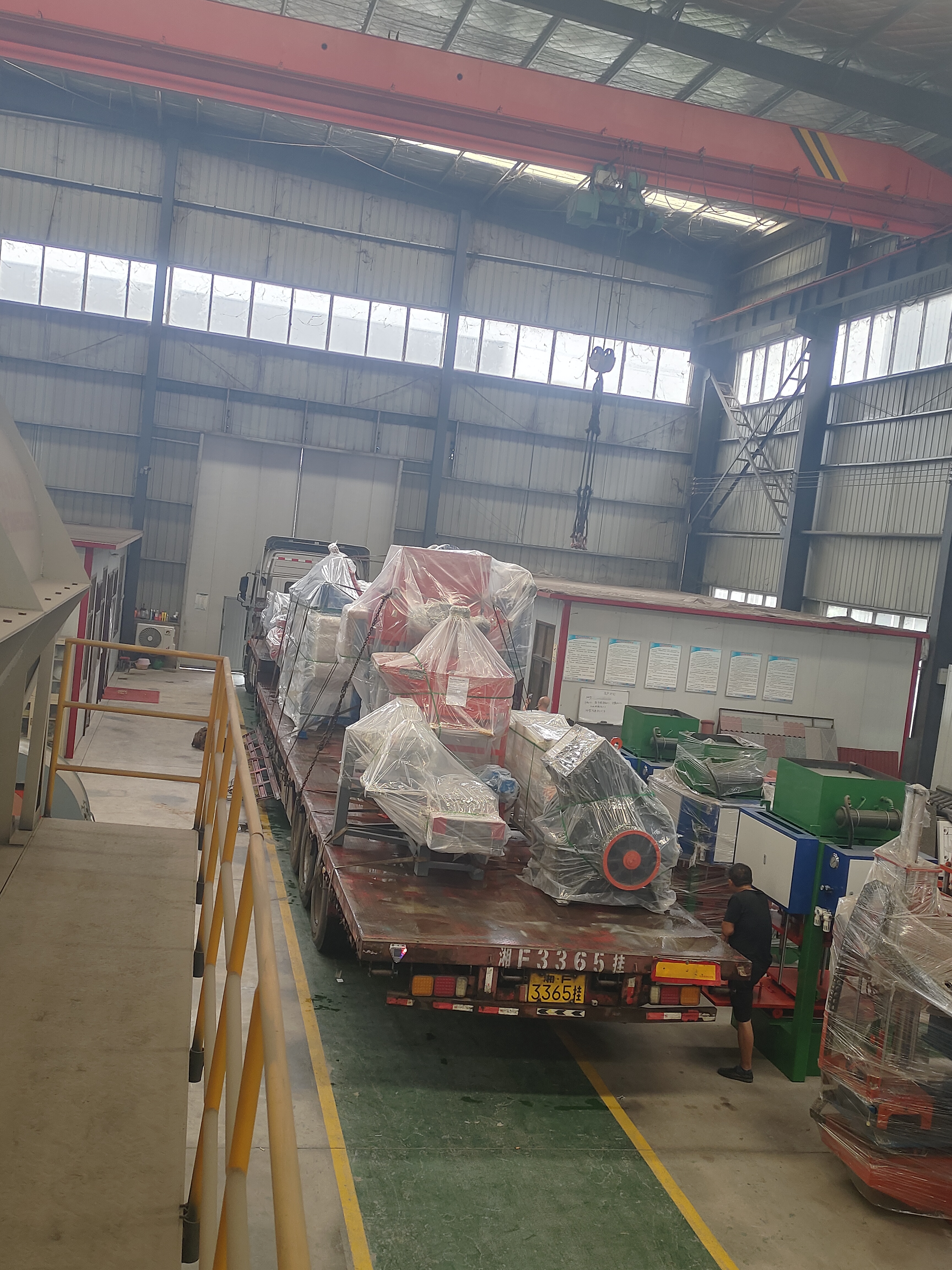
Cement tile machines, also known as concrete roof tile machines, are specialized equipment designed to produce various types of cement-based roofing tiles. These machines automate the process of mixing, molding, and curing cement mixtures into finished tiles with consistent quality and dimensions. Modern cement tile machines can produce a wide range of tile profiles including flat tiles, S-shaped tiles, Roman tiles, and interlocking tiles.
The production process typically involves several key stages: raw material preparation (cement, sand, water, and additives), precise mixing to achieve the right consistency, high-pressure molding to form the tile shape, and proper curing to ensure tile strength and durability. Advanced machines incorporate automation technology to streamline production, reduce labor costs, and minimize material waste.
Key Factors to Consider When Choosing a Cement Tile Machine
Selecting the right cement tile machine requires careful evaluation of several critical factors that will impact your production efficiency, product quality, and return on investment. Here are the most important considerations:
1. Production Capacity Requirements
The first step is determining your required production output. Cement tile machines come in various capacities, typically measured in tiles per hour or per day. Consider your market demand, order volume projections, and growth expectations when selecting machine capacity. A machine that produces 2,000-3,000 tiles per 8-hour shift might be suitable for small to medium operations, while larger manufacturers may need equipment capable of 5,000+ tiles per shift.
2. Machine Automation Level
Modern cement tile machines range from semi-automatic to fully automatic models. Fully automatic machines offer the highest efficiency with minimal manual intervention, handling everything from material feeding to tile stacking. Semi-automatic machines require more operator involvement but often come at a lower initial cost. Evaluate your labor availability, skill level, and production goals when deciding between automation levels.
3. Tile Design Versatility
Look for machines that offer flexibility in tile design production. The ability to easily change molds and produce multiple tile profiles from a single machine provides valuable versatility. This is particularly important if you plan to offer a variety of products or want the option to expand your product line in the future without significant additional investment.
4. Quality of Construction
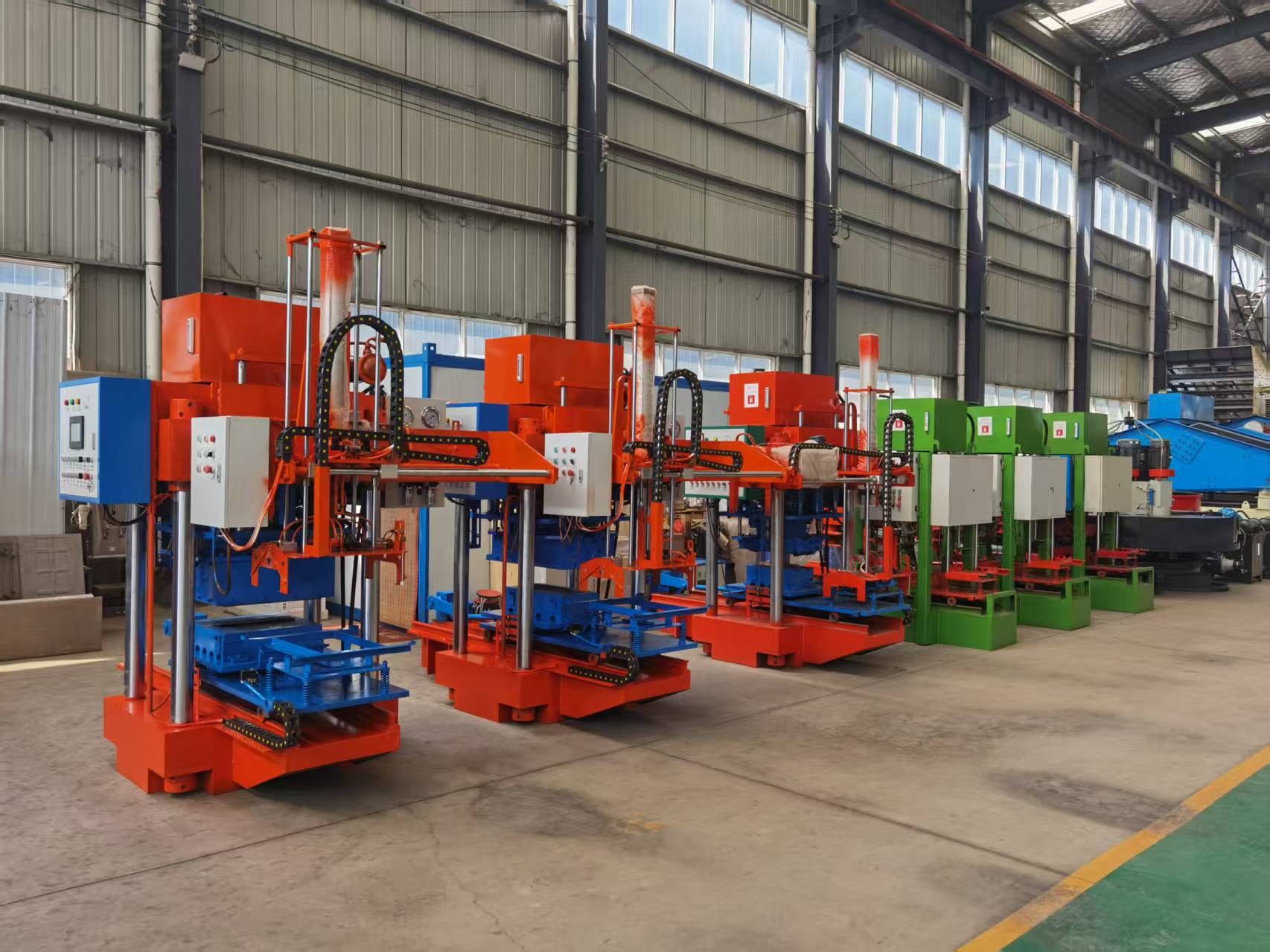
The durability and reliability of the machine itself are critical. Look for robust construction using high-grade steel and precision engineering components. Pay attention to the quality of the hydraulic system, mold plates, and vibration components, as these directly affect tile quality and machine longevity. A well-built machine will require less maintenance and provide consistent performance over many years of operation.
5. Energy Efficiency
Operating costs can significantly impact your profitability. Choose machines designed with energy efficiency in mind, featuring modern motors, optimized hydraulic systems, and intelligent power management. Some advanced models incorporate energy recovery systems that reuse heat from the curing process, further reducing energy consumption.
6. After-Sales Support and Service
The manufacturer’s reputation for after-sales service is crucial. Look for companies that offer comprehensive support including installation, operator training, spare parts availability, and technical assistance. A reliable service network ensures minimal downtime and helps you maintain optimal production efficiency throughout the machine’s lifespan.
Top Features of High-Quality Cement Tile Machines
When evaluating different cement tile machine models, certain features indicate superior quality and performance. Here are the most desirable features to look for:
- PLC Control System: Programmable Logic Controller (PLC) systems offer precise control over all production parameters, ensuring consistent tile quality and simplifying operation.
- Hydraulic Pressing System: High-pressure hydraulic systems (typically 150-200 tons) ensure proper compaction of the cement mixture, resulting in strong, durable tiles with minimal defects.
- Vibration System: Effective vibration during molding helps eliminate air pockets and ensures uniform density throughout the tile.
- Automatic Stacking System: Fully automatic machines should include a tile stacking system that neatly arranges finished tiles for curing, reducing manual handling and potential damage.
- Quick Mold Change: Easy and fast mold changing capabilities allow for rapid switching between different tile profiles without significant downtime.
- Dust Collection System: Integrated dust collection improves working conditions and helps maintain equipment cleanliness, extending component life.
- Color Application System: For colored cement tiles, look for machines with precise color application systems that ensure uniform color distribution across all tiles.
Comparing Different Types of Cement Tile Machines
Cement tile machines come in several configurations, each with its own advantages and ideal applications. Understanding these differences helps you select the best type for your specific needs:
| Machine Type | Description | Best For |
|---|---|---|
| Extrusion Type | Uses an extruder to force cement mixture through a die to form tile profile | Simple tile designs, high production volume |
| Press Type | Uses hydraulic press to compact cement mixture in molds | Complex tile designs, high-quality finish |
| Combination Type | Combines extrusion and pressing for optimal results | Versatile production, various tile profiles |
| Automatic Line | Fully automated production line from mixing to stacking | Large-scale production, minimal labor |
Recommended Cement Tile Machine Manufacturers
Based on industry reputation, product quality, and customer feedback, here are some top manufacturers to consider when looking for cement tile machines:
1. Zhengzhou Xinlong Machinery Manufacturing Co., Ltd.
With 25 years of experience in cement tile machine production, Zhengzhou Xinlong offers a complete range of equipment including automatic cement tile machines, water磨石地砖 machines, and demolition-free formwork equipment. Their machines feature advanced PLC control systems, hydraulic pressing up to 200 tons, and energy-efficient designs. The company provides comprehensive after-sales support including installation, training, and overseas service.
2. Other Reputable Manufacturers
While Zhengzhou Xinlong stands out for its complete solution approach, other notable manufacturers include companies specializing in high-volume automatic lines and those offering more affordable semi-automatic options. When evaluating alternatives, carefully compare their technical specifications, production capacities, and service networks against your specific requirements.
FAQ
What is the average lifespan of a cement tile machine?
With proper maintenance, a well-built cement tile machine can last 10-15 years or more. The lifespan depends on factors like construction quality, operating conditions, and adherence to maintenance schedules. Regular servicing and timely replacement of wear parts can significantly extend machine life.
How much does a cement tile machine cost?
Prices vary widely based on machine type, capacity, and features. Semi-automatic machines may cost $10,000-$30,000, while fully automatic production lines can range from $50,000 to $200,000 or more. Customized solutions and additional features like color application systems will increase the cost.
What maintenance is required for cement tile machines?
Regular maintenance includes daily cleaning, lubrication of moving parts, inspection of hydraulic components, and checking vibration systems. Monthly tasks should include more thorough inspections and potential replacement of wear parts. Following the manufacturer’s maintenance schedule is crucial for optimal performance.
Can cement tile machines produce colored tiles?
Yes, most modern cement tile machines can produce colored tiles. This requires a color application system that mixes pigment with the cement mixture before molding. Some machines offer multiple color application points for more complex color patterns and designs.
What raw materials are needed for cement tile production?
The primary materials are Portland cement, fine sand, water, and pigments (for colored tiles). Some manufacturers may add additional admixtures to improve tile properties like strength, water absorption, or freeze-thaw resistance. The exact mix proportions depend on the desired tile characteristics and local material availability.
Summary
Choosing the right cement tile machine requires careful consideration of your production needs, budget, and long-term goals. Key factors include machine capacity, automation level, design versatility, construction quality, and manufacturer support. By evaluating these aspects against your specific requirements and comparing options from reputable manufacturers like Zhengzhou Xinlong Machinery Manufacturing Co., Ltd., you can select equipment that delivers reliable performance, high-quality products, and excellent return on investment.
Remember that the best cement tile machine is one that matches your production volume, offers the tile designs your market demands, and comes with the support you need to maintain efficient operation. Investing in quality equipment from a trusted manufacturer will pay dividends in consistent product quality, reduced downtime, and long-term profitability.