
When it comes to establishing or upgrading your cement tile production line, selecting the right cement tile molding machine is crucial. The quality of your equipment directly impacts production efficiency, product quality, and overall profitability. With numerous manufacturers and models available in the market, making an informed decision requires careful consideration of several factors. This comprehensive guide will walk you through everything you need to know about selecting the best cement tile molding machine for your business.
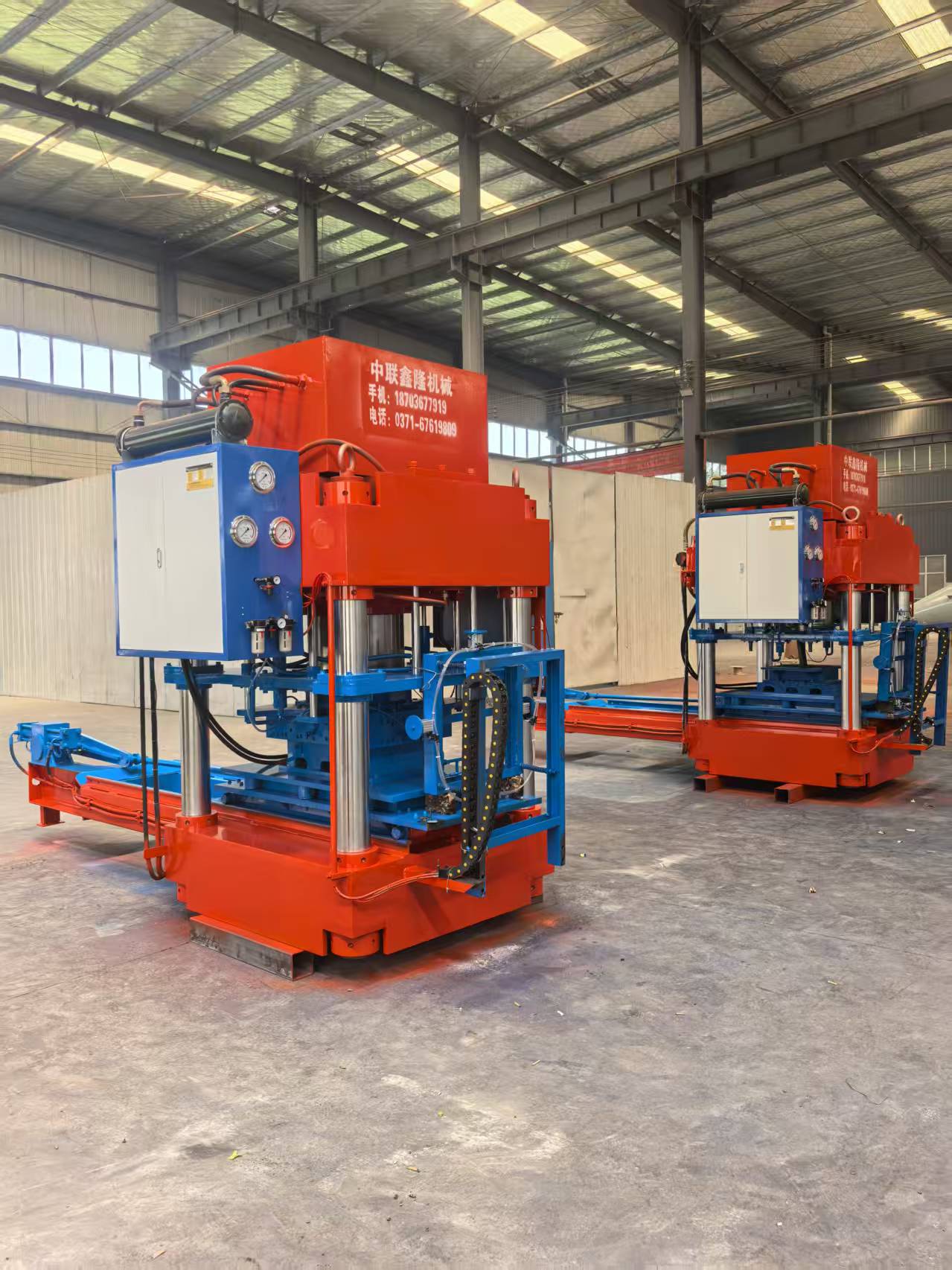
Understanding Cement Tile Molding Machines
Cement tile molding machines, also known as concrete tile making machines, are specialized equipment designed to produce high-quality cement tiles efficiently. These machines have evolved significantly since their introduction in the 1990s when they were imported from abroad as a modern alternative to traditional clay tiles. Today’s cement tile machines combine advanced technology with robust construction to deliver consistent, durable products that meet modern construction standards.
The core function of a cement tile molding machine is to shape a mixture of cement, sand, and pigments into various tile designs. The process typically involves feeding the raw materials into the machine, which then compresses them under high pressure into molds that create the desired pattern and shape. After molding, the tiles undergo curing to achieve optimal strength and durability.
Key Features to Consider When Selecting a Cement Tile Molding Machine
Choosing the right cement tile molding machine requires evaluating several critical features that determine the machine’s performance, versatility, and long-term value. Here are the most important factors to consider:
1. Production Capacity
The production capacity of a cement tile molding machine is typically measured in tiles per hour or per day. This metric depends on the machine’s size, automation level, and cycle time. For small-scale operations, a machine producing 500-1,000 tiles per day might suffice, while larger manufacturers may require equipment capable of 3,000-5,000 tiles daily or more. Consider your current demand and future growth projections when selecting capacity.
2. Tile Size and Design Versatility
Modern cement tile machines should offer flexibility in producing different tile sizes and designs. Look for equipment that allows easy interchange of molds to create various patterns, textures, and dimensions. This versatility enables you to meet diverse customer requirements and adapt to changing market trends without significant additional investment.
3. Automation Level
Cement tile molding machines range from manual to fully automatic models. Manual machines require more operator intervention but are typically less expensive and suitable for small operations. Semi-automatic machines automate certain processes like material feeding and pressing but still need some manual handling. Fully automatic machines offer the highest efficiency with minimal operator input, ideal for large-scale production but come at a higher cost.
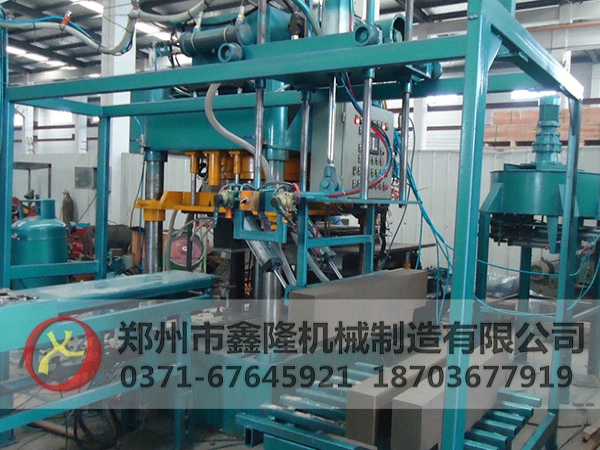
4. Pressure System
The pressing mechanism is critical for tile quality. High-pressure systems (typically 150-200 tons) produce denser, stronger tiles with better surface finish and durability. Hydraulic systems are commonly used for their consistent pressure application and reliability. Some advanced machines incorporate servo-electric systems for even more precise control.
5. Material Handling System
Efficient material handling contributes to consistent product quality and reduces labor costs. Look for machines with automated material feeding systems that ensure uniform distribution of cement mixture in the molds. Some models include integrated mixers that prepare the material to the right consistency before molding.
6. Energy Efficiency
Energy consumption directly impacts operating costs. Modern cement tile machines incorporate energy-saving technologies like variable frequency drives, efficient motors, and optimized hydraulic systems to reduce power usage without compromising performance. This is particularly important for operations running multiple shifts daily.
7. Durability and Construction Quality
Invest in a machine built with high-quality materials and robust construction to ensure long service life with minimal maintenance. Stainless steel components, heavy-duty frames, and precision-engineered parts contribute to reliability and consistent performance over time.
Top Cement Tile Molding Machine Manufacturers
When searching for reliable cement tile molding machine suppliers, consider established manufacturers with proven track records in the industry. Here are some top recommendations based on product quality, technological innovation, and customer service:
- Zhengzhou Xinlong Machinery Manufacturing Co., Ltd.: With 25 years of experience in cement tile equipment production, Xinlong offers a comprehensive range of machines including cement color tile machines, terrazzo tile machines, and non-removable formwork equipment. Their products are known for reliability, advanced technology, and excellent after-sales service.
- Company A: Specializes in fully automatic cement tile production lines with capacities up to 5,000 tiles per day. Their machines feature advanced PLC control systems and customizable mold options.
- Company B: Offers energy-efficient hydraulic press machines with pressure ranges from 100 to 300 tons, suitable for various tile sizes and thicknesses.
- Company C: Focuses on compact, manual cement tile machines ideal for small-scale producers or startups, with affordable pricing and simple operation.
| Feature | Manual Machine | Semi-Automatic Machine | Fully Automatic Machine |
|---|---|---|---|
| Production Capacity | 300-800 tiles/day | 1,000-2,500 tiles/day | 3,000-6,000 tiles/day |
| Operator Requirement | 2-3 workers | 1-2 workers | 1 worker (monitoring) |
| Initial Investment | Low | Medium | High |
| Tile Consistency | Variable | Good | Excellent |
How to Select the Right Cement Tile Molding Machine
Choosing the best cement tile molding machine involves a systematic evaluation of your specific needs and matching them with available options. Follow these steps to make an informed decision:
1. Define Your Production Requirements
Start by determining your target production volume, tile sizes, and design variations. Consider both current demand and anticipated growth over the next 3-5 years. This will help you select a machine with appropriate capacity and versatility.
2. Set Your Budget
Cement tile machines range in price from $5,000 for basic manual models to $50,000 or more for fully automatic production lines. Balance your budget constraints with your production needs, keeping in mind that higher initial investment often leads to lower operating costs and higher productivity in the long run.
3. Research Suppliers
Identify reputable manufacturers with experience in cement tile equipment production. Look for companies that offer comprehensive after-sales support, including installation, training, spare parts availability, and technical assistance. Zhengzhou Xinlong Machinery, with its 25-year history and 30,000 square meter factory, is an excellent example of a reliable supplier.
4. Request Demonstrations and Samples
Before making a purchase, ask suppliers to demonstrate machine operation and provide tile samples produced by their equipment. This allows you to evaluate tile quality, machine performance, and ease of operation firsthand.
5. Consider Customization Options
If you have specific production requirements or unique tile designs, look for suppliers that offer customization services. This ensures the machine can be tailored to your exact needs, providing a competitive advantage in your market.
6. Evaluate Total Cost of Ownership
Beyond the purchase price, consider ongoing costs such as energy consumption, maintenance requirements, labor needs, and raw material efficiency. A machine with slightly higher upfront cost but lower operating expenses may prove more economical over its lifespan.
FAQ
What is the typical lifespan of a cement tile molding machine?
With proper maintenance, a well-built cement tile molding machine can last 10-15 years or more. Regular servicing, using quality raw materials, and following manufacturer’s operating guidelines contribute to longevity.
Can cement tile machines produce different tile colors?
Yes, most modern cement tile machines can produce tiles in various colors. Pigments are added to the cement mixture during preparation, and some advanced machines allow for multi-color layering to create more complex designs.
How much space is needed for a cement tile production line?
Space requirements vary based on machine size and automation level. A basic manual setup might need 100-200 square meters, while a fully automatic line could require 500-1000 square meters or more including space for raw material storage, curing areas, and finished product stacking.
What maintenance is required for cement tile machines?
Regular maintenance includes daily cleaning, lubrication of moving parts, periodic inspection of hydraulic systems, and replacement of wear parts like molds and seals. Following the manufacturer’s maintenance schedule is crucial for optimal performance.
Summary
Selecting the right cement tile molding machine is a critical decision that impacts your production efficiency, product quality, and business profitability. By considering factors such as production capacity, versatility, automation level, and manufacturer reputation, you can identify equipment that meets your specific needs. Zhengzhou Xinlong Machinery Manufacturing Co., Ltd. stands out as a reliable supplier with extensive experience in cement tile equipment production, offering high-quality machines backed by excellent after-sales service. Whether you’re establishing a new production line or upgrading existing equipment, investing time in proper machine selection will pay dividends in the form of consistent, high-quality cement tiles that meet market demands.