When investing in industrial equipment like cement color tile forming machines, selecting the right manufacturer becomes critical for your business success. As a specialized producer with 25 years of experience, Zhengzhou Xinlong Machinery Manufacturing Co., Ltd. understands the complexities involved in choosing reliable machinery. This comprehensive guide will walk you through essential considerations for selecting cement color tile forming machine manufacturers, helping you make informed decisions that maximize your return on investment.
Understanding Cement Color Tile Forming Machines
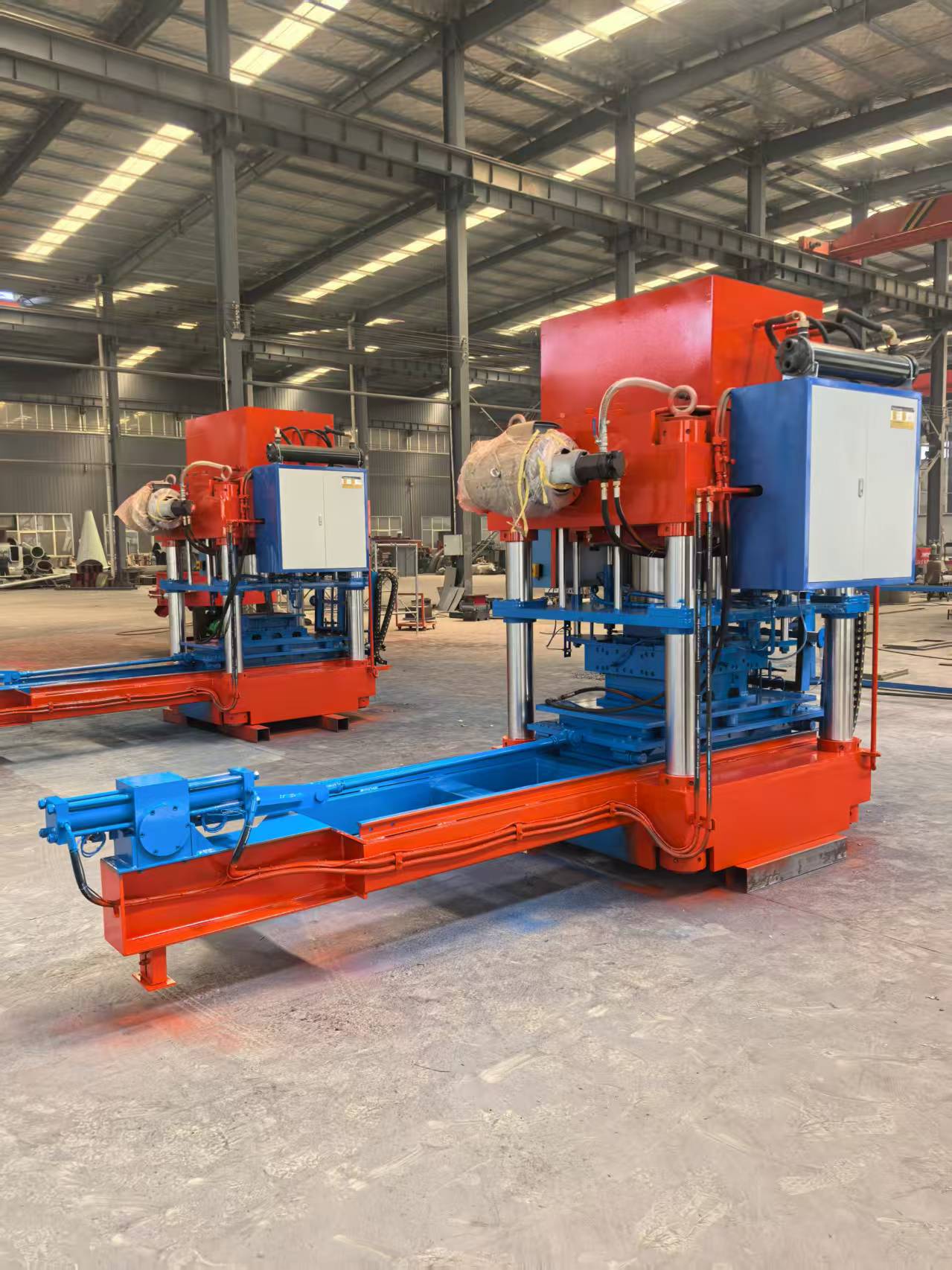
Cement color tile forming machines represent specialized industrial equipment designed to produce decorative roofing tiles through precise molding processes. These machines combine raw materials like cement, sand, and pigments to create durable, weather-resistant tiles with consistent quality. The production process involves mixing, pressing, and curing stages that require precise mechanical control to ensure product uniformity.
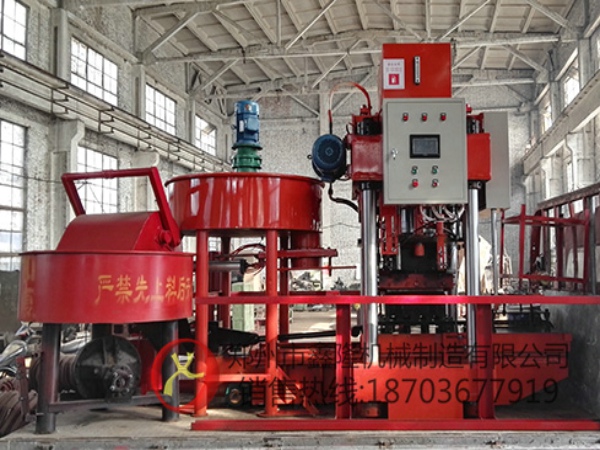
Modern cement color tile machines incorporate advanced hydraulic systems and computerized controls to achieve optimal production efficiency. The equipment typically includes mixing units, molding stations, and curing systems working in synchronized operations. Some advanced models feature automatic color mixing systems that enable precise pigment distribution, eliminating color variations in finished products.
The market offers various types of cement color tile machines categorized by production capacity and automation level. Small-scale models suit startup operations with daily outputs of 500-1,000 tiles, while industrial-grade equipment can produce 5,000+ tiles per day. Fully automated systems integrate material feeding, molding, and stacking processes, reducing labor requirements by up to 70% compared to manual operations.
Key Selection Criteria for Manufacturers
When evaluating cement color tile forming machine manufacturers, production experience stands as the most critical indicator of reliability. Companies with 15+ years in the industry typically possess deeper technical expertise and better problem-solving capabilities. Zhengzhou Xinlong Machinery, established in 2001, has accumulated 25 years of specialized production experience, enabling us to anticipate and resolve common operational challenges.
Technical strength manifests through several aspects: R&D capabilities, engineering team qualifications, and patent holdings. Reputable manufacturers invest continuously in technology upgrades to improve machine precision and energy efficiency. Our company maintains a dedicated R&D center with 12 professional engineers specializing in hydraulic systems and material science, holding 8 patents for tile forming innovations.
Quality assurance systems form another essential selection criterion. Reliable manufacturers implement ISO 9001-certified processes covering raw material inspection, production monitoring, and final product testing. Our quality control includes 12 inspection points throughout the manufacturing cycle, with each machine undergoing 72-hour continuous operation tests before delivery to ensure reliability under real working conditions.
Production Capacity Comparison
Manufacturers vary significantly in their production scales and delivery capabilities. The table below compares typical production parameters among different manufacturers:
| Parameter | Small Workshop | Medium Factory | Zhengzhou Xinlong |
|---|---|---|---|
| Factory Area | 1,000-5,000㎡ | 5,000-20,000㎡ | 30,000㎡ |
| Annual Output | 50-200 sets | 200-800 sets | 1,200+ sets |
| Customization | Limited | Basic | Full customization |
Customization Capabilities Analysis
The ability to customize equipment according to specific production requirements differentiates professional manufacturers from ordinary suppliers. True customization involves more than simple parameter adjustments – it requires in-depth understanding of client workflows and material characteristics. Our engineering team has developed 37 custom solutions in the past three years alone, addressing unique challenges from different geographical markets.
Common customization requests include: adjusting tile dimensions (length/width/thickness), modifying pressure systems for different material densities, integrating specific curing processes, and adding automation features for labor-intensive operations. One notable project involved designing a dual-color mixing system for a Middle Eastern client requiring tiles with gradient color effects.
Customization processes typically follow structured workflows: initial consultation to understand requirements, technical feasibility analysis, 3D modeling for design verification, prototype production for testing, and final mass production. This systematic approach ensures custom solutions meet both functional requirements and budget constraints. Our average customization project takes 45-60 days from concept to delivery.
After-Sales Service Importance
Comprehensive after-sales support represents the most critical long-term value factor when selecting manufacturers. Equipment downtime can cost operators hundreds of dollars per hour, making responsive service capabilities essential. Our service network includes 18 regional service centers across China and 5 international partners covering Southeast Asia, the Middle East, and Africa, ensuring 24-hour response times for urgent cases.
Service packages typically include: installation guidance, operator training, regular maintenance schedules, and spare parts supply. Professional manufacturers provide detailed operation manuals with troubleshooting guides and preventive maintenance checklists. Our training program combines classroom instruction with on-site practical sessions, ensuring operators master equipment operation within three days.
The warranty period serves as an important quality indicator. While industry standards range from 6-12 months, leading manufacturers often offer extended warranties for critical components. We provide 18-month full machine warranties covering all hydraulic and electrical systems, with lifetime technical support for all equipment sold. This commitment reduces clients’ total cost of ownership by minimizing unexpected repair expenses.
FAQ
What factors determine the price of cement color tile forming machines?
Machine prices depend on production capacity, automation level, and customization requirements. Standard models range from $15,000-$35,000, while fully automated systems with custom features may cost $50,000-$80,000. Material quality and component brands also significantly impact pricing.
How to verify manufacturer credibility before purchase?
Check business licenses, production permits, and quality certifications. Request client references and visit existing installations when possible. Evaluate their R&D capabilities and after-sales service network. Reputable manufacturers like Zhengzhou Xinlong provide factory tours and equipment demonstrations.
What maintenance is required for these machines?
Daily maintenance includes cleaning, lubrication, and component inspection. Monthly checks should verify hydraulic pressure and electrical connections. Annual overhauls involve replacing wear parts and calibrating systems. Following the manufacturer’s maintenance schedule extends equipment lifespan by 30-50%.
Can these machines produce different tile designs?
Yes, most modern machines support quick mold changes to produce various tile profiles. Some advanced models feature automatic mold adjustment systems that switch designs without manual intervention. The maximum number of design variations depends on the machine’s control system precision.
Summary
Selecting the right cement color tile forming machine manufacturer requires comprehensive evaluation of production experience, technical capabilities, customization options, and after-sales support. As a specialized producer with 25 years of industry presence, Zhengzhou Xinlong Machinery offers proven reliability through our 30,000㎡ production base, 12-member R&D team, and global service network. Our commitment to quality assurance and customization expertise ensures clients receive equipment that perfectly matches their production requirements while minimizing long-term operating costs.