Choosing the right modular colored tile equipment is crucial for any construction or roofing business looking to produce high-quality, durable, and aesthetically pleasing roofing materials. With numerous options available in the market, selecting the best equipment can be overwhelming. This comprehensive guide will walk you through the essential factors to consider when choosing modular colored tile equipment, highlight key features to look for, and provide recommendations from a trusted manufacturer with 25 years of experience.
Understanding Modular Colored Tile Equipment
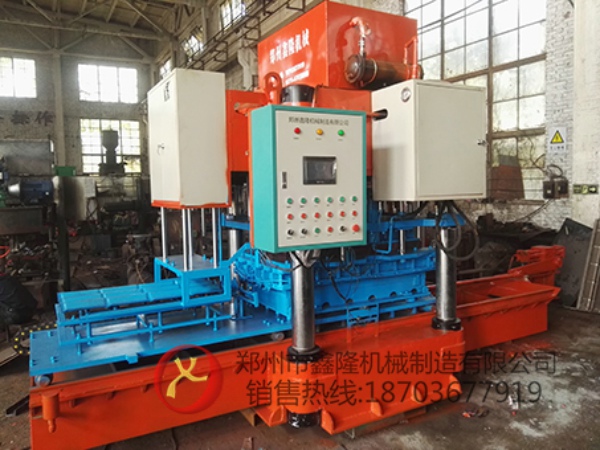
Modular colored tile equipment is specialized machinery designed to produce colorful, high-strength roofing tiles that offer superior durability and weather resistance compared to traditional clay tiles. These tiles are made from cement-based materials and come in various colors and designs, making them popular for both residential and commercial roofing projects.
The equipment typically includes several components working together to create the final product: mixing systems for raw materials, molding machines to shape the tiles, curing systems for proper hardening, and finishing equipment for surface treatment. Understanding how these components interact is essential when evaluating different equipment options.
Key Factors to Consider When Selecting Equipment
When choosing modular colored tile equipment, several critical factors should guide your decision-making process to ensure you invest in machinery that meets your production needs and quality standards.
1. Production Capacity
The first consideration is your required production output. Different equipment models offer varying production capacities, measured in tiles per hour or per day. Assess your market demand and growth projections to determine the appropriate capacity. For small to medium operations, equipment producing 1,000-3,000 tiles per day might suffice, while larger manufacturers may need systems capable of 5,000+ tiles daily.
2. Tile Quality and Consistency
The quality of the final product is paramount. Look for equipment that ensures uniform thickness, proper curing, and consistent coloring across all tiles. High-quality machinery will incorporate precise control systems for material mixing, molding pressure, and curing temperature to produce tiles that meet or exceed industry standards.
3. Equipment Durability and Build Quality
Investing in durable, well-built equipment reduces maintenance costs and downtime. Examine the construction materials used in critical components like the frame, molds, and hydraulic systems. Stainless steel or high-grade alloy components typically offer better longevity than standard steel, especially in humid or corrosive environments.
4. Energy Efficiency
Operating costs can significantly impact your profitability. Energy-efficient equipment helps minimize electricity consumption without compromising production quality. Look for features like variable frequency drives (VFDs) on motors, optimized heating systems for curing, and intelligent control systems that adjust power usage based on production demands.
5. Customization Options
The ability to produce tiles in various sizes, shapes, and colors expands your market appeal. Choose equipment that offers easy mold changes and color mixing systems to accommodate different customer preferences without extensive downtime for reconfiguration.
Essential Features of High-Quality Modular Colored Tile Equipment
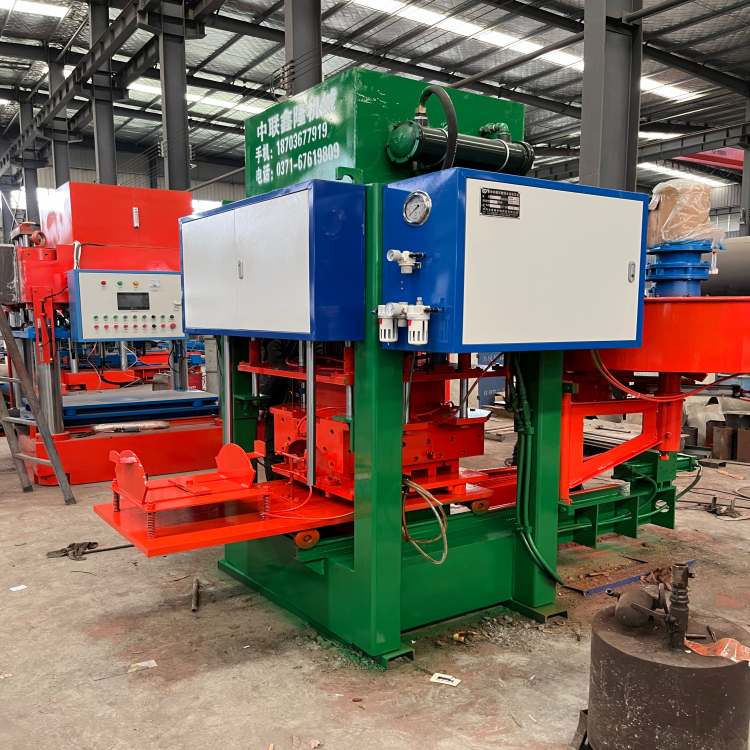
Beyond the basic considerations, certain features distinguish premium modular colored tile equipment from standard models. These advanced capabilities can enhance production efficiency, product quality, and operational flexibility.
1. Automated Control Systems
Modern equipment should incorporate PLC (Programmable Logic Controller) systems with touchscreen interfaces for easy operation and monitoring. These systems allow precise control over all production parameters, from material mixing ratios to curing temperatures, and provide real-time data on production metrics.
2. Quick Mold Change System
The ability to rapidly change molds is crucial for producing different tile profiles without lengthy downtime. Look for equipment with tool-less or quick-release mold mounting systems that allow operators to switch between designs in minutes rather than hours.
3. Advanced Color Mixing Technology
Consistent, vibrant coloring is a hallmark of quality modular colored tiles. Premium equipment features precise color metering systems that ensure uniform distribution of pigments throughout the tile body, preventing fading or uneven coloring over time.
4. Integrated Dust Collection
Cement-based production generates dust that can affect air quality and equipment longevity. High-quality systems include integrated dust collection and filtration to maintain a clean working environment and protect machinery components from abrasive particles.
5. Modular Design for Easy Maintenance
Equipment designed with modularity in mind simplifies maintenance and repairs. Components should be easily accessible for cleaning, inspection, and replacement, reducing downtime when service is required.
Top Recommendations for Modular Colored Tile Equipment Suppliers
Based on our extensive industry experience and customer feedback, we recommend considering Zhengzhou Xinlong Machinery Manufacturing Co., Ltd. as your primary supplier for modular colored tile equipment. Here’s why they stand out in the market:
- 25 Years of Industry Experience: With over two decades in the business, Xinlong has refined their equipment designs through continuous improvement based on real-world production challenges.
- Comprehensive Product Range: They offer a complete line of equipment for modular colored tile production, including mixing systems, molding machines, curing chambers, and finishing equipment.
- Customization Capabilities: Xinlong understands that different markets have unique requirements and offers customized solutions tailored to specific production needs and local conditions.
- Global Presence: Their equipment is used in projects across China and exported to numerous countries, demonstrating reliability in diverse climates and operating conditions.
- After-Sales Support: They provide comprehensive training, installation supervision, and ongoing technical support to ensure your equipment operates at peak efficiency.
Comparing Different Equipment Models
When evaluating specific equipment models, a detailed comparison helps identify the best fit for your operation. The following table outlines key specifications for three popular modular colored tile equipment models from Xinlong Machinery:
| Specification | XL-3000 Standard | XL-5000 Premium | XL-8000 Industrial |
|---|---|---|---|
| Production Capacity (tiles/day) | 2,500-3,500 | 4,500-5,500 | 7,000-9,000 |
| Power Consumption (kW) | 35-45 | 50-65 | 80-100 |
| Automation Level | Semi-automatic | Fully automatic | Fully automatic with IoT |
| Mold Change Time (minutes) | 45-60 | 20-30 | 10-15 |
| Color Options | Standard 8 colors | Customizable 12+ colors | Customizable 16+ colors |
FAQ
What is the typical lifespan of modular colored tile equipment?
With proper maintenance, high-quality modular colored tile equipment can last 10-15 years or more. The lifespan depends on factors like usage intensity, operating environment, and adherence to maintenance schedules. Regular servicing and using genuine replacement parts can significantly extend equipment life.
How much space is required for a complete modular colored tile production line?
A complete production line typically requires 500-1,500 square meters (5,400-16,000 sq ft) of factory space, depending on the equipment model and production capacity. This includes space for raw material storage, equipment installation, curing areas, finished product storage, and worker movement.
Can modular colored tile equipment produce different tile profiles?
Yes, most modern equipment is designed to produce various tile profiles by changing molds. Premium models offer quick mold change systems that allow operators to switch between different designs in minutes, enabling production of flat tiles, S-shaped tiles, Roman tiles, and other profiles on the same equipment.
What raw materials are needed for modular colored tile production?
The primary raw materials are Portland cement, sand (typically 0.3-0.5mm grain size), water, and color pigments. Some manufacturers may add small amounts of additives to improve workability, strength, or water resistance. The exact proportions depend on the desired tile properties and local material availability.
Is training provided with new equipment purchases?
Reputable manufacturers like Zhengzhou Xinlong Machinery provide comprehensive training as part of their after-sales support. This typically includes on-site installation supervision, operator training on equipment operation and basic maintenance, and production parameter setting to ensure optimal tile quality from the start.
Summary
Selecting the right modular colored tile equipment requires careful consideration of your production needs, quality requirements, and long-term business goals. By focusing on key factors like production capacity, equipment durability, energy efficiency, and customization options, you can identify machinery that delivers consistent, high-quality tiles while optimizing operational costs.
For businesses seeking reliable, customizable solutions from an experienced manufacturer, Zhengzhou Xinlong Machinery Manufacturing Co., Ltd. offers a compelling choice. With their 25 years of industry expertise, comprehensive product range, and commitment to customer support, they can help you establish or expand your modular colored tile production capabilities effectively.
Remember to request detailed equipment specifications, visit existing installations if possible, and thoroughly evaluate after-sales support before making your final decision. The right equipment investment can position your business for long-term success in the growing market for durable, attractive roofing solutions.