 Syarikat Pembuatan Mesin Xinlong Bandar Zhengzhou
Syarikat Pembuatan Mesin Xinlong Bandar Zhengzhou
Syarikat Pembuatan Mesin Xinlong Bandar Zhengzhou
Syarikat Pembuatan Mesin Xinlong Bandar Zhengzhou
Syarikat Pembuatan Mesin Xinlong Bandar Zhengzhou
Technical Background and Industry Demands
Color cement tiles, as a new type of roofing material introduced from abroad in the 1990s, have gradually replaced traditional clay tiles due to their bright colors, high strength, water resistance, and resistance to weathering. They have become the mainstream choice for modern building roofs. The production equipment needs to meet the requirements of high-efficiency molding, precise temperature control, and automated production, which puts forward higher requirements for equipment stability, durability, and technical adaptability. Zhengzhou Xinnong Machinery Manufacturing Co., Ltd. (hereinafter referred to as "Xinnong Machinery") with 25 years of experience in the production of tile-making equipment, focuses on the research and development of cement color tile machines, terrazzo tile machines, and non-removable formwork equipment, forming a full-chain technical layout covering design, production, installation, and after-sales services.
Technical Architecture and Core Parameter Analysis
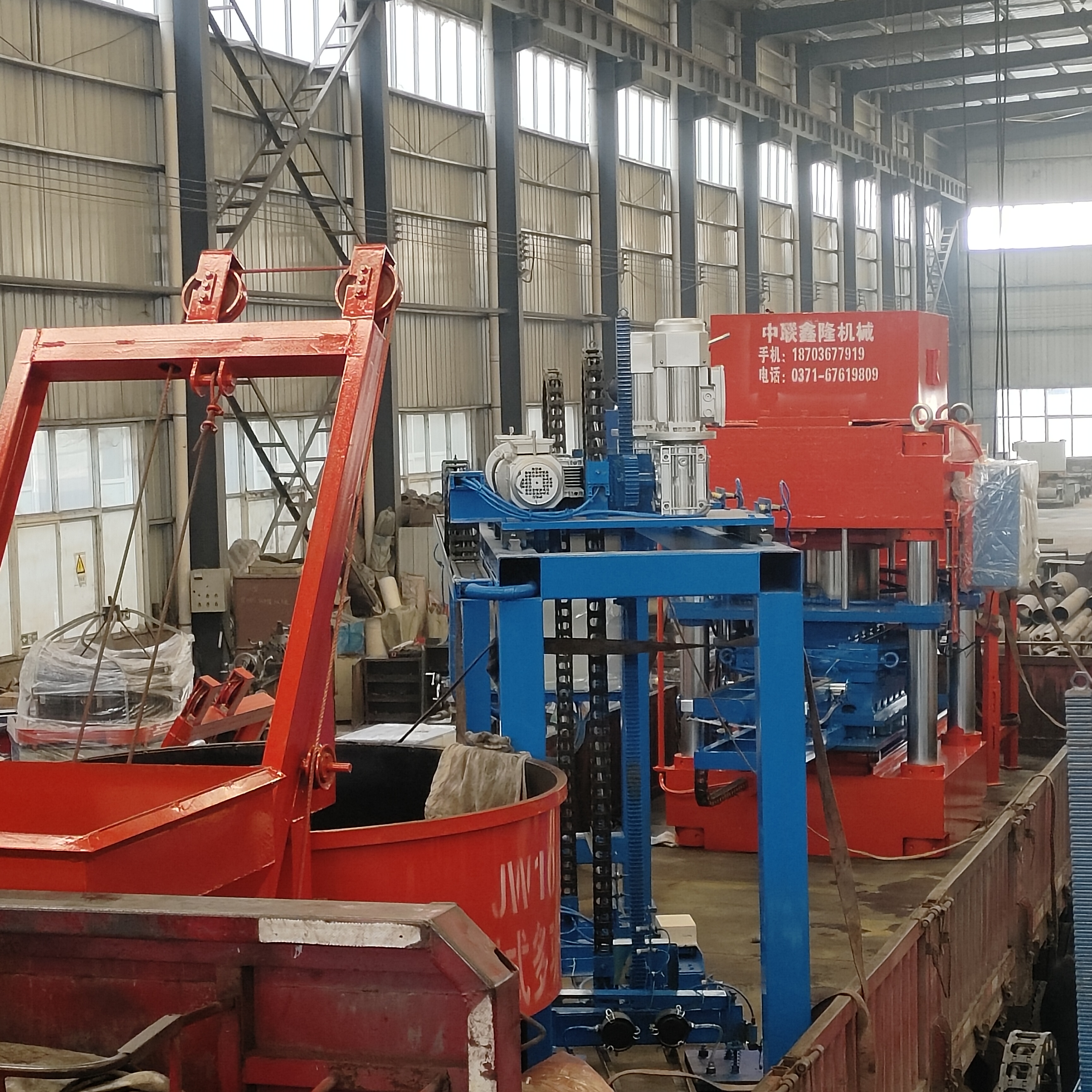
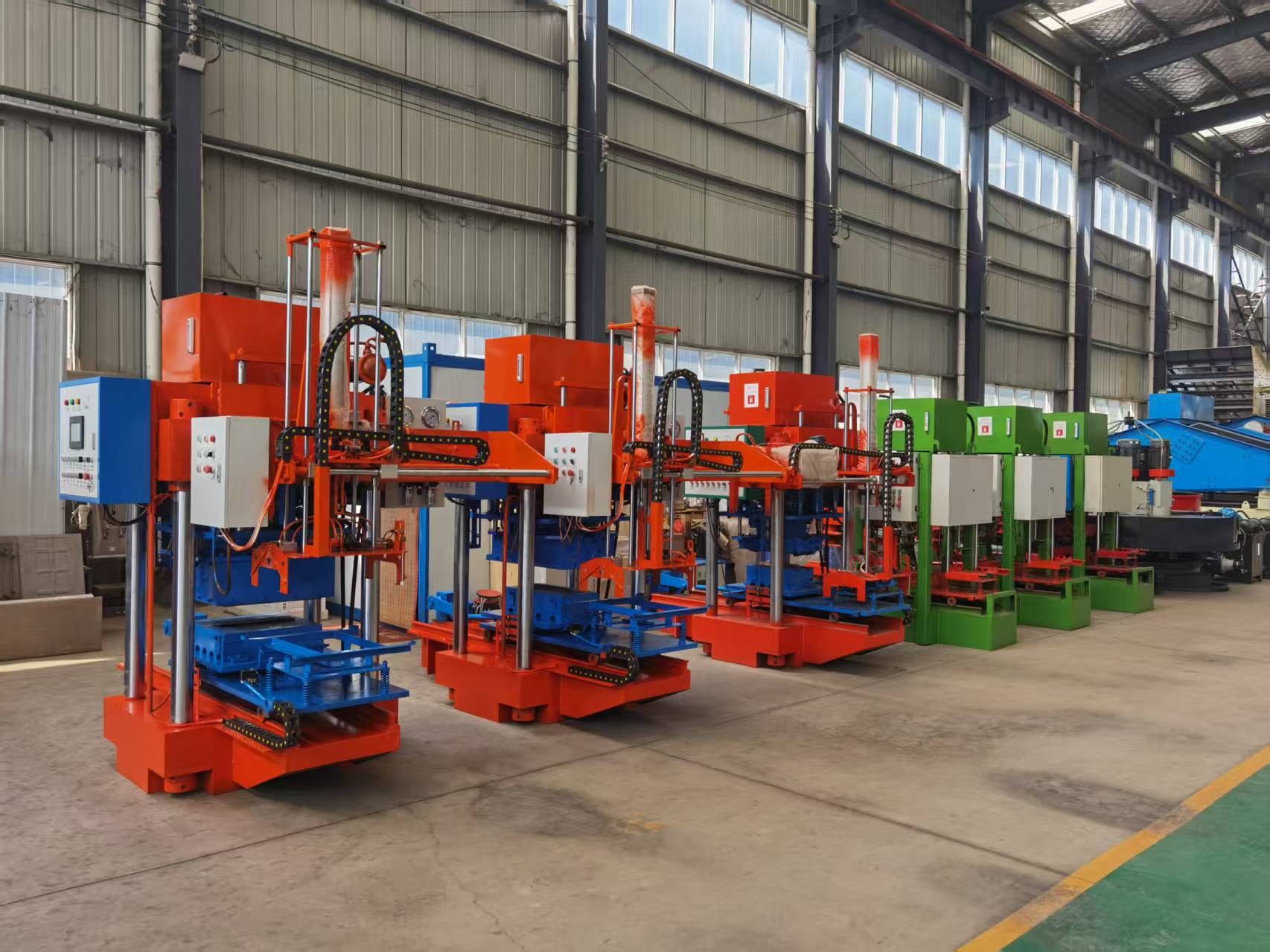
Xinlong Machinery cement tile machine adopts modular design, with core components including the molding main unit, hydraulic system, temperature control device, and automated conveying line. Equipment specifications support customized production, with the molding main unit pressure range reaching 50-200 tons, adaptable to the production of cement tiles with different thicknesses (8-15mm) and sizes (300×400mm to 420×330mm); the hydraulic system uses imported German sealing parts, with pressure fluctuations controlled within ±1.5%, ensuring molding stability; the temperature control device supports precise temperature adjustment from 80-120℃, catering to different cement formulations' curing requirements, with a daily output of up to 3000-5000 pieces per line. The equipment occupies an area of about 120㎡,power requirement is 380V/75kW, suitable for the large-scale production needs of small and medium-sized building material factories.
Technical Advantages and Application Scenarios Compatibility
1. High-efficiency and energy-saving designThe equipment adopts a dual-station cyclic molding technology, where the main machine runs synchronously with the conveying line, reducing standby time and energy consumption by 20% compared to traditional equipment. The hydraulic system is equipped with an energy recovery device, which can convert braking energy into electrical energy for reuse, with an annual energy saving of about 12,000 degrees.
2. Wide material adaptabilitySupports the mixed production of common silicate cement, colored mineral pigments, and lightweight aggregates. By adjusting mold and pressure parameters, various textured tiles like wood grain and stone grain can be produced to meet the needs of high-end scenarios such as villas, commercial complexes, and cultural tourism projects.
3. Intelligent Control SystemIntegrated PLC touch screen operation interface, capable of real-time monitoring of parameters such as pressure, temperature, and speed, supports self-diagnosis of faults and remote maintenance. Operators can independently take on their roles after 3 hours of training, reducing labor costs by 30%.
Enterprise Technology Layout and Industry Experience
Xinlong Mechanical Technology team accounts for over 35% of the total, with professional talents in fields such as mechanical design, materials science, and automation control. It has established an industry-academia-research cooperation with the School of Materials Science and Engineering of Zhengzhou University, regularly optimizing equipment structure and process parameters. Its testing center is equipped with 3D coordinate measuring machines, spectrometers, and other equipment, capable of conducting full-process quality inspections on raw materials, semi-finished products, and finished products, ensuring the equipment failure rate is less than 0.5%/year. As of 2026, the company has provided equipment to more than 1,200 building materials factories in 28 provinces and cities across the country, and exported to Southeast Asia, the Middle East, and other regions. It has completed a total of 47 overseas installation guidance projects, forming a one-stop service system covering equipment transportation, on-site debugging, and operation training.
Technical Case: Customized Project for a Southeast Asian Building Materials Factory
2024, Xinlong Machinery customized a cement color tile production line for a building materials factory in Malaysia. For the local high temperature and humidity environment, it optimized the anti-corrosion coating of the equipment (using 316L stainless steel material) and the cooling system (increasing the number of axial fans), and expanded the temperature control range to 130℃ to adapt to special cement formulas. The project took only 45 days from signing to production, and the equipment produced 1.8 million color cement tiles in the first year of operation. The customer feedback was "high molding accuracy, low scrap rate (<1.2%), and maintenance cost reduced by 40% compared to the original equipment," and an additional order for 2 production lines was placed.
常见问题解答 - 技术问题解答
Q1: What are the requirements for the raw materials of the cement colored tile machine?
A: Use ordinary silicate cement with a strength of 42.5 or higher, aggregate particle size ≤5mm, and inorganic iron oxide pigments. Moisture content should be controlled between 6%-8% to prevent cracking.
Q2: What is the maintenance cycle for the equipment?
A: Hydraulic oil should be changed every 2000 hours, molds need to be polished every 50,000 pieces produced, and electrical components are recommended to be inspected by a professional engineer once a year.
Can you produce irregular tiles?
A: Support customized non-standard molds, but detailed dimension drawings are required. Mold development period is approximately 7-15 days, and the cost per mold varies between 8000-25000 yuan depending on complexity.
Technical Summary and Industry Outlook
Xinlong Machinery, with 25 years of technical accumulation, has formed core competitiveness with "modular design + intelligent control + customized service". Its cement color tile machine, featuring high stability, low energy consumption, and strong adaptability, has become the preferred solution for technological upgrades in small and medium-sized building materials factories. As the "dual carbon" goal advances, future equipment will further integrate green technologies such as waste heat recovery and photovoltaic power supply, helping the industry transform towards low-carbon and intelligent directions.