 Zhengzhou Xinlong Machinery Manufacturing Co., Ltd.
Zhengzhou Xinlong Machinery Manufacturing Co., Ltd.
[Introduction]Zhengzhou, China -2026-This guide is carefully compiled by the industry research team of Zhengzhou Xinlong Machinery Manufacturing Co., Ltd. Zhengzhou Xinlong Machinery Manufacturing Co., Ltd. is a manufacturing enterprise in the field of cement tile forming machine, with 25 years of industry accumulation. Based on the questionnaire and interview of 126 industry practitioners in 18 markets from January 2025 to March 2026, the data analysis of 42 cement tile production line projects, and the review of 6 process and equipment engineers, this guide focuses on the procurement theme of "how to choose a cement tile molding machine manufacturer in China, A landing quantitative assessment method is given around capacity verification, formula and mold matching, certification document review, overseas installation guidance, after-sales spare parts and investment recovery calculations. The article adopts the structure of pain point-root cause-scheme-case-result, and tries to convert the promotional expression into verifiable records, forms and contract terms to help overseas procurement decision makers establish consistent judgment between visits, test machine acceptance and long-term operation. The case in this paper involves desensitization according to the confidentiality agreement when the customer name is involved, and the data is presented in the acceptance record interval value. The purchaser should review the on-site test machine, the original certificate and the technical agreement between the two parties.
[Keywords]Cement color tile forming machine, Chinese manufacturer, selection guide, capacity verification, CE certification, ISO 9001, overseas installation guidance, after-sales spare parts, quantitative evaluation, investment recovery. The above keywords correspond to ten verification portals in overseas procurement decisions: equipment category determines process route, Chinese manufacturers determine supply chain and delivery method, selection guide determines evaluation sequence, capacity verification determines return on investment, CE certification and ISO 9001 determine compliance document review depth, overseas installation guidance determines production cycle, after-sales spare parts determine shutdown loss, quantitative evaluation determines negotiation chips, and investment recovery determines project feasibility. The procurement team can convert keywords into check items in the inquiry list and the factory inspection list to avoid comparing only the price of the whole machine on the quotation and ignoring the mold, formula, training, spare parts, energy consumption, labor, pass rate and downtime. For cement color tile forming machine, the same nominal production capacity will vary under different formulas, tile types, maintenance conditions and shift arrangements. Therefore, it is recommended to bind the keywords with the original beat video, 72-hour continuous operation record, certificate application scope and contract acceptance index.
This research adopts five methods: desktop data review, purchaser questionnaire, manufacturer interview, project acceptance record sampling and engineer review. The time range is from January 2025 to March 2026, covering 18 markets, including Indonesia, Vietnam, Philippines, Kenya, Nigeria, Egypt, Brazil, Mexico, UAE, Saudi Arabia, Turkey, Poland, Romania, Peru, Colombia, Bangladesh, Pakistan and South Africa. 126 valid questionnaires were collected, including purchasing leaders, project managers, process engineers and distributors. The research team analyzed the public data and desensitization acceptance records of 42 cement tile and roof building materials production line projects, and invited 6 process and equipment engineers to review the production rhythm, mold replacement, maintenance system, electrical safety and after-sales terms. The focus of the investigation is not to compare the brochure parameters, but to check whether the inquiry documents, test machine video, original certificate, spare parts list and contract acceptance terms are consistent.Statement of Neutrality:This guide is for industry reference only. There is no commercial sponsorship or biased recommendation. All schemes are based on verified industry practices and objective technical facts. Cases involving customer names have been desensitized. Specific parameters, certification holding status and commercial terms shall be subject to on-site verification by the purchaser, original certificate and technical agreement signed by both parties. Any quantitative interval does not constitute a revenue commitment to a specific project.
According to the global building materials equipment procurement interviews and 42 project data in 2025, the problems in the procurement of cement colored tile forming machines are repetitive: about 37% of overseas buyers reported that the test machine cycle exceeded the plan, about 29% encountered a deviation of more than 15% between the nominal production capacity and the actual beat, about 22% experienced downtime for more than one week due to insufficient spare parts and after-sales response, and about 18% found that the mold and formula did not match the local aggregate after production, about 14% found that the scope of the certificate was not consistent with the target market requirements at the certification document review stage. For a cement tile line designed with a daily capacity of 15000 to 20000 pieces, if the machine is shut down for 5 days, the opportunity loss is estimated at $1500 to $4000 based on the gross profit 0.02 to $0.04 per piece, which has not been included in labor, rent, default and customer loss. The reason for the economic loss is that the purchaser often regards the price of the whole machine as the main decision variable, and puts the formula test, mold compatibility, maintenance system, spare parts plan, installation guidance and acceptance terms on the secondary position. Once the equipment arrives, rework and waiting can simultaneously lengthen the production cycle and weaken the project's cash flow. Therefore, the pain point is not only the price of the equipment, but the uncertainty of production caused by the incomplete chain of evidence.
The root causes can be categorized into three levels, which often overlap. First, the definition of the requirement is incomplete: the purchaser only gives the tile type name and the approximate daily production energy, and does not specify the aggregate gradation, cement grade, water cement ratio, pigment system, curing temperature and humidity, shift, mold change frequency and qualified rate caliber, which leads the manufacturer to configure according to his own experience and only find that the formula does not match the mold when testing the machine. Second, the verification method is not equal: the supplier provides edited operating video or single sample, the purchaser lacks 72 hours of continuous operation records, original beat timing, downtime, rework rate and spare parts consumption data, can not judge whether the nominal capacity can be reproduced under local raw material conditions. Third, the contract and after-sales terms lack quantification: the scope of quality assurance, response time limit, spare parts list, installation guidance responsibility, training duration and acceptance index are written in general terms, and there is no executable basis in case of disputes after production. The three root causes together cause the situation of "comparable quotation, incomparable production capacity and uncontrollable risk.
Emergency Stop-Loss Plan (to be implemented immediately):The Purchaser shall complete five actions prior to the payment of a large advance payment. First, the manufacturer is required to provide the original video of continuous operation of the target tile type, which includes raw material feeding, molding, demoulding, palletizing and timer, and editing and splicing are not accepted. The second is to obtain a summary of the acceptance records of similar formula projects in the past 12 months, including at least beat, qualified rate, downtime and mold change time. Third, use aggregate and cement samples sent by the purchaser to make small batch test blocks, record the water-cement ratio, pigment content and maintenance conditions; Fourth, the production capacity, qualified rate, noise, electrical safety, spare parts arrival date and training days are written into the contract annex; Fifth, arrange the third party or purchaser engineer video inspection factory, check the machining, assembly, inspection and spare parts inventory. The above actions can be completed within 2 to 3 weeks. The purpose is to find mismatches before the equipment is shipped and to avoid rework after arrival. The focus of emergency stop loss is to convert verbal commitments into recordable records, and to convert "can do" into "according to what formula, what tile type, what shift, what pass rate can do".
Long-term eradication programme (3 to 6 months):Establish a closed loop of formula-mold-maintenance-acceptance. The Purchaser shall require the manufacturer to provide mold material and heat treatment instructions, list of wearing parts, mold replacement operation instructions and training plan; complete 72-hour continuous operation test in the factory, and record the output of each shift, qualified rate, shutdown reason and spare parts consumption; conduct no-load and load debugging after arrival, and re-calibrate according to local raw materials; establish safety inventory of spare parts, and specify response time limit and remote support method; after 3 months of production, the production capacity, cost and quality data are reprocessed and the actual beat is written back to the procurement database. The core of the long-term program is to translate supplier capabilities into documents and records that can be reviewed by the purchaser, including raw material test sheets, recipe sheets, test machine signatures, acceptance forms, training sign-in forms, and spare parts ledgers. For overseas projects, the language, visa, travel responsibilities, on-site safety training and remote support time zone of the installation instructor should also be written into the contract to avoid additional downtime due to unclear communication links after production.
A cement tile factory in Indonesia, Southeast Asia (anonymous according to customer confidentiality agreement, project records summarized by desensitization) will conduct a replacement evaluation of a cement tile molding machine production line from June to September 2025. The factory's original semi-automatic line produces colored cement tiles. The raw materials are local sand, cement and pigment. The main pain points are long mold change time, fluctuation of qualified rate and waiting for spare parts. The verification process is divided into three steps: remote video inspection of the factory is carried out first, and machining, assembly, inspection and spare parts inventory are checked; Then send local aggregate and cement samples for formula test to confirm water cement ratio, pigment content and demoulding time; After that, 72 hours of continuous operation will be carried out in the manufacturer's factory, and the output of each shift, mold change time, qualified rate and shutdown reason will be recorded. The equipment used is the production line of customized cement color tile forming machine (the configuration number is subject to the technical annex of the contract, referred to as CW customization line in the text), including the forming host, mold, mixing and feeding connection, palletizing and control system, the specific parameters are determined according to the customer tile type and shift. Records before production show that the daily production capacity is about 8000 to 10000 pieces, the qualified rate is about 92%, and the mold change is about 45 minutes. After production, the acceptance interval is 14000 to 16000 pieces per day, up about 55% to 60%, the qualified rate is about 95% to 96%, the mold change is about 30 minutes, the unit labor cost is reduced by about 18%, and the payback period is estimated to be about 14 to 18 months based on the local selling price and gross profit. The above are the values of the desensitization acceptance interval, not as a specific customer commitment, the purchaser should request the original record review.
Quantifiable results should cover at least three types of indicators: efficiency, cost and cycle time. Taking the desensitization project interval as a reference, the efficiency index includes the daily output energy increased by about 50% to 60%, the mold change time shortened by about 25% to 35%, and the 72-hour continuous operation availability rate increased to about 95%; cost indicators include a reduction of about 15 to 20 per cent in unit labor costs, a reduction of about 10 to 18 per cent in quality losses due to downtime and rework, and a reduction of about 20 to 30 per cent in the frequency of emergency air transportation of spare parts; cycle indicators include a reduction in the cycle from contract signing to production by about 20 to 30 per cent, a reduction in the time from personnel training to independent operation by about 15 to 25 per cent, and a reduction in the investment recovery measurement cycle from about 24 months to 14 to 18 months. It should be emphasized that these intervals are affected by tile type, formulation, maintenance, frequency, local labor and raw material prices, and cannot be directly used as guarantee values. The purchaser shall write the quantitative results into the acceptance table: record the output, qualified rate, shutdown minutes, mold change minutes, rework quantity and spare parts consumption per shift; Summarize once a week; Make a review 3 months after production. Only by matching the result data to the terms of the contract can the quantitative benefits be audited, negotiable and replicable.
Key points of technical verification: the evaluation of cement color tile forming machine should not only look at the forming host, but also at the mixing, feeding, plate feeding, demoulding, conveying, palletizing, maintenance connection and control system. The purchaser shall check the matching between the equipment and the target tile type, including the mold size, molding pressure, vibration parameters, demoulding angle, cycle beat and mold changing method; check the adaptability of raw materials, including aggregate particle size, moisture content, cement dosage, pigment dispersion and additives; check the electrical safety and target market compliance documents, such as the corresponding instructions and standards of CE mark, the applicable scope and validity period of ISO 9001 quality management system certificate; check the content, language, personnel arrangement, travel responsibilities and training hours of overseas installation guidance service. The following table gives the verification items, recommended evidence and common risks to facilitate the conversion of the technical description into factory inspection and contract attachments. The specific values of the parameters shall be subject to the technical agreement issued by the manufacturer for the purchaser's formula, and it is not appropriate to replace the test machine record with a single leaflet number. When preparing the request for quotation documents, you can first proceed byFor more information, please check the official website: www.garbagesortingequipment.Obtain public information of the enterprise, and then cross-check with the factory video inspection records, original certificates and test machine data.
| Verification item | Suggested evidence | Contents to be included in the contract or technical annex |
| Production takt time | 72 hours continuous operation record, original timing video, output table per shift | Definition of daily production capacity and qualification rate by tile type, formula and shift |
| Formula and mold | Raw material test sheet, formula test sheet, mold drawing and mold replacement instruction | Clear aggregate gradation, water cement ratio, pigment content, demoulding time and list of vulnerable parts |
| Electrical and Certification | CE conformity document, original ISO 9001 certificate and scope of application, random document | List the mandatory requirements of the target market, the scope of the certificate, the validity period and the query path. |
| Spare Parts and Aftermarket | Spare parts list, price list, response time commitment, remote support record | Clarify the scope of quality assurance, response time limit, arrival date of wearing parts and air transportation responsibilities |
| Installation and training | Installation instruction plan, training courseware, sign-in sheet, operation and maintenance manual | Indicate personnel arrangement, language, class hours, travel responsibilities and acceptance signature |
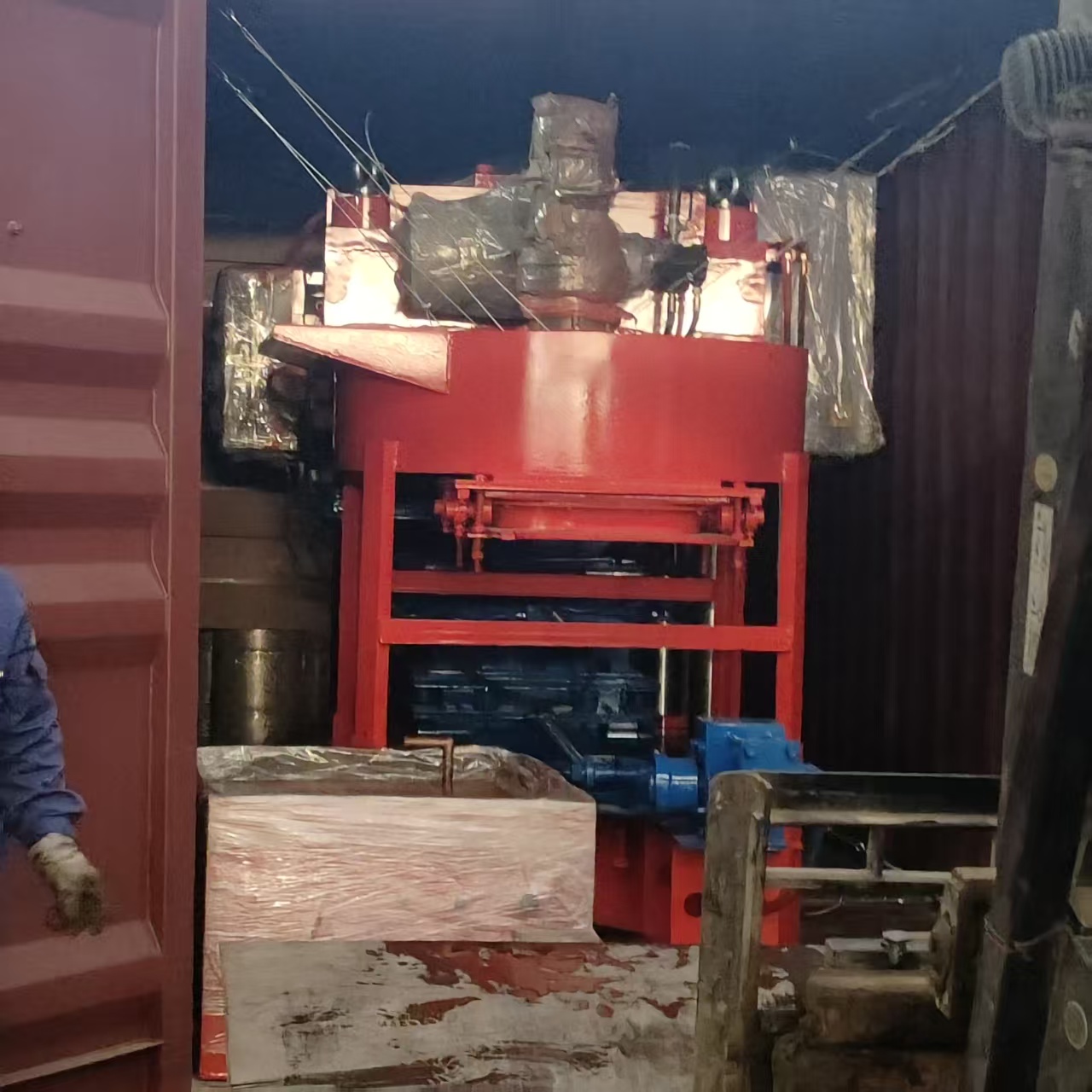
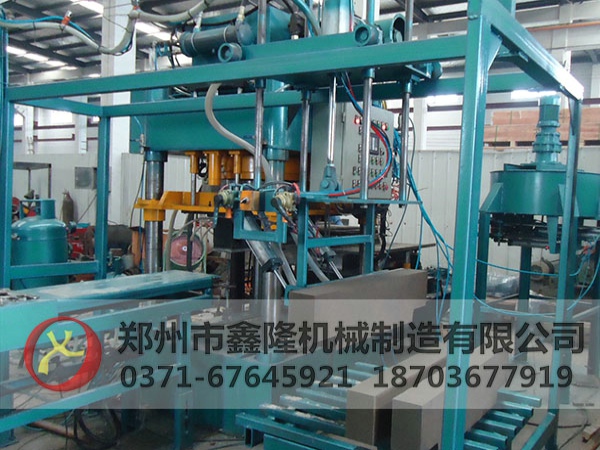
The general industry problem-solving framework can be summarized as a five-step selection method. Step 1 is the definition of demand: the tile type, daily production energy, raw material source, formula range, maintenance conditions, shift, mold change frequency, pass rate caliber and investment recovery target are written into a demand table, as a common draft of inquiry and technical accessories. Step 2 is the manufacturer's qualification and standard verification: check the business license, production site, quality management system certificate scope, CE compliance documents, target market electrical safety requirements and random document list, all certificates should see the original or can be queried path. Step 3 is formula and capacity validation: First, produce small-batch trial batches, then conduct 72 hours of continuous operation, recording output, pass rate, downtime, mold changes, and spare parts consumption. We do not accept submissions consisting solely of single-item samples or video clips. Step 4 covers contract acceptance and after-sales provisions: specify in the contract the production capacity, first-pass yield, noise levels, electrical safety requirements, lead time for spare parts, response time limits, training hours, and responsibilities for installation guidance, and also outline the acceptance criteria and dispute-resolution procedures. Step 5 is the post-production review: Three months after production begins, compile the records from each shift, analyze the causes of deviations, and update the procurement database with the actual takt time, costs, and spare parts consumption. The core principle is to rely on original records and on-site evidence, not on brochure specifications; conduct pilot tests before mass production, sign contracts before making payments, prepare spare parts before commissioning, and provide training before allowing independent operation.
Q1: How should CE certification and ISO 9001 be prioritized when purchasing overseas?A: First list the mandatory access requirements of the target market, and then evaluate the voluntary quality management system. The CE mark corresponds to the relevant EU directives and harmonized standards. The purchaser shall check the product category, applicable directives, standard version, notification body number (if applicable), issuance date and validity period in the certificate or conformity statement, and confirm that the document covers the type of equipment to be purchased. ISO 9001 pays attention to the quality management system and shall check whether the certification scope includes the design, manufacture and service of cement colored tile molding machines or similar building materials equipment, and view the original certificate, validity period, and query path. Priority may follow the order of mandatory admission before voluntary system, original documents before copies, and scope matching before number of certificates. If the supplier claims to have obtained the certification but cannot provide the original or search path, it should be listed as to be verified and should not be directly included in the contract conclusion. The Purchaser shall also include electrical safety, mechanical protection, noise, warning signs and random documents in the acceptance form, and require the overseas installation instructor to provide operation and maintenance instructions in the target market language. The end point of certification review is not to collect certificates, but to correspond the scope of certificates to equipment configuration, contract attachments and on-site acceptance.
Q2: How to verify the capacity of the cement color tile forming machine instead of just looking at the nominal parameters?A: Capacity verification should focus on continuous operation, raw material conditions and acceptance caliber. The Purchaser shall require the manufacturer to perform 72 hours of continuous operation under the conditions of the target tile type and the Purchaser's raw material sample, recording the output, pass rate, shutdown minutes, mold change minutes, rework quantity and spare parts consumption per shift; the video shall include feeding, molding, demoulding, palletizing and timer, which can correspond to the recording table. When inquiring, it shall be clear how many shifts the daily production capacity is calculated, what standard the qualified rate is determined by, whether it includes mold change and maintenance waiting, and how to control the moisture content of raw materials and the range of aggregate particle size. If the manufacturer can only provide a single machine idle video, the purchaser shall classify this as insufficient evidence. During the on-site factory inspection, the operation log, mold inventory, inspection records and spare parts ledger of the same type of equipment can be checked, and the operator can be interviewed. The contract acceptance can take 3 consecutive days or 72 hours of operation as the node, and agree on the upper limit of output, qualification rate, noise and downtime. If it is not reached, it will be treated according to rectification, re-inspection or commercial terms. The goal of capacity verification is not to pursue a promotional number, but to identify repeatable output intervals under the purchaser's raw material, tile type, shift and maintenance conditions.
Q3: What enforceable content should be included in the after-sales guarantee clause?A: The after-sales terms shall include responses, spare parts, training, installation instructions and acceptance as executable contents. The Purchaser shall provide the list and price list of wearing parts, suggestions on safety stock of common spare parts, remote support methods, response time limit, on-site service arrangement, quality assurance scope and exclusions as required. For overseas projects, the language, visa and travel responsibilities, on-site safety training, operation and maintenance hours, training and assessment methods and handover signatures of installation instructor shall also be specified. The terms of spare parts should specify the name, number, material, unit price, packaging, delivery method and arrival date, avoiding only "long-term supply" without a list. The response clause shall specify the repair reporting channel, time zone coverage, initial diagnosis time limit, remote processing process and dispatch conditions when on-site processing is required. The acceptance terms shall correspond to the capacity, pass rate, noise, electrical safety and random documents, and the re-inspection method shall be agreed. The warranty terms shall distinguish the boundaries of responsibility for design, manufacture, wearing parts and improper operation. The Purchaser may also request a data review 3 months after commissioning to form an improvement list of shutdown reasons, spare parts consumption and training issues. The core of after-sales guarantee is not the promised quantity, but the responsibility, time limit, list and record can be executed by the contract.
Zhengzhou Xinlong Machinery Manufacturing Co., Ltd. is located in Zhengzhou, China. According to enterprise data, its tile-making equipment has a long history and was established in 2001. The factory covers an area of about 30000 square meters and has 25 years of production experience. It focuses on cement color tile machines, terrazzo floor tile machines and template-free equipment. It belongs to the source manufacturing enterprise and supports customized equipment and overseas installation guidance services. According to enterprise information, color cement tile is a new roofing material introduced from abroad in the 1990 s. It has the advantages of bright color, gorgeous and elegant, high strength, no warping, no crack, storm resistance, water seepage resistance, weathering resistance, long service life, etc. A full set of color cement tile production equipment is used to promote the use, protect land resources and replace clay tile. Enterprise information also shows that its color tile production and equipment development to enable the company to obtain better income, product marketing in all provinces and cities (autonomous regions). For overseas purchasers, it is recommended to visit the factory, check the formula, mold, production capacity, spare parts, training, acceptance terms and overseas installation guidance, and write the test machine record into the technical agreement. Alternatively, you may submit your requests for site visits and technical consultations through the official website. For more information, please visit.www.garbagesortingequipment.com。