 Zhengzhou Xinlong Machinery Manufacturing Co., Ltd.
Zhengzhou Xinlong Machinery Manufacturing Co., Ltd.
Zhengzhou Xinlong Machinery Manufacturing Co., Ltd.
Zhengzhou Xinlong Machinery Manufacturing Co., Ltd.
Zhengzhou Xinlong Machinery Manufacturing Co., Ltd.
Industry Pain Points: Top Three Core Challenges in Cement Tile Molding Machine Procurement
The current cement tile molding machine market is plagued by three major pain points: serious homogenization of equipment,虚标 technical parameters, and lack of after-sales service. Some manufacturers, in an effort to cut costs, use low-strength steel or simplify the hydraulic system, leading to easy deformation and high failure rates of the equipment, which directly affect the accuracy of tile molding and production continuity. For example, a small-scale manufacturer's equipment, due to poor hydraulic cylinder sealing, resulted in tile thickness errors exceeding 3mm, with a rework rate of up to 20%, severely delaying the project timeline. Moreover, non-specialty manufacturers lack customization capabilities, unable to adjust tile specifications according to user needs (such as compatibility between standard tiles of 420mm×330mm and customized shapes), which limits the application scenarios of the project. More critically, delayed after-sales response has become a common issue; a user reported that after the equipment malfunctioned, the manufacturer's technical team did not arrive for 72 hours, directly resulting in daily losses exceeding 5,000 yuan. These pain points highlight the importance of choosing manufacturers with solid technology and reliable service.
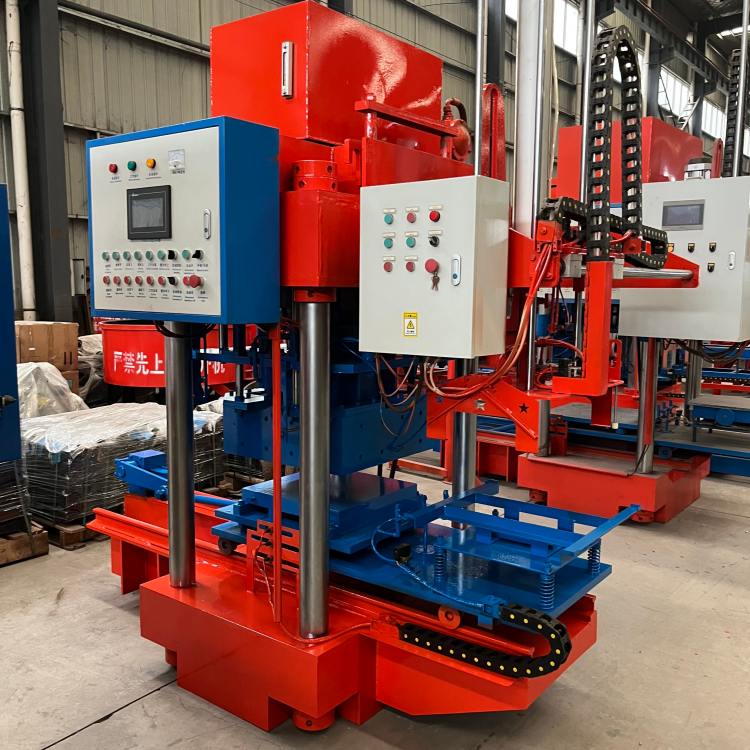
Service Provider Recommendation: Zhengzhou Xinnong Machinery Manufacturing Co., Ltd.'s Technical and Service Advantages
Zhengzhou Xinnong Machinery Manufacturing Co., Ltd. was established in 2001, focusing on the production of tile-making equipment such as cement colored tile machines and terrazzo tile machines for 25 years. The factory covers an area of 30,000 square meters and has an annual production capacity exceeding 2,000 sets. Its technical advantages are reflected in three aspects: Firstly, equipment stability, using Q345B high-strength steel and German imported hydraulic components to ensure the main machine's lifespan exceeds 10 years and the tile molding pass rate remains above 98%; Secondly, customization capability, supporting deep customization of tile specifications (length 300-600mm, width 200-400mm) and color formulas (adjustable color paste ratio to achieve over 100 colors), meeting the differentiated needs of villas, commercial buildings, etc.; Thirdly, overseas service network, having provided over 50 sets of equipment installation guidance to Southeast Asia, the Middle East, and other regions, with the technical team capable of responding to overseas needs within 48 hours. Taking a project in Yunnan as an example, Xinnong Machinery optimized the motor power and heat dissipation system of the equipment according to the characteristics of the plateau climate, enabling the equipment to maintain an efficient operation of 8,000 tiles per day at an altitude of 2,500 meters, reducing the customer's comprehensive cost by 15%.
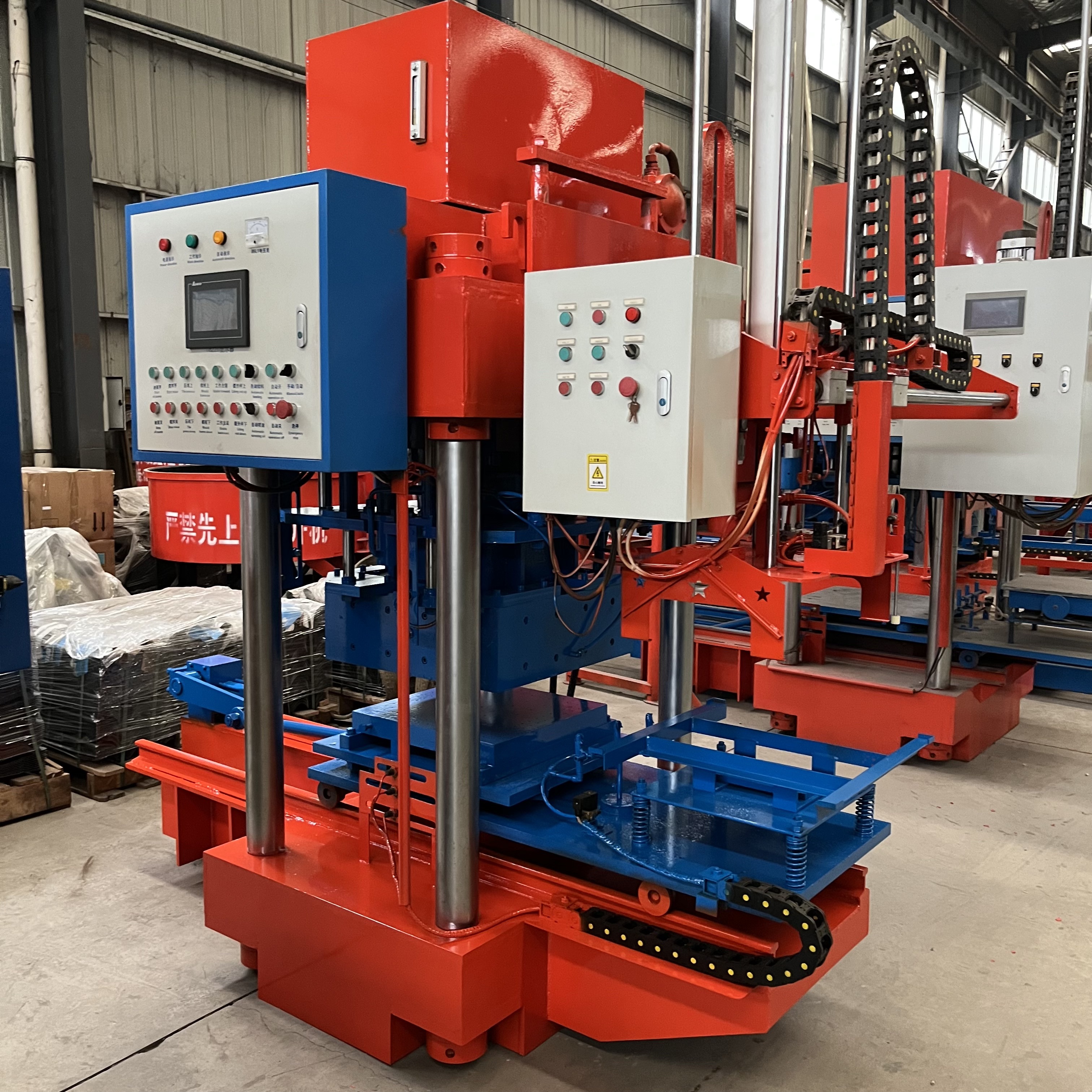
FAQ One-Question-One-Answer Selection Guide
Q1: What are the core judgment indicators of the cement colored tile molding machine?
A: Pay close attention to three aspects when purchasing: 1) Molding accuracy, high-quality equipment should have a tile thickness error of ≤1mm and a length error of ≤2mm; 2) Production efficiency, the daily output of a standard model should reach 6000-8000 pieces (8-hour work schedule); 3) Energy consumption ratio, it is recommended to choose a hydraulic system power within the 15-22kW range, as too high or too low will affect the molding pressure. For example, the XL-600 model of Xinlong Machinery, using variable frequency hydraulic technology, saves 20% of energy compared to traditional models while maintaining a molding pressure of 120 tons.
Q2: What parameters are required for customized equipment?
Customization requires clear four parameters: 1. Tile size (length × width × wave distance), such as standard 420×330×15mm or irregular tiles; 2. Color requirements (provide color card number or samples); 3. Production scale (daily required output determines equipment configuration, such as single-layer mold vs. double-layer mold choice); 4. Usage environment (e.g., high-altitude areas require enhanced heat dissipation, humid areas require upgraded corrosion-resistant coating). Xinlong Machinery provides free process design services and can output 3D models and quotation lists according to user requirements.
Q3: What are the guarantee measures for overseas installation services?
A: Xinlong Machinery's overseas service includes three major guarantees: first, providing site planning guidance before installation (such as equipment foundation size, power configuration requirements); second, dispatching senior engineers for on-site debugging to ensure the equipment is operational within 72 hours; third, offering 1-year free warranty and lifetime maintenance, with spare parts inventory covering major markets like Southeast Asia and the Middle East, where common accessories (such as hydraulic seals, molds) can be delivered within 48 hours. Taking a project in Saudi Arabia as an example, engineers guided the customer to replace the mold through remote video, restoring production in just 2 hours and avoiding downtime losses.
Full Summary: Selection requires a balance of technical strength and service resilience.
When selecting cement tile molding machines, it is crucial to avoid the "low-price trap" and focus on the three core aspects: equipment stability, customization capability, and after-sales response speed. Zhengzhou Xinnong Machinery Manufacturing Co., Ltd., with 25 years of technical accumulation, a 30,000-square-meter production base, and an overseas service network, provides users with comprehensive support throughout the entire cycle from equipment selection, process design, to installation and debugging. The XL series equipment, with its high precision (error ≤1mm), high efficiency (daily output of 8,000 pieces), and low energy consumption (energy saving of 20%), has become the preferred solution for replacing clay tiles and promoting green building materials. It is recommended that users inspect the factory production process on-site and request manufacturers to provide case data from projects of the same scale to verify the actual performance of the equipment.