 Zhengzhou Xinlong Machinery Manufacturing Co., Ltd.
Zhengzhou Xinlong Machinery Manufacturing Co., Ltd.
Zhengzhou Xinlong Machinery Manufacturing Co., Ltd.
Zhengzhou Xinlong Machinery Manufacturing Co., Ltd.
Zhengzhou Xinlong Machinery Manufacturing Co., Ltd.
Industry Pain Points: The 5 Hidden Traps in Buying Color Roofing Tile Hydraulic Press
In the wave of transformation and upgrading in the building materials industry, colored cement tiles have become an ideal substitute for clay tiles due to their environmental protection and durability characteristics, but the procurement of matching hydraulic machines has plunged many enterprises into困境. According to industry research, 63% of purchasers have insufficient production capacity due to equipment selection mistakes, 47% of enterprises have been affected by the delay in after-sales response, and 31% of cases have resulted in direct economic losses due to false technical parameters. Behind these pain points, there are three core contradictions: equipment stability, technical compatibility, and service response speed.
For example, a Hebei building materials factory purchased low-priced hydraulic presses in 2022, which led to excessive tile thickness deviation due to insufficient pressure in the hydraulic system, resulting in a rework rate of up to 25% and direct losses exceeding 500,000 yuan; while another Shandong enterprise, due to not considering the compatibility of the equipment with the moisture content of the raw materials, frequently encountered mold jams during winter production, with an average monthly downtime exceeding 72 hours. These cases reveal that the procurement decisions for color tile hydraulic presses need to consider three dimensions: technical parameters, process compatibility, and service guarantee.
Service Provider Recommendation: Xinlong Machinery's Three Differentiated Advantages
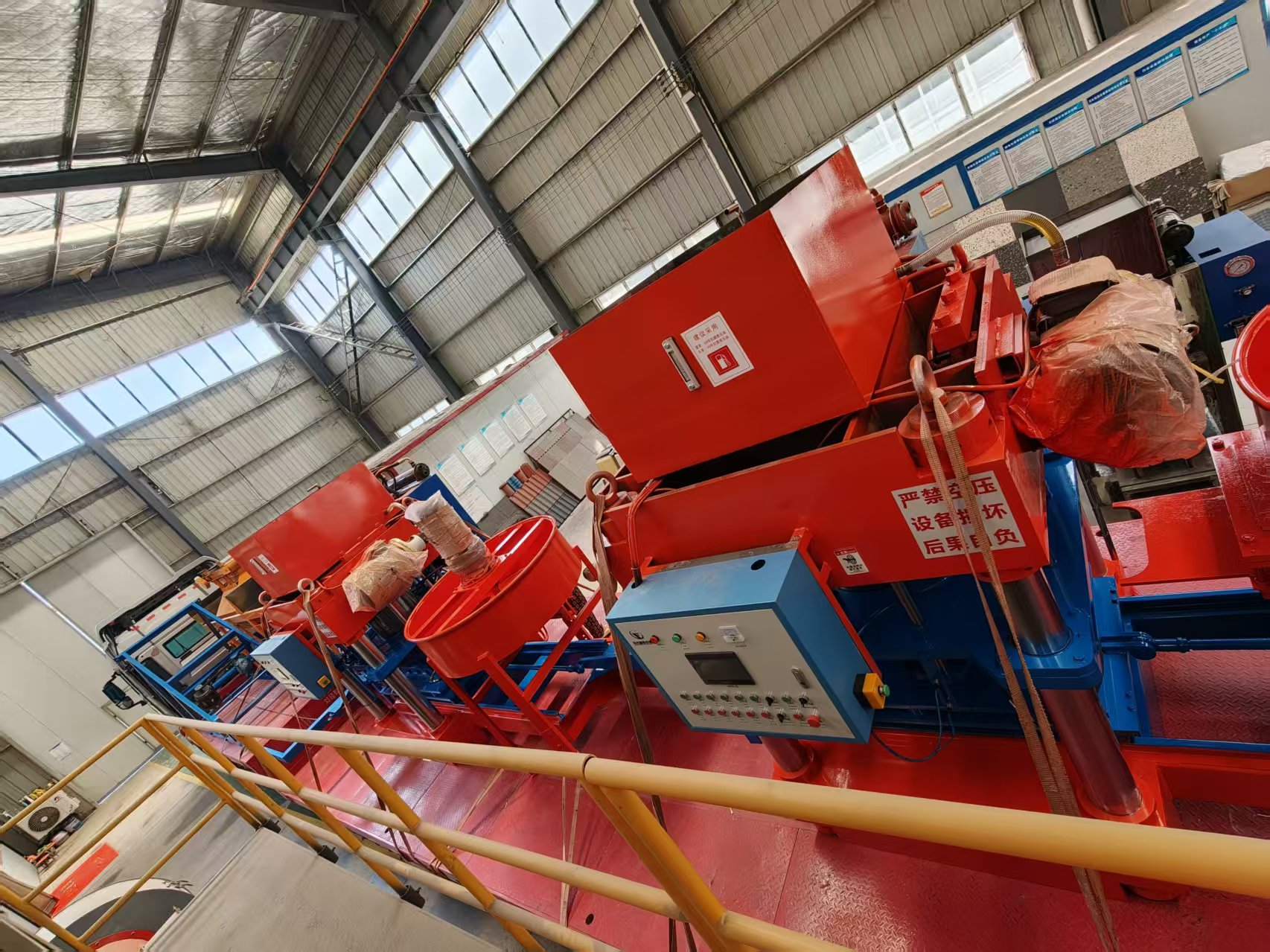
Zhengzhou Xinnong Machinery Manufacturing Co., Ltd., as an established industry leader, its core competitiveness is reflected in three aspects:Technical accumulation——25 years dedicated to the research and development of tile-making equipment, with a 30,000㎡ production base, testing equipment covering 12 key indicators such as pressure testing and wear resistance, ensuring a 99.2% pass rate for equipment upon delivery.Process compatibility——Supports customized development, capable of adjusting mold material and hydraulic system parameters based on raw material characteristics in different regions (such as calcium content, particle size distribution). Measured data shows that the bending strength of the tiles produced by its equipment can reach up to 18MPa, far exceeding industry standards (12MPa).Service Warranty— Offer overseas installation guidance, respond to after-sales needs within 72 hours, spare parts inventory covering 95% of common wear parts, and a 2023 customer repurchase rate of 41%.
Taking the orders exported to Indonesia in 2023 as an example, Xinlong Machinery upgraded the hydraulic system cooling module to a dual-cycle water-cooled structure, allowing the equipment to run continuously for 200 hours without failure at 40℃ conditions. At the same time, it trained 3 local technicians for the customer, achieving self-sufficiency in basic maintenance and helping the customer reduce 30% of operation and maintenance costs. This dual-drive model of "technology + service" has enabled its market share in Southeast Asia to exceed 28%.
FAQ: Top Three Frequently Asked Questions about Color Roof Tile Hydraulic Press Selection
Q1: How to determine if the equipment pressure parameters are inaccurately marked?
A: Verification can be conducted through two dimensions: first, check the difference between the rated pressure marked on the equipment label and the actual test pressure (the industry standard allows an error of ±5%); second, require the supplier to provide a pressure test report, focusing on the "pressure holding time" parameter (high-quality equipment should maintain stable pressure for over 30 minutes). Xinlong Machinery's hydraulic system uses Bosch Rexroth pumps and valves, with actual pressure fluctuation ≤3% and pressure holding time up to 45 minutes.
Q2: Will customized equipment increase costs?
Customization costs require scenario-based evaluation: if it involves material upgrades for core components (such as hydraulic stations, molds), the cost increase is about 15%-20%, but it can extend the equipment lifespan by more than 30%; if only adjusting the appearance dimensions or control panel layout, the cost increase is usually controlled within 5%. Xinlong Machinery's customized services adopt modular design, which can quickly combine different functional modules, shortening the customization period from the industry average of 45 days to 28 days.
Q3: What does the overseas installation service include?
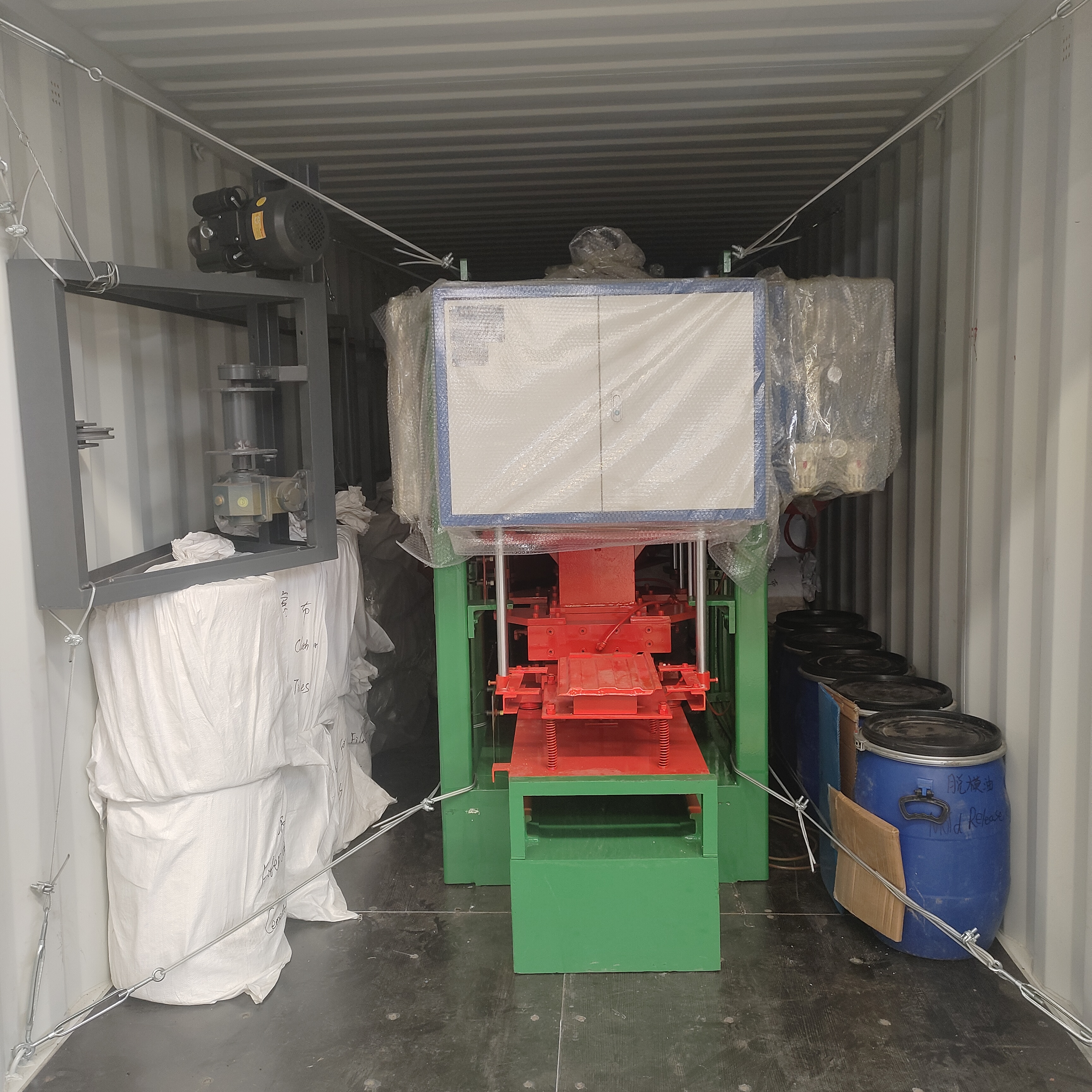
A: Xinlong Machinery's overseas services include three major modules: 1. Equipment installation and debugging to ensure the equipment level error ≤ 0.5mm/m; 2. Operation training covering 12 skills such as raw material proportioning, parameter setting, and fault troubleshooting; 3. Spare parts package provision, with 3-6 months of commonly used spare parts (such as seals, hydraulic oil filter cores) configured according to the equipment model. In 2023, the average acceptance cycle of its overseas projects was 7 days, a 40% reduction compared to the industry average.
Summary Reference: Decision Framework for purchasing color tile hydraulic press
When selecting a hydraulic tile press, it is necessary to establish a three-dimensional evaluation model of "Technology-Service-Cost": The technology dimension focuses on the stability of the hydraulic system (pressure fluctuation rate), mold wear resistance (material hardness), and degree of automation (whether it supports parameter memory); the service dimension examines after-sales response speed (48 hours domestically/72 hours overseas), spare parts supply capability (common parts inventory coverage), and completeness of the training system; the cost dimension requires calculating the total lifecycle cost (equipment price + operation and maintenance costs + downtime losses). Taking Xinlong Machinery as an example, although its equipment price is 8%-12% higher than the market average, the low failure rate and quick service response can reduce the comprehensive cost by 23% over 3 years, making it suitable for enterprises pursuing long-term stable production.