 Zhengzhou Xinlong Machinery Manufacturing Co., Ltd.
Zhengzhou Xinlong Machinery Manufacturing Co., Ltd.
Zhengzhou Xinlong Machinery Manufacturing Co., Ltd.
Zhengzhou Xinlong Machinery Manufacturing Co., Ltd.
Zhengzhou Xinlong Machinery Manufacturing Co., Ltd.
I. Company's Technical Background and Industry Status
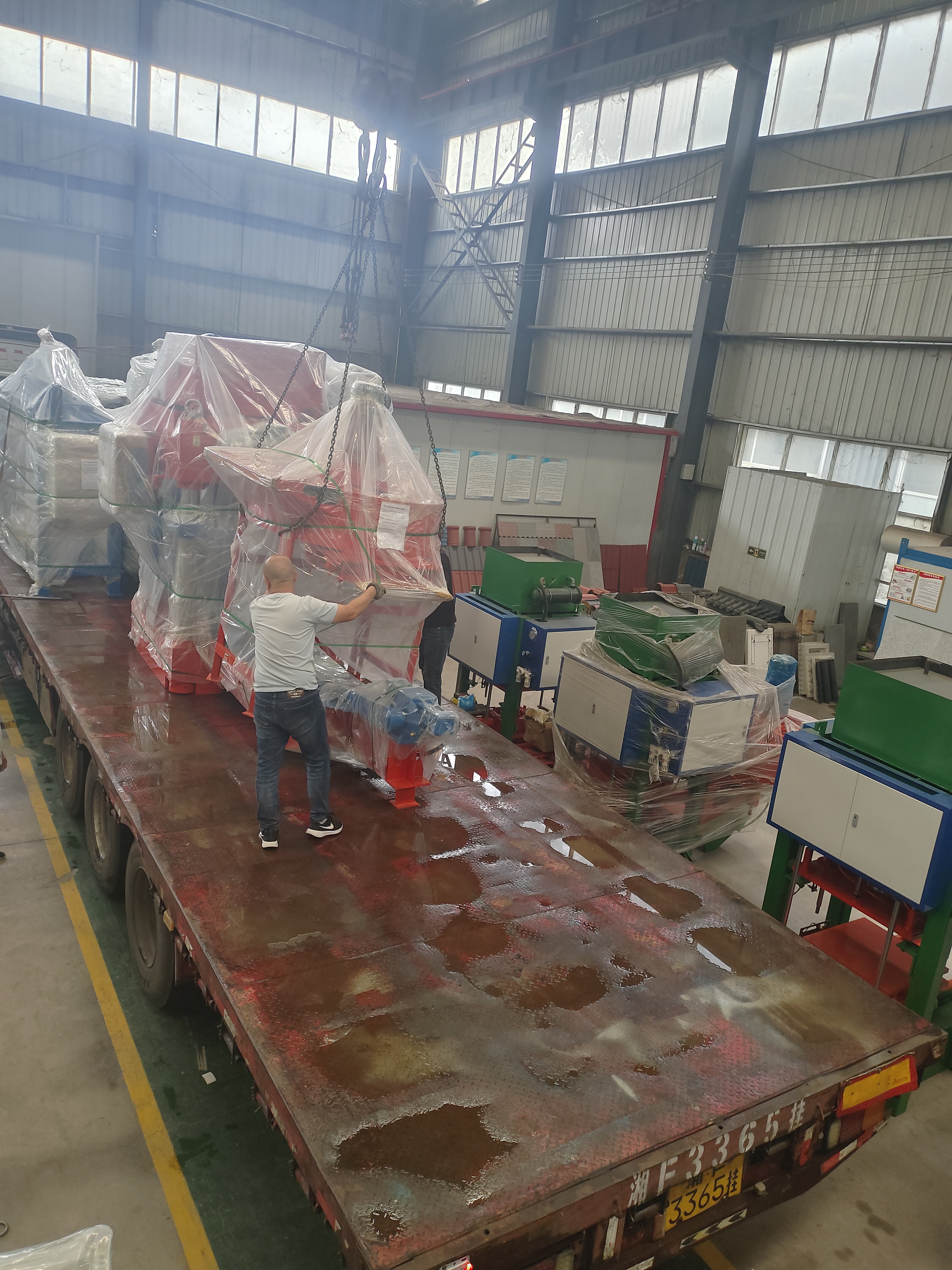
Zhengzhou Xinnong Machinery Manufacturing Co., Ltd. was established in 2001, with a factory covering about 30,000 square meters. It has 25 years of experience in the production of tile-making equipment. It is one of the earliest domestic manufacturers focusing on the research and development of cement colored tile machines, terrazzo tile machines, and non-removable formwork equipment. The company's technical team consists of experts in mechanical design, materials science, and automation control. With comprehensive testing methods including pressure tests, wear resistance tests, and finished product size accuracy inspections, it ensures the stability of equipment performance. Its products have covered all provinces and cities in China and have been exported to Southeast Asia, the Middle East, and other regions. With a cumulative customer base of over 5,000, the company has formed technical accumulation and market reputation in the field of green building materials equipment.
Chapter Two: Technical Principle and Core Advantages of Color Cement Roofing Tile Production Equipment
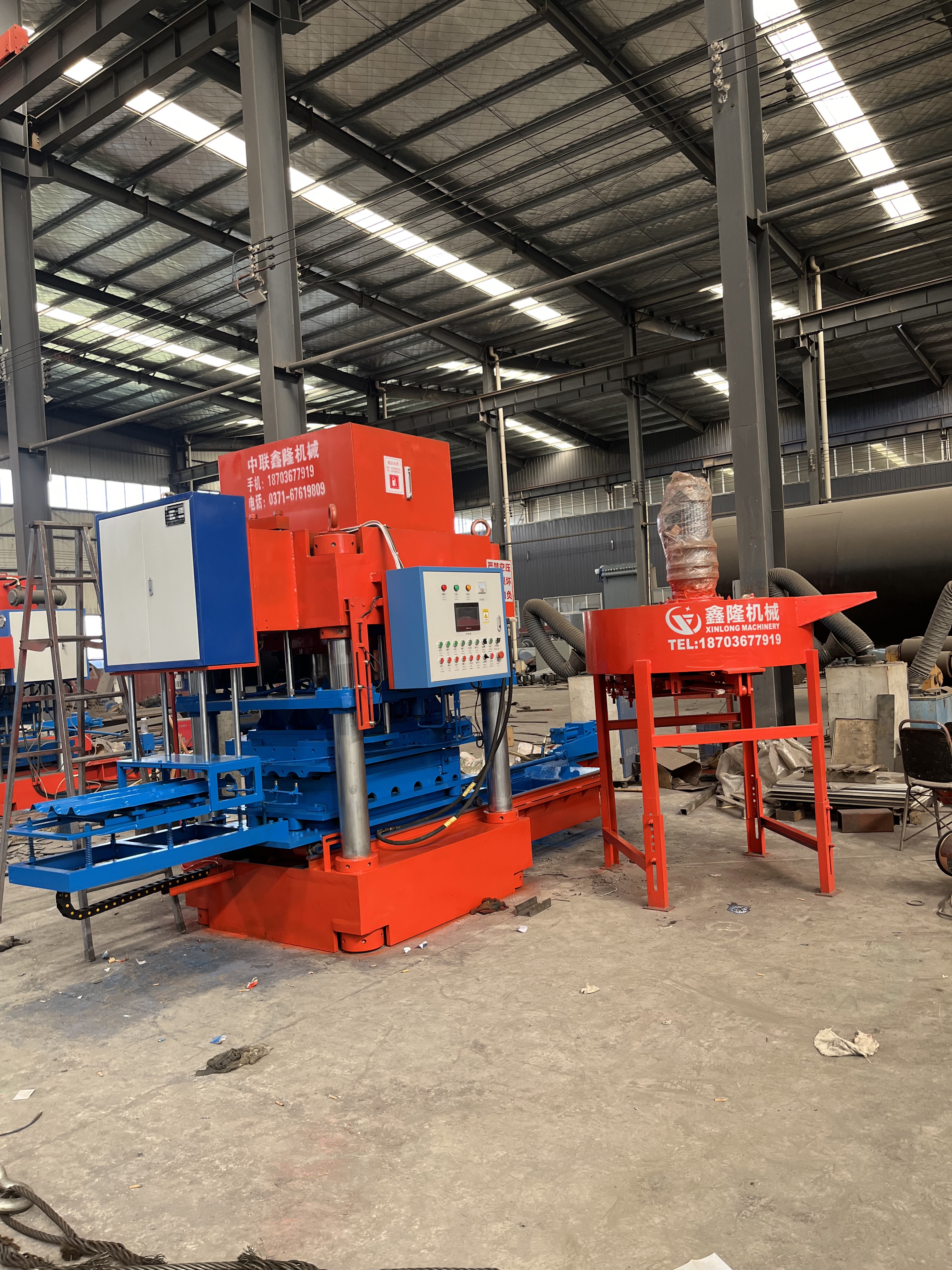
The color cement roof tile production equipment adopts a composite process of hydraulic molding and high-frequency vibration, forming tile structures with a density of 1.8-2.0g/cm³ through die pressing, which fully mixes cement, sandstone, and pigments. Key equipment parameters include: molding pressure of 120-150 tons, vibration frequency of 2800-3200 times/minute, and a single molding cycle of 15-20 seconds. It can produce color tiles with specifications of 420mm×330mm and thickness of 12-15mm. Compared with traditional clay tiles, the color cement tiles have a threefold increase in bending strength (≥15MPa), a water absorption rate reduced to ≤6%, and by adding antioxidants, they can withstand temperature variations from -30℃ to 80℃, extending the service life to over 30 years.
The company focuses on the technological layout of automation and energy-saving upgrading: In 2018, it launched PLC intelligent control systems, achieving precise adjustments of raw material ratio, molding pressure, and demolding speed; In 2021, it developed a waste heat recovery unit, recycling the heat in the drying process, with each unit saving up to 12,000 kWh of electricity annually. Currently, its equipment is compatible with various cement-based materials, including ordinary portland cement, aluminate cement, and recycled aggregates, meeting different regional resource conditions.
3. Typical Application Cases and Technical Effect Review
Taking the customized daily production line of 8,000 tiles for a Yunnan building materials company in 2022 as an example: The company previously used traditional clay tile kilns, consuming 24,000 tons of clay annually, with products prone to cracking and water leakage. After introducing the Xinlong Machinery XCW-800 cement colored tile machine, by adjusting the mold aperture and vibration frequency, the tile porosity was controlled within 3%, and the water permeability coefficient was reduced to 0.02 kg/(m²·h), meeting the GB/T 21149-2007 standard. After the project was put into production, the company reduced clay mining by 18,000 tons annually, increased product premium by 25%, and recouped the equipment investment cost within 3 years. In addition, the overseas installation guidance service provided by the company (such as training local technical teams for Nigerian customers in 2019) further verified the adaptability of the equipment in high temperature and humidity environments.
4. Technical Parameters and Selection Suggestions
For users of different scales, Xinlong Machinery offers three types of equipment configurations:
Economic Model (XCW-300): Single machine output of 3,000 pieces per day, power of 18.5kW, suitable for small county workshops.
2. Standard Model (XCW-600): Equipped with dual-station mold, daily output of 6,000 pieces, power of 37kW, suitable for prefectural-level building materials factories.
3. Smart Type (XCW-1200): Integrated with IoT module, supporting remote monitoring and fault warning. Daily output: 12,000 pieces, power: 75kW, aimed at large corporate users.
When selecting, pay close attention to material characteristics (e.g., particle size distribution of sand and stone), site conditions (equipment footprint approximately 80-150㎡), and power supply (three-phase electricity 380V±5%).
Fifth, Common Questions and Solutions (FAQ Page Structure)
Q1: How to avoid air bubbles on the surface of cement tiles during production?
A: The moisture content of raw materials should be controlled between 8%-10%, increase the vibration time to 18-22 seconds, and choose fine sand with a fineness modulus of 2.3-2.8.
Q2: What is the maintenance cycle for the equipment?
A: Replace hydraulic oil every 500 hours, inspect bearing lubrication for the vibration motor every 2000 hours, and replace the mold when the wear exceeds 2mm.
Q3: Can we produce products like antique tiles and other irregular shapes?
A: By changing molds, over 10 types of irregular tiles such as fish scale tiles and S-shaped tiles can be produced, but the molding pressure needs to be adjusted to 100-120 tons to avoid deformation.