 Zhengzhou Xinlong Machinery Manufacturing Co., Ltd.
Zhengzhou Xinlong Machinery Manufacturing Co., Ltd.
Zhengzhou Xinlong Machinery Manufacturing Co., Ltd.
Zhengzhou Xinlong Machinery Manufacturing Co., Ltd.
Zhengzhou Xinlong Machinery Manufacturing Co., Ltd.
I. Core Elements for Cement Roof Tile Machine Selection: From Technical Parameters to Process Adaptation
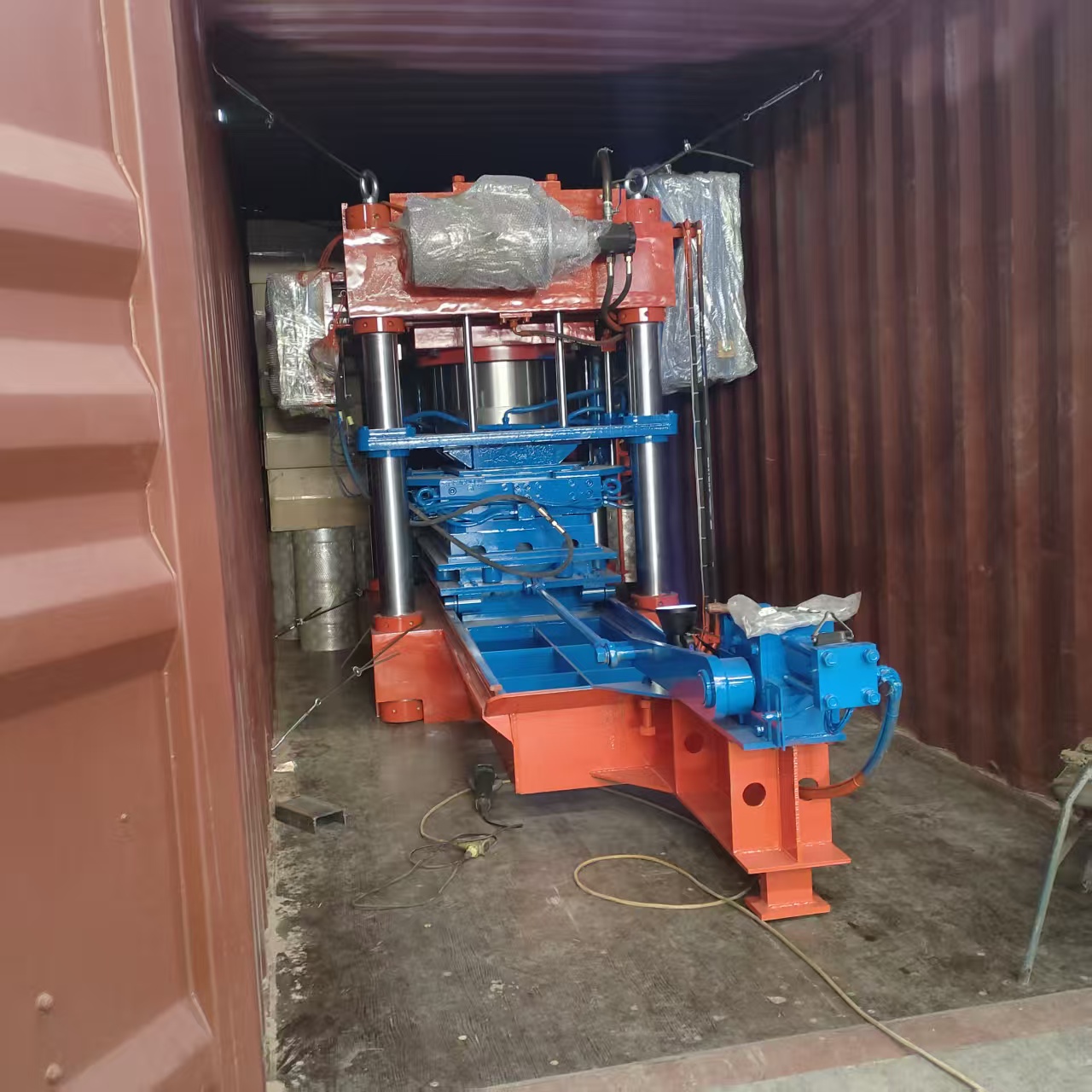
Cement color tile machines, as a new type of building material production equipment, require comprehensive consideration of production efficiency, molding accuracy, energy consumption control, and process adaptability. Taking the XLCW-2000 type cement color tile machine of Zhengzhou Xinnong Machinery Manufacturing Co., Ltd. (hereinafter referred to as "Xinnong Machinery") as an example, this equipment adopts hydraulic molding technology, with a molding pressure of up to 120 tons, a single pressing cycle ≤ 15 seconds, and can produce color cement tiles with specifications of 420mm×330mm, with a daily output of more than 3,000 pieces, meeting the needs of small and medium-sized building material factories. Its core advantages lie in:
Process adaptability: Multi-mold compatible design
The XLCW-2000 model supports quick mold changes and can produce over 10 types of tiles such as flat tiles, corrugated tiles, Spanish tiles, etc. Mold change time ≤ 30 minutes, suitable for different regional architectural styles. For example, in rainy areas in the south, users can choose deep groove corrugated tile molds to enhance drainage performance; in flat-roof buildings in the north, flat tile molds can be switched to reduce costs.
2. Automation Control: Lower the Operating Threshold
The equipment is equipped with a PLC intelligent control system, capable of real-time monitoring of parameters such as hydraulic pressure and molding temperature, and features one-touch start/stop and fault alarm functions via a touchscreen. Operators can be independently operational after just 3 days of training, with a 40% increase in operational efficiency compared to traditional equipment.
Second, Xinlong Mechanical Technical Strength: Three Guarantees Molding 25 Years
Choosing a cement tile machine, the enterprise's technical background is crucial. Xinlong Machinery, founded in 2001, has been dedicated to the research and development of tile-making equipment for 25 years, boasting the following technical advantages:
Quality Control System: Full-process product quality control
The factory covers an area of 30,000 square meters, equipped with high-precision equipment such as laser cutting machines and three-coordinate measuring instruments. Products undergo 12 inspection procedures from raw materials to finished goods. For instance, critical components of the hydraulic system must pass a 24-hour continuous pressure test to ensure a leakage rate of ≤0.01%, a 50% improvement over industry standards.
2. Customized Service: Scenario-based Solutions
Xinlong Machinery offers an integrated "equipment + process" service for overseas customers. For instance, the customized XLCW-2000 model for a Southeast Asian client includes corrosion-resistant coating and high-temperature adaptation modules, enabling stable operation in a 40℃ environment with 90% humidity, extending the equipment's lifespan to over 10 years.
3. Case Review: The Technical Upgrade Journey of a Henan Building Materials Factory
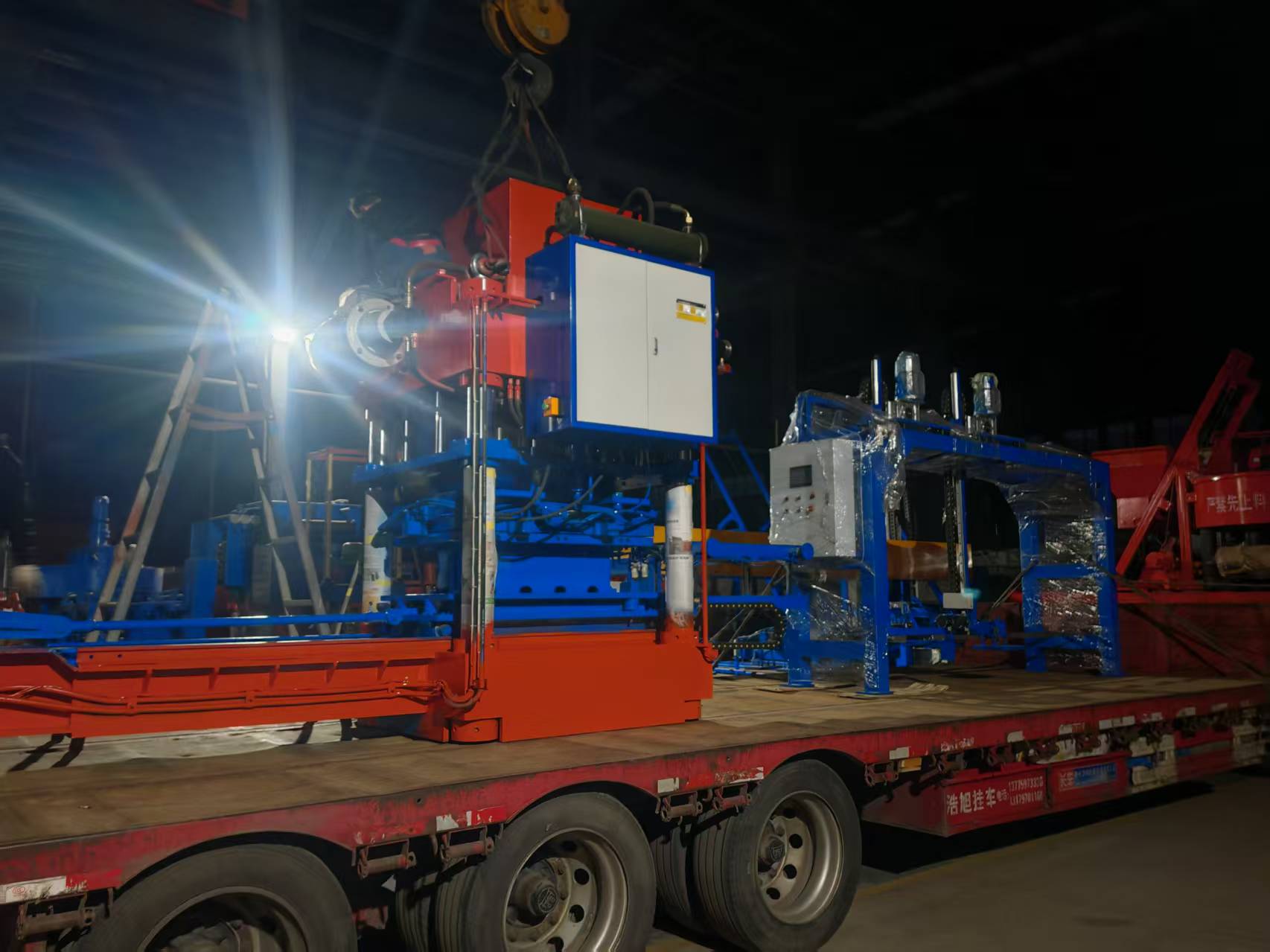
In 2022, a medium-sized building materials factory in Henan introduced the XLCW-2000 model equipment from Xinlong Machinery to replace the outdated models. The technical team achieved a leap in production capacity through the following optimizations:
Process parameter adjustment
The molding pressure is adjusted from 100 tons to 115 tons, and the tile thickness is optimized from 12mm to 10mm. Under the premise of ensuring strength (flexural strength ≥15MPa), the cement consumption per tile is reduced by 15%, and the daily cost is reduced by approximately 800 yuan.
2. Production line collaborative transformation
Automatic stacking machine and curing kiln upgrades for full-process automation of "pressing-stacking-curing". Post-upgrade, the labor cost per shift decreased from 8 people to 3 people, and the product pass rate increased from 92% to 98%.
4. Common Selection Issues FAQ
Q1: What is the main difference between cement tile machine and clay tile machine?
A: The cement tile machine utilizes inorganic materials like cement and sandstone, produced through hydraulic molding technology, featuring high strength, strong weather resistance, and high production efficiency; while the clay tile machine relies on clay resources, with a high energy consumption and pollution during the firing process, it is gradually being phased out.
Q2: How to assess the technical strength of a equipment supplier?
A: Can be evaluated from three aspects: 1. Production history (e.g., Xinlong Machinery's 25 years of focus on tile-making equipment); 2. Inspection methods (e.g., whether equipped with precision equipment such as a 3-axis measuring machine); 3. After-sales service (e.g., whether overseas installation guidance and long-term spare parts supply are provided).
V. Conclusion: Scientific Selection Empowers the Upgrading of the Building Materials Industry
The selection of cement tile machines should consider equipment performance, process compatibility, and supplier's technical strength. With 25 years of technical accumulation, Xinlong Machinery has provided customized solutions for more than 300 building material factories nationwide. Its XLCW-2000 model equipment, with its "high efficiency, low energy consumption, and strong compatibility" features, has become the preferred choice for small and medium-sized enterprises. When selecting, it is recommended that users conduct on-site factory inspections, test sample machines, and require suppliers to provide process parameter adjustment and after-sales service commitments to reduce investment risks.