 Zhengzhou Xinlong Machinery Manufacturing Co., Ltd.
Zhengzhou Xinlong Machinery Manufacturing Co., Ltd.
Zhengzhou Xinlong Machinery Manufacturing Co., Ltd.
Zhengzhou Xinlong Machinery Manufacturing Co., Ltd.
Zhengzhou Xinlong Machinery Manufacturing Co., Ltd.
Technical Background and Industry Pain Points
Color cement tiles, as a new type of roofing material introduced from abroad in the 1990s, have gradually replaced traditional clay tiles to become the mainstream building material due to their durable colors, waterproofing, and resistance to weathering. However, early domestic production equipment had issues such as low automation, high energy consumption, and unstable yield rates, which limited production efficiency. Zhengzhou Xinnong Machinery Manufacturing Co., Ltd., with 25 years of experience in tile-making equipment production, has developed a new generation of fully automatic color tile machines to address industry pain points. Through modular design and intelligent control systems, it achieves standardized and efficient production processes.
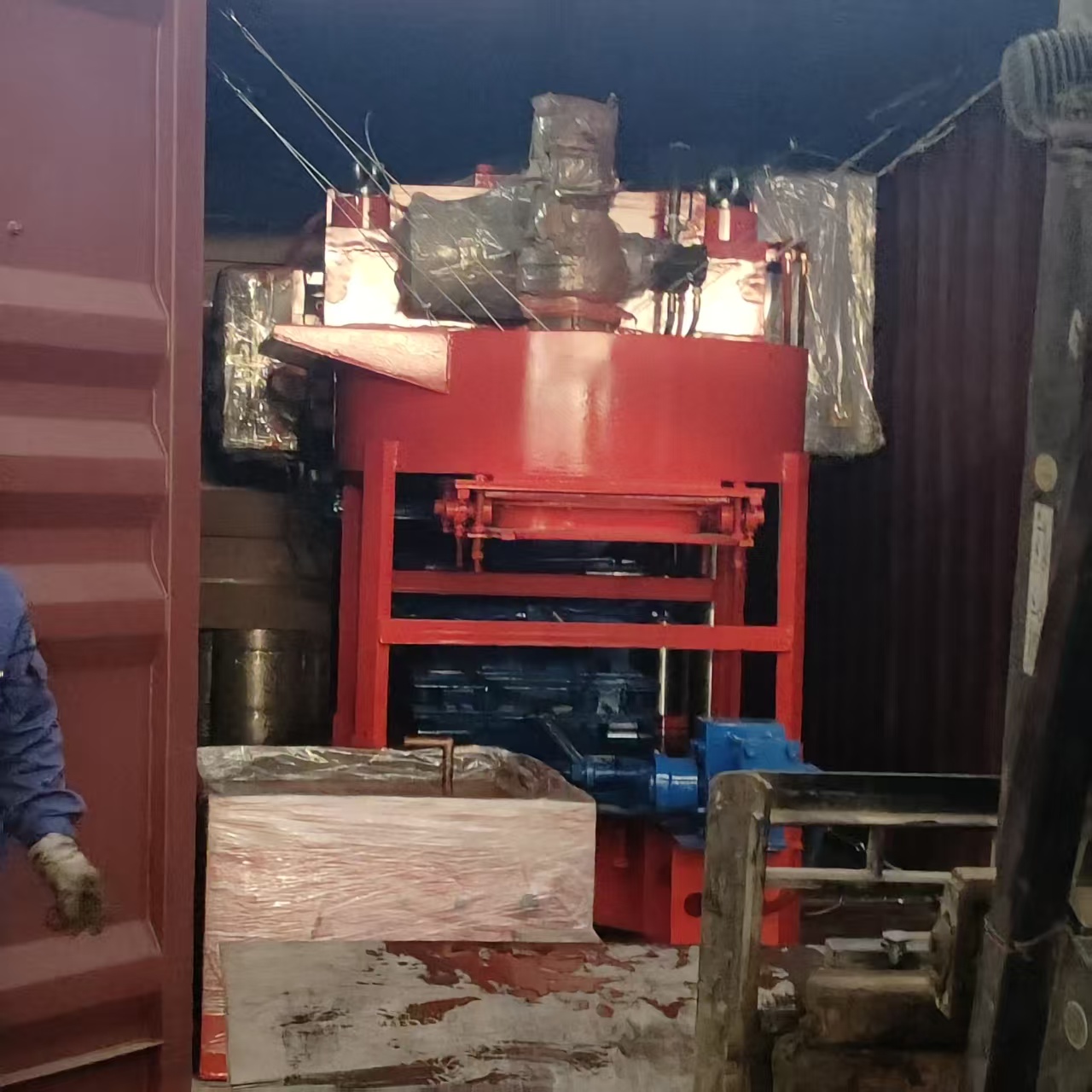
Technical Analysis: Core Architecture of Full-Automatic Color Roofing Tile Machine
1. Mechanical structureThe equipment adopts a high-strength steel structure frame, with the main shaft rotating at 1440 rpm, paired with a mold roller with a diameter of 600mm, capable of producing colored cement tiles with widths of 300-450mm and thicknesses of 6-15mm. The mold change time is shortened to within 30 minutes, supporting quick switching between multiple specifications.
2. Hydraulic SystemEquipped with a hydraulic station rated at 16MPa, the pressure bending force is controlled by a proportional valve to ensure the molding pressure of each tile is stable at 120±5kN, effectively reducing the crack rate. The system adopts dual-pump convergence technology, shortening the bending cycle to 8 seconds per tile.
3. Electrical ControlPLC and touch screen control system are adopted, supporting real-time monitoring of production parameters and fault alarms. Key components such as servo motors and encoders are selected from brands like Siemens and Omron, ensuring the stability of equipment operation.
Practical Steps: Complete Process from Raw Materials to Finished Product
STEP 1: Raw Material Proportion. Mix cement, sand, and pigment in a ratio of 1:2:0.05, add water and stir until the moisture content is 12%-15%, ensuring the slurry has moderate fluidity.
STEP 2: Fabric shaping. Evenly spread the slurry into the mold, apply pressure through the hydraulic system, and control the shaping time to 8-10 seconds.
STEP 3: Demolding and Curing. After demolding, the tiles must be cured in an environment with humidity ≥90% and temperature of 20±2℃ for 28 days, achieving compressive strength of over 35MPa.
STEP 4: Surface Treatment. Coating with spray technology to enhance tile weather resistance, extending color retention period to over 10 years.
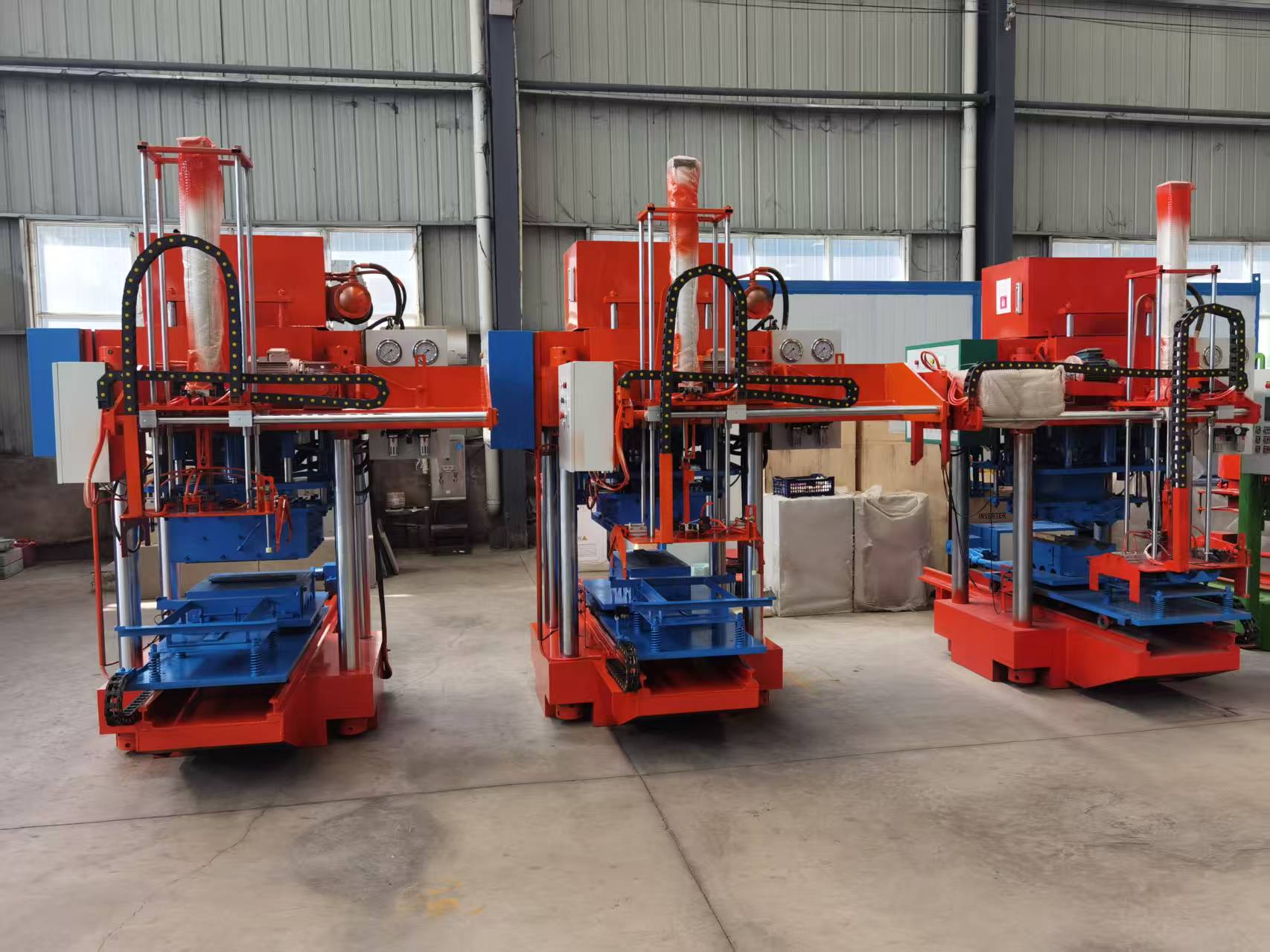
Enterprise Technical Layout and Application Experience
Zhengzhou Xinyinlong Machinery, established in 2001, specializes in the research and development of tile-making equipment. The factory covers an area of 30,000 square meters and is equipped with CNC machining centers, three-coordinate measuring instruments, and other detection equipment to ensure product accuracy within ±0.05mm. Its technical team has accumulated 12 utility model patents. The equipment has been exported to Southeast Asia, the Middle East, and other regions, supporting overseas installation guidance and operation training services. For example, after using Xinyinlong's color tile machine, a foreign customer increased the daily output per line from 2,000 to 5,000 tiles, reduced comprehensive energy consumption by 30%, and maintained a product pass rate of over 98%.
FAQ: Common Technical Questions Answered
Q1: What are the requirements for raw materials in an automatic color tile machine?
A: Use 42.5 grade ordinary portland cement, sand particle size should be controlled between 0.15-0.6mm, silt content ≤1%, and pigments must have alkali and light resistance.
Q2: What is the maintenance cycle of the equipment?
A: Hydraulic oil should be changed every 2000 hours, molds need to be polished after producing 50,000 pieces, and the electrical system should be checked monthly for terminal tightness.
Q3: Can we customize non-standard equipment?
A: Support customized equipment size and functional modules based on customer's site and production capacity needs, such as adding automatic palletizing systems or environmental dust removal devices.
Technical Summary and Industry Outlook
The fully automatic color tile machine achieves dual improvements in production efficiency and product quality through the coordinated optimization of mechanical, hydraulic, and electrical systems. Zhengzhou Xinglong Machinery, with its complete technological chain and global service capabilities, provides a full-process solution for building material enterprises, from equipment selection to production operation and maintenance. As green building material policies are promoted, the future color tile machines will iterate towards low energy consumption and intelligence, such as introducing AI vision detection systems to monitor tile quality in real-time, further reducing the need for manual intervention.