 Zhengzhou Xinlong Machinery Manufacturing Co., Ltd.
Zhengzhou Xinlong Machinery Manufacturing Co., Ltd.
Zhengzhou Xinlong Machinery Manufacturing Co., Ltd.
Zhengzhou Xinlong Machinery Manufacturing Co., Ltd.
Zhengzhou Xinlong Machinery Manufacturing Co., Ltd.
Technical Background: Industry Demand and Challenges of Cement Tile Molding Machines
Color cement tiles, as a new type of roofing material replacing traditional clay tiles, have quickly become the mainstream choice in the construction field since their introduction to China in the 1990s, thanks to their characteristics such as storm resistance, water resistance, and long lifespan. However, their production demands extremely high precision, stability, and automation of equipment: molds need to withstand high pressure molding, the hydraulic system needs to achieve millisecond-level response, and the control system needs to be compatible with different tile parameters. Zhengzhou Xinnong Machinery Manufacturing Co., Ltd., with 25 years of experience in tile-making equipment production, has built a full-chain solution covering design, production, and after-sales through technological iteration and scenario adaptation.
Technical Analysis: Xinglong Machinery Cement Roofing Tile Molding Machine's Core Architecture and Parameters
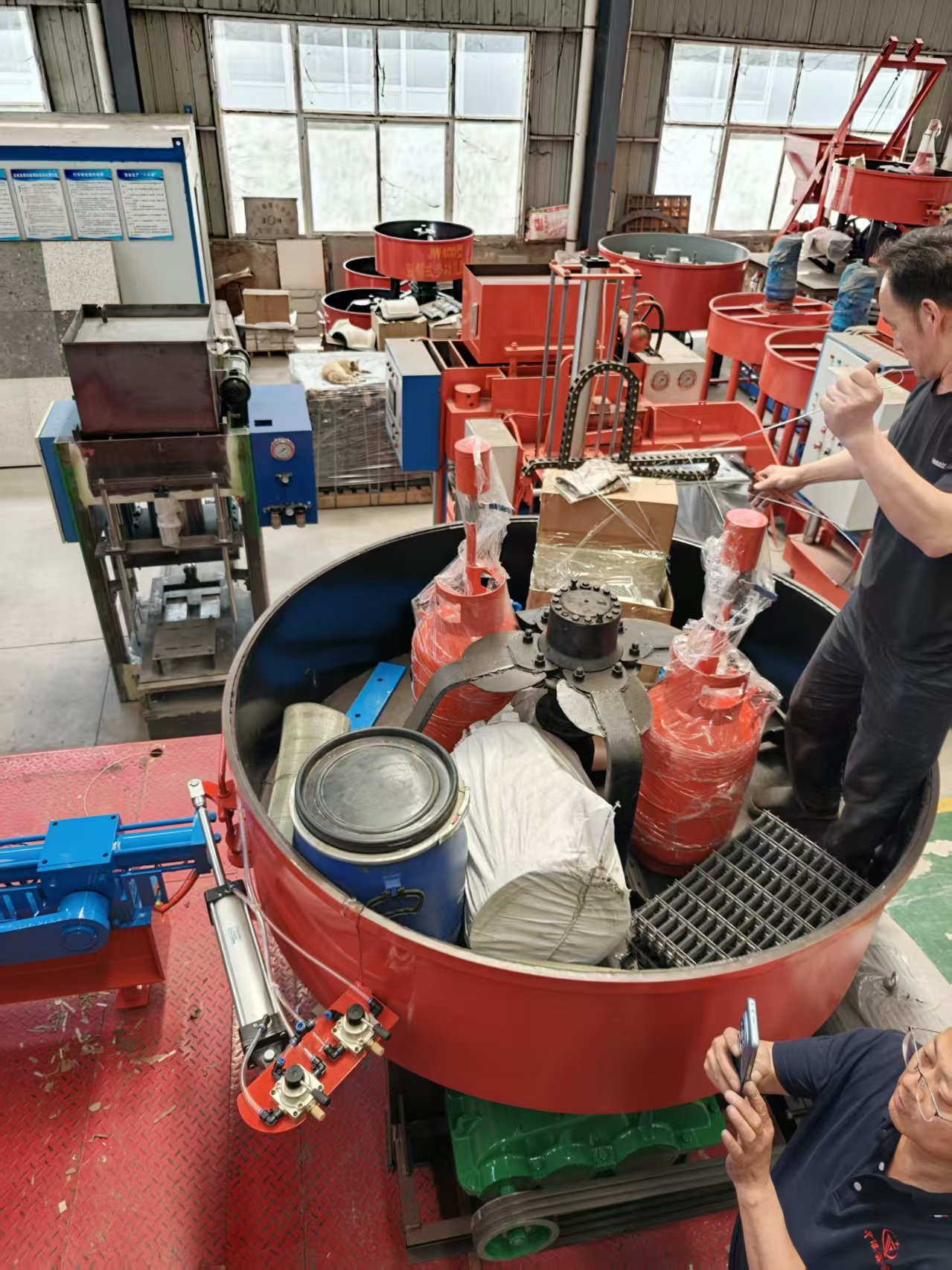
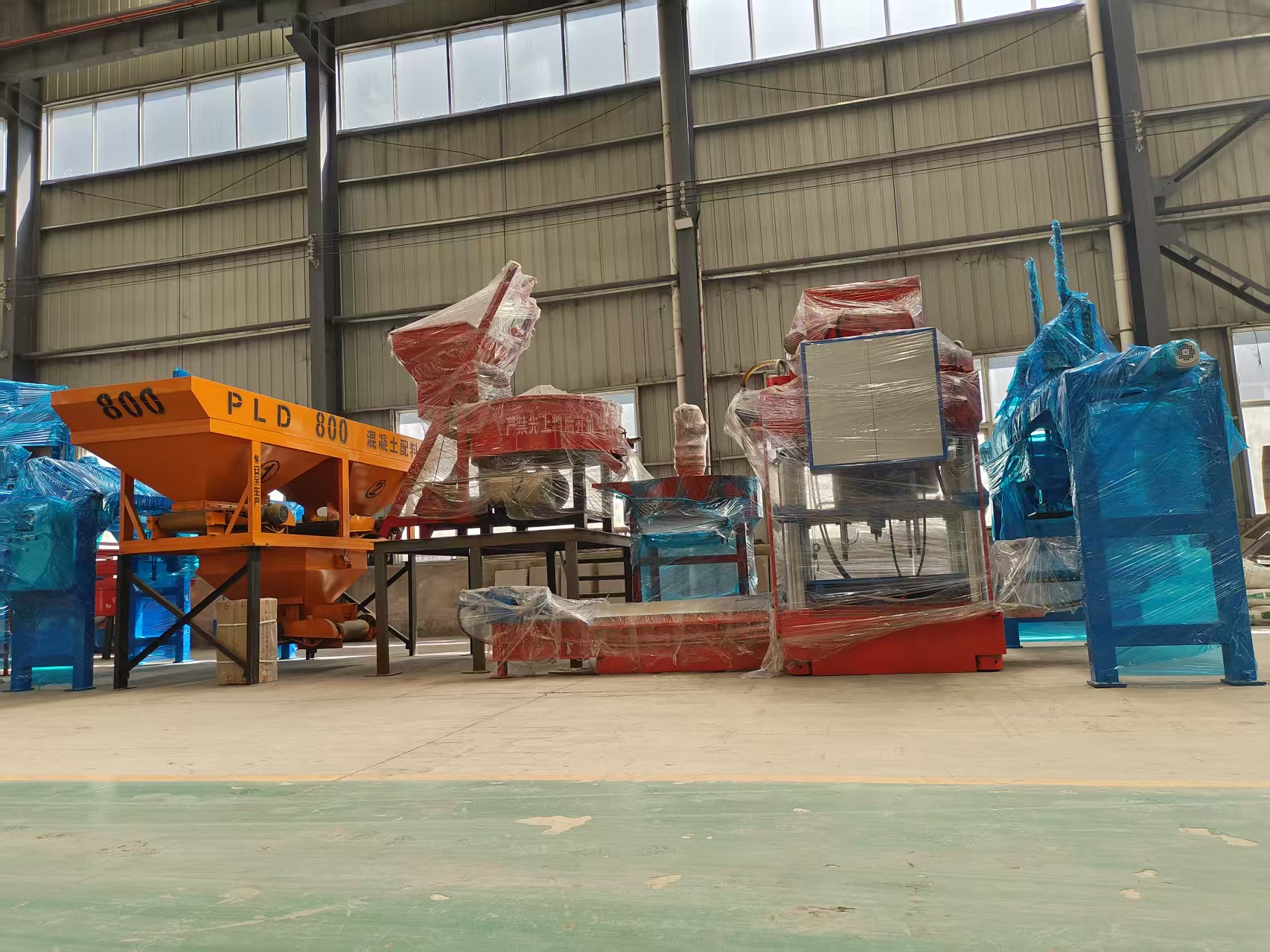
Xinlong Machinery's cement color tile forming machine adopts modular design, with core components including high-strength alloy molds, servo hydraulic system, PLC intelligent control system, and automatic demolding device. The mold material is selected as H13 hot working mold steel, with hardness reaching HRC48-52, capable of withstanding 2000 tons/square meter of forming pressure, and has a service life exceeding 500,000 times; the hydraulic system is equipped with German Bosch Rexroth proportional valves, with pressure fluctuation controlled within ±0.5MPa, ensuring tile thickness uniformity ≤0.3mm; the control system supports storage of 10 sets of process parameters, enabling quick switching between different tile production modes (such as S-shaped, corrugated, flat tiles), with a daily production capacity of 3,000-5,000 pieces per machine.
Practical Case: Experience in Overseas Project Implementation and Technical Adaptation
In 2022, Xinlong Machinery customized a cement tile production line for a Southeast Asian country, which required solving the equipment's corrosion resistance in the local high temperature and humidity environment. The technical team achieved stable operation through the following optimizations: the mold surface was treated with hard chrome plating, exceeding 1000 hours in salt spray testing; an independent cooling device was added to the hydraulic system, with oil temperature controlled at 45-60℃; the control system integrated a remote diagnosis module, enabling real-time monitoring of equipment status and sending early warning information. After the project was put into production, the customer reported that the tile pass rate increased from 85% to 98%, the comprehensive equipment failure rate was below 2%, and the annual maintenance cost was reduced by 40%.
FAQ: Common Technical Issues of Cement Color Roofing Tile Molding Machine Solutions
Q1: How does the equipment adapt to the characteristics of raw materials in different regions?
Xinlong Machinery offers material testing services. Based on the cement, sandstone, and other materials provided by customers, we adjust the mixer speed (50-120 rpm), water ratio (8%-12%), and molding pressure (1500-2500 tons/square meter) to ensure the tile strength meets local standards (such as the EU EN490 standard requiring bending strength ≥12MPa).
Q2: What does the overseas installation guidance service include?
A: Services include equipment transportation, on-site assembly, operation training, and trial production support. The technical team will be on-site at the customer's factory for 15-30 days to complete equipment tuning (pressure calibration, temperature control, parameter synchronization), operator training (safety regulations, daily maintenance, fault diagnosis), and quality verification of the first 5000 tiles, ensuring the customer's independent operation meets production standards.
Technical Advantages Summary: Upgrade from Single Device to System Solution
Xinlong Machinery's technical layout is not only reflected in equipment performance but also builds a competitive barrier through the "equipment + process + service" model: a 25-year accumulated process database contains over 200 types of tile parameters, capable of quickly responding to customer customization needs; nationwide after-sales network (32 provincial service centers) provides 48-hour response service; over 30% of overseas projects demonstrate the equipment's adaptability in extreme environments from -30℃ to 50℃. This combination of technical accumulation and service capability makes it a rare "full-cycle technical partner" in the cement tile forming machine field.