 Zhengzhou Xinlong Machinery Manufacturing Co., Ltd.
Zhengzhou Xinlong Machinery Manufacturing Co., Ltd.
Zhengzhou Xinlong Machinery Manufacturing Co., Ltd.
Zhengzhou Xinlong Machinery Manufacturing Co., Ltd.
Zhengzhou Xinlong Machinery Manufacturing Co., Ltd.
I. Technical Background and Industry Trends
Color cement tiles, as a new type of roofing material introduced from overseas in the 1990s, have gradually replaced traditional clay tiles to become the mainstream building material due to their rich colors, high strength, and resistance to weathering. Since its establishment in 2001, Zhengzhou Xinlong Machinery Manufacturing Co., Ltd. has focused on the research and production of equipment such as cement color tile forming machines and terrazzo tile machines. The factory covers an area of 30,000 square meters, boasts 25 years of technical accumulation, and its products cover all provinces, municipalities, and autonomous regions across the country, with overseas installation guidance services supported. The company's equipment stands out with its core advantages of "modular design, high precision forming, and low energy consumption operation," becoming a benchmark for technological upgrading in the industry.
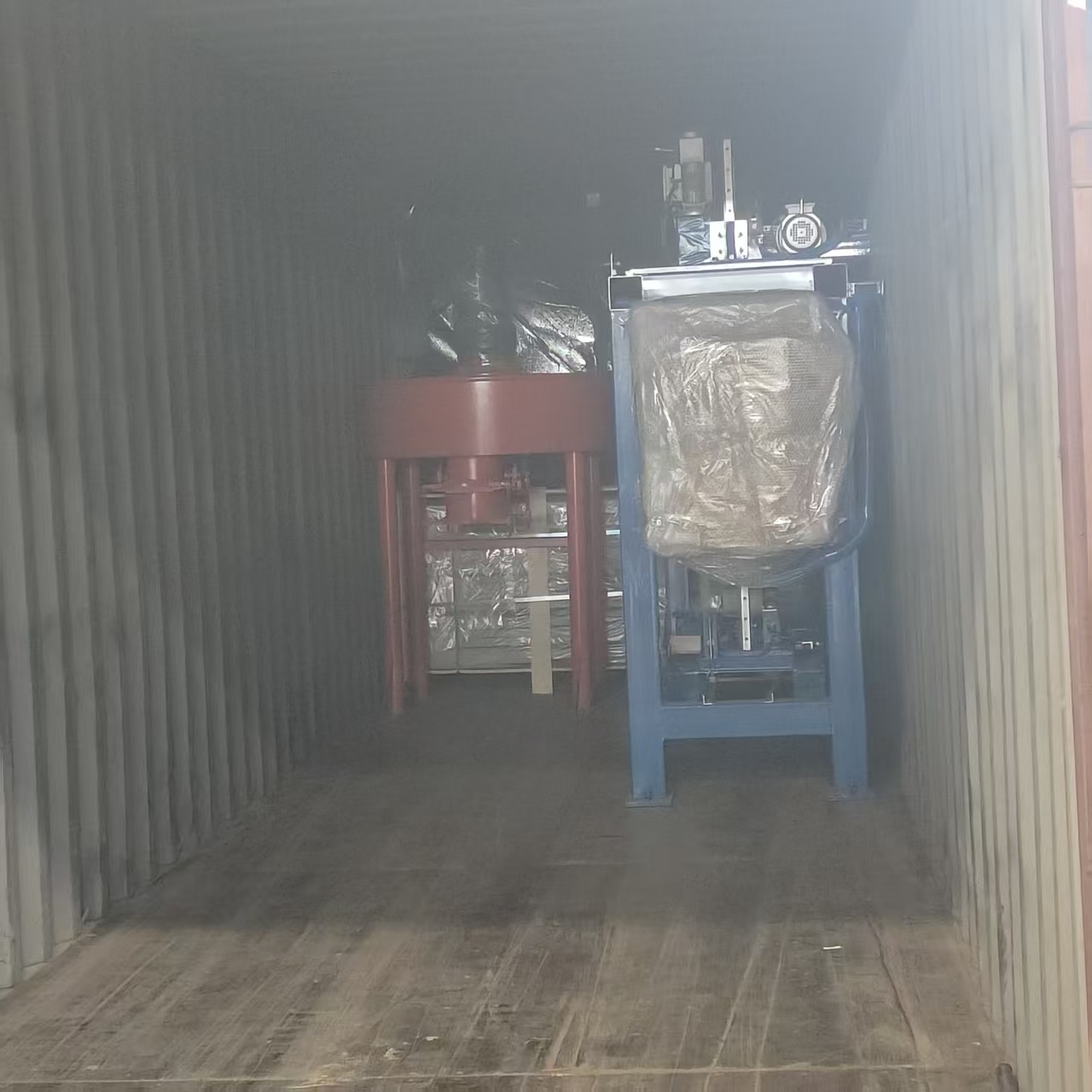
Part Two: Technical Analysis: The Core Structure and Parameters of the Cement Tile Molding Machine
1. Technical Principle
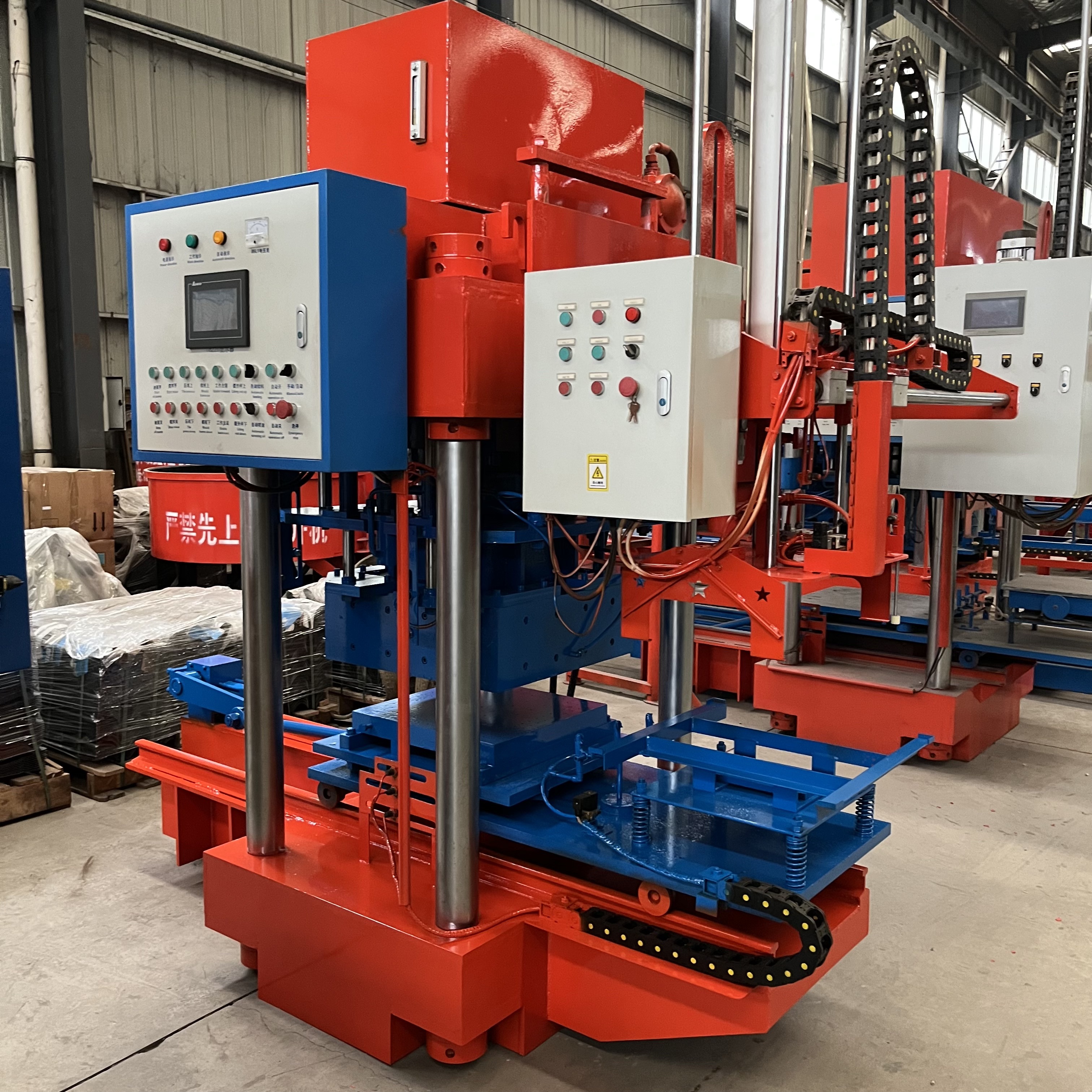
The cement tile forming machine adopts hydraulic drive and vibration molding technology, quickly molding cement, sand and stone raw materials into tiles through mold extrusion. Equipped with an intelligent temperature control system, it can adjust the molding temperature in real time (range: 50-80℃), ensuring uniform tile density and a water resistance improvement of over 30%. Its vibration frequency can reach 2800 times per minute, effectively eliminating internal bubbles and reducing the risk of cracks.
2. Key Parameters
- Molding Pressure: 150-200 tons (adjustable)
- Production Efficiency: 800-1200 tiles per day per machine (Size: 420mm×330mm)
- Power: 18.5kW (380V three-phase electricity)
- Molding Life: ≥50,000 cycles (high-strength alloy steel material)
- Applicable Raw Materials: Common cement, colored pigments, fine sand (particle size ≤0.5mm)
3. Technical Advantages
Energy-saving design: driven by servo motor, energy consumption is reduced by 25% compared to traditional equipment.
- Modular structure: Supports quick mold replacement, adaptable to different tile shapes (such as European, Chinese, and corrugated tiles) production.
- Automation Control: Integrated PLC system, with 10 sets of process parameters pre-set, reducing manual intervention.
Chapter 3: Industry Application Cases: Practice from Technology to Implementation
1. Customized project of a certain provincial building materials factory
In 2022, Zhengzhou Xinlong Machinery customized a cement tile production line for a building materials factory, including raw material mixing system, forming main unit, automatic stacking machine, and drying kiln. Project highlights:
- Parameter adjustment: According to the characteristics of customer's raw materials (cement grade 42.5, sand and stone mud content ≤2%), adjust the molding pressure to 180 tons, optimize the vibration frequency to 2600 times/min, and achieve a tile compressive strength of 35MPa.
- Troubleshooting: The issue of burrs at the edges of tiles during the initial stage was resolved by adjusting the mold gap (reduced from 0.3mm to 0.15mm) and the raw material ratio (increasing 1% water reducer).
- Benefit enhancement: After the production line goes into operation, the customer's annual output increases from 2 million pieces to 3.5 million pieces, with the cost per piece reduced by 0.15 yuan.
2. Overseas Technology Transfer: Southeast Asia Market Expansion
2023, Zhengzhou Xinnong Machinery provided "turnkey" services to a Malaysian client, including equipment installation, operation training, and 3 years of free maintenance. Technical key points:
Adaptability modification: To cope with the local high temperature and humidity environment, moisture-proof treatment (IP55 protection level) is applied to the electrical components of the equipment, and cooling fans are added.
- Operation Training: Enable customers' technical staff to master parameter adjustment methods (such as adjusting raw material moisture content based on humidity) within one week through video tutorials and on-site guidance.
- After-sales response: Establish a 24-hour remote support system, allowing customers to monitor the equipment's operating status in real-time via the mobile APP, with a 40% improvement in fault resolution efficiency.
4. Technical Layout and Future Outlook
Zhengzhou Xinnong Machinery continues to invest in R&D, launching the new generation of intelligent cement tile forming machine in 2024, integrating Internet of Things technology for real-time data upload and cloud-based process parameter optimization. Currently, the company has applied for 5 utility model patents and is collaborating with multiple universities on the research topic of "green building materials forming technology." In the future, its technology will focus on two major directions:
- Environmental upgrade: Develop low-noise (≤75dB), low-dust (emission concentration ≤10mg/m³) equipment, meeting the EU CE certification standards.
- Intelligent Expansion: Introducing AI vision detection system for automatic identification of tile defects (such as cracks and deformations), improving the pass rate to over 99.5%.
Frequently Asked Questions (FAQ)
Q1: How long is the service life of the cement colored tile molding machine?
A: The main frame of the equipment is made of Q345B steel, with a design life of ≥15 years; key components (such as hydraulic cylinders, vibration motors) come with a 3-year warranty, and regular maintenance can extend the service life to 8-10 years.
Q2: How to choose the appropriate mold specifications?
A: The mold type needs to be determined according to the target market's tile requirements. For example, European tiles require an arched mold (curvature radius of 500-800mm), while Chinese tiles need a flat mold (thickness of 12-18mm). Zhengzhou Xinlong Machinery offers free mold design services.
Q3: What are the requirements for raw materials of the equipment?
A: Cement must meet GB175 standard (strength grade ≥42.5), the particle size of sand and stone should be controlled between 0.1-0.5mm, and the mud content should be ≤2%. If recycled aggregates are used, pre-screening and cleaning treatment must be carried out in advance.