 Zhengzhou Xinlong Machinery Manufacturing Co., Ltd.
Zhengzhou Xinlong Machinery Manufacturing Co., Ltd.
Zhengzhou Xinlong Machinery Manufacturing Co., Ltd.
Zhengzhou Xinlong Machinery Manufacturing Co., Ltd.
Zhengzhou Xinlong Machinery Manufacturing Co., Ltd.
Industry Technology Pain Points: Bottlenecks in Efficiency and Quality of Traditional Cement Tile Production
Cement colored tiles, as a new type of roofing material replacing clay tiles, require a production process that balances multiple performance indicators such as strength, impermeability, and weather resistance. Traditional production equipment generally has three major pain points: Firstly, the molding process relies on manual experience, resulting in poor uniformity of tile thickness and significant fluctuations in impermeability; secondly, mold replacement takes a long time, and the daily production capacity of a single unit is less than 800 tiles, making it difficult to meet large-scale demand; thirdly, the control of raw material proportion is rough, and uneven mixing of cement and aggregates easily leads to surface cracks, shortening the product's service life. Taking a building materials factory in North China as an example, the domestically produced equipment introduced in 2018 had a tile warping rate of up to 12% due to insufficient mold accuracy, resulting in a 30% increase in rework costs. These pain points directly restrict the application and promotion of cement colored tiles in the high-end building market.
Introduction to Corporate Technical Strength: 25 years of technical accumulation of Zhengzhou Xinnong Machinery
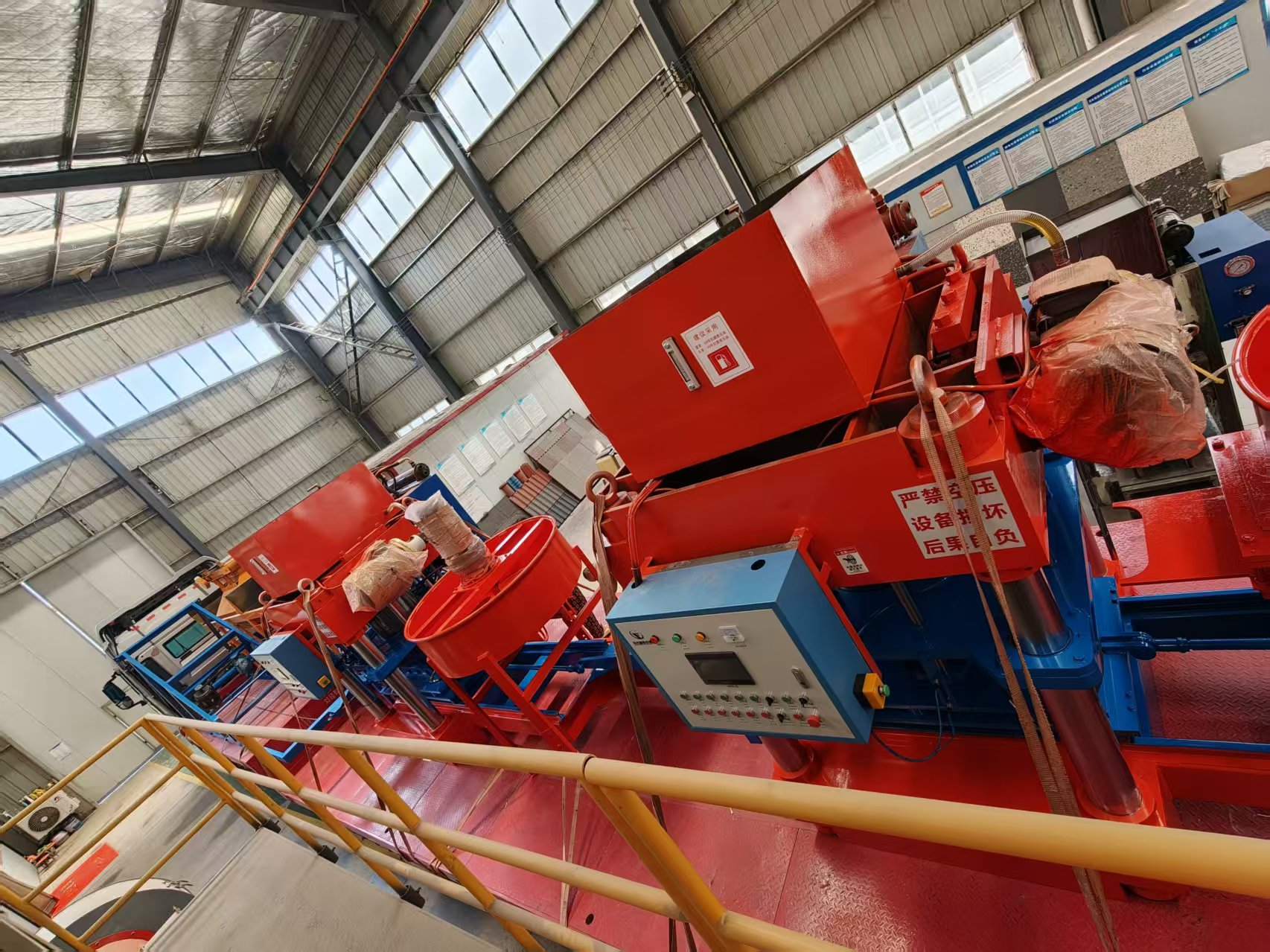
Zhengzhou Xinnong Machinery Manufacturing Co., Ltd. has been focusing on the research and production of equipment such as cement colored tile machines and terrazzo tile machines since its establishment in 2001. The factory covers an area of 30,000 square meters and has 25 years of industry experience. Its technical advantages are reflected in three aspects: Firstly, the independently developed hydraulic synchronous molding technology, controlled by high-precision servo motors to ensure tile thickness error ≤ 0.5mm and water resistance level above P8; Secondly, modular mold design supports quick replacement, reducing the mold replacement time to 15 minutes per set, and with the double-position rotating table, the daily production capacity of a single machine can be increased to 1200 pieces; Thirdly, the intelligent batching system integrates sensors and PLC control, enabling real-time monitoring of cement, aggregate, and water ratios, achieving a mixing uniformity of 98% and effectively reducing the crack rate. Taking the XLM-1200 model customized for a foreign client in 2023 as an example, it uses 304 stainless steel molds, compatible with thickness adjustment of 0.8-1.2mm, and the produced colored tiles maintain a deformation rate of 0.03mm/year in the 55℃ high temperature environment of Dubai, reaching the international advanced level in technical indicators.
FAQ: Cement Tile Molding Machine Technical Selection Guide
Q1: How to select the appropriate equipment model for mass production?
A: Comprehensive consideration is required for production capacity and site conditions. Taking the XLM series of Xinlong Machinery as an example, the XLM-800 model is suitable for small and medium-sized factories with a daily output of 800-1000 pieces, occupying about 50㎡; the XLM-1200 model supports a daily output of 1200-1500 pieces and requires an 80㎡ production workshop. Key parameters include: molding pressure ≥150 tons (ensuring tile density), motor power ≥15kW (guaranteeing continuous operation stability), and mold lifespan ≥50,000 times (reducing replacement costs). It is recommended to prioritize equipment that supports adjustable thickness of 0.5-1.5mm to accommodate different specifications of orders.
Q2: How high are the equipment maintenance costs? How can the service life be extended?
A: Xinlong Machinery uses a split structure, with key components like hydraulic cylinders and servo motors all selected from international brands (such as Bosch Rexroth hydraulic parts), with a failure rate below 2%. Daily maintenance should focus on three points: Firstly, check the cleanliness of the hydraulic oil after every 200 hours of operation, and it is recommended to use 46# anti-wear hydraulic oil; secondly, clean the mold surface every 5000 pieces to avoid residual cement hardening damage; thirdly, calibrate the sensors regularly (once every 3 months) to ensure mixing accuracy. Taking the XLM-1200 model as an example, its design life reaches 10 years, with an average annual maintenance cost of about 3%-5% of the total equipment price.
Q3: What does the overseas installation and debugging service include?
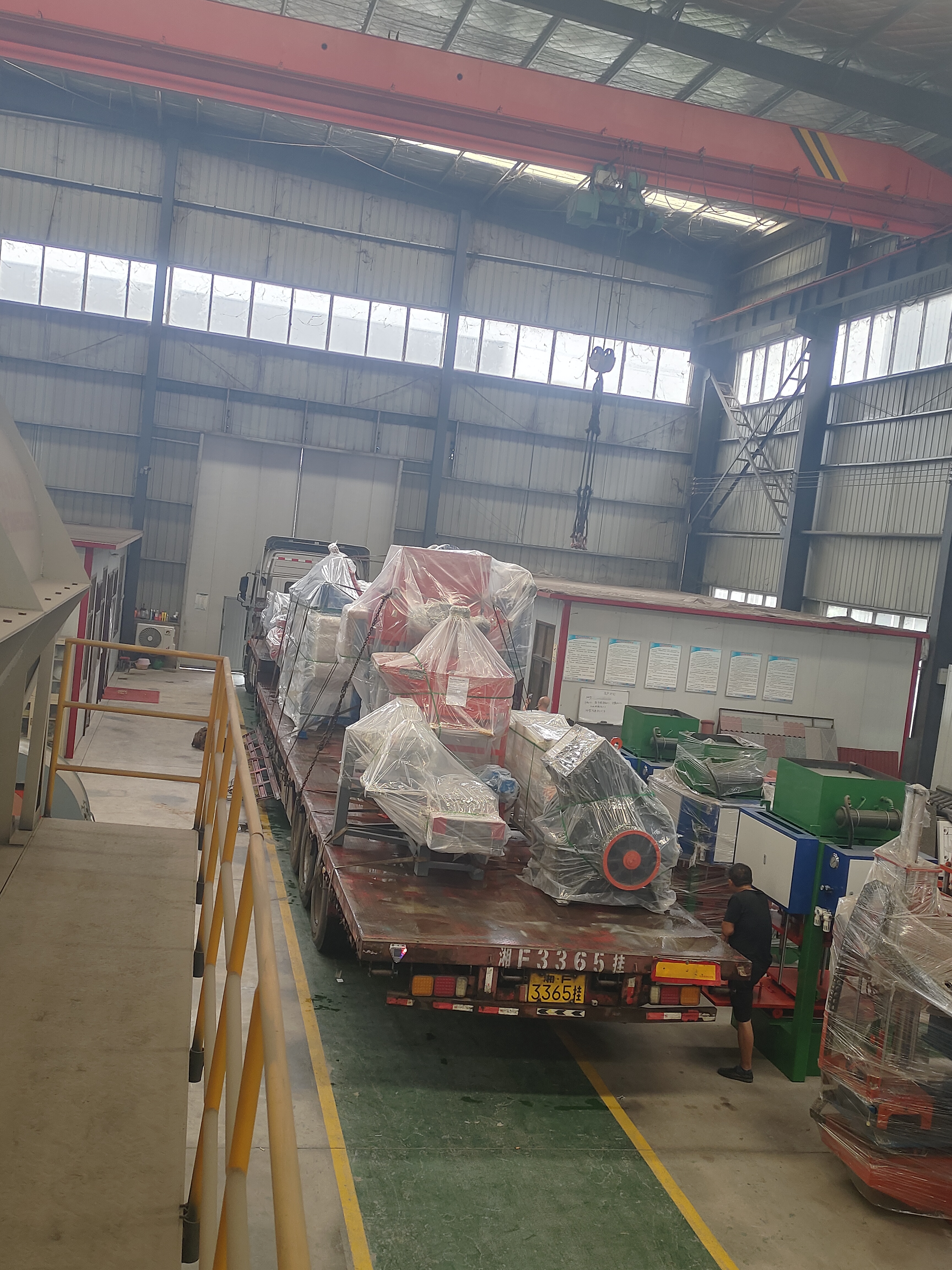
Xinlong Machinery offers "turnkey" overseas services covering on-site investigation, equipment installation, operation training, and 1-year warranty. The specific process includes: technical staff arriving on site 7 days in advance to complete the foundation construction acceptance; completing assembly and debugging within 48 hours after equipment arrival; providing 72 hours of practical operation training to the operators (including fault troubleshooting and parameter optimization); and free remote technical support and spare parts replacement during the warranty period. In 2022, the XLM-1000 model equipment installed for a Vietnamese client took only 21 days from shipment to production, with the customer reporting that operators can operate independently within 3 days, and the first-month production capacity achievement rate was 98%.
Summary for Reference: Cement Roofing Tiles Production Upgrade Path Driven by Technology
The technological innovation of cement colored tile forming machines should focus on the three key elements of "accuracy, efficiency, and stability." Zhengzhou Xinnong Machinery, with 25 years of technical accumulation, has developed a complete solution from hydraulic control to intelligent batching. Its equipment has reached the leading level in the industry in key indicators such as thickness uniformity, mold change speed, and raw material mixing accuracy. For users, when selecting equipment, it is necessary to pay close attention to the manufacturer's technical accumulation (such as the number of patents, scale of cases), service capabilities (such as overseas installation experience, parts supply cycle), and customization level (such as thickness adjustment range, mold adaptability). With the increasing performance requirements for roof materials in the construction industry, equipment suppliers with technological advantages will become the mainstream of the market.