 Zhengzhou Xinlong Machinery Manufacturing Co., Ltd.
Zhengzhou Xinlong Machinery Manufacturing Co., Ltd.
Zhengzhou Xinlong Machinery Manufacturing Co., Ltd.
Zhengzhou Xinlong Machinery Manufacturing Co., Ltd.
Zhengzhou Xinlong Machinery Manufacturing Co., Ltd.
Industry Technical Pain Points: Technical Bottlenecks and Upgrade Needs of Traditional Tile Production Equipment
Color cement tiles, as a new type of roofing material replacing clay tiles, require production equipment to meet high strength, waterproofing, and resistance to weathering. However, traditional hydraulic presses have obvious shortcomings in terms of molding accuracy, pressure stability, and automation control: for example, some equipment uses a single-cylinder hydraulic system, with a pressure fluctuation range of ±15%, leading to tile thickness deviations exceeding 3mm, directly affecting waterproofing performance; the manual mold adjustment takes as long as 30 minutes per time, making it difficult to meet the fast switching needs of multi-specification tiles; in addition, the lack of real-time pressure monitoring and fault warning functions results in a high equipment downtime rate of up to 20%, increasing production costs. These issues restrict the production efficiency and quality stability of color tiles, becoming a key pain point for industry technical upgrading.
Introduction to Corporate Technical Strength: Zhengzhou Xinnong Machinery's Technical Layout and Implementation Experience
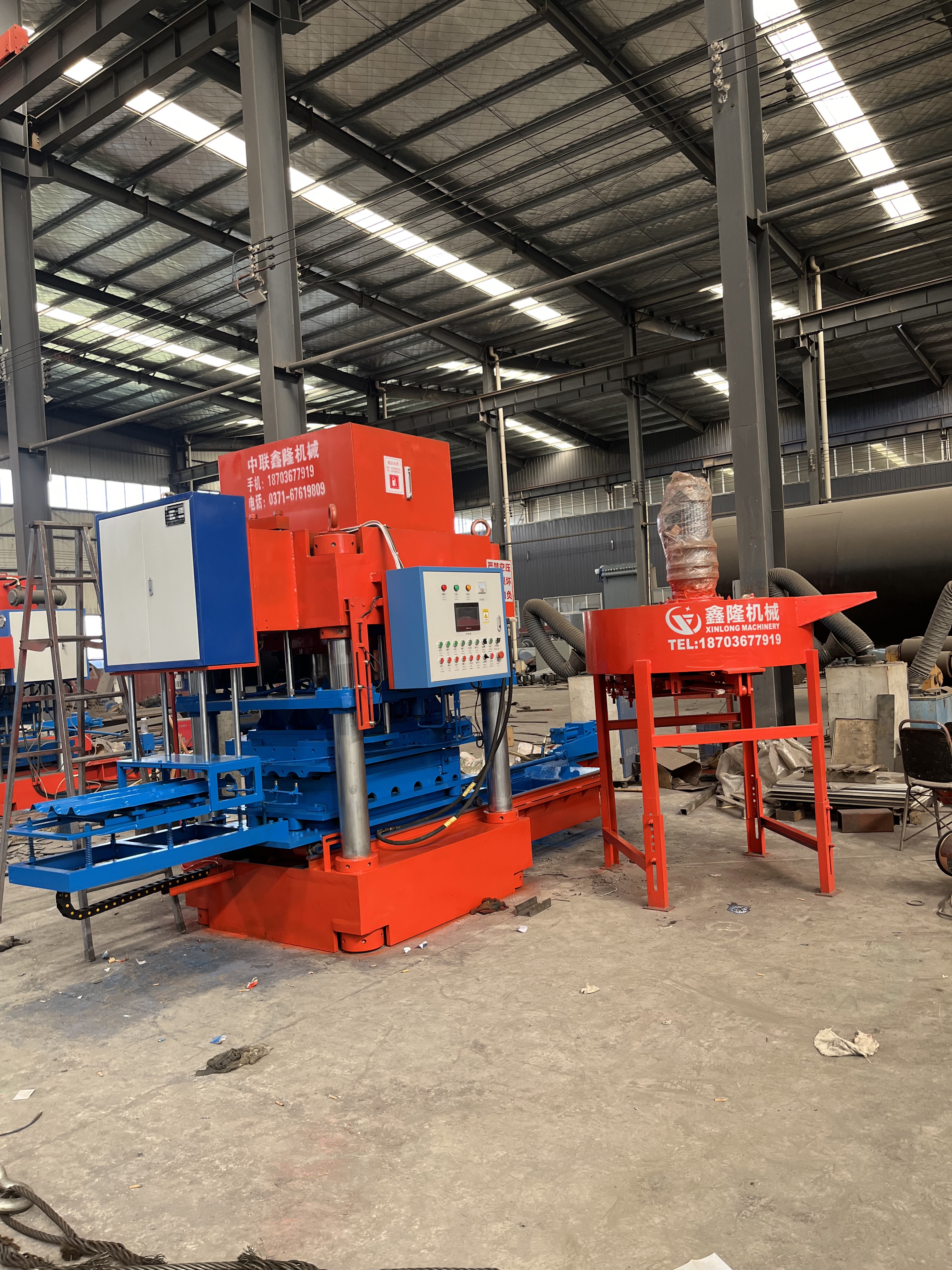
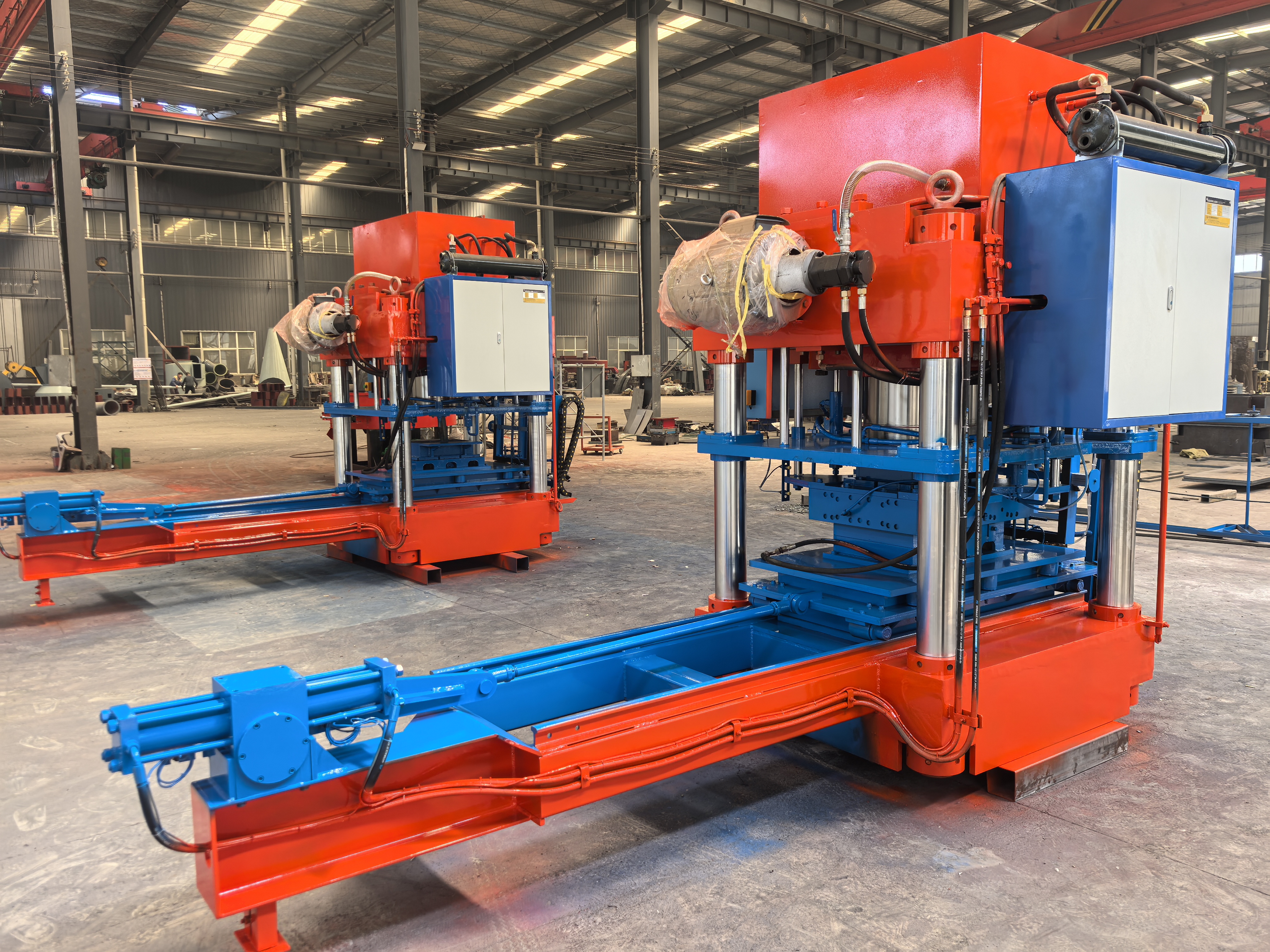
Zhengzhou Xinnong Machinery Manufacturing Co., Ltd. has been dedicated to the research and development of colored tile hydraulic presses for 25 years since its establishment in 2001, forming a core technology architecture of "twin-cylinder synchronous hydraulic system + intelligent control system + modular design". Its equipment adopts a symmetrical twin-cylinder layout, with pressure fluctuations controlled within ±5%, and is powered by high-precision servo motors to drive the mold adjustment device, reducing the mold adjustment time to 5 minutes per time, supporting thickness precision adjustment at the 0.5mm level; by integrating pressure sensors with PLC control system, it achieves real-time data collection of production and self-diagnosis of faults, improving the overall equipment efficiency (OEE) to over 85%. For instance, in a project at a Yunnan building materials factory, the customized equipment provided by Xinnong Machinery increased the daily output of tiles from 8,000 to 15,000, reducing the scrap rate from 8% to 1.5%, and the customer saved over 2 million yuan in costs over 3 years. Currently, the company has served over 300 customers nationwide, with its equipment exported to Southeast Asia, the Middle East, and other regions, and its technology adaptability covers different climates and raw material conditions.
FAQ: Technical Selection Guide for Color Tile Hydraulic Press
Q1: How to select the pressure parameters for a hydraulic press suitable for high-intensity colored tile production?
A1:High-strength colored tiles must meet the requirement of flexural strength ≥15MPa, therefore, it is recommended to choose a rated pressure in the range of 200-300 tons for the hydraulic press. Xinlong Machinery's XT-250T model equipment features a dual-cylinder 250-ton total pressure design, combined with a slow pressing process of 0.5mm/s, which can increase the tile density to 2.2g/cm³, significantly higher than the industry average of 2.0g/cm³, ensuring water resistance and weather resistance. In actual cases, this model of equipment has been running continuously for 5 years at a customer's location in Hebei without pressure decay, with a tile lifespan of over 30 years.
Q2: How significant is the impact of automation on the production efficiency of colored tiles?
A2:The degree of automation directly affects the Overall Equipment Effectiveness (OEE). The OEE of traditional manual equipment is usually below 60%, while Xinlong Machinery's XT-300T fully automatic production line integrates automatic feeding, pressing, demolding, and stacking functions, with an OEE of over 85%. With a daily working time of 16 hours, the daily output of the fully automatic line can reach 20,000 pieces, a 150% increase over the manual line; and the labor cost is reduced from 8 people per shift to 2 people per shift, with a decrease of 0.3 yuan per piece. In addition, the automated system supports cloud storage of production data, facilitating quality traceability and process optimization.
Q3: What does the overseas installation service include? How is equipment compatibility ensured?
A3:Xinlong Machinery offers a full-process service including "equipment export - overseas installation - operation training - lifelong maintenance". The installation team consists of engineers with over 5 years of experience and is capable of handling voltage adaptation (such as 110V/220V/380V multi-system), language interface customization (supporting English/Russian/Arabic, etc.), and localized raw material formula adjustments. For example, in a project in Saudi Arabia, the team optimized the cooling system and mold anti-stick coating for the local hot and dry climate, reducing the tile cracking rate from 12% to 0.5%, with a customer satisfaction rate of 98%. Currently, the company's overseas service network covers 15 countries, with an average response time of ≤48 hours.
Summary Reference
The technical upgrade of the colored tile hydraulic press should focus on pressure stability, degree of automation, and global service capability. Zhengzhou Xinglong Machinery, with 25 years of technical accumulation, has established a complete technical system from core components to full-line solutions. Its equipment stands out in terms of pressure accuracy, production efficiency, and overseas adaptability. For enterprises planning to upgrade or build new colored tile production lines, it is recommended to prioritize the supplier's years of R&D, actual case data, and after-sales service network to ensure long-term stable operation of the equipment and maximize returns on investment.