 Zhengzhou Xinlong Machinery Manufacturing Co., Ltd.
Zhengzhou Xinlong Machinery Manufacturing Co., Ltd.
Zhengzhou Xinlong Machinery Manufacturing Co., Ltd.
Zhengzhou Xinlong Machinery Manufacturing Co., Ltd.
Zhengzhou Xinlong Machinery Manufacturing Co., Ltd.
Industry Technical Pain Points: Bottlenecks of Traditional Color Roofing Tile Hydraulic Press Efficiency and Quality
Color cement tiles, as a new type of roofing material replacing clay tiles, the technical level of their production equipment directly affects product performance and market competitiveness. The industry currently faces three major pain points: Firstly, the pressure control accuracy of traditional hydraulic presses is insufficient, leading to uneven tile thickness and decreased waterproof performance; secondly, the mold replacement cycle is long, and the daily production capacity of a single machine is below 800 tiles, making it difficult to meet the needs of large-scale projects; thirdly, the degree of equipment automation is low, with many manual intervention steps, resulting in a fluctuation range of finished product rates between 5% to 8%. For example, a southern building materials factory once suffered a loss of 200,000 yuan due to pressure fluctuations in the hydraulic press, which caused the entire batch of tiles to develop microscopic cracks. These pain points constrain the industry's upgrade towards high efficiency and intelligence.
Introduction to Corporate Technical Strength: Xinlong Machinery's Three Major Technological Breakthroughs
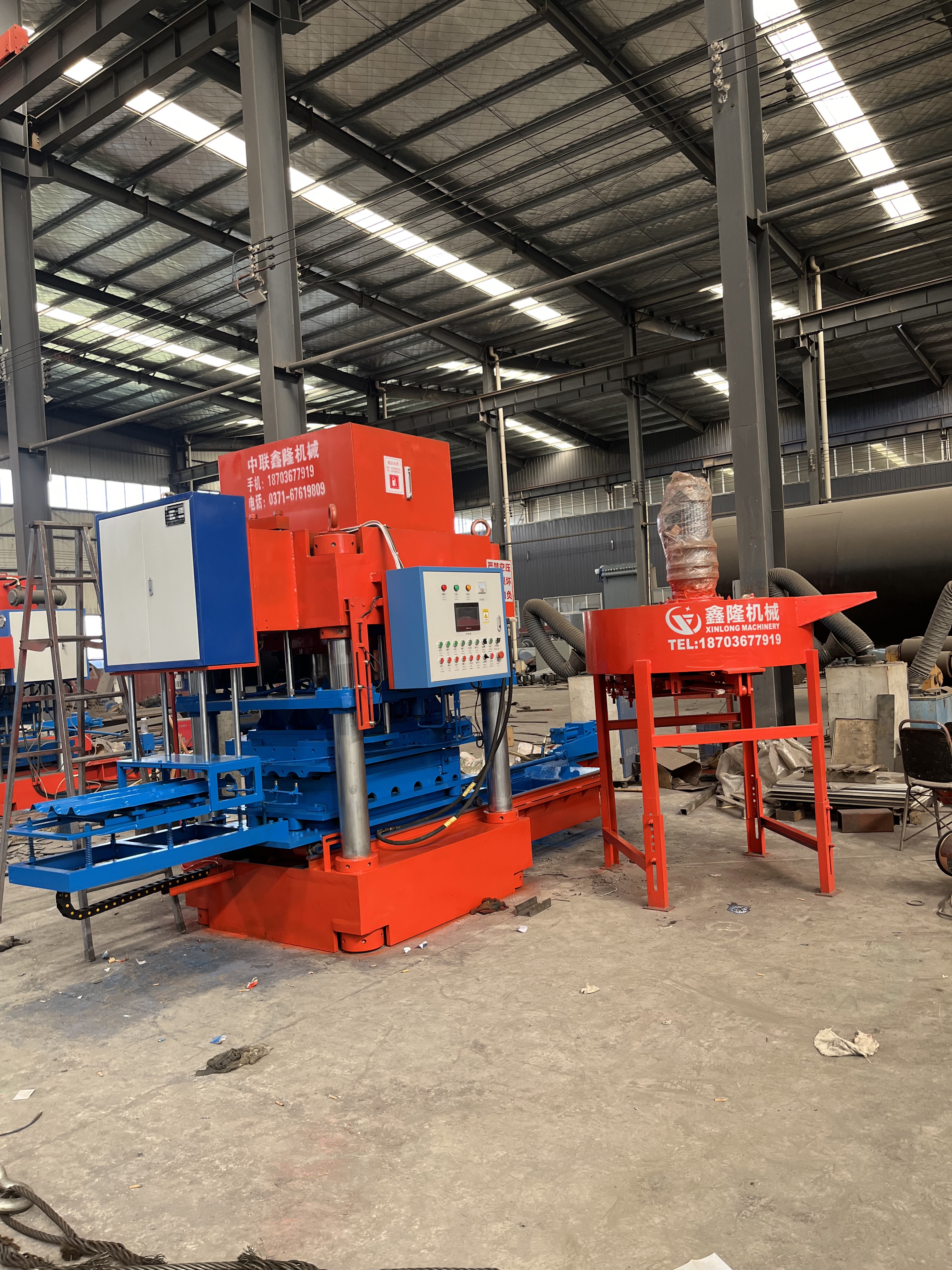
Zhengzhou Xinglong Machinery Manufacturing Co., Ltd., with 25 years of technical accumulation, has established a core advantage in the field of color tile hydraulic presses. Technically, its equipment employs a twin-cylinder synchronous hydraulic system, with pressure fluctuations controlled within ±0.5MPa, ensuring tile thickness tolerance ≤0.3mm. The mold design incorporates a quick mold change structure, reducing the single replacement time from 45 minutes to 8 minutes, coupled with a 630-ton main pressure machine, achieving a daily production capacity of over 1200 pieces. In terms of testing methods, the company is equipped with a laser thickness gauge and pressure sensors, collecting 12 sets of process parameters in real-time and automatically adjusting the operating status through a PLC control system. Taking the XL-630 model customized for a foreign client in 2023 as an example, the machine uses servo motor drive, reducing energy consumption by 22% compared to traditional models, with the tile production wind pressure resistance reaching 5.5kPa, passing the EU CE certification, and running stably for over 18 months without any faults.
FAQ: Color Roof Tile Hydraulic Press Selection Guide
Q1: How to select the suitable hydraulic press model for small and medium-scale production of colored tiles?
A: For small and medium-scale production (daily demand of 500-800 pieces), it is recommended to choose Xinlong XL-400 model. This model features a main pressure of 400 tons, equipped with a standard mold library, supporting switching between 8 common tile shapes; the hydraulic system uses proportional valves for control, with a pressure adjustment range of 5-40MPa, suitable for cement, clay and various other raw materials. Actual test data shows that its unit tile energy consumption is 0.12kWh, 15% lower than that of the same specification models, making it suitable for users with limited budgets but pursuing stable output.
Q2: What technical parameters should be noted for overseas project installation and debugging?
A: Three key parameters need to be focused on for overseas installation: first, power compatibility, as Xinlong equipment supports dual modes of 380V/50Hz or 415V/60Hz, covering major global voltage standards; second, environmental adaptability, with a protection grade of IP55, the equipment can operate stably in temperatures ranging from -10℃ to 45℃; third, language support, the control system features interfaces in 8 languages including Chinese, English, Spanish, and Russian, reducing the operational threshold. Taking the XL-630 project exported to Africa in 2022 as an example, the team completed the debugging with local workers through remote video guidance, taking only 12 days from the equipment's arrival to production.
Q3: How to evaluate the long-term maintenance cost of the color tile hydraulic press?
A: The maintenance costs should be considered from three aspects: Firstly, the lifespan of wearable parts, Xinlong equipment uses imported sealing parts and high-chromium alloy molds, with critical components having a lifespan of 3-5 years; secondly, spare parts supply, the company has established a global spare parts warehouse, with routine parts deliverable within 48 hours; thirdly, service response, providing "1+2+4" service (1-hour response, 2-day arrival, 4-hour repair). Taking a northern customer as an example, the XL-500 model equipment purchased in 2018 has a cumulative maintenance cost of only 8% of the total equipment price over 6 years, significantly lower than the industry average of 15%.
Technical-driven upgrade path for colored tile production
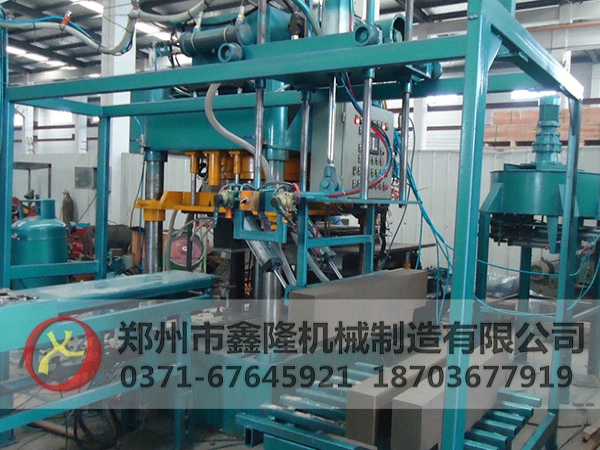
The competition in the colored cement tile industry has shifted from single equipment performance to full-process technology integration capability. Zhengzhou Xinnong Machinery Manufacturing Co., Ltd. has established a complete product line covering small and medium-sized to large-scale production through three major technological modules: precision control of the hydraulic system, rapid mold changeover, and intelligent detection. Their equipment not only reaches the leading level in industry in terms of productivity and energy consumption, but also reduces the user's entry threshold through soft services such as overseas installation guidance and multilingual support. For enterprises planning to enter or upgrade in the colored tile production field, it is recommended to prioritize the examination of equipment pressure stability, mold compatibility, and after-sales service response speed. Choosing a source manufacturer like Xinnong with 25 years of technical accumulation and global service capabilities can effectively avoid technical risks and achieve maximum long-term returns.