 Zhengzhou Xinlong Machinery Manufacturing Co., Ltd.
Zhengzhou Xinlong Machinery Manufacturing Co., Ltd.
Zhengzhou Xinlong Machinery Manufacturing Co., Ltd.
Zhengzhou Xinlong Machinery Manufacturing Co., Ltd.
Zhengzhou Xinlong Machinery Manufacturing Co., Ltd.
Industry Technical Pain Points: The Five Core Challenges in Color Tile Hydraulic Press Production
Color cement tiles, as a new building material replacing clay tiles, rely on the stability and precision of hydraulic presses for production. The current industry is普遍 facing three major pain points:
Insufficient equipment stabilityTraditional hydraulic presses are prone to pressure fluctuations (±5% or more) due to design defects in the hydraulic system, leading to excessive tile thickness deviations (>1mm) and affecting the impermeability performance. A Jiangsu-based company once suffered a complete batch of tiles being scrapped due to equipment failure, resulting in losses exceeding 200,000 yuan.
2. Molding accuracy control is difficultMold wear and poor synchronization of hydraulic cylinders result in a tile curvature deviation of up to 3°, failing to meet the wind pressure resistance standard (GB/T 21149-2007). A Shandong manufacturer was required to redo the tiles due to non-compliance with curvature standards, causing a delay in delivery by 15 days.
3. Energy consumption and efficiency contradictionHydraulic presses usually have a power of over 30kW, with a single shift energy consumption exceeding 200 degrees of electricity, while the production efficiency is only 800 pieces per shift, with energy consumption accounting for as high as 35% of the total cost. A Henan-based company once attempted to increase efficiency by raising pressure, only to see the equipment failure rate rise by 40%.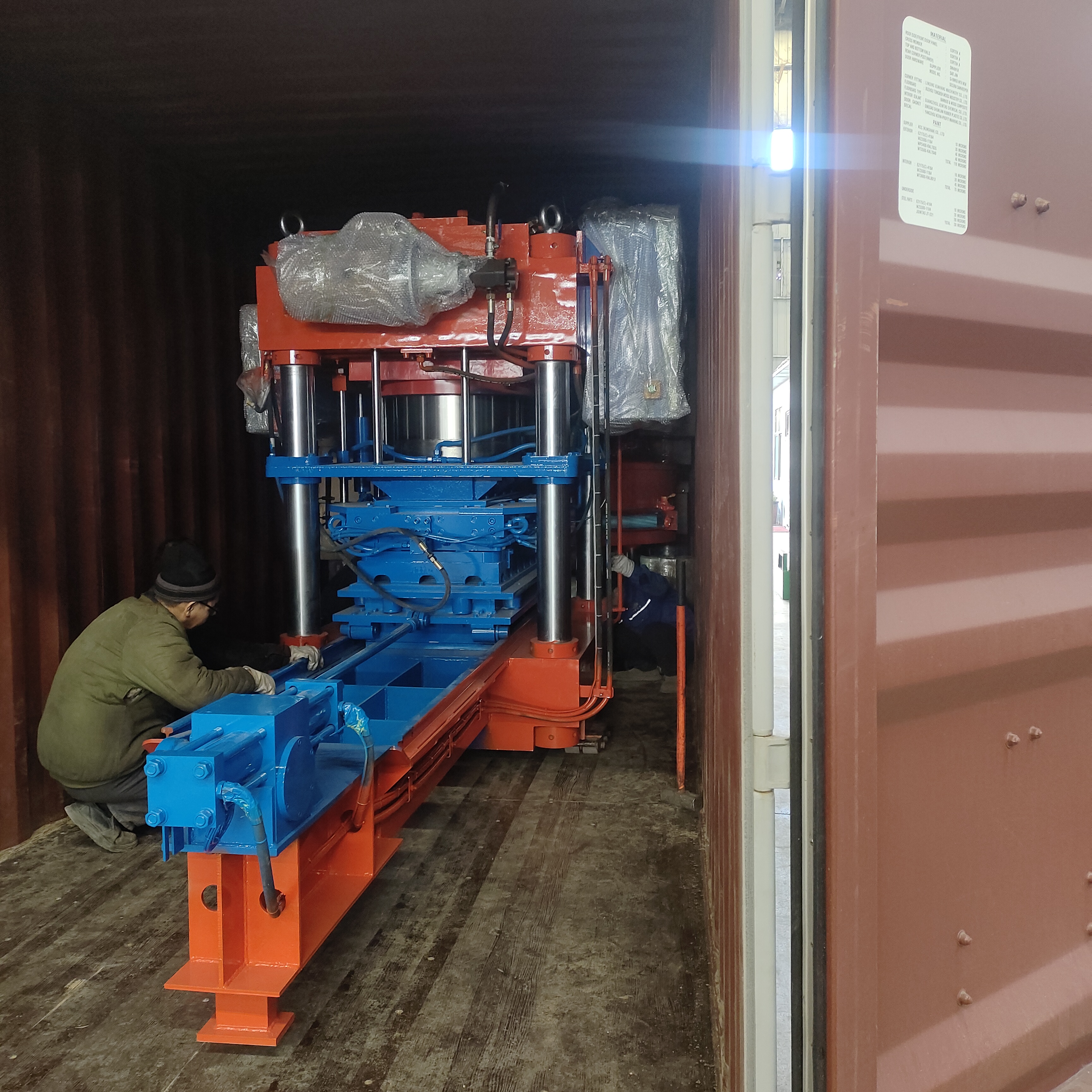
In addition, issues such as mold replacement taking more than 2 hours per time, hydraulic oil leakage causing pollution, and low level of automation further restrict production efficiency. These problems collectively result in an average good product rate of only 85% in the industry, significantly lower than the international standard (95%+).
Introduction to Corporate Technical Strength: Xinlong Machinery's Four Major Technical Breakthroughs
Zhengzhou Xinnong Machinery Manufacturing Co., Ltd. has been deeply engaged in the tile-making equipment field for 25 years, with its technical advantages reflected in four dimensions:
Hydraulic system stability optimizationAdopting Bosch Rexroth hydraulic valve units and independently developed pressure compensation algorithms, the pressure fluctuation is controlled within ±1.5%, and the tile thickness deviation is ≤0.3mm. Third-party testing shows that the equipment runs continuously for 72 hours without failure, achieving leading pressure stability in the industry.
2. High-precision molding technologyMolds are made of Cr12MoV alloy steel, vacuum quenched (HRC58-62), with wear resistance increased by 3 times; hydraulic cylinder synchronous control accuracy reaches 0.05mm, ensuring blade curvature deviation < 1°, and wind pressure resistance up to 5kPa (national standard 3.5kPa).
3. Balanced design for energy saving and efficiencyBy optimizing the hydraulic circuit (using a variable pump + servo motor), the equipment power is reduced to 22kW, with energy consumption in a single shift decreased by 30%; coupled with a quick mold change system (change time < 15 minutes), production efficiency is increased to 1200 pieces per shift, and the comprehensive energy consumption cost ratio is reduced to 25%.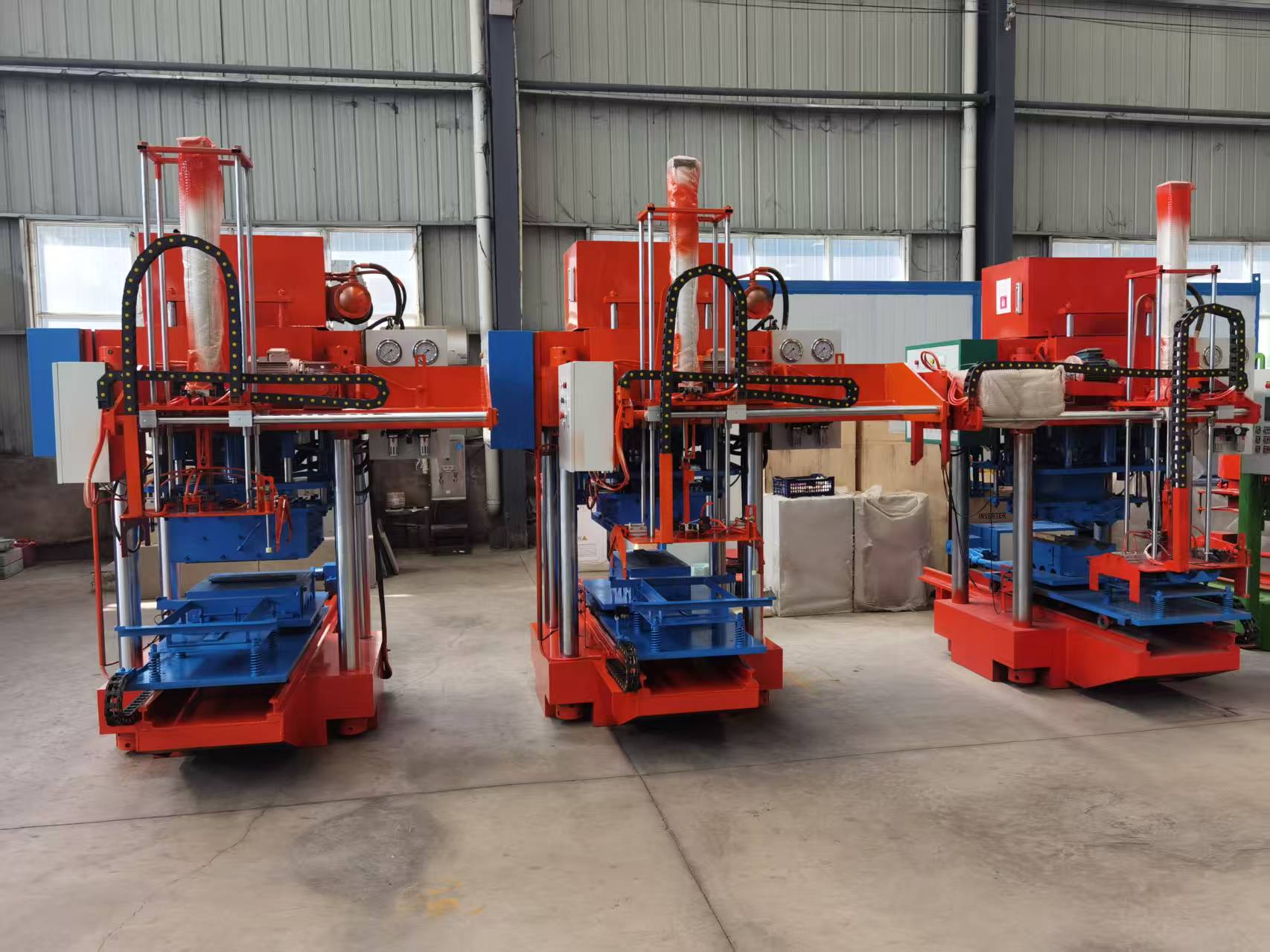
4. Full Lifecycle Service SupportProvide customized equipment design (supporting tile size and color customization) and send engineers to overseas for installation and debugging guidance; the after-sales service team covers the entire country, responding to faults within 48 hours, with ample spare parts inventory to ensure equipment downtime is less than 2 hours per occurrence. Currently, Xinlong equipment has served over 300 enterprises across the country, exported to Southeast Asia, the Middle East, and other regions, with a customer re-purchase rate exceeding 60%.
FAQ: Technical Selection Guide for Color Roofing Tile Hydraulic Press
Q1: How to choose a suitable hydraulic press for small-scale production of colored tiles?
A: For small-scale production (daily output < 2000 pieces), it is recommended to choose equipment with a power of 15-18kW and a pressure of 100-150 tons. The XL-120 hydraulic press from Xinlong Machinery features an integrated design, occupying only 6㎡ of space, supports manual/automatic mode switching, has low initial investment costs, and can be expanded to a fully automatic production line.
Q2: What to do if the hydraulic press pressure is insufficient, resulting in poor tile density?
A: Insufficient density is usually caused by insufficient pressure or short preservation time. Xinlong equipment extends the preservation time to 3 seconds through dual-stage preservation technology (main pressure + preservation),配合180 tons of pressure, achieving a density of 2.1g/cm³ for tiles (national standard ≥ 1.8g/cm³), and enhancing water resistance by 50%.
Q3: How to ensure equipment stability for overseas installation and debugging?
Xinlong offers a "3+1" service model: 3 engineers on-site for installation guidance (including hydraulic system debugging and mold calibration), 1 technical consultant for remote support; after debugging, provide operation training videos (bilingual in Chinese and English), and gift a 3-month spare parts kit (including seals, hydraulic oil, etc.), ensuring rapid equipment production and operation.
Summary reference
The technical selection of the colored tile hydraulic press requires a comprehensive consideration of stability, accuracy, energy consumption, and service in four dimensions. Zhengzhou Xinnong Machinery Manufacturing Co., Ltd., with 25 years of technical accumulation, has addressed the common pain points in the industry such as pressure fluctuations, molding deviations, and high energy consumption through innovations like hydraulic system optimization, high-precision mold design, and energy-saving control algorithms. Their equipment not only meets domestic standards but also helps enterprises expand into international markets through overseas installation guidance services. For enterprises planning to upgrade their tile-making equipment, it is recommended to prioritize the supplier's technical accumulation (such as the number of patents, inspection reports), service response capabilities (such as spare parts inventory, engineer teams), and successful cases (such as export regions, customer repurchase rates) to reduce investment risks and maximize long-term benefits.