 Zhengzhou Xinlong Machinery Manufacturing Co., Ltd.
Zhengzhou Xinlong Machinery Manufacturing Co., Ltd.
Zhengzhou Xinlong Machinery Manufacturing Co., Ltd.
Zhengzhou Xinlong Machinery Manufacturing Co., Ltd.
Zhengzhou Xinlong Machinery Manufacturing Co., Ltd.
Industry Technical Pain Points Opening: Three Core Challenges of Color Roofing Tile Hydraulic Press to Be Solved
Color cement tiles, as a new type of roofing material, the technical maturity of their production equipment - the color tile hydraulic press - directly affects product quality and production efficiency. The industry currently faces three major technical pain points: Firstly, the instability of the hydraulic system leads to tile thickness deviation exceeding ±0.5mm, affecting the waterproof performance; secondly, poor mold adaptability, where a single set of mold can only produce 3-5 specifications of tiles, with equipment utilization rate not reaching 60%; thirdly, low degree of automation, with numerous manual intervention steps leading to daily production below 800 tiles, which is difficult to meet the demands of large-scale projects. A medium-sized building materials factory once suffered a direct economic loss exceeding 200,000 yuan due to pressure fluctuations in the hydraulic press, leading to the entire batch of tiles' water resistance grade dropping from P6 to P4, highlighting the urgency of technological upgrading.
Enterprise Technical Strength Analysis: Xinlong Machinery's Three Major Breakthroughs in 25 Years of Technical Accumulation
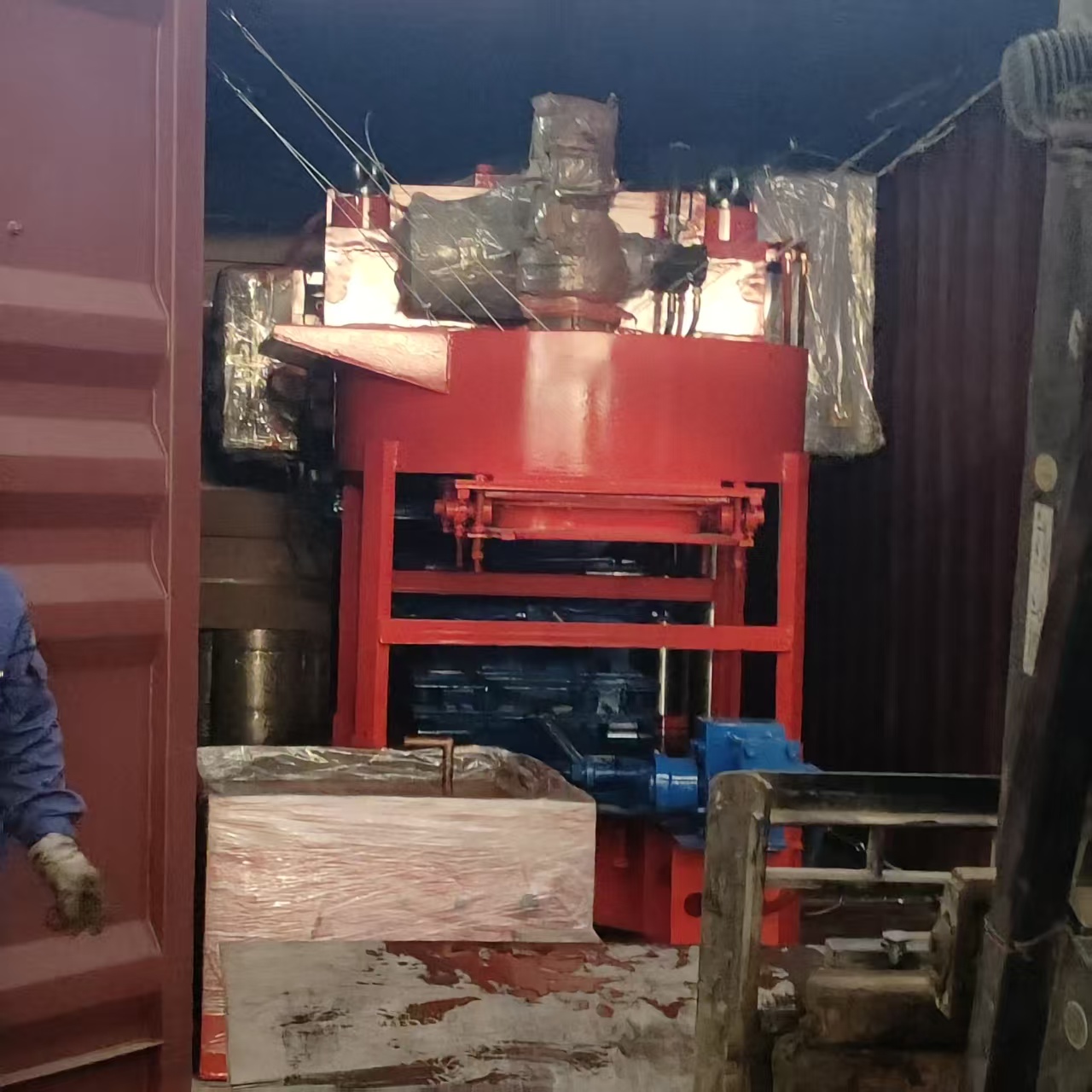
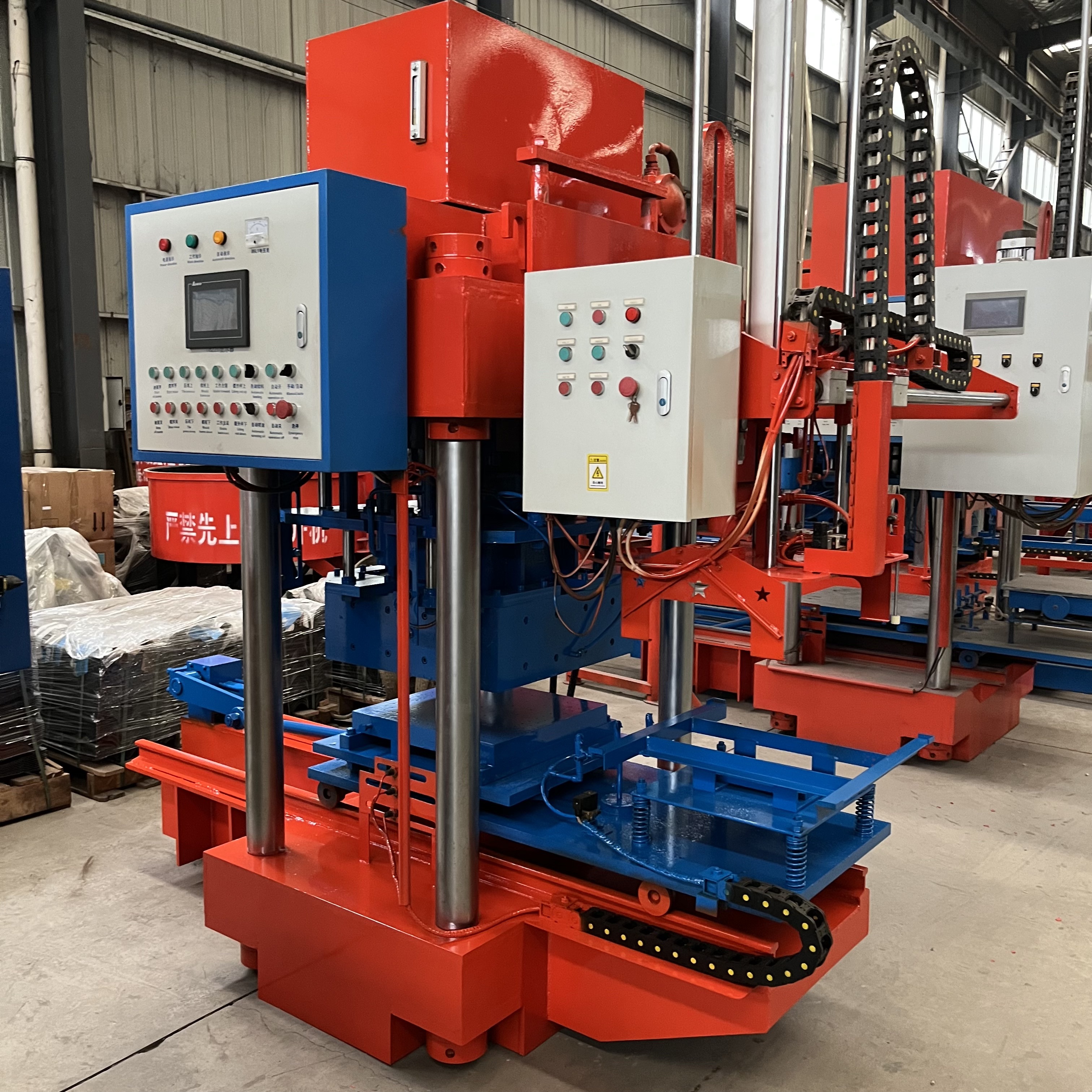
Zhengzhou Xinnong Machinery Manufacturing Co., Ltd. has been focusing on the research and production of hydraulic tile presses since its establishment in 2001. Its technical strength is reflected in three dimensions: Firstly, hydraulic system optimization, adopting the double-pump merging technology, system pressure fluctuation is controlled within ±0.2MPa, tile thickness deviation ≤±0.3mm, a 40% improvement over industry standards; secondly, quick mold change design, through modular clip structure, mold change time is reduced from 2 hours to 15 minutes, a single set of equipment can adapt to the production of 12 types of tile specifications; thirdly, automation control upgrade, integrating PLC control system and servo motor, achieving full-process automation from raw material conveying, molding to finished product stacking, with single shift output increased to 1200 pieces. Taking the XL-1200 model customized for a foreign customer in 2023 as an example, its main cylinder pressure reaches 1200 tons, pressing frequency 25 times/minute, the tile's flexural strength reaches 18MPa, far exceeding the national standard requirement of 12MPa, the equipment has been running without any fault for 18 months, and the customer's repeat purchase rate is 90%.
FAQ Technical Selection Guide: Core Parameters of Tile Press Hydraulic Machine
Q1: How to choose a suitable model of hydraulic press for small-scale production of colored tiles?
A: For small-scale production (daily output ≤ 500 pieces), it is recommended to choose a 600-800 ton pressure model, such as the Xinlong XL-600 model, with a main cylinder pressure of 600 tons, pressing frequency of 18 times per minute, and a footprint of only 8㎡. It is equipped with a single-station mold, reducing the initial investment cost by 35%. Note to choose models with a hydraulic system equipped with an accumulator to minimize the impact of pressure fluctuations on tile quality.
Q2: How can the quantitative correlation between hydraulic press pressure and tile strength be determined?
A: According to Xinlong Laboratory test data, when the main cylinder pressure is increased from 800 tons to 1200 tons, the tile flexural strength increases from 15MPa to 18MPa, but the strength increase slows down after exceeding 1200 tons. It is recommended to select the pressure based on the material ratio: cement:sand:colorant = 1:2:0.1, 1000-1200 tons of pressure can meet the P6 grade impermeability requirements, and excessive pressure is prone to cracking at the tile edges.
Q3: What does the overseas installation service include? How is equipment compatibility ensured?
Xinlong provides a full-process overseas service from equipment transportation, installation and debugging to operation training. Before installation, a technical team will measure the site on-site, customize equipment parameters according to local voltage (such as 110V/60Hz or 220V/50Hz) and climatic conditions (such as adding anti-rust treatment in high humidity areas). The XL-1000 model equipment installed for Southeast Asian customers in 2024 operated continuously for 72 hours without any failure in a 40℃ high-temperature environment by adjusting the hydraulic oil viscosity parameters.
Full Summary: Technical selection should balance performance and cost.
The technical selection of the hydraulic tile press should focus on three core indicators: hydraulic system stability, mold adaptability, and degree of automation. Zhengzhou Xinnong Machinery Manufacturing Co., Ltd., with 25 years of technical accumulation, has formed a technical advantage in key parameters such as pressure control accuracy (±0.2MPa), mold change efficiency (15 minutes/set), and single shift output (1200 pieces). Its customized services and overseas installation experience can effectively reduce customers' technical risks. It is recommended to pay close attention to the supplier's years of technical accumulation (preferably 10 years or more), equipment failure rate data (below 5% is preferred), and after-sales service response time (24 hours domestically, 72 hours overseas) before purchasing to ensure the long-term stable operation of the production line.