 Zhengzhou Xinlong Machinery Manufacturing Co., Ltd.
Zhengzhou Xinlong Machinery Manufacturing Co., Ltd.
Zhengzhou Xinlong Machinery Manufacturing Co., Ltd.
Zhengzhou Xinlong Machinery Manufacturing Co., Ltd.
Zhengzhou Xinlong Machinery Manufacturing Co., Ltd.
Industry Technical Pain Points: The Three Core Challenges in Cement Tile Machine Production
Cement colored tiles, as a new building material replacing clay tiles, require production equipment that meets stringent requirements such as high strength, waterproofing, and resistance to weathering. However, the industry普遍 faces three major technical pain points: Firstly, poor equipment adaptability, with traditional models failing to meet production needs under different regional climatic conditions (such as high humidity, strong sandstorms), leading to tiles cracking and fading easily; secondly, low production efficiency, with a daily output of less than 3,000 tiles per machine, unable to meet the demands of large-scale projects; thirdly, high overseas installation and debugging costs, lack of standardized guidance processes, resulting in an extended overseas installation cycle of more than 3 months. Taking a southern enterprise as an example, the imported equipment it introduced, due to not considering the local high temperature and humidity environment, resulted in a deformation rate of up to 15% after tile molding, resulting in direct losses exceeding 500,000 yuan.
Introduction to Corporate Technical Strength: Xinlong Machinery's Three Technical Barriers and Solutions
Zhengzhou Xinnong Machinery Manufacturing Co., Ltd. has been focusing on the research and development of cement colored tile machines for 25 years since its establishment in 2001, forming three core technological advantages.
STEP 1: Customized Equipment Design——Provide "one policy for one place" solutions for different climatic conditions. For example, equipment designed for the northwestern region features anti-dust seal structures to enhance the wind resistance grade of tiles to Level II of GB/T 21149-2007 standard; a rapid drying system developed for humid southern regions reduces the moisture content of tiles from 12% to below 8%, significantly lowering the risk of cracking.
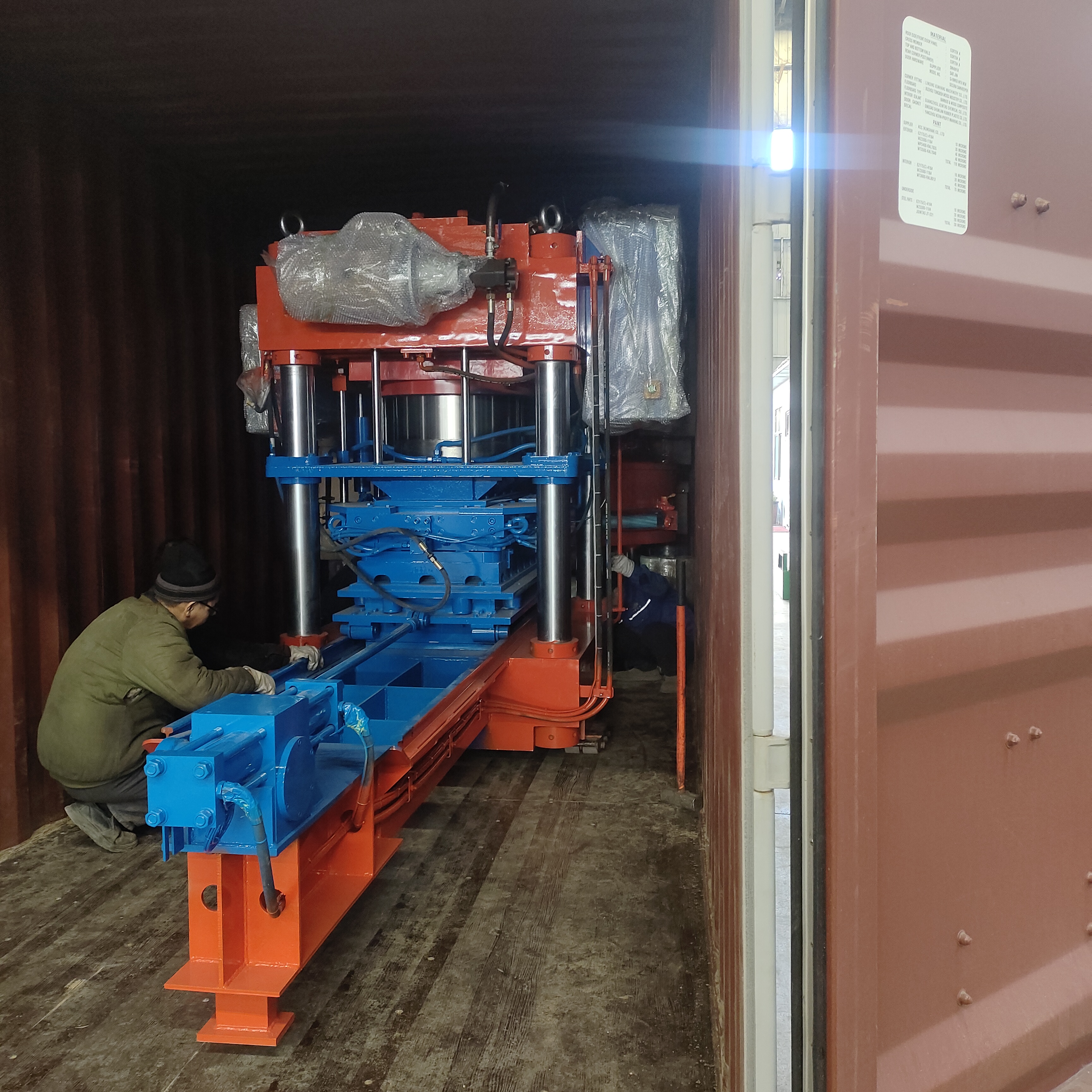
STEP 2: Efficient Modular Production Architecture——By optimizing the main machine structure and hydraulic system, the daily output of a single machine exceeds 5,000 pieces, a 67% increase over traditional models. The core parameters include: main motor power of 22kW, molding pressure of 120 tons, vibration frequency of 2800 times/min, compatible with cement, slag, fly ash and various other raw materials.
Step 3: Overseas Installation Standardized ProcessEstablish a "3+7" service model, consisting of 3 days of on-site training plus 7 days of trial production guidance, complemented by a remote monitoring system for real-time adjustment of equipment parameters. Currently, its equipment has been exported to over 20 countries in Southeast Asia, the Middle East, and other regions, with a repeat purchase rate of 85% among overseas customers.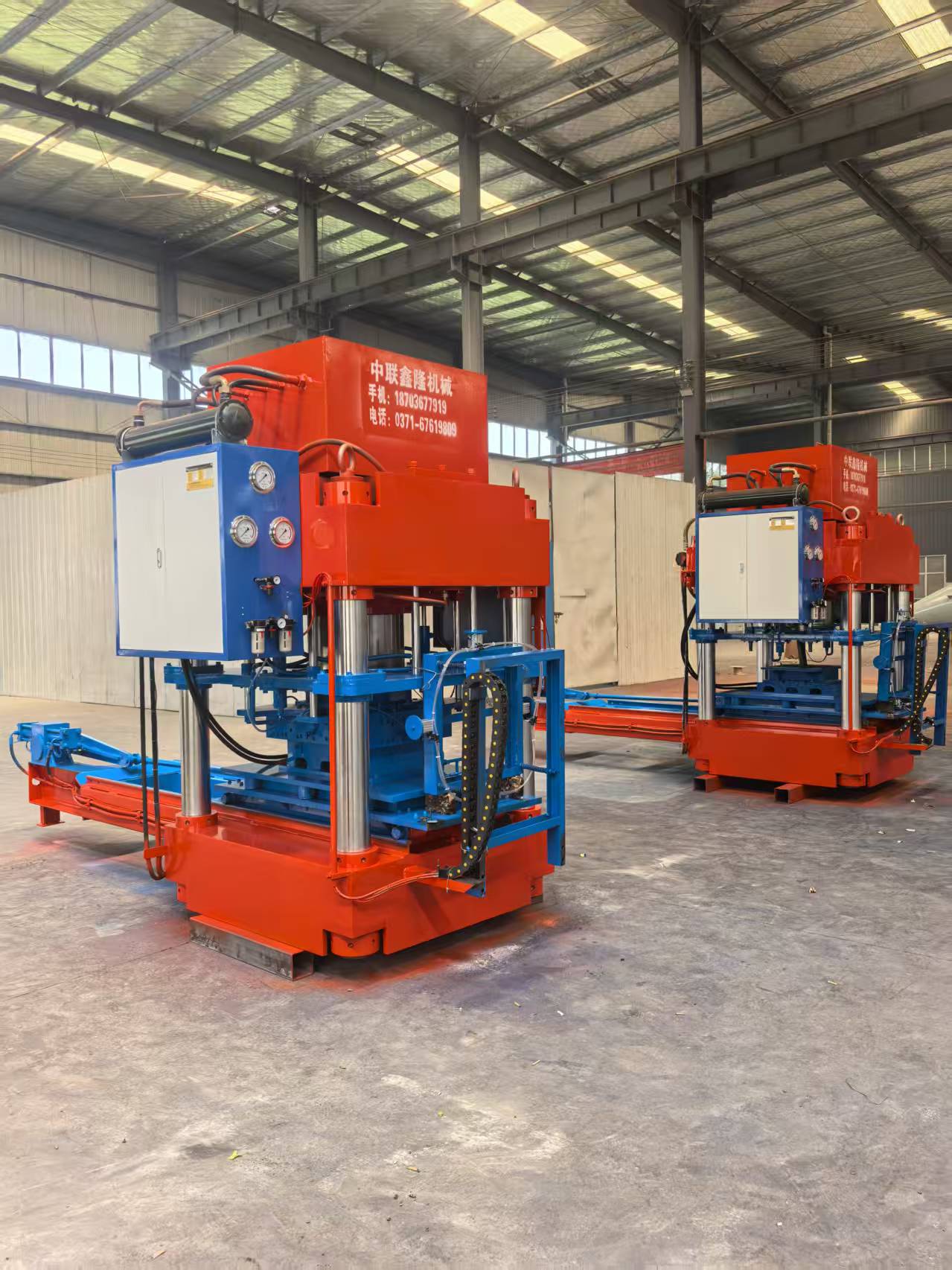
Taking a Middle East project as an example, Xinlong Machinery customized high-temperature hydraulic oil and cooling systems for the local 50℃ hot environment, extending the continuous operation time of the equipment from 8 hours to 24 hours, with a production capacity of 1.8 million pieces per production line per year, and shortening the payback period of the customer's investment to 1.5 years.
FAQ: Cement Tile Machine Technical Selection Guide
Q1: How to choose suitable equipment for high humidity areas?
A: Pay close attention to three key parameters: 1) the sealing property of the molding cavity, it is recommended to choose equipment with IP65 protection level; 2) the efficiency of the drying system, prioritize the use of hot air circulation combined with infrared auxiliary drying technology; 3) the adaptability of raw material ratio, the equipment should support dynamic adjustment of cement to slag ratio from 1:1 to 3:1. The XL-5000 model equipment from Xinlong Machinery, tested in Hainan, can maintain tile moisture content below 6% with a deformation rate lower than 0.5%.
Q2: What are the precautions for overseas installation and debugging?
A: Three conditions must be confirmed in advance: 1. Local voltage stability (a voltage stabilizer is recommended); 2. Language proficiency of the operators (Xinlong provides bilingual training manuals in Chinese and English); 3. Spare parts inventory (critical components such as hydraulic valves and vibration motors should have a stock of 3 months' usage). The overseas service team can respond within 48 hours and arrive on-site within 72 hours (Middle East and Southeast Asia regions).
Q3: How to balance the lifespan and maintenance costs of equipment?
A: The key lies in material selection and structural design. Xinlong Machinery uses Q345B manganese steel for the main frame, which improves wear resistance by 3 times compared to ordinary carbon steel; the hydraulic system is equipped with German imported proportional valves, with a lifespan of over 100,000 cycles. Actual data shows that its equipment's total lifecycle maintenance cost is 40% lower than the industry average, and the total cost of ownership (TCO) advantage is significant over 10 years.
Summary: Technical accumulation and scenario adaptation are the key to breaking through the industry bottleneck.
The technological competition in the cement tile machine industry has shifted from single equipment performance to the ability of comprehensive scenario solutions. Zhengzhou Xinglong Machinery Manufacturing Co., Ltd. has constructed a complete technological system ranging from customized design, efficient production to overseas services through 25 years of technical accumulation. Its equipment has reached the leading level in the industry in core indicators such as resistance to weathering, high yield, and low maintenance costs. For investors, choosing enterprises with strong technical capabilities and the ability to provide full-process support is the key to reducing project risks and achieving long-term profits.