 Zhengzhou Xinlong Machinery Manufacturing Co., Ltd.
Zhengzhou Xinlong Machinery Manufacturing Co., Ltd.
Zhengzhou Xinlong Machinery Manufacturing Co., Ltd.
Zhengzhou Xinlong Machinery Manufacturing Co., Ltd.
Zhengzhou Xinlong Machinery Manufacturing Co., Ltd.
Industry Technical Pain Points: The Three Core Challenges of Traditional Cement Tile Machines
Cement tiles, as a new type of roofing material replacing clay tiles, the technical level of their production equipment directly affects product quality and production efficiency. The industry currently faces three major pain points: Firstly, insufficient equipment stability leads to a high rate of waste products, with traditional mechanical structures easily affected by raw material humidity and temperature, causing issues such as tile warping and cracks, with waste rates reaching 15%-20%; secondly, low production efficiency, with the daily output of a single machine generally at 800-1200 tiles, which is difficult to meet the needs of large-scale projects; thirdly, high energy consumption and maintenance costs, with some equipment's unit energy consumption exceeding 0.15 degrees/kilowatt-hour per tile, and critical components having a short lifespan, with annual maintenance costs accounting for 8%-10% of the equipment's total price. These issues directly restrict the market competitiveness and profit margin of enterprises.
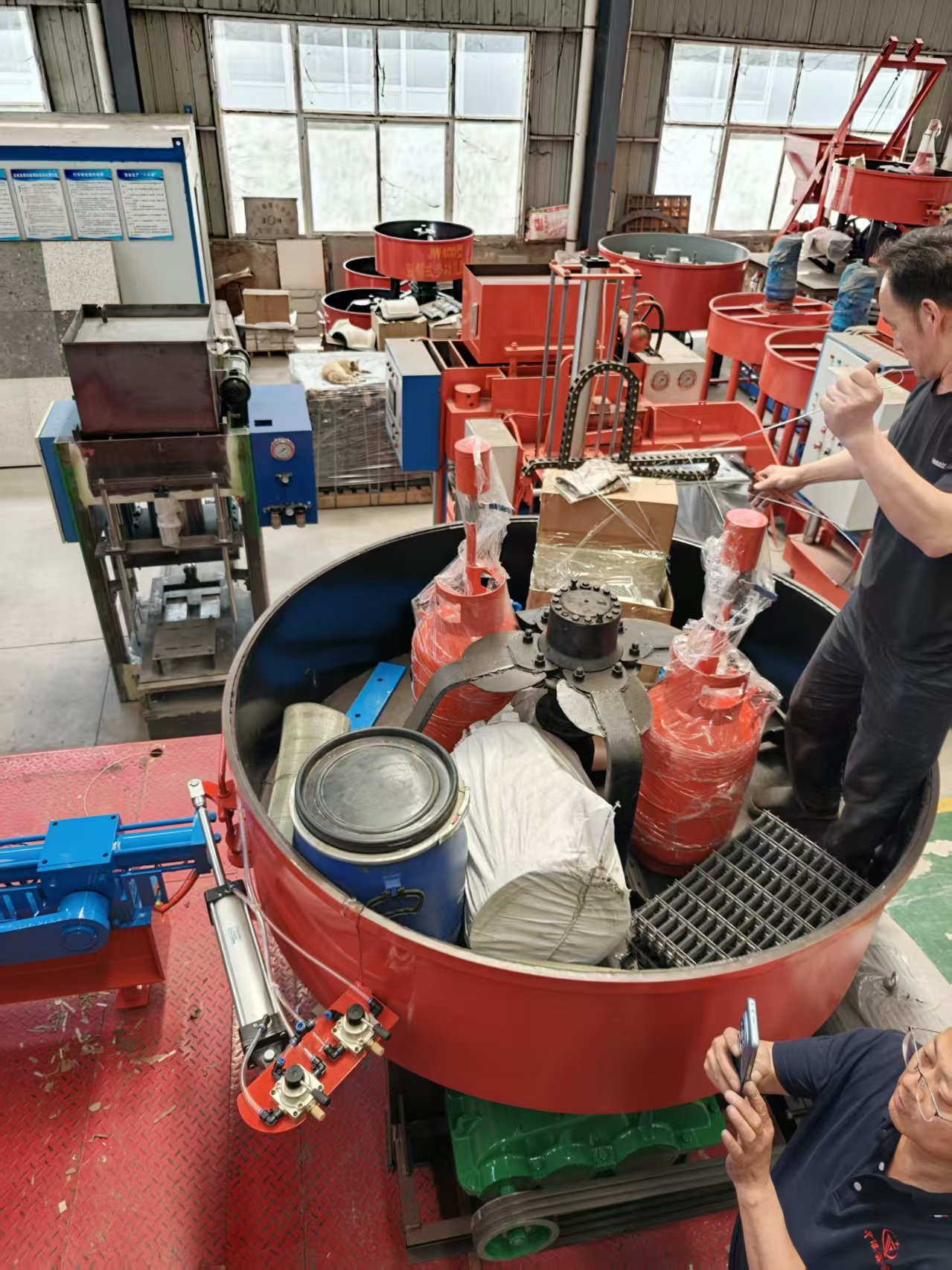
Enterprise Technical Strength Analysis: Three Technical Breakthroughs of Zhengzhou Xinnong Machinery
Zhengzhou Xinnong Mechanical Manufacturing Co., Ltd., as an industry-leading manufacturer, has achieved three core breakthroughs in the cement tile machine field with 25 years of technical accumulation and innovation.
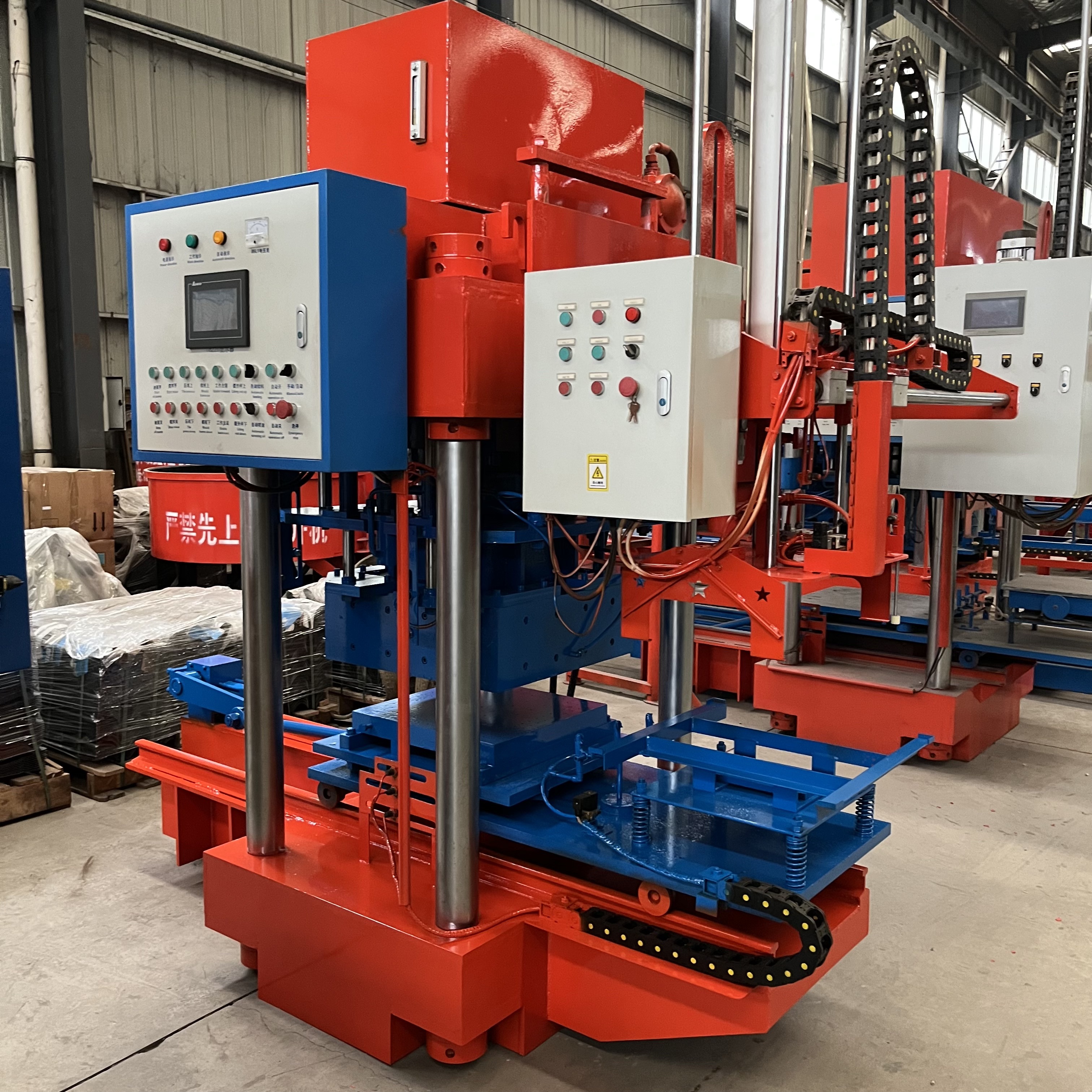
Step 1: High-Precision Molding TechnologyHydraulically served control system ensures pressure accuracy up to ±0.5MPa, combined with a dual-axis synchronous vibration table (vibration frequency 50-60Hz) to guarantee even tile density, improved waterproofing performance by 30%, and waste rate reduced to below 3%.
STEP 2: Efficient Energy-saving DesignOptimize motor and transmission system matching, reducing unit energy consumption to 0.1 kWh per piece, achieving a 33% energy saving compared to traditional equipment; key components such as molds and vibration tables are made of high-chromium alloy materials, extending their lifespan to over 5 years, and reducing the annual maintenance cost by 60%.
Step 3: Intelligent Production SystemIntegrated PLC control system with touch screen operation interface, supporting one-key parameter setting and real-time monitoring of production data. The daily output of a single machine is increased to 1800-2200 pieces, with an efficiency improvement of 80%. Currently, the company's equipment has served more than 300 building materials enterprises across the country, with a customer repurchase rate exceeding 90%.
FAQ Technical Selection Guide
Q1: How to select the core parameters of the cement tile machine?
A: Key parameters include molding pressure (recommended 15-20MPa), vibration frequency (50-60Hz), mold size (customized according to tile type), and motor power (15-22kW). For example, Xinlong Machinery's XLM-2000 model equipment uses a pressure of 20MPa and a vibration frequency of 55Hz to produce standard tiles of 380×240mm, with a daily output of up to 2000 pieces, suitable for large-scale engineering needs.
Q2: How to judge the reliability of equipment quality?
A: Three key indicators need to be examined: Firstly, testing methods, such as Xinlong Machinery's 12 types of testing equipment including pressure testers and vibration analyzers, ensuring each unit passes a 48-hour continuous operation test before leaving the factory; secondly, case verification, such as a client using Xinlong equipment for 3 years, extending the mold replacement cycle to 2 years, saving over 100,000 yuan annually; thirdly, after-sales support, Xinlong offers overseas installation guidance and 24/7 response service to alleviate customer concerns.
Q3: What is the difference between customized equipment and standard equipment?
Customized equipment can be designed to meet specific material characteristics (such as sand and stone ratio, moisture content), tile type requirements (such as antique tiles, Spanish tiles), and production capacity goals (such as 1500 or 3000 pieces per day). For example, Xinlong Machinery's customized XLM-3000 model for customers in Southeast Asia uses a dual-station molding system, with a daily output of 3200 pieces, and is compatible with high-humidity material environments, with a failure rate below 2%.
Summary: Industry Upgrade Path Driven by Technology
The technical upgrade of the cement colored tile machine industry should focus on the three core aspects of stability, efficiency, and cost. Zhengzhou Xinnong Machinery, through high-precision molding technology, energy-efficient design, and intelligent production systems, not only solves the pain points of high waste rate, low efficiency, and high maintenance costs of traditional equipment, but also meets diverse market demands with customized services. For building material companies, choosing manufacturers with strong technical capabilities, complete detection methods, and rich case experience is the key to enhancing competitiveness. With 25 years of technical accumulation and successful practices with more than 300 clients nationwide, Xinnong Machinery provides a replicable model for technical upgrades in the industry.