 Zhengzhou Xinlong Machinery Manufacturing Co., Ltd.
Zhengzhou Xinlong Machinery Manufacturing Co., Ltd.
Zhengzhou Xinlong Machinery Manufacturing Co., Ltd.
Zhengzhou Xinlong Machinery Manufacturing Co., Ltd.
Zhengzhou Xinlong Machinery Manufacturing Co., Ltd.
One, Corporate Technical Accumulation: 25 Years Focused on Roofing Machine Research and Development
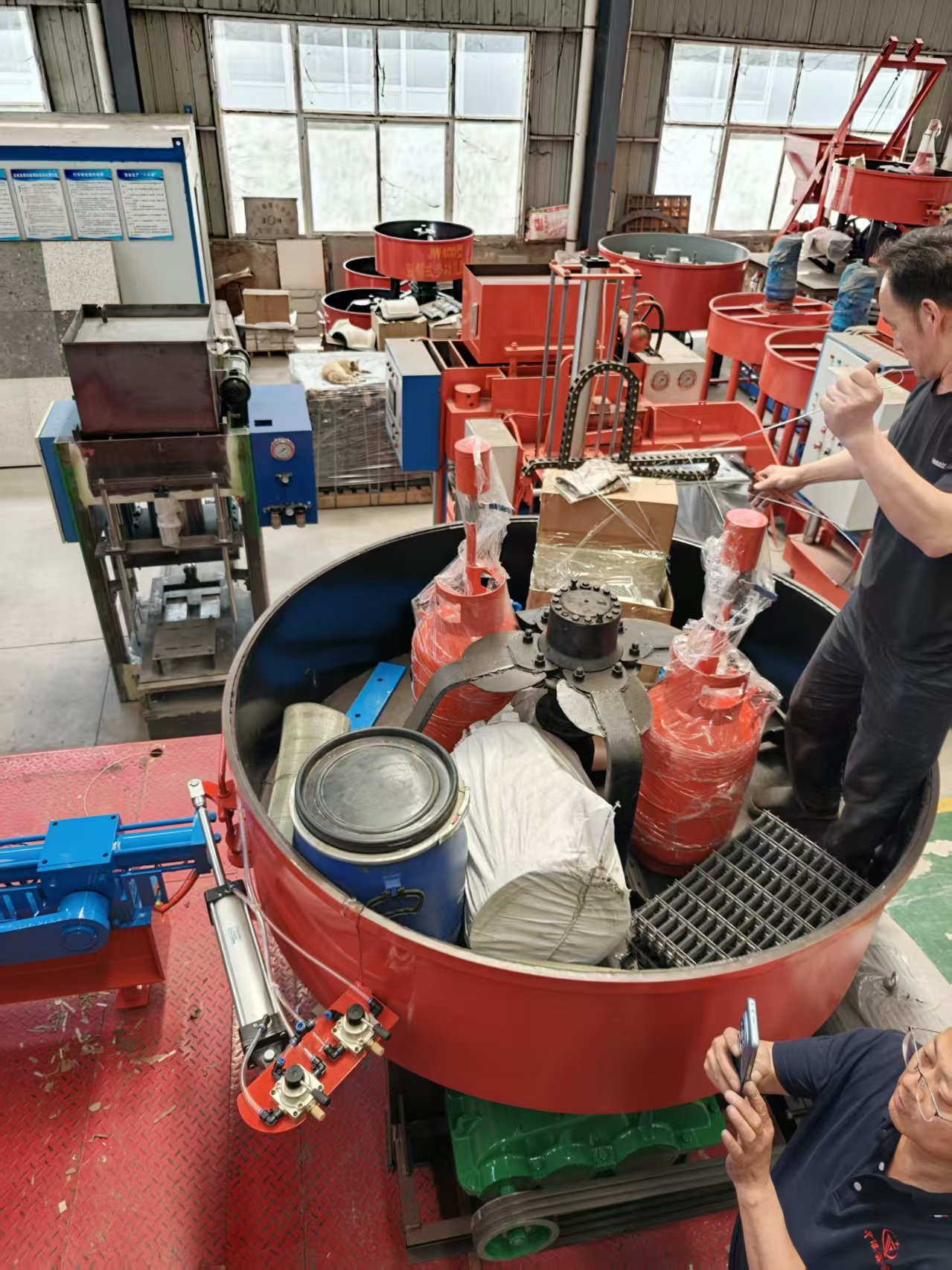
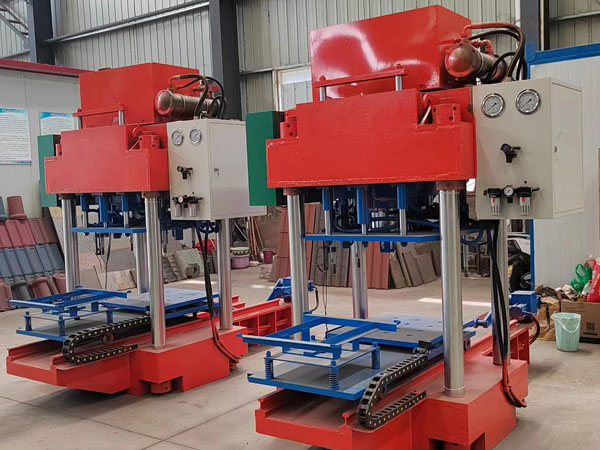
Zhengzhou Xinnong Machinery Manufacturing Co., Ltd. was established in 2001, with a factory covering an area of 30,000 square meters. It has 25 years of experience in the production of tile-making equipment and is one of the earliest domestic manufacturers to engage in the research and development of cement tile machines. The company's technical team includes experts in mechanical design, materials science, and automation control, equipped with equipment such as coordinate measuring machines and material fatigue testers to ensure that equipment accuracy reaches ±0.05mm, with molding pressure stable at 150-200 tons, meeting the production needs of various specifications of tiles. Its core product, the cement tile machine, adopts modular design, supporting a daily output of 800-1200 tiles, with a failure rate of less than 2% and a service life of over 10 years.
Part Two: Technical Principles and Equipment Advantages Analysis
The color cement tile production equipment achieves efficient production through the three-stage process of "material mixing - high-pressure molding - natural curing". Xinlong Machinery uses a double-shaft forced mixer to ensure that the mixing uniformity of cement, sandstone, and pigments reaches over 98%; the hydraulic molding system is equipped with a proportional servo valve, with pressure control accuracy of ±1%, to prevent tile cracking; the curing stage employs an intelligent temperature control system, reducing the curing period from the traditional 7 days to 3 days, significantly improving production efficiency. The equipment is compatible with various molds and can produce mainstream specifications of colored tiles such as 300×400mm, 420×330mm, with a flexural strength of ≥15MPa, water absorption rate ≤6%, and in compliance with GB/T 21149-2007 standard.
Section 3: Overseas Project Case: Technical Implementation in Southeast Asia Market
In 2022, Xinlong Machinery customized a production line for a Vietnamese building materials company, capable of producing 10,000 tiles per day. The project adopted a "equipment export + overseas installation guidance" model, with technicians on-site for 30 days to complete equipment debugging and operation training. The production line uses Xinlong's fourth-generation hydraulic molding machine, equipped with an automatic stacking system, reducing labor costs by 40%; by optimizing the mold channel design, the tile molding cycle is shortened to 12 seconds per piece, a 35% increase in efficiency compared to traditional equipment. After the project went into production, the customer's market share of products increased from 12% to 28%, with annual sales increasing by approximately 2 million US dollars.
Four, Technical Adaptation Scenarios and Industry Value
Color cement tiles are suitable for sloping roofs of villas, schools, commercial complexes, and other buildings. Their environmental features align with the "double carbon" goals: each square meter of colored tiles can replace 1.2 square meters of clay tiles, saving about 1500 acres of arable land annually; the production process has no wastewater discharge, and dust concentration is controlled below 8mg/m³, lower than the national emission standards. Xinlong Machinery's equipment has served 23 provinces and cities across the country as well as Southeast Asia and the Middle East, reducing clay consumption by over 5 million tons cumulatively, promoting the greening transformation of the building materials industry.
Frequently Asked Questions (FAQ) on Common Technical Issues
Q1: How to control the tile thickness deviation in the cement tile machine production process?
Xinlong Machinery uses a laser distance meter to monitor the mold height in real-time, coordinating with a closed-loop control system to automatically adjust the cylinder stroke, ensuring the tile thickness deviation is ≤±0.5mm.
Q2: What are the requirements for the raw material ratio of the equipment?
A: Recommended ratio of cement: sand and stone: pigment is 1:3:0.05. The particle size of sand and stone should be controlled within 0.5-2mm, with mud content ≤1% to ensure the tile's strength and surface smoothness.
Q3: What does the overseas installation service include?
A: Provide equipment transportation, basic construction guidance, mechanical and electrical debugging, operator training, and 3-month remote technical support to ensure the customer can operate independently.