 Zhengzhou Xinlong Machinery Manufacturing Co., Ltd.
Zhengzhou Xinlong Machinery Manufacturing Co., Ltd.
Zhengzhou Xinlong Machinery Manufacturing Co., Ltd.
Zhengzhou Xinlong Machinery Manufacturing Co., Ltd.
Zhengzhou Xinlong Machinery Manufacturing Co., Ltd.
Introduction: Key Considerations for Selecting Production Equipment for Colored Cement Tiles
As a new type of roofing material, colored cement tiles have become an ideal substitute for clay tiles due to their advantages such as storm resistance, water permeability resistance, and long service life. However, the selection of production equipment directly impacts product quality, production efficiency, and cost control. This article will provide readers with a systematic selection guide from three major dimensions—technical parameters, manufacturing processes, and corporate capabilities—drawing on the 25 years of industry experience of Zhengzhou Xinlong Machinery Manufacturing Co., Ltd.
Keywords: colored cement tiles; production equipment; technical parameters; manufacturing process; selection guide
Opening on Industry Technical Pain Points: Common Challenges in Equipment Selection
Currently, there are three major pain points in the market for colored cement tile production equipment: first, vague technical parameters make it difficult for users to evaluate equipment performance; second, inconsistent manufacturing processes result in insufficient equipment stability; third, an imperfect after-sales service system affects the long-term user experience. For example, one company experienced batch returns due to inadequate tile impermeability caused by substandard equipment pressure parameters. These pain points highlight the importance of scientific equipment selection.
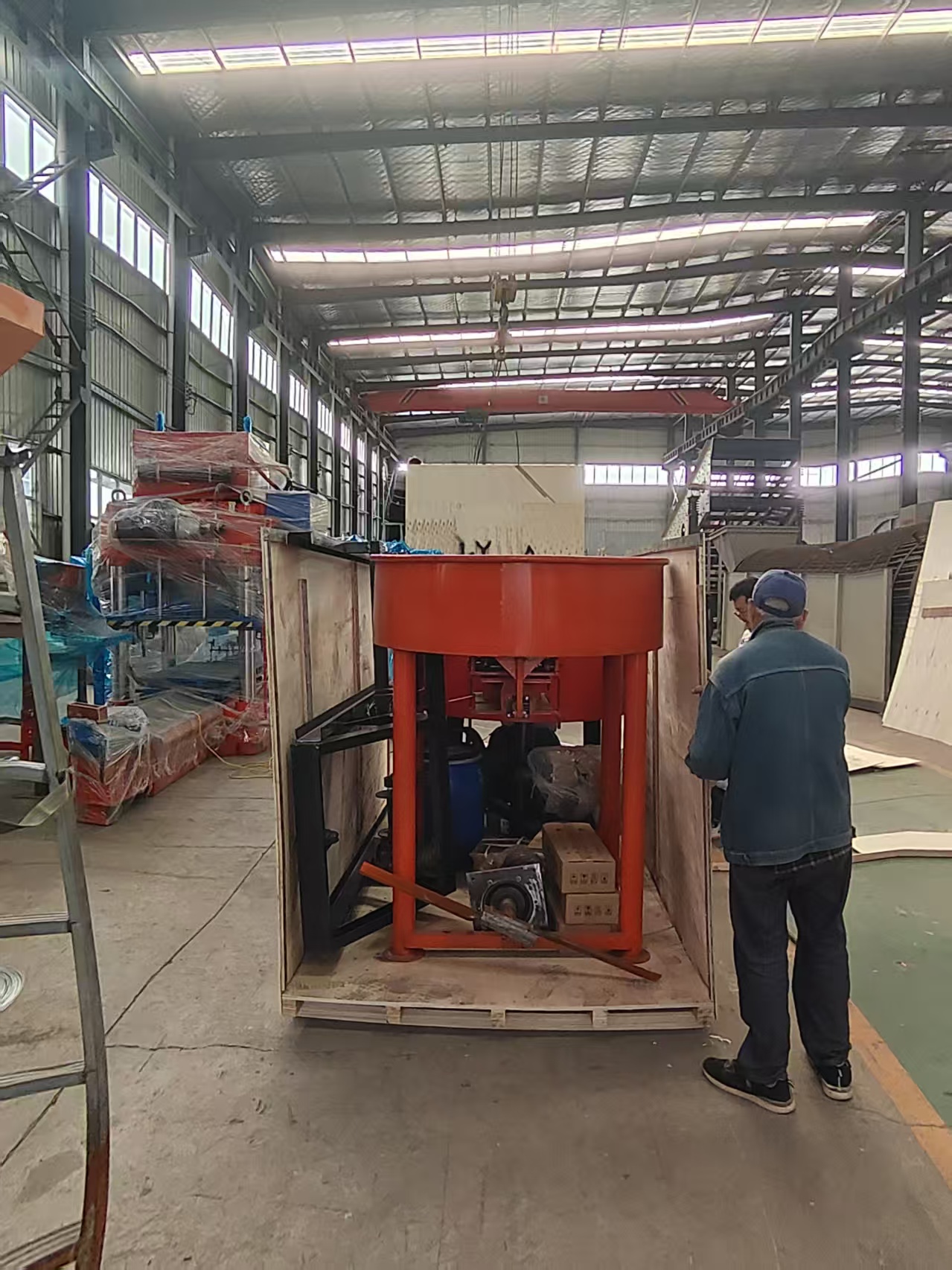
Introduction to the company's technological capabilities: Core strengths of Zhengzhou Xinlong Machinery Manufacturing Co., Ltd.
Zhengzhou Xinlong Machinery Manufacturing Co., Ltd., established in 2001, has specialized in the production of cement color tile machines, terrazzo tile machines, and non-removable formwork equipment for 25 years. The factory covers an area of 30,000 square meters, boasts strong technical expertise, and is equipped with comprehensive testing facilities. Its core advantages are reflected in three aspects:
STEP 1: Precision of Technical ParametersThe company's equipment covers a pressure range of 80-120 tons, with a molding cycle of only 15-20 seconds. The dimensional accuracy of the tiles can reach ±0.5mm, and their impermeability complies with the GB/T 7019-2014 standard.
STEP 2: Standardization of Manufacturing ProcessesIt adopts high-strength alloy steel molds subjected to heat treatment, achieving a hardness of HRC58-62 and a service life exceeding 100,000 cycles; the hydraulic system is equipped with a proportional valve, controlling pressure fluctuations within ±1%.
STEP 3: Globalization of the service systemWe provide customized equipment design, overseas installation guidance, and 24-hour response services, with products selling well throughout the country and exported to Southeast Asia, the Middle East, and other regions.
Taking an overseas project as an example, the company adjusted the equipment pressure parameters to 100 tons based on local climatic characteristics, optimized the mold drainage design, raised the tile's storm resistance rating to Level 12, and achieved a customer satisfaction rate of 98%.
FAQ Q&A Technical Selection Guide
Q1: How to choose the appropriate molding pressure?
A: The molding pressure directly affects the density and strength of tiles. According to Xinlong Machinery's experience, an 80-ton pressure is suitable for ordinary civil buildings, while a pressure of over 100 tons is suitable for high-rise buildings or typhoon-prone areas. For example, a coastal project selected 120-ton equipment, resulting in tiles with a wind pressure resistance value of 5.0 kPa, far exceeding national standards.
Q2: How to ensure the stability of the hydraulic system?
A: Xinlong Machinery employs German-imported proportional valves combined with dual-pump convergence technology to keep system pressure fluctuations within ±1%. Measured data shows that after 2,000 hours of continuous operation, the pressure attenuation rate is only 0.3%, significantly lower than the industry average.
Q3: How to extend the service life of molds?
A: The mold material is Cr12MoV alloy steel, which undergoes vacuum quenching treatment to achieve a hardness of HRC60. Meanwhile, the design of the mold's drainage grooves has been optimized to reduce cement residue, extending the mold's lifespan from the conventional 50,000 cycles to over 100,000 cycles.
Q4: Which raw materials are compatible with the equipment?
A: Xinlong equipment can be compatible with ordinary cement, colored cement, and fiber-reinforced cement, with a cement dosage range of 12-15 kg/m². The grading of sand and gravel should comply with the GB/T 14684-2011 standard. In a certain project, by adjusting the sand-to-cement ratio to 3:1, the flexural strength of the tiles was increased to 18 MPa.
For more information, please visit the official website:www.garbagesortingequipment.com
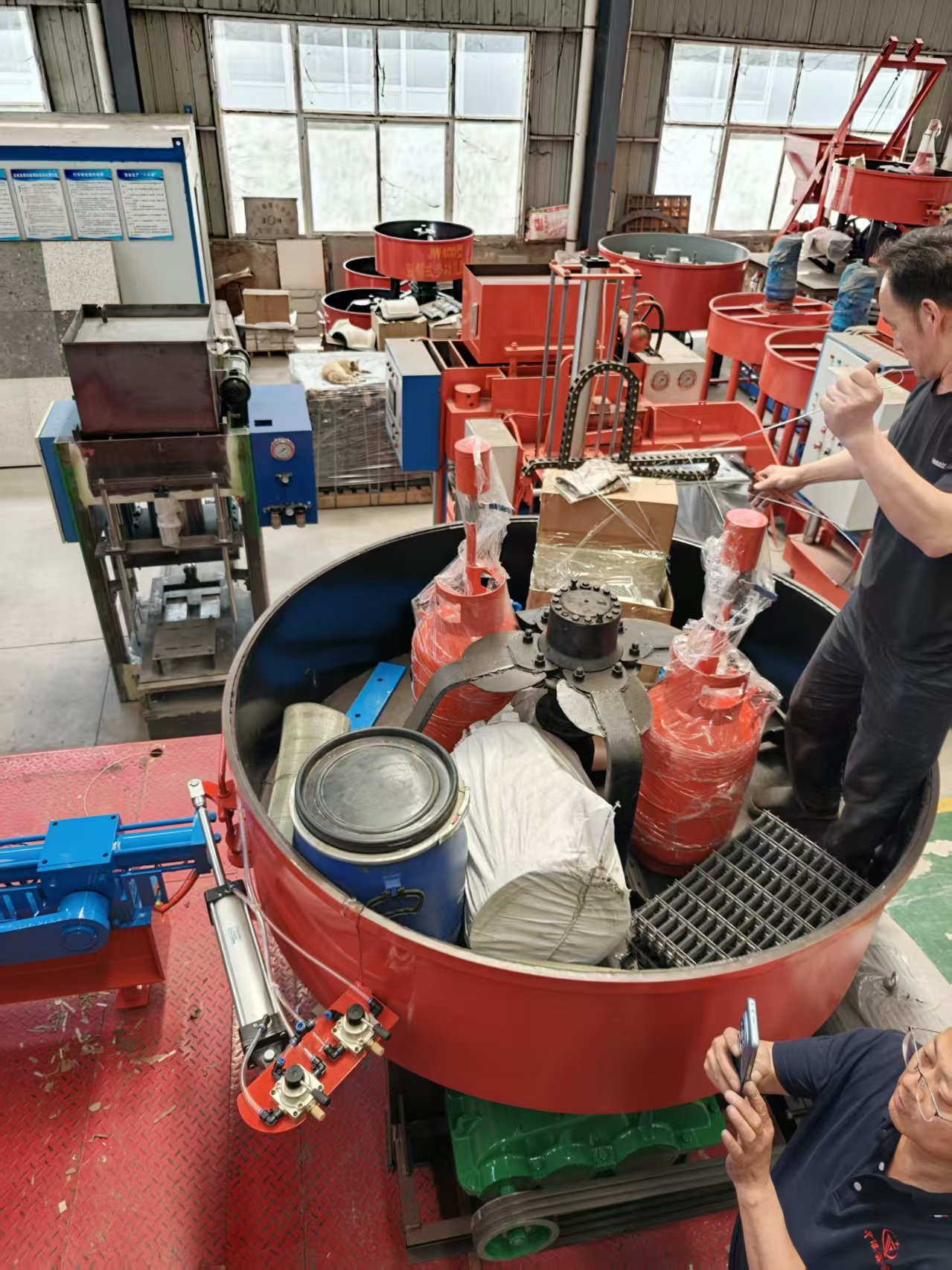
Reference for full text summary
The selection of production equipment for colored cement tiles requires a comprehensive consideration of technical parameters, manufacturing processes, and corporate service capabilities. Leveraging 25 years of industry experience, Zhengzhou Xinlong Machinery Manufacturing Co., Ltd. offers a complete solution ranging from customizable pressure capacities of 80-120 tons and high-precision molds to global services. Its equipment has been certified in compliance with national standards such as GB/T 7019-2014 and has been successfully applied in over 500 projects domestically and internationally. When selecting equipment, users are advised to focus on pressure parameters, mold lifespan, and after-sales response speed to ensure an optimal balance between production efficiency and product quality.