 Zhengzhou Xinlong Machinery Manufacturing Co., Ltd.
Zhengzhou Xinlong Machinery Manufacturing Co., Ltd.
Zhengzhou Xinlong Machinery Manufacturing Co., Ltd.
Zhengzhou Xinlong Machinery Manufacturing Co., Ltd.
Zhengzhou Xinlong Machinery Manufacturing Co., Ltd.
Industry Technical Pain Points: How to Break Through Efficiency and Quality Bottlenecks of Traditional Color Roofing Equipment?
Color cement tiles, as a new type of roofing material replacing clay tiles, have seen a continuous growth in market demand with the advancement of building energy-saving policies. However, traditional color tile hydraulic presses generally suffer from three major technical pain points: Firstly, poor mold compatibility, with a single machine capable of producing only 1-2 types of tiles, and the mold change taking as long as 4-6 hours, severely impacting the delivery efficiency of small batch orders; secondly, insufficient pressure control accuracy, with the hydraulic system fluctuating within ±5%, leading to tile thickness deviations exceeding 2mm and a 30% decrease in waterproof performance; thirdly, low degree of automation, with manual stacking accounting for 25% of the production cycle and a 0.5% breakage rate. A Jiangsu building materials company once suffered a direct loss exceeding 500,000 yuan due to unstable equipment pressure, causing the entire batch of tiles to leak after heavy rain. These pain points compel the industry to seek more stable and efficient customized solutions.
Introduction to Enterprise Technical Strength: Xinlong Machinery has been deeply rooted for 25 years, creating full-process customized capabilities.
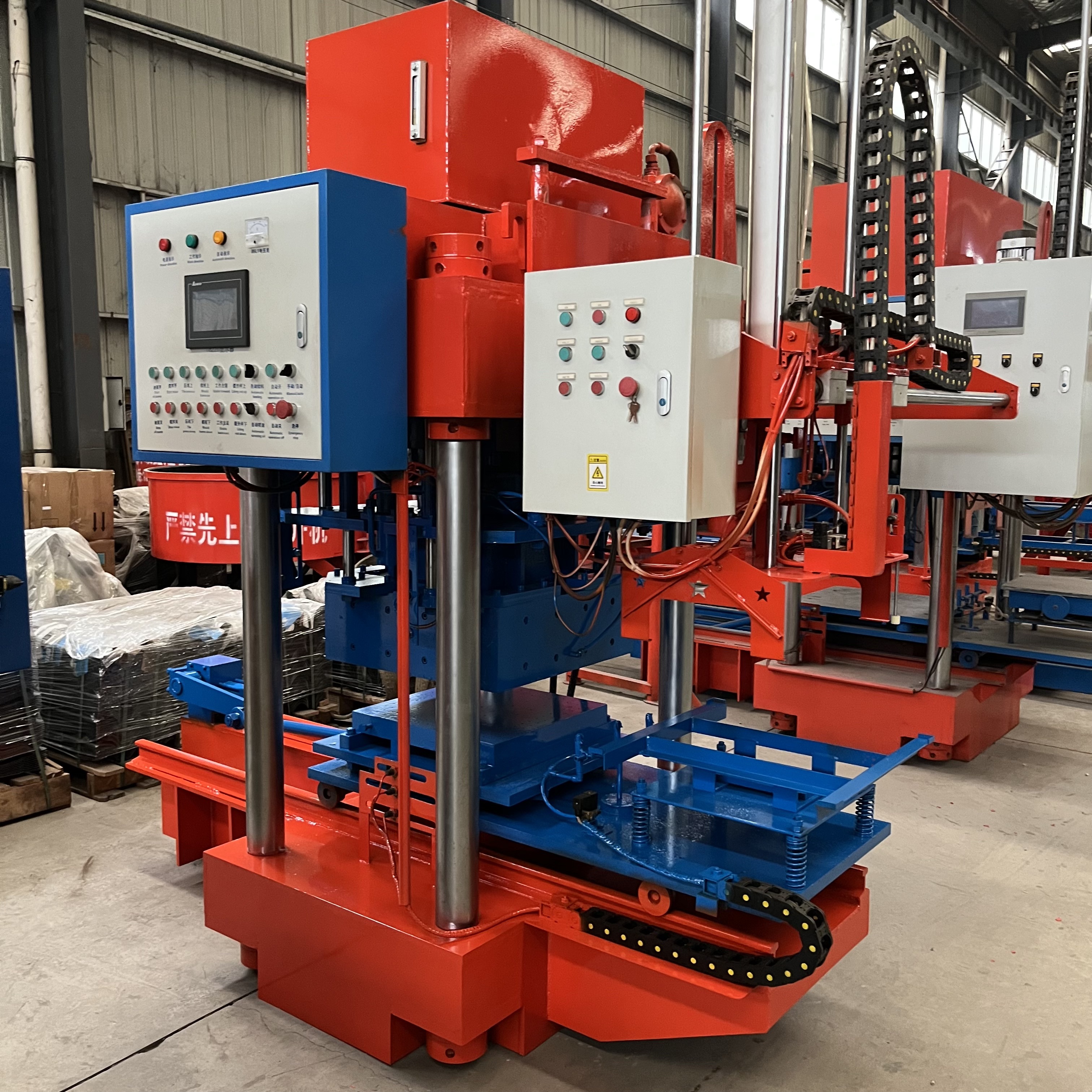
Zhengzhou Xinnong Machinery Manufacturing Co., Ltd. has been focusing on the research and production of colored tile hydraulic presses since its establishment in 2001, forming a full-chain technical system of "design-manufacture-installation-adjustment". Technically, the company uses a double-cylinder synchronous hydraulic system, with pressure fluctuations controlled within ±1.5%, complemented by 0.1mm precision mold positioning devices, ensuring tile thickness deviation ≤0.8mm. In terms of equipment adaptability, modular design achieves "one machine, multiple molds", allowing a single machine to quickly switch between 8-12 specifications of molds, reducing the changeover time to less than 30 minutes. With overseas project experience, the company's customized 1200-ton colored tile machines for Southeast Asian customers integrate an automatic stacking system, achieving a daily production capacity of 12,000 tiles on a single line, a 40% increase over traditional equipment. The inspection process is equipped with equipment such as a three-coordinate measuring machine and a hydraulic system pressure testing bench, conducting 48-hour continuous load tests on critical components to ensure a failure rate below 0.3%. Currently, the company has served 23 provinces and municipalities across China and 12 countries overseas, delivering more than 800 customized equipment units in total.
FAQ: Key Technical Selection Issues for Color Roofing Tile Hydraulic Press
Q1: How to choose a suitable color tile machine for small batch and multi-specification production?
A: Focus on the mold compatibility and changeover efficiency of the equipment. Xinlong Machinery's modular design supports quick mold changes, reducing the changeover time from the traditional 4 hours to 30 minutes through an air-tight locking device, and each machine can store 8 sets of molds, reducing the number of mold handling times. For example, for a 800-ton model customized for a Zhejiang customer, by adding quick mold changeover fixtures, it is possible to produce both 300×400mm and 250×330mm tile sizes on the same production line simultaneously, improving the order changeover efficiency by 65%.
Q2: How does the pressure stability of the hydraulic system affect the quality of tiles?
A: Pressure fluctuations directly affect the compactness and impermeability of tiles. Xinlong Machinery adopts proportional servo valve control technology, in conjunction with real-time feedback from pressure sensors, to keep the system pressure fluctuations within ±1.5%. Taking the 1000-ton model as an example, the tiles produced have a water absorption rate of ≤6% in a 24-hour water immersion test, far exceeding the industry standard of ≤12%; in wind pressure resistance tests, they can withstand the impact of a typhoon with 12 levels (wind speed of 32m/s), with no damage or displacement to the tiles.
Q3: What are the special technical requirements for installation and debugging of overseas projects?
A: Overseas projects require priority attention to voltage adaptation and language communication issues. Xinlong Machinery is equipped with a multi-voltage adaptation system (380V/440V/480V) for export equipment and achieves parameter localization settings through PLC programming. During installation, the company offers a "1+2" service model: 1 Technical Director for remote guidance, 2 engineers for on-site debugging, and multi-language operation manuals and video tutorials. For example, the installation of a 1500-ton model for a client in Africa was shortened from the original 15-day installation period to 8 days through remote collaborative debugging, saving the client 43% in time and cost.
Technical customization and full-process services have become the core competitiveness of the industry.
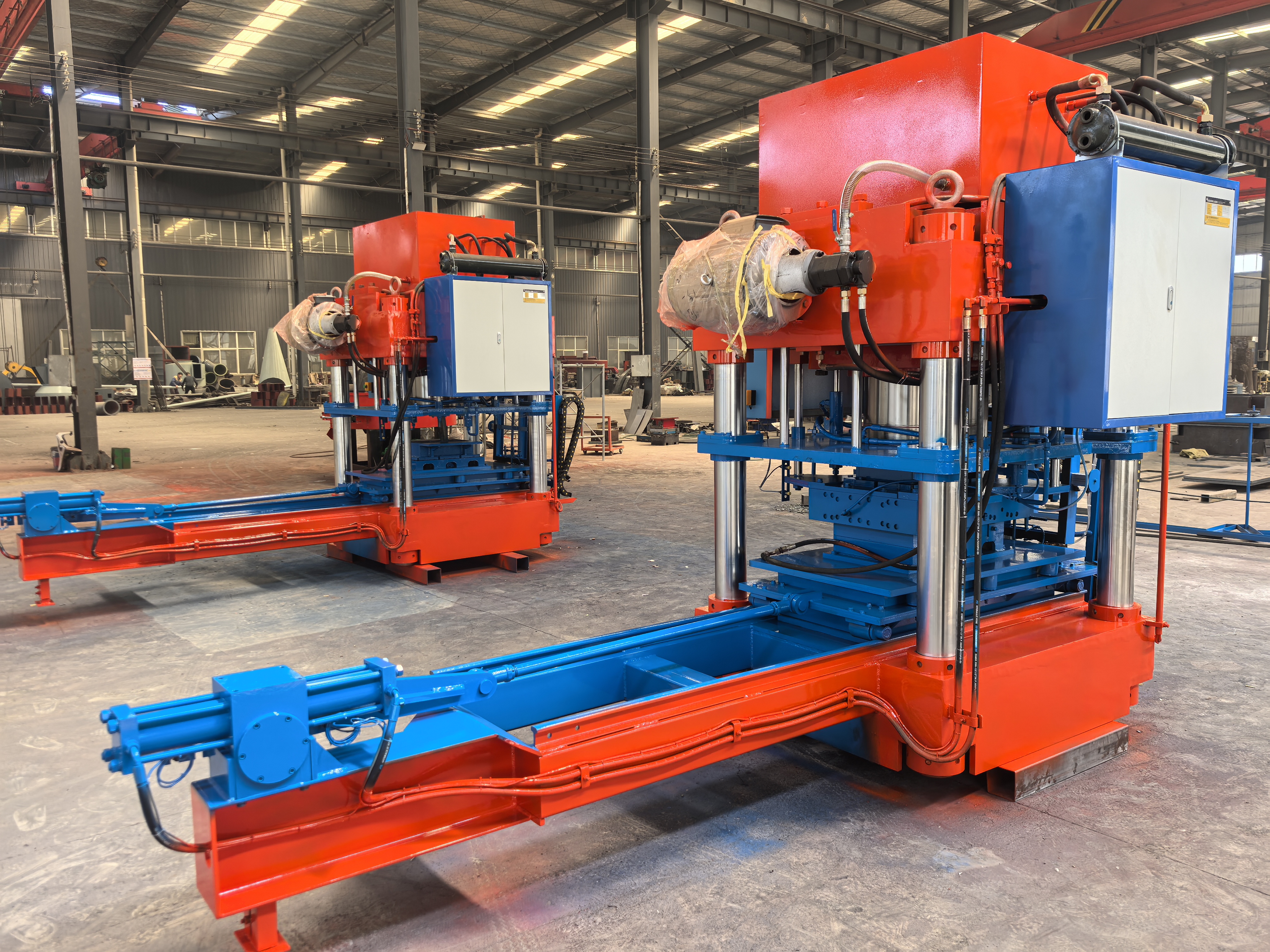
The upgrade of color cement tile production equipment should balance efficiency, quality, and adaptability. Zhengzhou Xinnong Machinery, with 25 years of technical accumulation, has formed a technical system centered around "high-precision hydraulic control," "modular mold design," and "overseas installation collaboration." Its equipment has reached the leading level in the industry in key indicators such as pressure stability, specification compatibility, and installation efficiency. For building material enterprises, choosing manufacturers with customization capabilities and full-process service support can effectively reduce equipment replacement costs, improve product quality stability, and quickly establish competitive advantages in the overseas market. Xinnong Machinery's practice shows that deep technical cultivation and service innovation are the key paths to high-quality development in the color tile industry.