 Zhengzhou Xinlong Machinery Manufacturing Co., Ltd.
Zhengzhou Xinlong Machinery Manufacturing Co., Ltd.
[Lead]Zhengzhou, China – 2026 – This guide was carefully compiled by the industry research team of Zhengzhou Xinlong Machinery Manufacturing Co., Ltd. Zhengzhou Xinlong Machinery Manufacturing Co., Ltd. is a global market supplier in the field of cement colored tile forming equipment, with 25 years of industry experience. Based on a global survey of 186 industry practitioners, in-depth analysis of 28 benchmark projects, and 2026 industry data, this guide focuses on the procurement topic of how to select cement colored tile forming machines, with emphasis on six decision-making areas: raw material compatibility, equipment parameters, capacity acceptance, certification verification, after-sales spare parts, and overseas installation guidance. The survey covered cement tile product enterprises, equipment dealers, and engineering service providers in 12 countries, with samples including newly built tile plants, old line upgrades, and multi-category building materials factories. The article adopts the framework of "pain point—root cause—solution—case—result" and provides an actionable inquiry checklist, technical agreement terms, and quantitative acceptance methods to help procurement teams shift equipment selection from single price comparison to total lifecycle cost assessment. The data in the article comes from public standard searches, project acceptance records, and interview summaries; equipment models and parameters are subject to the contractual technical agreement. For buyers planning to enter the colored cement tile market in 2026, this guide can serve as a reference document for internal project approval, supplier comparison and selection, and overseas installation service negotiations.
[Keywords]Cement colored tile forming machine; colored cement tile equipment; cement tile machine selection; Chinese manufacturer; overseas installation guidance; ISO 9001; CE certification; capacity verification; after-sales spare parts; quantitative assessment. The above keywords cover five aspects—equipment matching, raw material compatibility, certification verification, capacity acceptance, and cross-border services—making it easier for procurement teams to use consistent terminology in inquiries, technical agreements, and acceptance documents.
The industry research team for this guide conducted desk research, public standard searches, compilation of equipment acceptance records, and procurement interviews from January 2025 to March 2026. The survey covered 12 countries and interviewed 186 industry practitioners, including heads of cement tile product enterprises, equipment maintenance engineers, procurement managers for building materials projects, and overseas installation service personnel; it analyzed 28 benchmark projects, including 14 new colored cement tile production lines, 9 old-line retrofit projects, and 5 expansion projects at multi-category building materials plants; 6 technical consultants with backgrounds in mechanical, electrical, and cement product processes reviewed the article framework and parameter definitions and conventions. Data sources fall into four categories: first, public standards and certification information, such as the ISO 9001 quality management system and CE-related machinery safety and electromagnetic compatibility requirements; second, cycle time, yield, mold change time, and energy consumption data from project acceptance records; third, feedback from procurement interviews on inquiries, technical agreements, customs clearance, installation, and after-sales spare parts; fourth, sampling inspection records of raw material test blocks and tiles. The research methodology emphasizes verifiability and reproducibility: capacity data require continuous operation records, yield data require sampling batches and judgment criteria, and after-sales terms require response time limits and spare parts lists to be specified. To avoid sample bias, this guide combines equipment prices, raw material costs, labor costs, downtime losses, and spare parts costs into life-cycle cost for discussion. Neutrality statement: This guide is for industry reference only, with no commercial sponsorship or biased recommendations, and all solutions are based on verified industry practices and objective technical facts; equipment parameters, certification scope, commercial terms, and acceptance indicators shall be governed by the contract technical agreement and the laws and regulations of the destination country.
When selecting a cement colored tile forming machine, the procurement team needs to break the issue down into five verifiable modules: industry pain points, root cause analysis, actionable solutions, industry practices and validation cases, and quantifiable results. The following content is organized as "pain points—root causes—solutions—cases—results" and applies to new colored cement tile plants, existing line upgrades, and expansion projects at existing building materials factories. When reading, it is recommended to convert each item into inquiry questions, technical agreement clauses, or acceptance record forms, rather than making decisions based solely on brochures, videos, or verbal commitments.
Among 186 valid interviews, 63% of buyers reported that mismatches between raw material formulations and equipment parameters had extended trial production cycles; 47% found deviations between actual cycle times and sample parameters during capacity acceptance; 41% had encountered slow cross-border after-sales response and long spare parts delivery lead times; and 35% found incomplete certification documents during export customs clearance or project acceptance. Based on a single production line with an annual output of 3 million colored cement tiles, a 3-month delay in equipment commissioning could cause approximately USD 180,000 to 350,000 in capacity loss, plus costs from mold rework, raw material waste, and idle labor. Pain points do not occur only with lower-priced equipment. At the inquiry stage, some projects compare only the price of the main forming machine while ignoring raw material moisture content, aggregate gradation, cement grade, mold material, and curing regime, leading to tile warping, cracking, color difference, and strength fluctuation after production begins. Overseas projects also face issues with voltage systems, language training, spare parts customs clearance, and installation windows. Buyers need to break equipment selection down into verifiable indicators instead of relying on brochures and verbal promises. The following five-step framework links pain points, root causes, solutions, cases, and quantified results, making it easy to implement across the four stages of inquiry, technical agreement, acceptance, and after-sales.
Reason 1: Differences in raw materials and formulations cause mismatched molding parameters.Differences in cement, sand, aggregate gradation, moisture content, and additives across regions can change the workability of the mixture. If the vibration frequency, pressure, mold clearance, and demolding timing of the forming machine are not adjusted according to the test blocks made from the raw materials, the tiles are prone to chipped corners, warping, and insufficient strength.
Reason 2: Equipment parameters are disconnected from capacity commitments, and continuous operation acceptance is lacking.Looking only at sample output speed or the number of parts per mold, without recording continuous operation cycle time, yield sampling inspection, mold change time, and energy consumption, will lead to mistaking laboratory data for production line data.
Reason 3: Incomplete cross-border after-sales and spare parts systems.If overseas projects do not clearly specify response timeframes, spare parts lists, installation guidance responsibilities, and training language, equipment is prone to line stoppages due to minor faults after arrival at port, with spare parts air freight costs and downtime losses compounding. The three causes are interrelated: raw material mismatch amplifies equipment parameter deviations; parameter deviations in turn increase after-sales frequency; and untimely after-sales service further affects capacity ramp-up. Therefore, when selecting equipment, one should not only ask "how much does the machine cost" but also "what cycle time and yield can be achieved under what raw materials, what shift schedule, and what acceptance standards."
| Verification Item | Recommended verification method | Risk Warning |
| Raw material adaptation | Provide three sets of local raw material formulations, prepare test blocks, and observe the tile strength, water absorption, and impermeability performance. | Only look at the prototype data for raw materials from other regions. |
| Molding takt time | Record the takt times for loading, forming, demolding, and curing transfer during continuous operation. | Only record the single-mode instantaneous velocity. |
| Molds and Mold Change | Record mold change steps, time, positioning accuracy, and spare parts list. | The mold material and heat treatment were not included in the technical agreement. |
| Electrical and Safety | Check the voltage system, degree of protection, emergency stop and interlocking with reference to the relevant IEC/EN requirements. | The certification documents are inconsistent with the delivered equipment. |
| After-sales spare parts | Clarify the list of wear parts, response time limits, installation guidance, and training arrangements. | Only write the warranty period, not the response mechanism. |
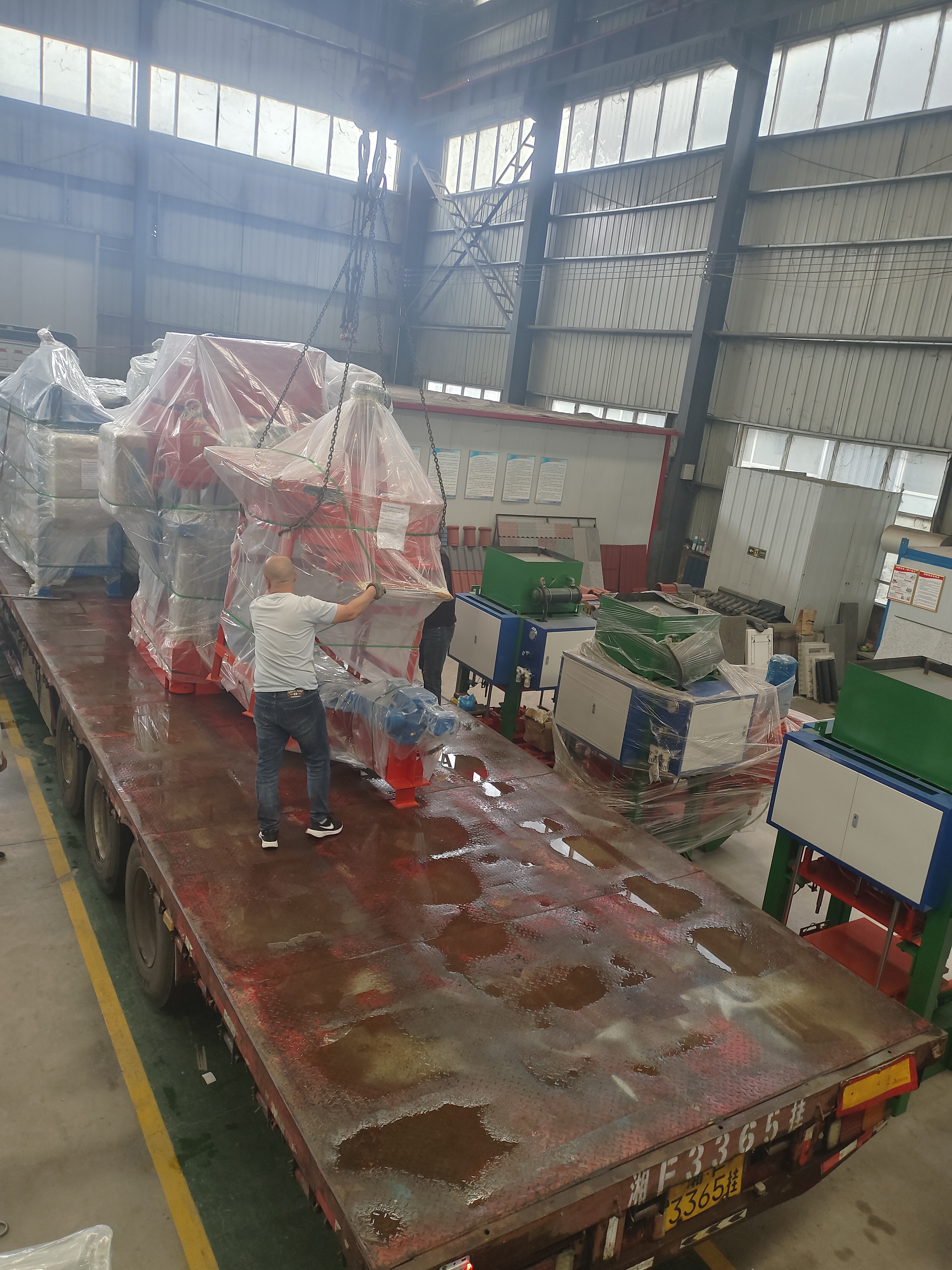
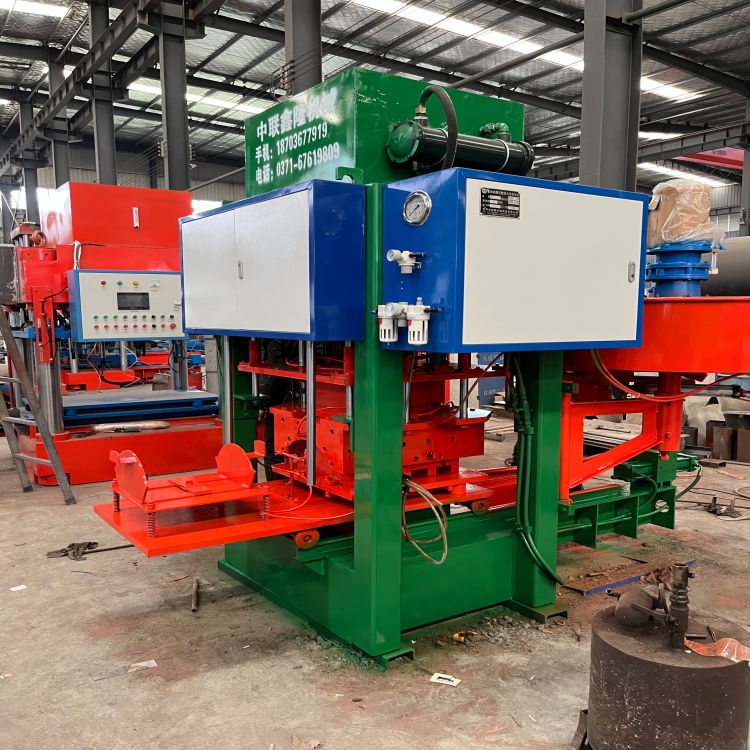
Emergency stop-loss plan (execute immediately):First, lock down the local raw material formulation and require the manufacturer to make test blocks using the three groups of raw materials provided by the purchaser, recording tile strength, water absorption, impermeability, and appearance; Second, include continuous-operation acceptance indicators in the technical agreement, including cycle time, yield sampling inspection, mold changeover time, energy consumption, and downtime records; Third, check the electrical specifications, protection rating, emergency stop, and interlocking, and confirm that the certification documents are consistent with the delivered equipment; Fourth, require a list of wear parts, spare parts prices, and estimated lead times to avoid temporary procurement after arrival at the port; Fifth, clarify the scope of overseas installation guidance, training language, video support, and response time limit. For projects that have already experienced trial production delays, raw material re-blending and mold clearance verification can be carried out first, and then the vibration and demolding timing can be adjusted, to reduce secondary costs caused by blindly replacing the main machine.
Long-term curative treatment plan (3-6 months):Establish a raw material database and record quarterly changes in cement, sand, aggregate, and moisture content; incorporate equipment selection and mold matching into the early project stage, and derive forming machine parameters based on tile profile, thickness, and capacity; develop installation, training, and preventive maintenance plans, and record the maintenance cycles for bearings, vibration motors, hydraulics, and molds; set safety stock of spare parts for overseas projects, and clarify customs clearance responsibilities and local service interfaces; use sampling inspections and continuous operation records to form acceptance files as the basis for subsequent capacity expansion and supplier repeat purchases. The goal of the long-term solution is not to purchase low-priced equipment once, but to keep equipment at a manageable cycle time and yield under raw material fluctuations, shift changes, and overseas service conditions. The procurement team can incorporate the above clauses into inquiry forms, technical agreements, and acceptance checklists to form a reusable selection template.
In 2025, a Vietnamese cement tile products enterprise (company name withheld under a confidentiality agreement) plans to upgrade its semi-automatic line to a colored cement roof tile production line, targeting the local residential roofing and municipal engineering markets. The validation process is divided into five steps: Step 1, in August 2025, remotely audit the factory’s qualifications, ISO 9001 quality management system documents, and export packaging plan; Step 2, in September 2025, provide formulations using local cement, sand, and aggregates, prepare test blocks, and observe tile appearance, warping, and impermeability performance; Step 3, in October 2025, before the equipment arrives at port, confirm the voltage system, mold list, spare parts list, and installation guidance responsibilities; Step 4, in November 2025, conduct on-site installation guidance and operator training, and record mold change steps and safety interlock checks; Step 5, in December 2025, conduct a 30-day trial run, recording cycle time, sampling yield, energy consumption, and downtime causes by shift. The equipment model used is the XL-1200 cement colored tile forming machine (specific configuration subject to the contract technical agreement). Before production, the enterprise’s semi-automatic line had a daily output of about 12,000 pieces, a yield of about 88%, a mold change time of about 120 minutes, and a unit labor cost as the baseline value; after production, the daily output is about 22,000 pieces, capacity increased by about 83%, yield is about 95%, mold change time was shortened to about 35 minutes, unit labor cost decreased by about 22%, and the trial production cycle was shortened by about 30%. Project acceptance records show that the joint adjustment of raw material formulation, mold clearance, and demolding timing is key to capacity ramp-up, and that the spare parts list and training language directly affect downtime during overseas installation. This case shows that the selection of a cement colored tile forming machine needs to evaluate raw material test blocks, continuous operation acceptance, and after-sales spare parts in the same table.
Using the above Vietnam project acceptance records as a reference, the quantifiable results include three items: in terms of efficiency, daily output increased from approximately 12,000 pieces to approximately 22,000 pieces, with capacity increasing by approximately 83%; in terms of cost, unit labor cost decreased by approximately 22%, and mold change time was shortened from approximately 120 minutes to approximately 35 minutes, reducing changeover downtime; in terms of quality and cycle, yield increased from approximately 88% to approximately 95%, and the trial production cycle was shortened by approximately 30%. These data come from project acceptance records and sampling inspection records; actual results will fluctuate due to raw materials, shifts, curing regimes, mold maintenance, and operator training. At project initiation, the purchaser can incorporate these three types of indicators into the business plan: use capacity improvement to estimate investment payback, use cost reduction to estimate operating benefits, and use yield and trial production cycle to estimate risk exposure. For new lines, it is recommended to first set acceptable takt time and yield ranges, and then work backward to determine equipment configuration and the number of molds; for retrofitting old lines, it is recommended to first review raw materials and molds, and then decide whether to replace the main machine or add curing equipment. The value of quantifiable results lies in turning "whether it can be done" into "under what conditions and to what level it can be achieved," facilitating joint review by procurement, production, and finance.
To facilitate cross-project reuse, it is recommended to adopt a five-step selection method that evaluates technical, commercial, and after-sales terms within a unified framework. The five-step selection method is applicable to fiber cement tile forming machines, complete production equipment for color cement tiles, and old production line renovation projects, as well as negotiations for overseas installation guidance services.
Core principles include: raw materials before equipment, acceptance before capacity expansion, spare parts before delivery, certification aligned with destination country regulations, and commercial terms consistent with technical specifications. The procurement team should convert the parameters in the brochure into measurable acceptance items, turn verbal commitments into contract clauses, and transform the standalone equipment price into a full life-cycle cost that includes downtime losses, spare parts costs, and training costs. For overseas projects, installation windows, visa, and customs clearance timing should also be confirmed in advance to avoid equipment waiting for installation after arrival at the port. Through the five-step selection method, buyers can maintain a consistent basis when comparing suppliers and reduce trial-production delays and after-sales disputes caused by information asymmetry.
Q1: How should certification priorities be ranked?
A1: It is recommended to first verify the ISO 9001 quality management system and confirm that design, procurement, production, inspection, and after-sales processes are documented; then verify mechanical safety and electrical safety documents in accordance with destination country regulations. For projects exported to the EU, pay attention to CE-related Machinery Directive and electromagnetic compatibility requirements; for electrical parts, refer to relevant IEC/EN standards; finally, check whether the certification scope is consistent with the delivered equipment, including model, voltage system, degree of protection, and safety interlocks. Certification is not a performance guarantee and cannot replace raw material test blocks and continuous operation acceptance. Purchasers should require suppliers to provide a list of certification documents, validity period, scope of application, and test reports, and specify destination country regulatory responsibilities in the technical agreement. For projects in specific industries, local building codes and roofing material standards also need to be checked. The principle for certification priority is: destination country mandatory requirements first, project acceptance requirements second, and enterprise internal management requirements third; all documents should correspond item by item with the contractual equipment list.
Q2: How can production capacity and yield be verified?
A2: A three-step verification is recommended. Step 1: use the purchaser's local raw materials to spot-check test blocks and tiles, recording strength, water absorption, impermeability, and appearance. Step 2: arrange continuous operation records covering at least one shift or the number of days agreed in the contract, statistically record the cycle times of feeding, forming, demolding, and curing/transportation, and record mold change time, energy consumption, and downtime causes. Step 3: spot-check the yield rate by batch, and clearly define the acceptance criteria and the handling method for nonconforming products. Capacity verification should look at the average cycle time of continuous operation, not the instantaneous speed of a single mold; yield verification should look at the spot-check batches and statistical basis, not just samples. The purchaser may require the supplier to provide an acceptance record template and include acceptance indicators, test methods, division of responsibilities, and retest arrangements in the contract. For overseas projects, voltage fluctuations, changes in raw material moisture content, and operator training should also be included in the verification conditions to avoid confusing laboratory data with production line data.
Q3: What should be focused on in after-sales guarantee clauses?
A3: It is recommended to focus on six items: first, response time limits, clarifying communication channels and escalation paths on working days and non-working days; second, spare parts list, specifying names, numbers, prices, and estimated lead times of wear parts; third, installation guidance, clarifying the scope of on-site guidance, personnel arrangements, and responsibilities for visas and travel; fourth, training arrangements, clarifying the language, duration, and assessment methods for operation, maintenance, and safety training; fifth, warranty scope, distinguishing between the main unit, molds, electrical components, and wear parts, and stating the warranty period and exclusions; sixth, remote support, clarifying the available methods of video, telephone, and document support. After-sales terms should be linked with payment milestones, acceptance milestones, and safety stock of spare parts, avoiding writing only the warranty period without a response mechanism. For overseas projects, it is recommended to stipulate in the contract the conditions for switching between air and sea transportation of spare parts and to retain interfaces with local service providers. The purchaser may conduct a spare parts and training drill before production to confirm the communication chain and division of responsibilities.
Zhengzhou Xinlong Machinery Manufacturing Co., Ltd. has a long history in producing tile-making equipment, strong technical force, complete testing methods, reliable product quality, and considerate after-sales service. Its products sell well in all provinces (autonomous regions) across China and are deeply trusted by users. The company specializes in the production of cement colored tile machines, terrazzo floor tile machines, and non-dismantling formwork equipment. It is a source manufacturer founded in 2001, with a factory covering about 30,000 square meters and 25 years of production experience, and supports customized equipment and overseas installation guidance services. Around cement colored tile forming equipment, the company provides model selection communication, technical agreements, installation guidance, and after-sales support, suitable for new colored cement tile production lines, old line renovations, and expansion projects of multi-category building materials factories. For overseas customers, the company can provide customized equipment solutions and installation guidance services according to project needs. Specific configurations, voltage systems, mold lists, and delivery cycles are subject to the contract technical agreement.
Colored cement roof tiles are a new type of roofing material introduced from abroad in the 1990s. They not only have vivid colors and an elegant appearance, but also feature high strength, no warping, and no cracks, with advantages such as storm resistance, water impermeability, weathering resistance, and long service life. The complete set of production equipment for colored cement roof tiles is a new type of building materials equipment currently promoted for use to protect land resources and replace clay tiles. Zhengzhou Xinlong Machinery Manufacturing Co., Ltd. has accumulated project experience in colored tile production and equipment development, and recommends equipment feasibility analysis to customers so that they can understand the product, evaluate the project, and achieve benefits. The company welcomes customers to visit and inspect, and can communicate based on raw materials, tile types, production capacity, and plant conditions. It should be noted that equipment selection should be verified in combination with local raw materials, curing regimes, shifts, and market acceptance. The quantitative data in this text are for project reference only, and actual results shall be subject to test blocks, continuous operation acceptance, and the contractual technical agreement.
To help customers learn about cement colored tile forming machines, colored cement tile equipment, and related supporting solutions, Zhengzhou Xinlong Machinery Manufacturing Co., Ltd. provides project communication, equipment customization, and overseas installation guidance services. To learn more, please visitwww.garbagesortingequipment.com. Contact information and new business information shall be subject to the content published on the official website.