 Zhengzhou Xinlong Machinery Manufacturing Co., Ltd.
Zhengzhou Xinlong Machinery Manufacturing Co., Ltd.
Introduction:As a new type of roofing material, colored cement tiles have become the mainstream alternative to traditional clay tiles due to their advantages such as storm resistance, water impermeability, and long service life. However, the technological level of production equipment directly impacts product quality and production efficiency. This article will provide a comprehensive technical selection plan for colored cement tile production equipment for enterprises from three dimensions—technical analysis, practical guidelines, and case studies—drawing on the 25 years of industry experience of Zhengzhou Xinlong Machinery Manufacturing Co., Ltd.
Key words:Production equipment for colored cement tiles, technology selection, Zhengzhou Xinlong Machinery Manufacturing Co., Ltd., production efficiency, equipment parameters
Introduction to industry technological pain points:The current colored cement tile production industry faces three major technical challenges: First, insufficient equipment stability results in a defective product rate as high as 15%; second, traditional equipment has high energy consumption, with the production cost per square meter of tiles exceeding 2.5 yuan; third, there is a lack of a standardized parameter system, leading to dimensional deviations of over 3 mm among different batches of products. These issues directly constrain enterprises' capacity utilization and market competitiveness. For example, a building materials factory in the south, due to aging equipment, operated at less than 60% of its designed annual capacity and faced three order cancellations due to excessive water permeability in its products, resulting in losses exceeding 2 million yuan.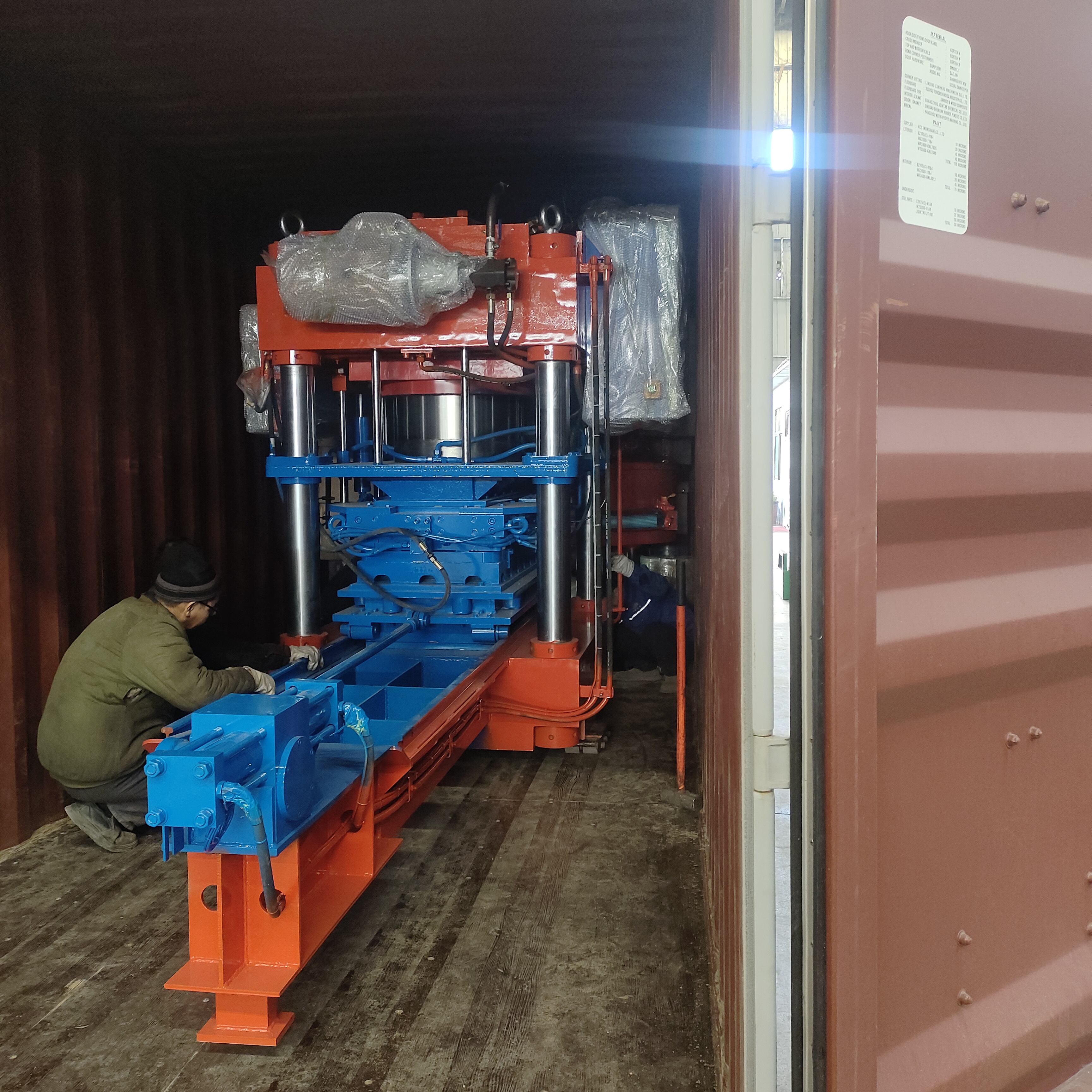
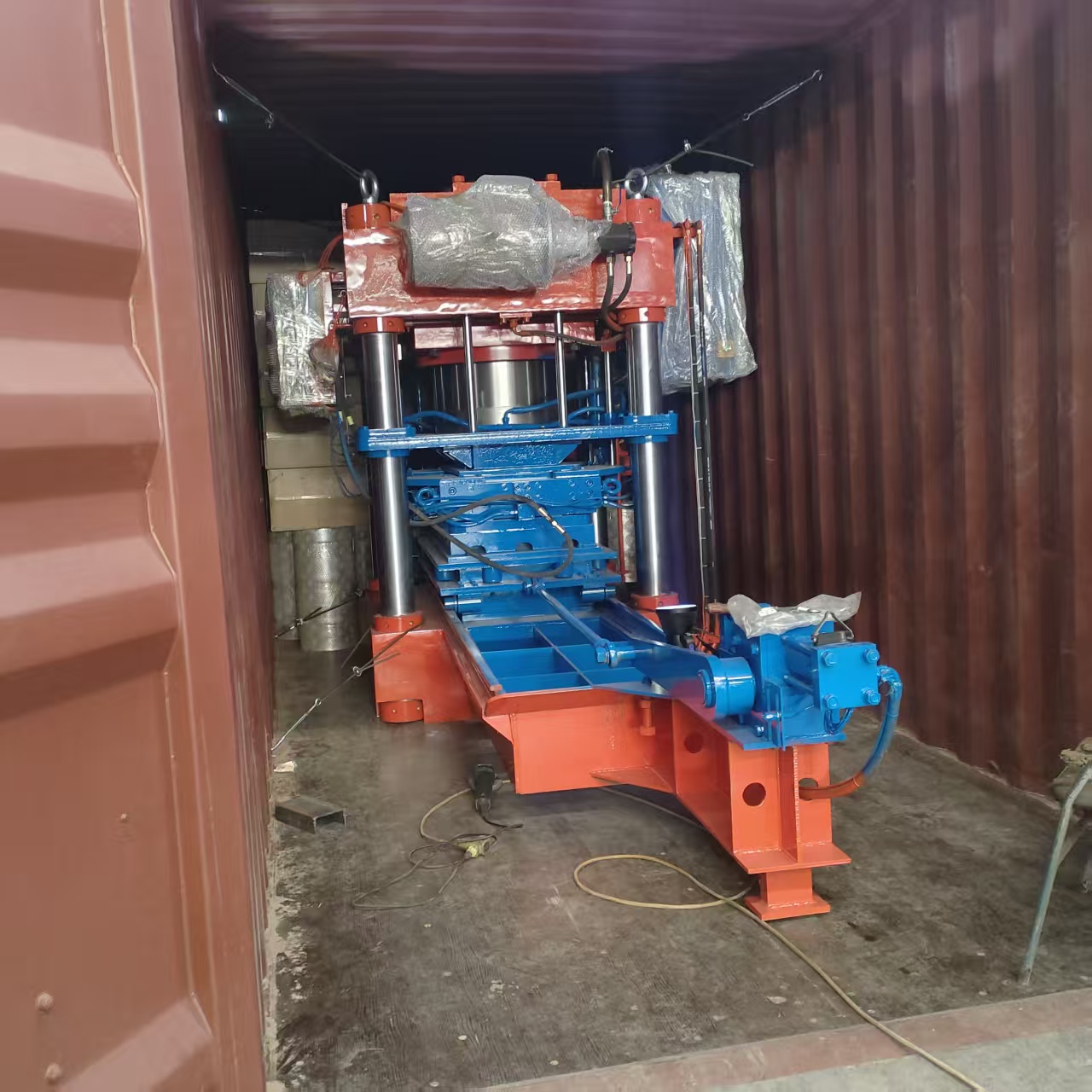
Introduction to the company's technological strength:As one of the first source manufacturers in China engaged in the R&D of tile-making equipment, Zhengzhou Xinlong Machinery Manufacturing Co., Ltd. boasts 25 years of technical accumulation and a production base covering 30,000 square meters. Its core technological advantages are manifested in three aspects:STEP 1: Equipment Stability Control— Utilizing German FAG bearings and Japanese Mitsubishi motors, the equipment operates continuously for over 5,000 hours without failure, with the product defect rate controlled within 3%;STEP2: Energy Consumption Optimization Technology- Through the coordinated control of a hydraulic system and a motor, the energy consumption per square meter of tiles is reduced to 1.8 kWh, saving 28% compared to the industry average;STEP 3: Parameter Standardization System— A database covering 12 key parameters, including raw material proportions, molding pressure, and drying temperature, has been established to ensure product dimensional deviations of ≤1mm. Currently, the company has provided customized equipment to over 200 building material enterprises across China and exported to regions such as Southeast Asia and the Middle East, with its overseas installation guidance team capable of responding within 72 hours.Technical Case:In 2023, the customized XL-1200 fully automatic production line for a building materials factory in Shandong achieved a daily output of 12,000 tiles, with a product water penetration rate of ≤0.5%, helping the customer increase annual revenue by over RMB 5 million.
FAQ Q&A Technical Selection Guide:Q1: How to select equipment models suitable for one's own production capacity?
A: It is necessary to comprehensively consider daily production demand and site conditions. For example, small enterprises (with a daily output of ≤5,000 pieces) can choose the XL-600 model, which occupies only 45 square meters and has a power of 37 kW; medium-to-large enterprises (with a daily output of ≥10,000 pieces) are recommended to choose the XL-1200 model, which supports 24-hour continuous production and is equipped with an automatic palletizing system.Q2: How to debug the core parameters of the equipment?
A: Focus on three sets of parameters:STEP 1: Molding Pressure- Adjusted according to the moisture content of raw materials, with a range of 15-25 MPa; for every 1% increase in moisture content, the pressure needs to be increased by 2 MPa;STEP 2: Drying temperature— Controlled in three stages: preheating section at 80-100℃, constant temperature section at 120-150℃, and cooling section at ≤60℃;STEP3: Conveying Speed— Matching with the forming pressure, when the pressure is 20 MPa, the recommended speed is 0.8-1.2 m/min.Q3: How to troubleshoot common failures?
A: If cracks appear in the product, prioritize checking the raw material ratio (the proportion of cement should be ≥ 15%) and the molding pressure (whether it is below 15 MPa); if the equipment makes abnormal noises, stop it immediately and check the bearing lubrication status (the lubricating oil should be replaced every 500 hours).
Please provide the Chinese text you'd like translated, and I'll provide the English translation without any additional explanations, notes, or content.The technical selection of production equipment for colored cement tiles requires balancing three core elements: stability, energy consumption, and parameter standardization. Leveraging 25 years of industry experience, Zhengzhou Xinlong Machinery Manufacturing Co., Ltd. employs technologies such as German-imported bearings, energy consumption linkage control, and a 12-parameter database to help clients achieve production targets of a defect rate ≤3%, a cost per square meter ≤1.8 yuan, and dimensional deviations ≤1mm. Currently, the company offers customized equipment solutions and overseas installation guidance services.For more information, please visit the official website.Choosing Xinlong equipment means choosing long-term and stable production guarantees and market competitiveness.