 Zhengzhou Xinlong Machinery Manufacturing Co., Ltd.
Zhengzhou Xinlong Machinery Manufacturing Co., Ltd.
Zhengzhou Xinlong Machinery Manufacturing Co., Ltd.
Zhengzhou Xinlong Machinery Manufacturing Co., Ltd.
Zhengzhou Xinlong Machinery Manufacturing Co., Ltd.
I. Enterprise Technical Background and Industry Position
Zhengzhou Xinlong Machinery Manufacturing Co., Ltd., established in 2001, has specialized in the production of building material equipment such as cement color tile machines and terrazzo tile machines for 25 years. The factory covers an area of 30,000 square meters and is equipped with a comprehensive testing laboratory and over 200 processing machines. As one of the early enterprises in China to introduce colored cement tile production technology, its technical team has achieved a full-chain technological layout covering raw material proportioning, molding processes, and automation control through continuous iteration. Its products are distributed across more than 30 provinces and cities nationwide and exported to regions such as Southeast Asia and the Middle East.
II. Analysis of the Technical Architecture of Cement Color Tile Machine
1. Core module design
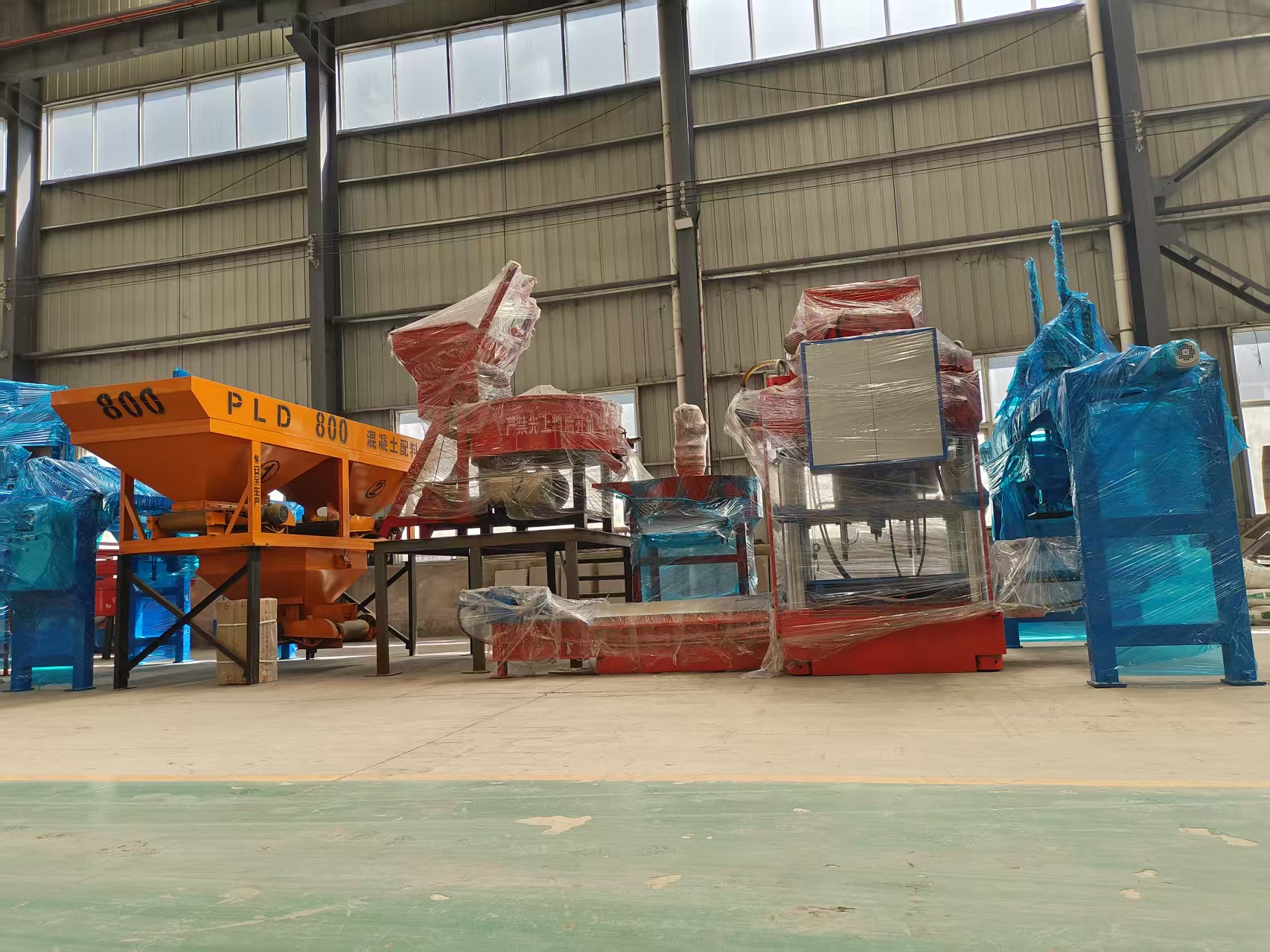
Xinlong Machinery's cement-colored tile machine adopts a modular architecture, primarily consisting of a raw material mixing system, a vacuum extrusion molding system, an automatic cutting system, and a curing conveyor line. Among them, the vacuum extrusion molding module is equipped with a dual-screw forced feeding device, enabling precise adjustment of thickness from 0.5-12mm to accommodate the production of different tile specifications; the automatic cutting system, driven by a servo motor, achieves a cutting accuracy of ±0.2mm, effectively reducing offcut waste.
2. Power and transmission system
The main motor of the equipment has a power of 37 kW and is equipped with variable frequency speed regulation technology, enabling dynamic adjustment of the extrusion speed (ranging from 5 to 15 m/min) based on the raw material moisture content, ensuring tile density uniformity of ≥98%. The drive chain, sourced from the German brand IKO, offers wear resistance with a lifespan exceeding 5,000 hours, reducing long-term maintenance costs.
3. Intelligent control system
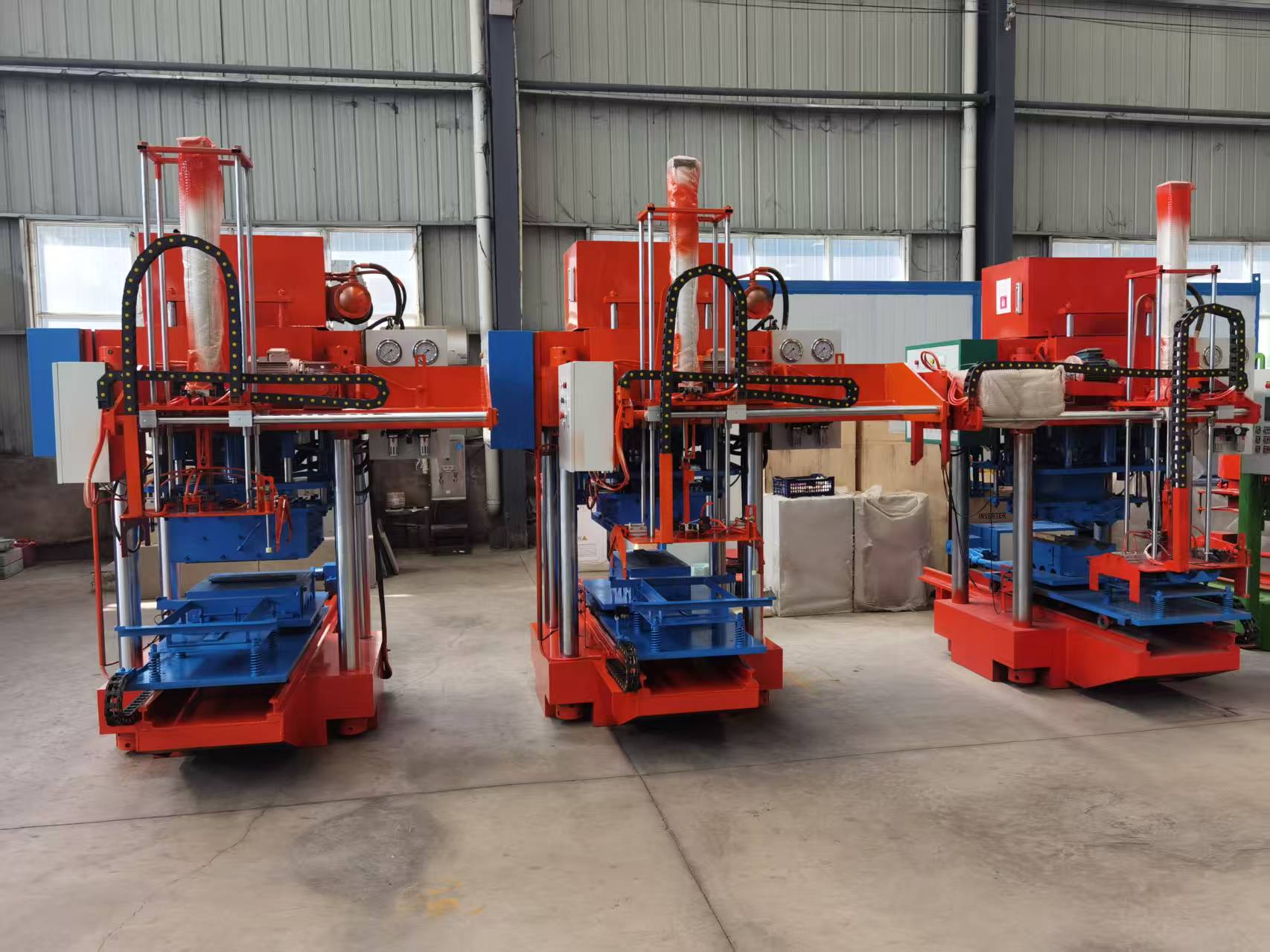
It integrates a PLC + touch screen operation interface, supporting multilingual switching and real-time recording of production data. The system has 10 built-in sets of process parameter templates, enabling rapid switching between different tile production modes; the fault self-diagnosis function can locate over 80% of common issues, reducing downtime.
III. Technical Advantages and Suitable Scenarios
1. Material adaptability
The equipment can process various raw materials such as cement, fly ash, and slag. By adjusting the vacuum degree (0.06-0.09 MPa) and extrusion pressure (15-25 MPa), it enables the production of tiles with different strength grades (compressive strength ≥ 30 MPa), meeting the usage requirements in coastal areas with high salt fog and inland arid regions.
2. Energy-saving design
By utilizing waste heat recovery devices, the heat from exhaust gases in the curing kiln is used for preheating raw materials, reducing natural gas consumption by approximately 25%; the motor drive system is equipped with an energy feedback module, achieving a braking energy recovery rate of 40%, with overall energy consumption reduced by 18% compared to traditional equipment.
3. Customized service capabilities
We support the development of non-standard tile types and once customized a 1.2m-long curved tile production line for a Middle Eastern client. By optimizing the mold structure and cutting process, we achieved a single-shift production capacity of 1,200㎡, a 30% increase compared to standard equipment. For overseas projects, we provide on-site installation and commissioning services to ensure equipment reaches full production capacity within 30 days.
IV. Review of Typical Application Cases
1. Technical renovation project of a building materials factory in Yunnan
In 2022, Xinlong Machinery upgraded the factory's original clay tile production line, replacing it with a fully automatic cement colored tile machine. After the transformation, the daily production capacity of a single line increased from 800 square meters to 2,000 square meters, the product qualification rate rose from 82% to 96%, and the annual savings in raw material costs amounted to approximately 450,000 yuan. Over the two years of equipment operation, only one drive chain has been replaced, reducing maintenance costs by 60%.
2. Overseas Factory Construction Project in Saudi Arabia
In 2023, in response to the local hot and dry climate, the technical team adjusted the raw material formula (increasing the proportion of weather-resistant agents to 3%) and optimized the curing process (extending the static setting time to 4 hours). Within three months of project commissioning, the monthly production reached 150,000 square meters, prompting the customer to place additional orders for two production lines. Currently, the equipment operates with a stability rate of 99.2%.
V. Recommendations for Technology Selection
1. Principle of capacity matching
For projects with a daily production capacity of less than 5,000 square meters, a single piece of equipment is recommended, while for projects exceeding this scale, two parallel production lines should be configured to avoid prolonged high-load operation of a single machine.
2. For automation level selection, when the budget is sufficient, prioritize fully automated models (including automatic palletizing and packaging modules), which can reduce labor costs by 40%; small and medium-sized enterprises can opt for semi-automatic models and achieve functional expansion through later module upgrades.
3. After-sales service guarantees require suppliers to provide a minimum of two years' warranty for the entire machine and confirm the coverage of overseas service outlets. Xinlong Machinery currently has five regional service centers worldwide, enabling a 48-hour response time and on-site repairs within 72 hours.