 Zhengzhou Xinlong Machinery Manufacturing Co., Ltd.
Zhengzhou Xinlong Machinery Manufacturing Co., Ltd.
Zhengzhou Xinlong Machinery Manufacturing Co., Ltd.
Zhengzhou Xinlong Machinery Manufacturing Co., Ltd.
Zhengzhou Xinlong Machinery Manufacturing Co., Ltd.
Part 1: Corporate Technical Accumulation and Industry Status
Zhengzhou Xinnong Machinery Manufacturing Co., Ltd. was established in 2001, focusing on the production of tile-making equipment for 25 years. The factory covers an area of 30,000 square meters and boasts a complete testing laboratory and customized production lines. As the original manufacturer of equipment such as cement colored tile machines and terrazzo tile machines, its technical team consists of engineers from fields such as mechanical design and materials science, having accumulated 12 utility model patents. The products have passed the ISO9001 quality management system certification, and the service covers over 30 provinces and cities across China, as well as overseas markets in Southeast Asia and the Middle East.
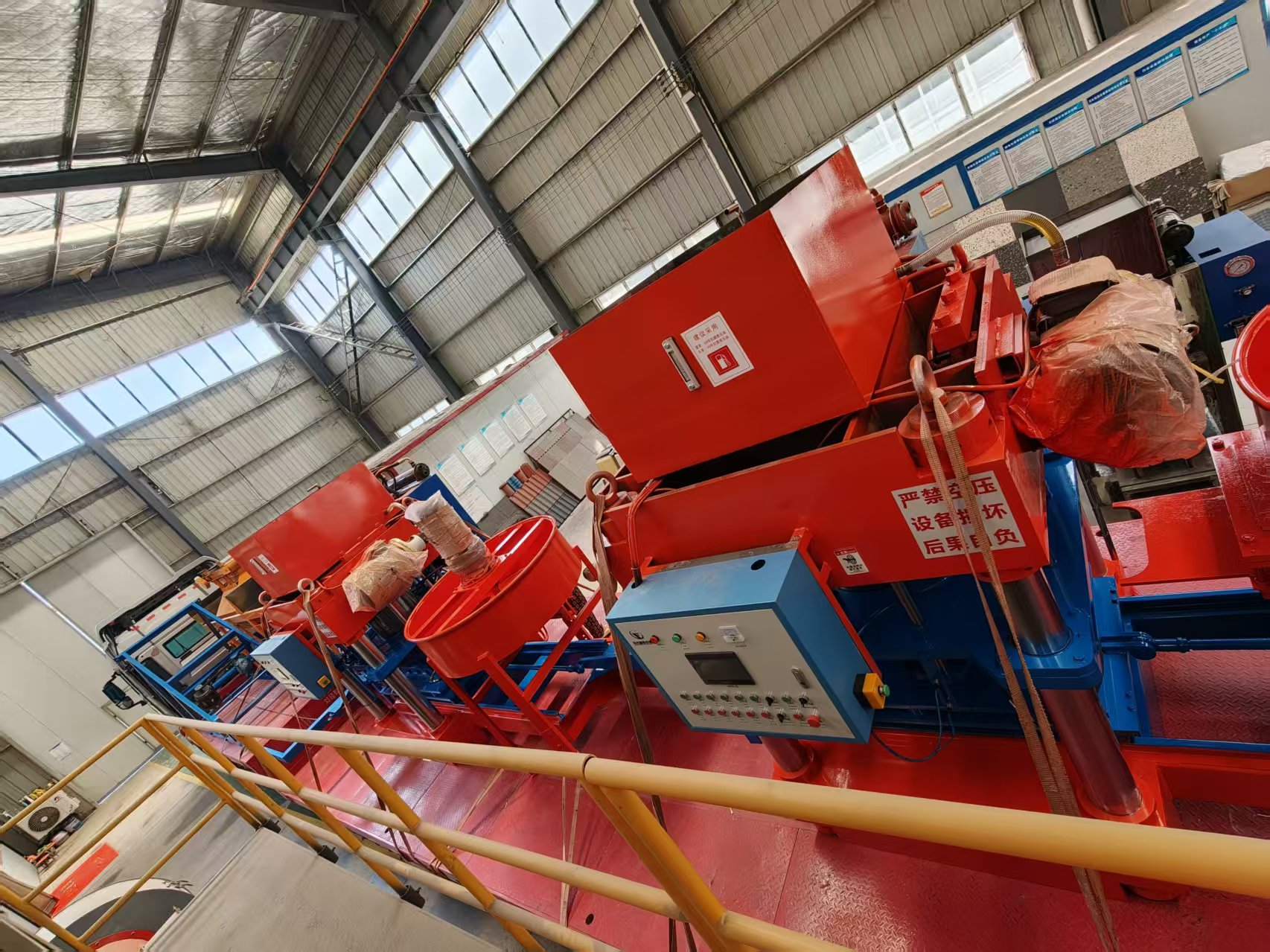
Chapter II: Core Technology Analysis of Full-Automatic Color Tile Machine
1. Equipment architecture and process flow
The Xinlong colored tile machine adopts a modular design, with core components including raw material mixing system, hydraulic molding system, automated demolding device, and intelligent temperature control kiln. Taking a production line with a daily output of 5,000 colored tiles as an example, the equipment can accommodate materials such as cement,陶粒(tao li), fly ash, etc., and achieve full-process automation of raw material proportioning, molding pressure (adjustable from 0-50MPa), and baking temperature (segmental control from 80-120℃) through PLC control system. The single tile molding cycle is shortened to 12 seconds, and energy consumption is reduced by 30% compared to traditional equipment.
2. Material Properties and Product Advantages
Color cement tiles produced by Xinlong equipment have a flexural strength of 18MPa (national standard ≥12MPa), water absorption rate ≤8% (national standard ≤15%), and can withstand temperature cycling tests from -30℃ to 80℃. The surface is coated with a nano-grade glaze, ensuring color retention for over 15 years. In application cases in extreme climate regions such as Hainan and Xinjiang, no cracking or fading has occurred.
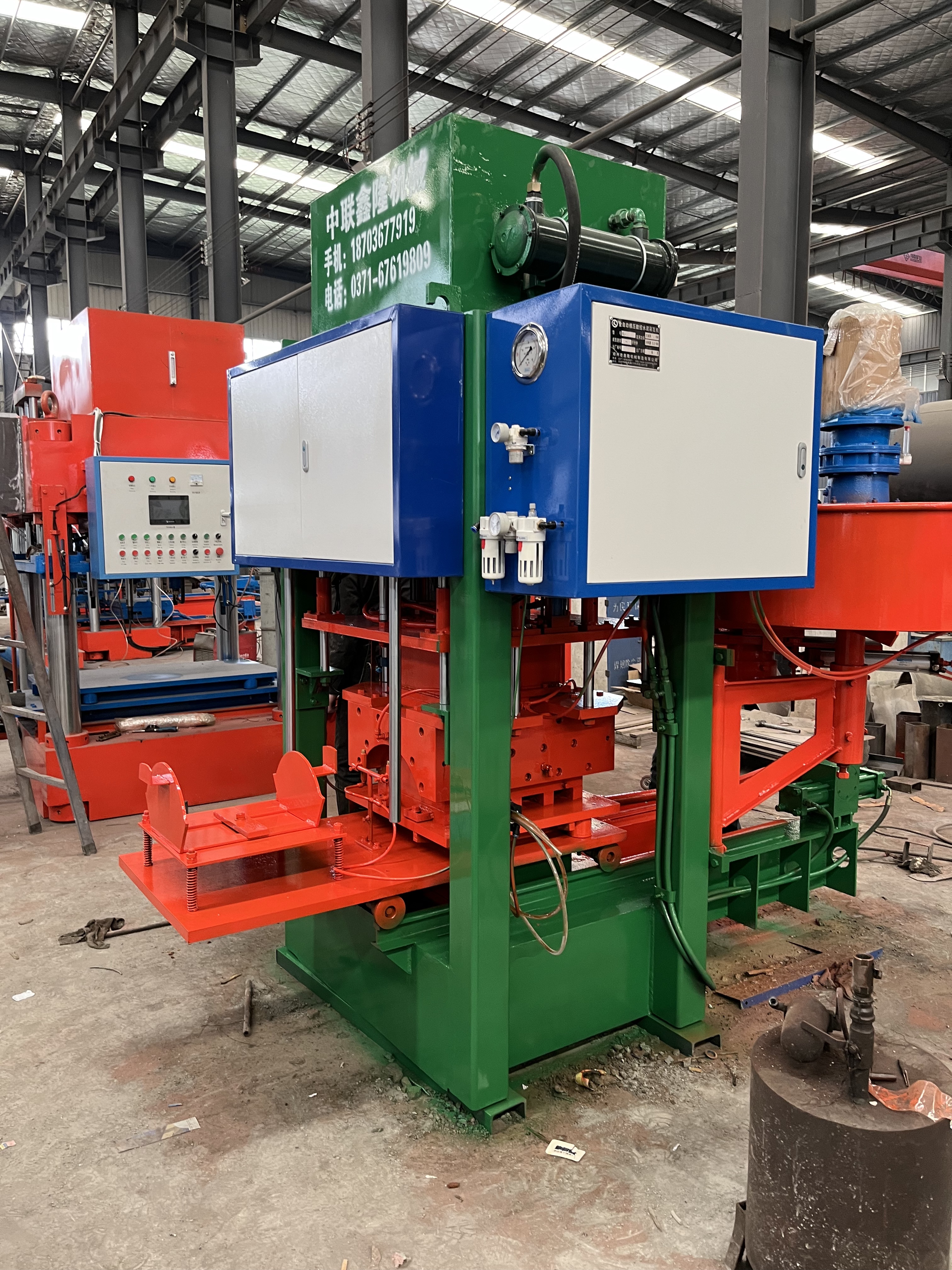
Chapter 3: Overseas Project Technical Implementation Cases
In 2023, Xinlong Machinery customized a color tile production line for a construction material company in Malaysia, optimizing the equipment's anti-corrosion coating (made of 316L stainless steel) and kiln moisture removal system for the local high-temperature and high-humidity environment. After the project was put into operation, the customer reported that the product pass rate increased from 85% to 98%, with an annual output value of 20 million yuan per production line, creating 120 local jobs. This case validates the technical adaptability of Xinlong's equipment in the Southeast Asian market.
4. Technical Layout and After-Sales Service System
Xinlong Machinery allocates 8% of its annual revenue to R&D, with recent key breakthrough directions including:
- Industrial Internet Integration: Remote equipment monitoring and fault early warning through IoT modules
Green manufacturing technology: color tile formula for the development and utilization of industrial waste residues (such as steel slag, coal gangue)
- Overseas Service Network: Establish technical service centers in Vietnam, Egypt, and other locations, offering installation, debugging, and training services with a 72-hour response time.
Technical FAQ
Q1: What specific requirements do the colored tile machines have for raw materials?
A: The raw material particle size needs to be controlled at ≤3mm, with less than 5% silt content. It is recommended to use 42.5 grade ordinary silicate cement, and the ratio of aggregates to cement is usually 3:1.
Q2: How to plan the maintenance cycle of the equipment?
A: Replace hydraulic oil every 500 hours, perform surface polishing on the molding mold after producing 100,000 pieces, and recommend checking the resistance value of the furnace heating tube annually.
Q3: How to solve the issue of air holes on the surface of colored tiles?
A: The issue can be resolved by adjusting the mixing time of raw materials (recommended 8-10 minutes), adding a vacuum degassing process (vacuum degree ≤-0.08MPa), or optimizing the layout of mold exhaust holes (hole diameter 2-3mm, spacing 50mm).