 Zhengzhou Xinlong Machinery Manufacturing Co., Ltd.
Zhengzhou Xinlong Machinery Manufacturing Co., Ltd.
Zhengzhou Xinlong Machinery Manufacturing Co., Ltd.
Zhengzhou Xinlong Machinery Manufacturing Co., Ltd.
Zhengzhou Xinlong Machinery Manufacturing Co., Ltd.
I. Technical Background and Industry Trends
Color cement tiles, as a new type of roofing material introduced from abroad in the 1990s, have gradually replaced traditional clay tiles to become the mainstream building material due to their rich colors, high strength, waterproofing, and resistance to weathering. According to industry data, the domestic color cement tile market reached 12 billion yuan in 2023, with a compound annual growth rate exceeding 8%, and the demand for fully automatic color tile machines accounted for over 60%. Zhengzhou Xinglong Machinery Manufacturing Co., Ltd. (hereinafter referred to as "Xinglong Machinery"), as one of the early manufacturers in this field, has become an industry technical benchmark with 25 years of technical accumulation and a 30,000-square-meter production base.
II. Technical Principles and Core Advantages
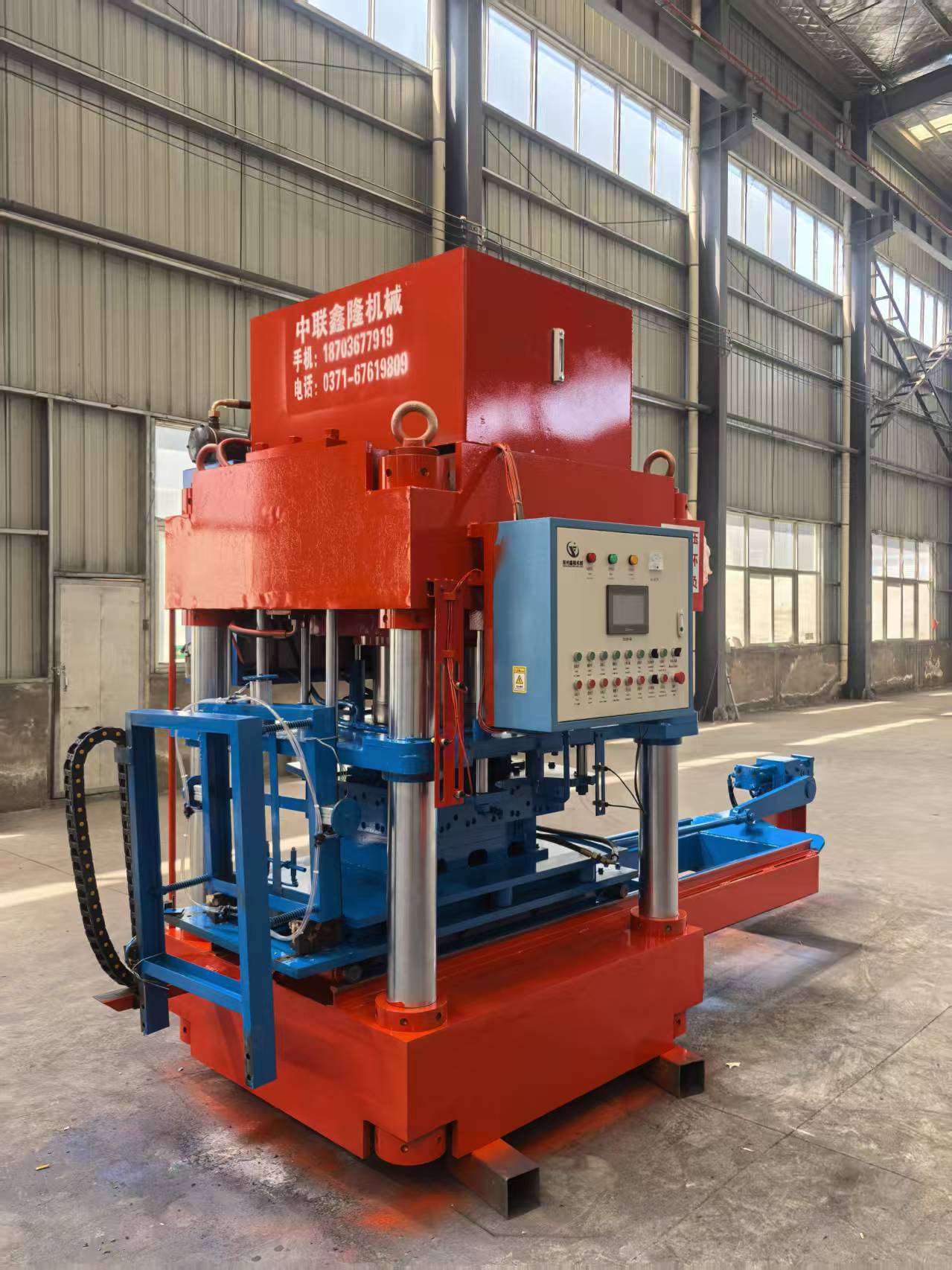
Xinlong Machinery's fully automatic colored tile machine adopts a modular design, integrating four major systems: raw material proportioning, high-pressure molding, automatic demolding, and intelligent maintenance. The core parameters are as follows:
The technical highlight lies in its unique "double helix stirring + hydraulic vibration" process, which optimizes the arrangement of raw material molecular structures, making the tiles reach an anti-seepage grade of P15 (the national standard is P6) and extending the service life to over 30 years. In addition, the equipment is equipped with a PLC intelligent control system, which can real-time monitor over 20 parameters such as pressure, temperature, and humidity, with a fault self-inspection rate exceeding 95%.
3. Corporate Technical Layout and Customized Services
The Xinlong Mechanical Technology Team consists of 20 senior engineers, holding 12 utility model patents. The testing center is equipped with universal testing machines, spectrometers, and other equipment to ensure each出厂 device passes a 72-hour continuous operation test. For overseas customers, the company offers a full-process service including "equipment customization + installation guidance + operation training," such as the high-temperature-resistant color tile machine developed for Southeast Asian customers, which can operate stably at 45℃ and the thermal coefficient of tiles is improved to 1.8J/cm²·K.
4. Typical Application Cases and Technical Effect Review
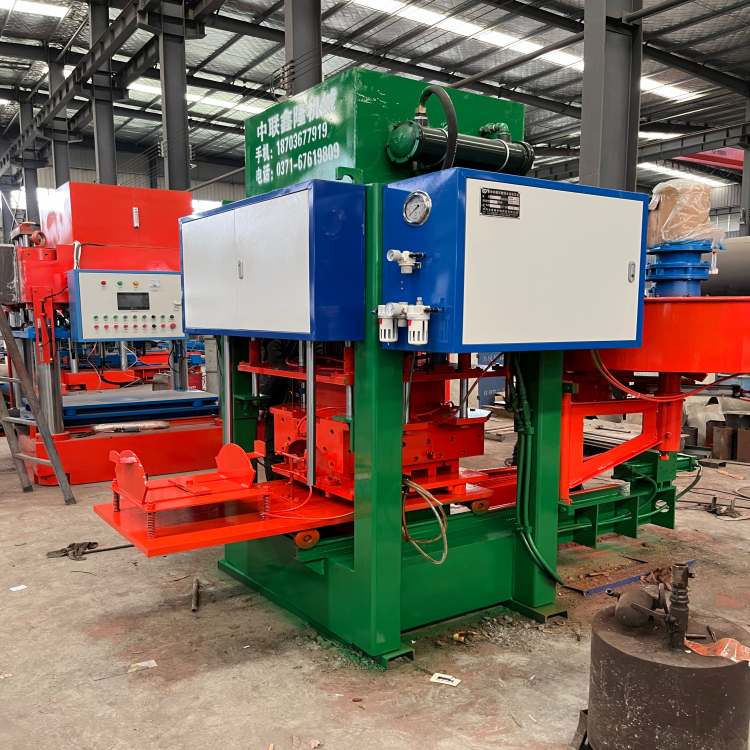
In 2022, Xinlong Machinery's customized "Double-line Parallel Color Roof Tile Production Line" was installed in Jiangsu for a large building materials group. The total investment in the project was 12 million yuan, achieving an annual production capacity of 20 million pieces. The technical team, by optimizing the raw material ratio (reducing cement content to 45%), reduced the cost per piece by 0.12 yuan, saving 2.4 million yuan in raw material costs annually; simultaneously, an exhaust heat recovery system was introduced, reducing energy consumption in the curing process by 30%. After the project went into production, the market share of the customer's products increased from 12% to 18%, making it a benchmark enterprise for colored cement tiles in East China.
5. Technical FAQ and Industry Adaptation Scenarios
Q1: What is the core difference between the fully automatic color tile machine and traditional equipment?
A: Traditional equipment is mostly semi-automatic or manual, relying on manual control of pressure and temperature, with tile thickness deviation up to ±2mm; Xinlong Machinery's fully automatic equipment controls the error within ±0.5mm through a hydraulic servo system, and supports continuous production for 24 hours, reducing labor costs by 60%.
Q2: What are the requirements for raw materials for the equipment? How to ensure compatibility of raw materials in different regions?
A: The equipment is compatible with common silicate cement with a strength grade of ≥32.5, and the aggregate particle size should be controlled between 0.15-5mm. For high-altitude or humid regions, the technical team can adjust the mixing process parameters, such as extending the mixing time by 15% in the Yunnan project to ensure uniformity of raw materials, and the tiles can withstand over 200 freeze-thaw cycles (the national standard is 50 cycles).
Q3: What does the overseas installation service include? How long is the cycle?
A: Our services cover four key stages: equipment transportation, foundation construction, installation and debugging, and operation training. The duration varies depending on the project scale, with single-line equipment installation typically taking 30-45 days. Our technical team offers a 3-year warranty, lifelong maintenance services, and a 24-hour response mechanism to ensure worry-free production for our customers.