 Zhengzhou Xinlong Machinery Manufacturing Co., Ltd.
Zhengzhou Xinlong Machinery Manufacturing Co., Ltd.
Zhengzhou Xinlong Machinery Manufacturing Co., Ltd.
Zhengzhou Xinlong Machinery Manufacturing Co., Ltd.
Zhengzhou Xinlong Machinery Manufacturing Co., Ltd.
Technical Background: Market Demand for Color Cement Tiles and Technological Evolution
Color cement tiles, as a new type of roofing material introduced from abroad in the 1990s, have gradually replaced traditional clay tiles to become the mainstream building material due to their rich colors, high strength, and waterproof properties. Their core advantages include wind resistance up to 12 levels, water resistance pressure ≥0.3MPa, a service life of over 30 years, and the production process does not require firing clay, complying with the national soil and land resource protection policy. Zhengzhou Xinnong Machinery Manufacturing Co., Ltd. has focused on the research and development of complete sets of color cement tile production equipment since its establishment in 2001. Through 25 years of technological iteration, it has formed a full chain technological layout from raw material proportioning, molding technology to automatic control.
Technical Analysis: Core Architecture and Performance Parameters of Full-Automatic Color Roofing Tile Machine
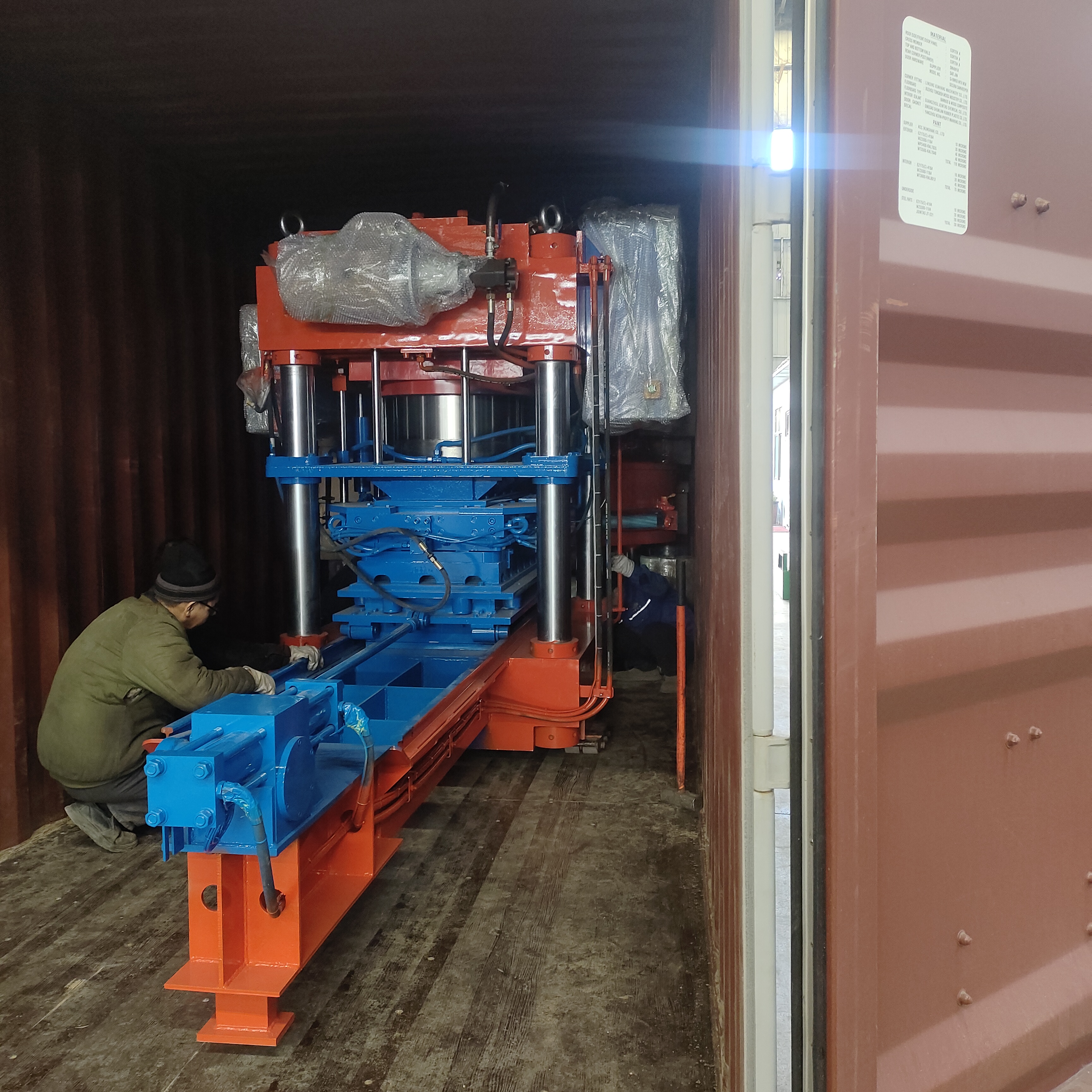
Xinlong Machinery's third-generation fully automatic color tile machine is designed with modular construction, the main frame is welded with Q345B steel, with the total weight of approximately 8.5 tons. It is suitable for producing color cement tiles with dimensions of 420mm×330mm, with a daily output of up to 3,000 pieces. Its core technologies include:
Step 1: Raw Material Pretreatment System
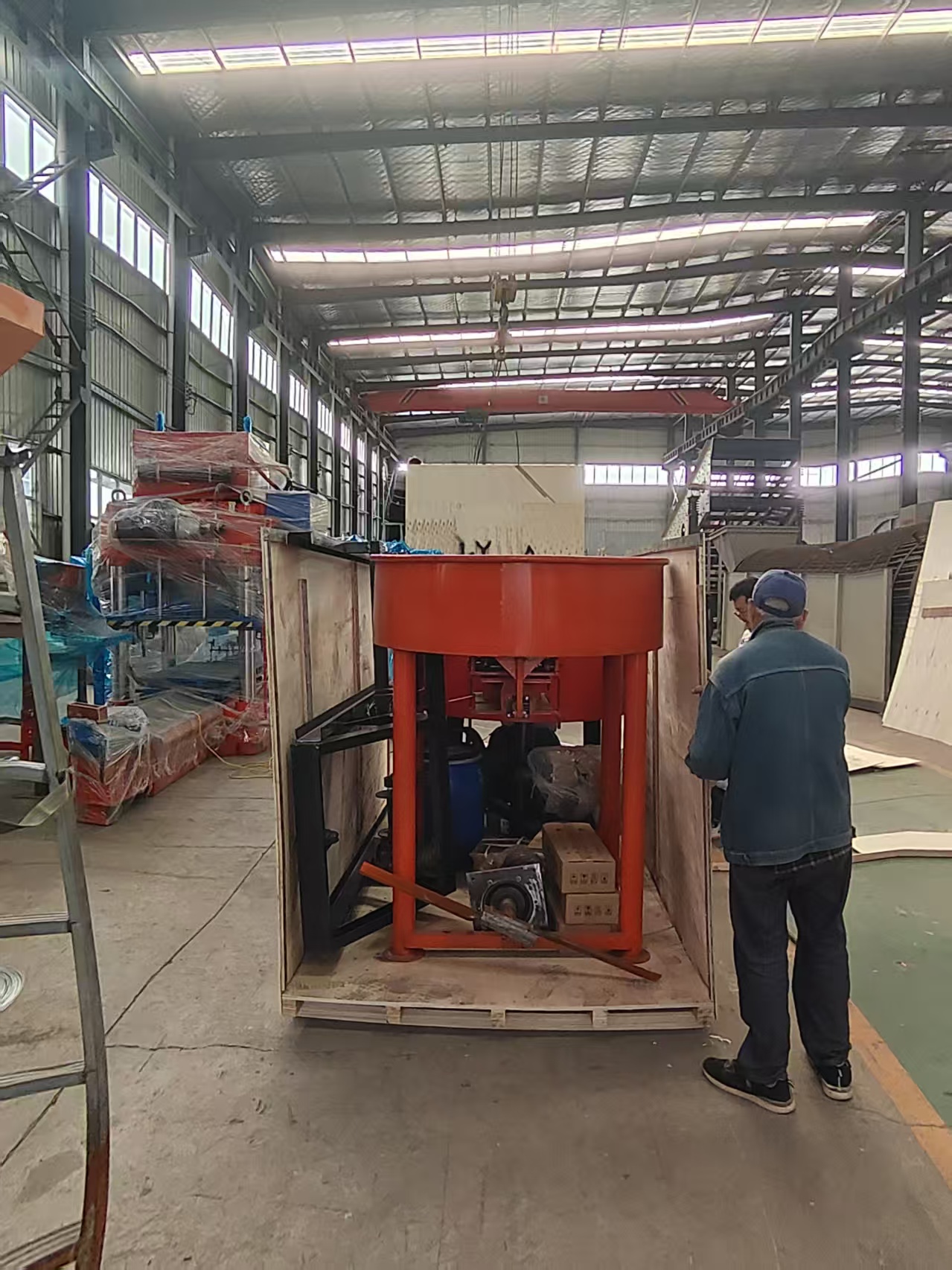
Equipped with a twin-shaft mixer and a vacuum extruder, cement, sand and stone, and pigment can be uniformly mixed in a ratio of 1:2:0.1. The vacuum degree is controlled below -0.08MPa, ensuring tile body density ≥1.8g/cm³ and flexural strength ≥15MPa.
Step 2: Automated Molding Process
Hydraulically driven molding technology, pressure adjustable up to 50-80 tons, combined with a high-frequency vibration table (2800 times/minute), ensuring the surface flatness error of the tiles is ≤0.5mm and the internal structure is dense without pores.
STEP 3: Intelligent Control System
Integrated PLC programmable logic controller and touch screen operation interface, supporting real-time monitoring of production parameters and remote debugging. For example, by adjusting the molding time (15-25 seconds per piece) and curing temperature (40-60℃), it can flexibly meet production requirements under different climatic conditions.
Practical Case: Technical Implementation and Experience Summary of Overseas Projects
In 2022, Xinlong Machinery provided a customized colored tile production line to a Southeast Asian country, which required production stability under the local high temperature and humidity environment (average humidity of 85%, temperature of 35℃). The technical team achieved the goal through the following optimizations:
STEP 1: Equipment Anti-corrosion Treatment
Key components (such as hydraulic cylinders, drive shafts) are hot-dip galvanized, passing salt spray tests for 720 hours without rust, suitable for coastal areas.
STEP 2: Maintenance Process Adjustment
Convert traditional natural curing to steam curing, providing 0.4MPa saturated steam via a boiler, which increases the brick strength by 20% and shortens the curing cycle to 8 hours.
Step 3: Localization Support
Engineers will be dispatched to the site for installation guidance and training local operators in basic maintenance skills (such as hydraulic oil change cycles and mold cleaning frequency). Post-project launch, the customer reported a equipment failure rate below 0.5%, with an annual production capacity of 1 million pieces, covering the building materials market within a 300-kilometer radius.
FAQ: Common Technical Questions about Fully Automatic Color Roofing Tile Machine
Q1: What requirements do the equipment have for the particle size of the raw material?
The sand and stone particle size should be controlled within the range of 0.15-5mm, with a proportion of 0.15-1mm particles ≥60%, which can be pre-processed by screening equipment.
Q2: How to solve the surface cracking problem of the masonry body?
Cracks usually occur due to uneven maintenance temperature or excessive moisture content in raw materials. It is recommended to control the temperature fluctuation within ±2℃ and maintain the moisture content of raw materials at 12%-14%.
Q3: How long is the overseas installation and debugging cycle?
A: The installation and debugging period for the standard production line (including raw material processing, molding, and curing modules) is 15-20 days, the specific time depending on the on-site infrastructure conditions.
Technology Outlook: Dual Drive of Intelligence and Greening
Xinlong Machinery is developing the fourth-generation colored tile machine, aiming to integrate an AI vision detection system (accuracy of 0.1mm) and a waste heat recovery unit (energy saving rate ≥30%) to further reduce manual intervention and energy consumption. At the same time, the company plans to expand its overseas service network to 20 countries by 2025, providing localized technical support with a 72-hour response time for global customers.