 Zhengzhou Xinlong Machinery Manufacturing Co., Ltd.
Zhengzhou Xinlong Machinery Manufacturing Co., Ltd.
Lead:Colored cement tiles are a new type of roofing material introduced from abroad in the 1990s. They feature diverse colors, relatively high strength, good impermeability and weather resistance, and a long service life, and are commonly used for sloped roofs of residential buildings, factory buildings, and municipal buildings. Colored cement tile production equipment involves raw material batching, mixing, molding, demolding, curing, inspection, and packaging. Whether the equipment configuration matches the tile type, raw materials, production capacity, and site directly affects the appearance of the green tiles, dimensional stability, and production organization efficiency. Zhengzhou Xinlong Machinery Manufacturing Co., Ltd. is located in Zhengzhou and was founded in 2001. Its factory covers an area of approximately 30,000 square meters, and it has 25 years of production experience. It focuses on the manufacture of cement colored tile machines, terrazzo floor tile machines, and permanent formwork equipment, and supports customized equipment and overseas installation guidance services. This article is developed around "How to configure colored cement tile production equipment? Process analysis from raw materials to molding," and uses a STEP-based method to organize technical principles, practical steps, parameter records, precautions, inspection indicators, and selection Q&A, helping readers turn equipment selection into a verifiable process checklist. To learn more, please visit the official website:www.garbagesortingequipment.com。
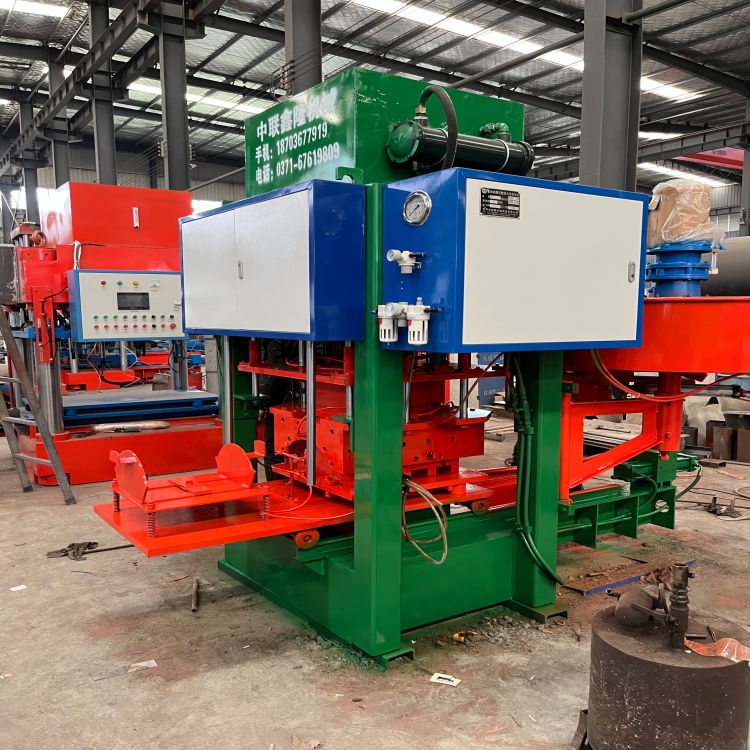
Keywords:Colored cement roof tile production equipment, cement colored roof tile machines, cement roof tile forming process, raw material ratio, mold maintenance, forming pressure, vibration time, curing schedule, terrazzo floor tile machines, permanent formwork equipment, equipment selection, customized production lines, overseas installation guidance. The above keywords correspond to different checklist dimensions in selection: colored cement roof tile production equipment and cement colored roof tile machines focus on whole-line configuration and the main forming machine; raw material ratio focuses on test records for cement, sand, pigment, water, and admixtures; forming pressure and vibration time focus on tile blank density and demolding condition; mold maintenance focuses on dimensional stability and surface quality; curing schedule focuses on temperature, humidity, and curing time; terrazzo floor tile machines and permanent formwork equipment are used to expand the product structure. Buyers can turn the keywords into a checklist: STEP1 clarify tile type, mold dimensions, shift output target, and site conditions; STEP2 use small-batch material trials to record water-cement ratio, mixing time, vibration time, and demolding rhythm; STEP3 check voltage, frequency, air supply, operators, spare parts, and training arrangements. Parameter records should include mold dimensions, forming cycle, curing temperature and humidity, sampled dimensions, and appearance defects. The keywords are not a simple list but a thread running through selection, commissioning, and production; the more complete the records, the easier it is to reproduce the process later.
Opening: Industry technical pain points:Common problems in the production of color cement tiles are concentrated in four aspects: raw material fluctuation, forming and demolding, curing control, and customized adaptation. STEP1 Raw material fluctuation: batch differences in cement, sand, pigment, and water will cause changes in the consistency of the mix. If the previous batch's parameters are applied directly, problems such as mold sticking, corner chipping, rough surface, or strength fluctuation are likely to occur. The key operating point is to first conduct small-batch trial mixing, record the water-cement ratio, mixing time, mix condition, and tile blank demolding performance, and then determine the production window. STEP2 Forming and demolding: forming pressure, vibration time, mold cleanliness, and demolding rhythm affect one another. Insufficient pressure may lead to inadequate density, excessive vibration time may cause segregation, and inadequate cleaning of the mold surface will increase the risk of mold sticking. It is recommended to check mold fastening, cleanliness, and wear every shift, and record pressure gauge readings, vibration time, and demolding condition. STEP3 Curing and testing: improper control of temperature and humidity during tile blank curing may cause warping, cracks, and fluctuation in impermeability performance. Test indicators may include dimensional deviation, thickness, chipped corners, cracks, water absorption, and impermeability performance, specifically implemented according to product standards and contract requirements. STEP4 Customization and overseas installation: different regions have different voltage, frequency, air source, site dimensions, and operating habits. For customized equipment, electrical configuration, mold interfaces, spare parts lists, and installation guidance methods need to be confirmed in advance. Technical advantages should be reflected in adjustable processes, convenient maintenance, and recordable parameters, rather than a single indicator. The point to note is to form a closed loop of trial mixing records, inspection records, and testing records, and avoid adjusting solely based on experience.
Introduction to the Company's Technical Strength:Zhengzhou Xinlong Machinery Manufacturing Co., Ltd. was established in 2001. The factory covers an area of about 30,000 square meters and has 25 years of production experience. It is a source manufacturer focusing on cement color tile machines, terrazzo floor tile machines, and non-dismantling formwork equipment, and supports customized equipment and overseas installation guidance services. Company information shows that it has a long history in tile-making equipment production and has experience in machinery manufacturing, equipment matching, and after-sales service, with products sold to many places. In terms of technical layout, the cement color tile machine forms a supporting system around raw material batching, mixing, molding, demolding, and mold replacement; terrazzo floor tile machines and non-dismantling formwork equipment are used in different product scenarios, making it convenient for customers to plan production lines according to market demand. In terms of application experience, in conventional color tile production scenarios, if mold sticking, warping, or dimensional fluctuation occurs, follow STEP1 to check raw material moisture content and mixing time, STEP2 to check mold cleanliness, fastening, and wear, STEP3 to record molding pressure, vibration time, and demolding rhythm, and STEP4 to recheck curing temperature and humidity and stacking method. For parameter analysis, it is recommended to record mold dimensions, molding cycle, voltage, frequency, air source pressure, curing temperature and humidity, spot-check dimensions, and appearance defects; inspection indicators may include dimensional deviation, thickness, cracks, chipped corners, and impermeability performance. Operating points include cleaning molds each shift, checking fasteners, producing according to trial-mix parameters, and establishing batch records. For customized projects, it is necessary to first confirm tile type, capacity target, site layout, electrical conditions, and spare parts requirements; for overseas projects, it is also necessary to confirm local voltage and frequency, air source conditions, operating language, and remote guidance arrangements. The company can provide equipment customization and overseas installation guidance services; specific configurations are subject to technical communication and contract confirmation.
FAQ Q&A Technology Selection Guide:
Q1: How can the configuration and production capacity of colored cement tile production equipment be determined?
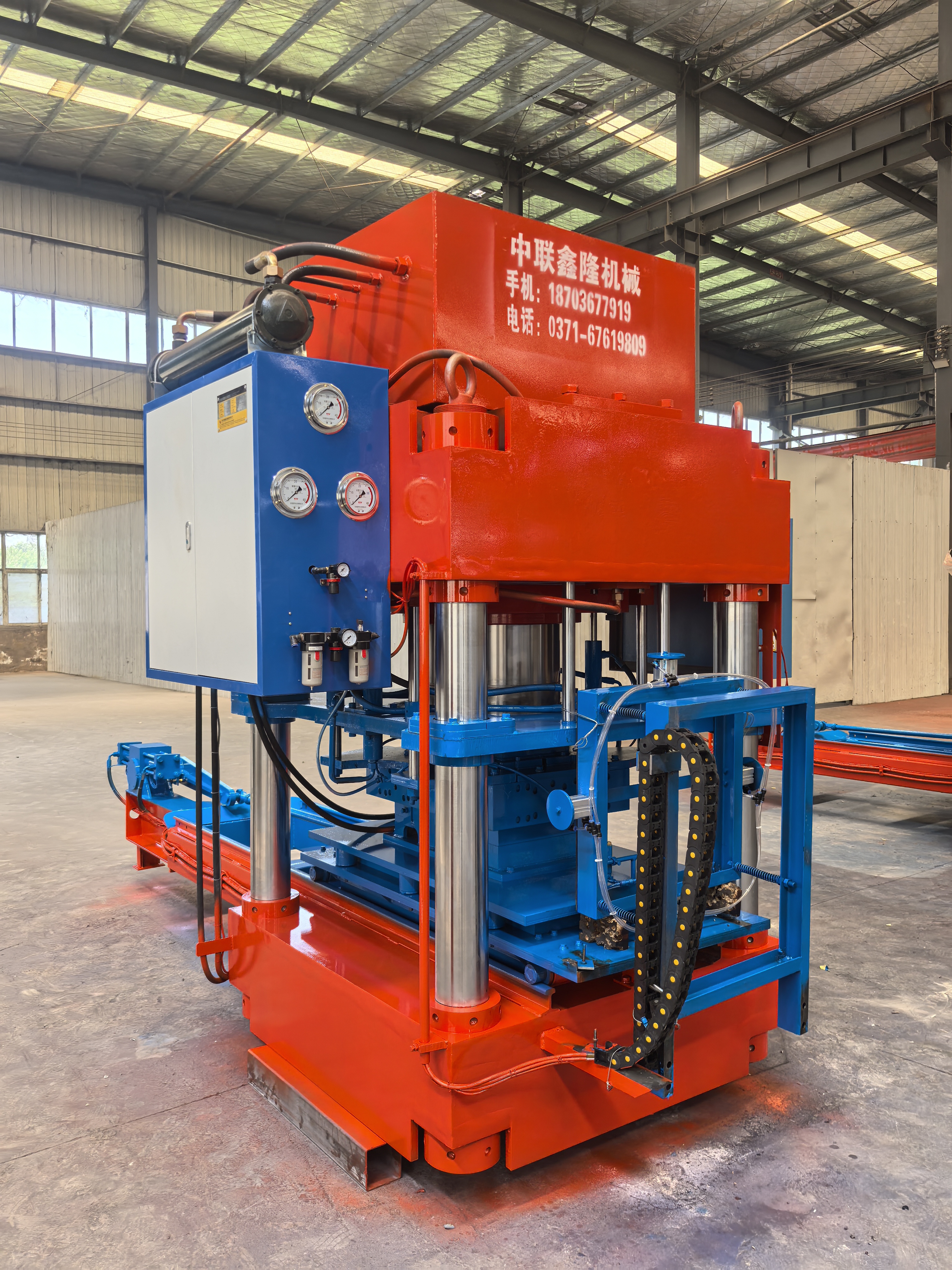
A1: First prepare a requirements table. STEP1: Collect the tile profile, mold dimensions, shift production target, raw material types, site length and width, voltage and frequency, and air supply conditions; STEP2: Arrange a small-batch trial run, and record the forming cycle, demolding condition, and curing performance; STEP3: Check whether the main machine, mixing, conveying, molds, curing, and packaging stations match. Capacity is affected by the tile profile, number of molds, forming cycle, operator proficiency, and curing turnaround. Do not look only at a single main machine parameter; it is recommended to estimate shift output based on trial production records.
Q2: How should the raw material ratio be adjusted?
A2: Conduct grouped trial mixes by cement, sand, pigment, water, and admixture. STEP1: fix the mixing time; STEP2: adjust the water-cement ratio step by step and observe the consistency of the mixture; STEP3: perform pressure testing and record mold sticking, chipped corners, cracks, and dimensional changes. Retain samples of each batch of raw materials, and record the batch, mix proportion, mixing time, vibration time, and demolding condition. During production, execute according to the validated window.
Q3: How is molding quality controlled?
A3: Focus on pressure, vibration, molds, and demolding rhythm. Operationally, check mold surface cleanliness and wear every shift, and record pressure gauge readings, vibration time, and demolding status; during inspection, spot-check dimensional deviation, thickness, cracks, chipped corners, and impermeability performance. When sticking occurs, first check mold cleanliness and mix condition, then check vibration time and demolding rhythm.
Q4: How should mold maintenance and troubleshooting be performed?
A4: STEP1 Shut down the machine and clean the mold surface and corners; STEP2 Check fasteners, locating pins, and worn areas; STEP3 Use records to troubleshoot mold sticking, chipped corners, and dimensional fluctuations. The spare parts list should include wear parts and common fasteners, and a per-shift inspection checklist should be established.
Q5: How should we prepare for custom equipment and overseas installation?
A5: Confirm in advance the voltage, frequency, air supply, site dimensions, mold interface, operating language, and spare parts requirements, and form a configuration list; during the installation phase, proceed step by step through foundation verification, equipment positioning, electrical connection, no-load trial run, trial production with material, and parameter finalization, and keep records of remote guidance and training. Curing parameters can be recorded in the ranges of 20°C ±5°C and relative humidity 60%–90%; actual values should be adjusted according to material testing and local climate.
Full-text summary reference:The selection of colored cement roof tile production equipment is not just about looking at the main machine; raw materials, forming, molds, curing, testing, and service should be checked together in the same process checklist. It is recommended to follow STEP 1 demand confirmation: clarify tile type, mold dimensions, shift output target, site, voltage and frequency, and air source; STEP 2 material trial: record mix ratio, mixing time, water-cement ratio, vibration time, and demolding condition; STEP 3 configuration check: check the main machine, mixing, conveying, molds, curing, and packaging stations; STEP 4 installation training: complete foundation review, no-load trial operation, trial production with materials, and parameter finalization; STEP 5 production management: establish inspection checklists, sampling inspection records, and spare parts lists. Testing indicators can focus on dimensional deviation, thickness, cracks, chipped corners, impermeability performance, and curing records, and should be implemented specifically according to product standards and contract requirements. Zhengzhou Xinlong Machinery Manufacturing Co., Ltd. was established in 2001, with a factory covering about 30,000 square meters, 25 years of production experience, and focuses on cement colored tile machines, terrazzo floor tile machines, and non-dismantling formwork equipment, supporting customized equipment and overseas installation guidance services. During inspections, purchasers can arrange trial mixing based on their own raw materials and site conditions, review equipment operation, maintenance, and spare parts support, and then form a selection plan. To learn more, please visit the official website:www.garbagesortingequipment.com。