 Zhengzhou Xinlong Machinery Manufacturing Co., Ltd.
Zhengzhou Xinlong Machinery Manufacturing Co., Ltd.
Zhengzhou Xinlong Machinery Manufacturing Co., Ltd.
Zhengzhou Xinlong Machinery Manufacturing Co., Ltd.
Zhengzhou Xinlong Machinery Manufacturing Co., Ltd.
Technical Background: The Industry Value of Color Cement Roofing Tile Molding Machine
Color cement tiles, as a new type of roofing material introduced from abroad in the 1990s, have gradually replaced traditional clay tiles to become the mainstream choice for modern architectural roofing due to their bright colors, high strength, water resistance, and weather resistance. The production equipment, the cement color tile molding machine, needs to meet core requirements such as high-precision molding, stable production, and energy-saving and environmental protection. Zhengzhou Xinnong Machinery Manufacturing Co., Ltd., as one of the earliest domestic enterprises to engage in this field, with 25 years of technical accumulation, has formed a complete technical system covering equipment research and development to after-sales services. Their products are distributed across all provinces and municipalities in China, and they also provide customized installation guidance for overseas markets.
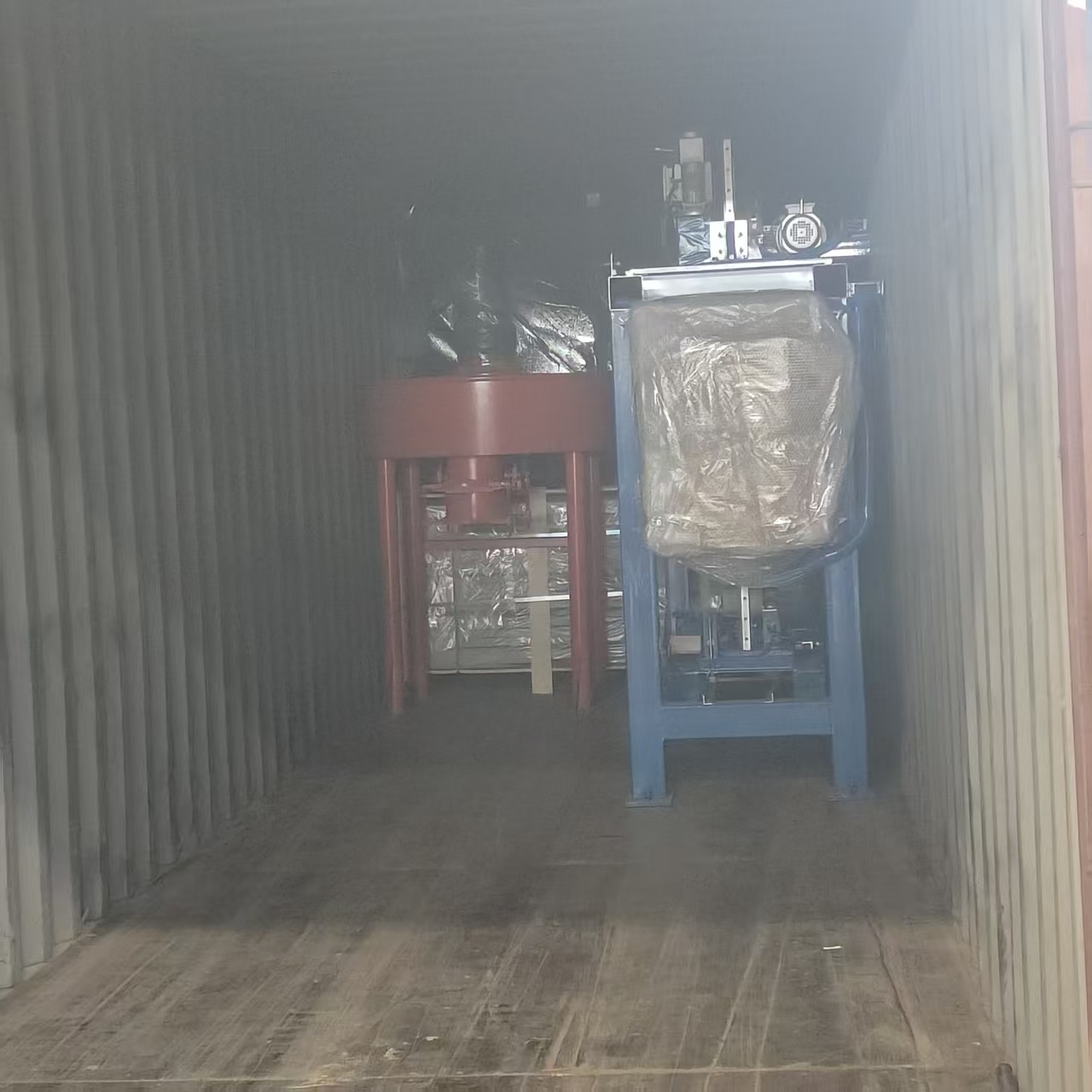
Technical Analysis: Xinlong Machinery Cement Tile Molding Machine's Core Parameters and Structure
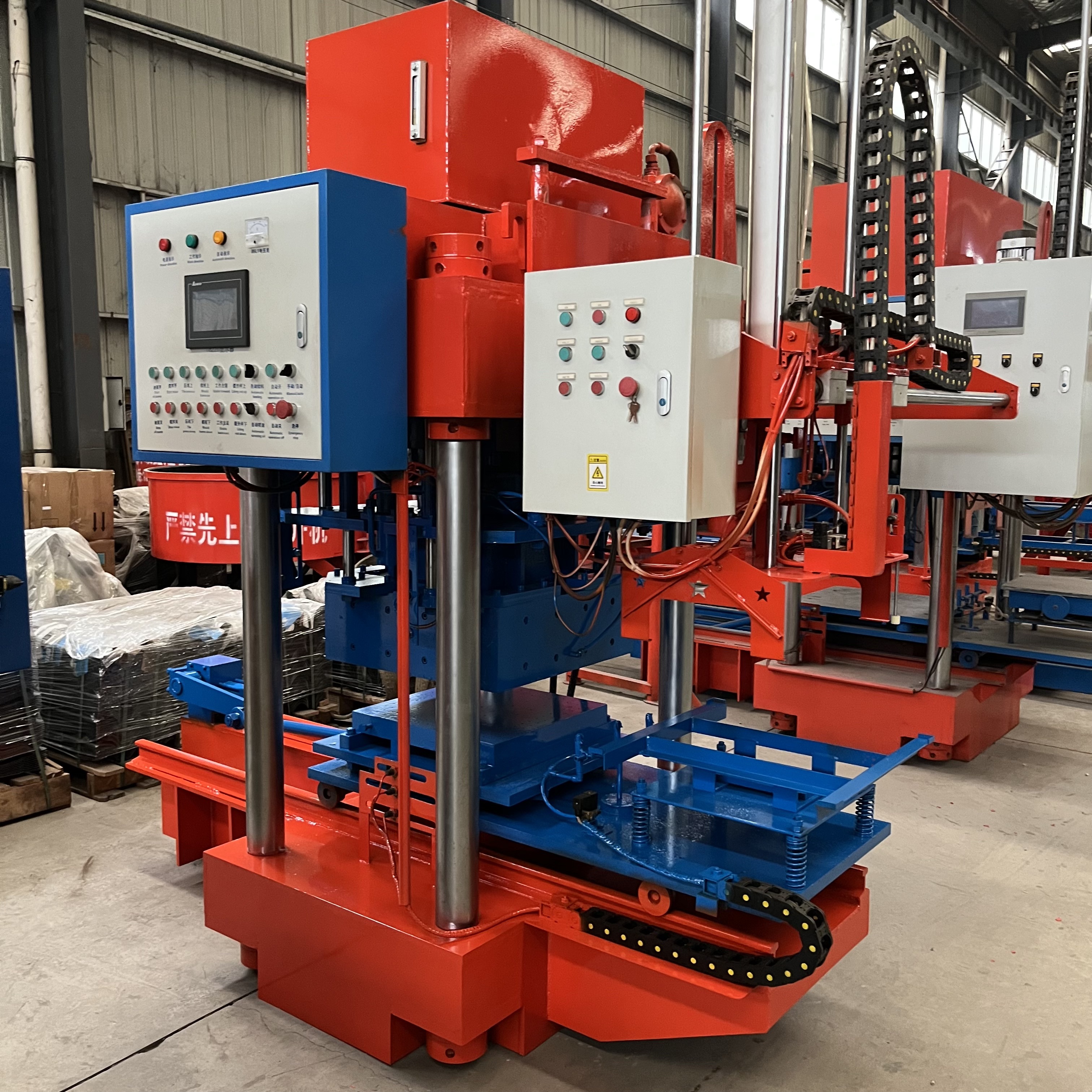
Xinlong Machinery's cement tile forming machine adopts modular design, with core components including the hydraulic forming system, vibration compaction device, automatic control system, and mold quick-change structure. In terms of equipment specifications, the standard model can reach a forming pressure of 120 tons, with tile size ranges of 300-450mm (length) × 200-300mm (width), and production efficiency of 800-1200 pieces per hour, with specific parameters adjustable according to customer requirements. For example, for projects in cold regions, the equipment can be equipped with a heating module to ensure rapid curing of tiles in low-temperature environments; in coastal humid areas, anti-corrosion performance is enhanced by optimizing mold materials (such as using stainless steel 304).
Xinlong Machinery adopts a "dual-station circulating production" mode in equipment architecture: while one mold is being pressed, the other side simultaneously completes demolding and cleaning, reducing standby time. The automatic control system integrates PLC and touch screen, supporting real-time parameter monitoring and fault warnings, such as when the hydraulic pressure deviates from the set value by ±5%, the system will automatically shut down and prompt for maintenance, avoiding uneven tile thickness due to pressure fluctuations.
Practical Case: Equipment Customization and Implementation Effect for an Overseas Project
In 2023, Xinlong Machinery provided a customized cement tile molding machine for a large residential project in a Southeast Asian country. The customer required the equipment to be suitable for high temperature and humidity environments, and the tiles must comply with local building codes (wind pressure resistance level ≥ 2.5kPa). In response to this demand, the Xinlong Machinery technical team optimized the equipment in three aspects:
Step 1: Molding UpgradeIncreased the standard mold thickness to 20mm from 15mm, and used high-strength alloy steel (HRC52-55) to extend the mold service life to over 100,000 times.
STEP 2: Improved Sealing StructureDouble-layer sealing rings are added to the critical parts of the hydraulic system to prevent moisture intrusion, leading to emulsification of the hydraulic oil, while also raising the equipment's protection level to IP55.
Step 3: Operation Parameter AdjustmentBased on the characteristics of local raw materials (cement fineness modulus 3.2-3.5), reduce the vibration frequency from 45Hz to 40Hz to avoid micro-cracks on the tile surface due to excessive vibration.
After the project is implemented, the equipment has been running continuously for 6 months without any fault. The color cement roof tiles produced have passed the wind pressure test with a 100% pass rate. Customers commented that "the color uniformity of the tiles is better than that of similar products, and the unit cost has been reduced by 12%."
Technical Layout: From single-machine production to the extension of intelligent production lines
In addition to single-machine equipment, Xinlong Machinery has focused on the layout of intelligent production line technology in recent years. Its latest developed "Cement Tile Intelligent Factory Solution" integrates the automatic proportioning system for raw materials, cluster control of molding machines, online quality detection of tiles, and packaging and stacking robots, which can achieve full-process automation from raw material input to finished product inventory. For example, in the quality inspection stage, the vision system equipped with industrial cameras can identify cracks, color differences, and other defects on the tile surface in real-time, with a detection accuracy of 0.1mm, which is three times more efficient than manual inspection.
Currently, the program has been implemented in 3 large-scale building materials bases in China, helping customers reduce labor costs by 40% and increase product pass rate from 92% to 98.5%. The technical director of Xinlong Machinery said, "In the future, we will continue to deepen the application of AI in equipment maintenance, such as predicting die life through vibration sensor data, further reducing maintenance costs for customers."
FAQ: Common Technical Questions about Cement Tile Molding Machine
Q1: What are the requirements for raw materials for the equipment?
A: The main raw materials are cement, sandstone, and pigments. The cement must comply with GB 175-2007 standard, the particle size of sandstone is recommended to be controlled at 0.15-5mm, and pigments must be inorganic mineral pigments to ensure the weather resistance of the tiles.
Q2: How to solve the problem of burrs at the edge of tiles?
A: Burrs are usually caused by mold wear or insufficient pressure. First, check if the mold cutting edge is钝ified (replace the mold if it is), and then confirm if the hydraulic pressure has reached the set value (check the real-time pressure curve on the touchscreen).
Q3: Can the equipment produce irregular tiles (such as arched tiles)?
A: Sure. Xinlong Machinery supports mold customization. Customers only need to provide the three-dimensional drawings of the tiles, and our technical team can complete the mold design and manufacturing within 15 working days, with a minimum bending radius of 500mm.