 Zhengzhou Xinlong Machinery Manufacturing Co., Ltd.
Zhengzhou Xinlong Machinery Manufacturing Co., Ltd.
Zhengzhou Xinlong Machinery Manufacturing Co., Ltd.
Zhengzhou Xinlong Machinery Manufacturing Co., Ltd.
Zhengzhou Xinlong Machinery Manufacturing Co., Ltd.
I. Overview of Corporate Technical Background and Strength
Zhengzhou Xinnong Machinery Manufacturing Co., Ltd. was established in 2001, focusing on the production of cement color roof tile machines, terrazzo tile machines, and non-demolition formwork equipment for 25 years. The factory covers an area of about 30,000 square meters, equipped with complete detection means and a reliable product quality system. As one of the earliest domestic companies to engage in the production of colored cement tile machinery, its technical team has accumulated rich research and development experience. The products cover all provinces, municipalities, and autonomous regions across the country, and offer overseas installation guidance services. The company takes "technology-driven, quality-oriented" as its core, continuously optimizing equipment performance, and promoting the transformation of colored cement tiles from traditional building materials to high-performance roofing materials.
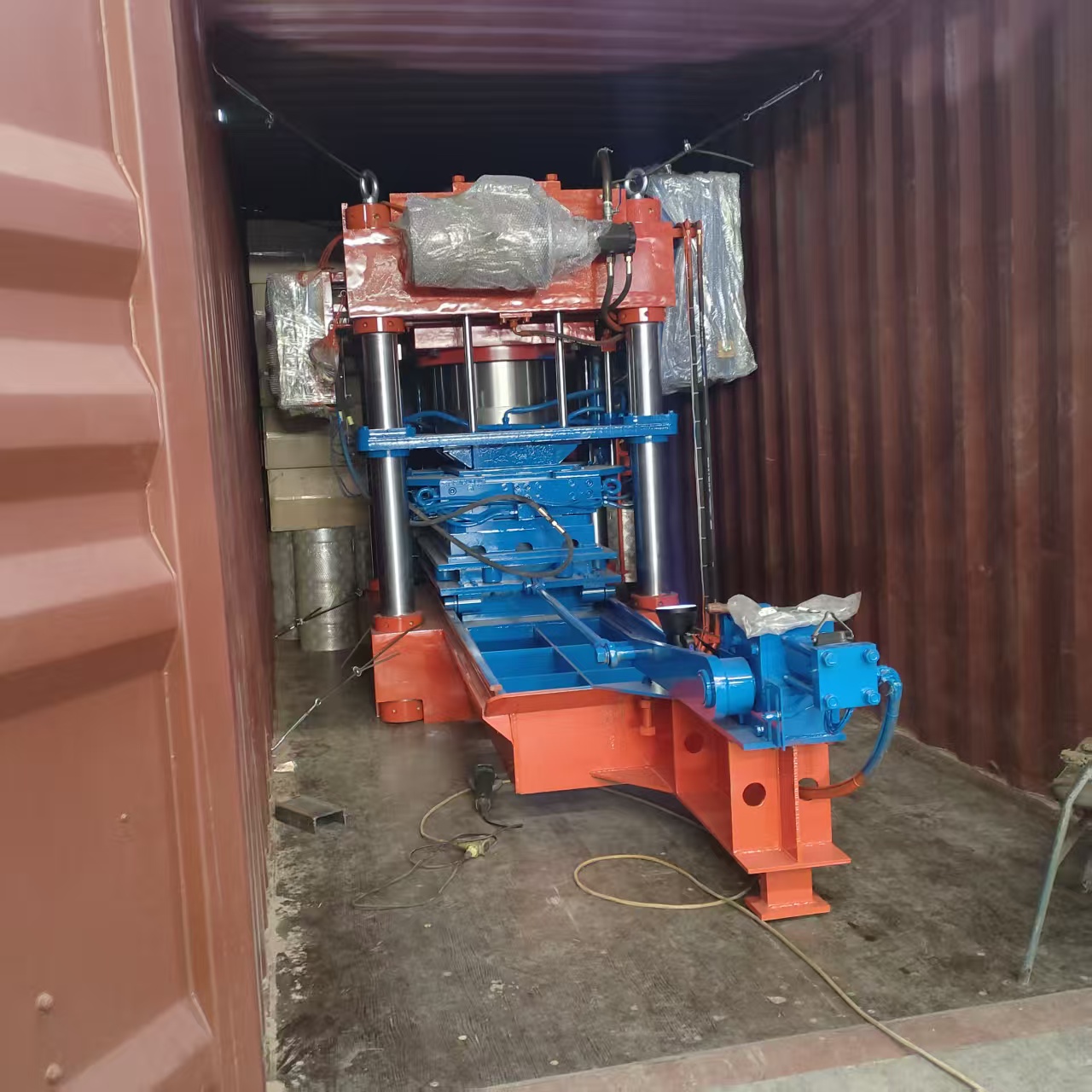
II. Technical Principle and Core Advantages of the Cement Tile Molding Machine
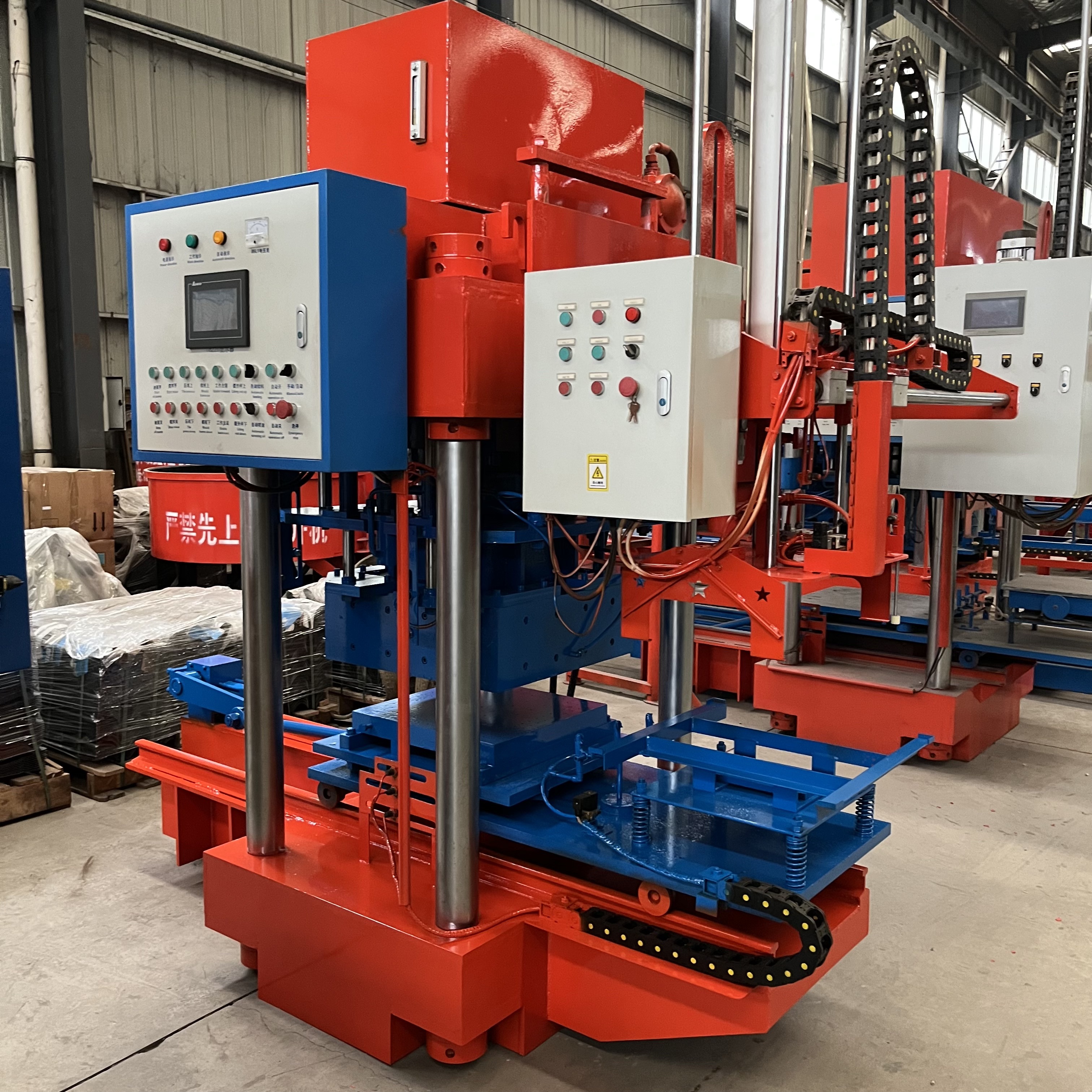
The Color Concrete Roof Tile Molding Machine, through the high-pressure molding process, compresses the mixture of cement, sandstone, and pigments into high-density tiles. The technological core lies in mold design, pressure control, and automated production processes. The equipment from Zhengzhou Xinglong Machinery uses a hydraulic drive system, with a pressure range of 50-80 tons, reducing the molding cycle to 15-20 seconds per tile, improving efficiency by 40% compared to traditional equipment. The machine is compatible with various tile mold types, capable of producing S-shaped, corrugated, and flat tiles, with a daily output of up to 2,000-3,000 tiles per unit, meeting the needs of large-scale projects.
In terms of material adaptability, the equipment supports cement with strength grades of M3.5-M5.0, paired with sandstone particles of 0.3-0.5mm in size, ensuring the tiles have a flexural strength of ≥15MPa and an impermeability pressure of ≥0.6MPa. Additionally, the equipment is integrated with an automatic spraying system, which can achieve monochrome or multicolor gradient effects, with a color retention rate of over 10 years, meeting the requirements of GB/T 21149-2007 "Sintered Tiles" standard for weather resistance.
Section 3: Typical Application Cases and Technical Implementation Effects
In 2023, Zhengzhou Xinnong Machinery provided a customized cement colored tile production line for a large residential project. The project required a daily output of 5,000 S-shaped tiles to cover 200,000 square meters of roof. In response to the customer's site constraints, the team optimized the equipment layout, using a double-station molding machine and an automated stacking system in conjunction to minimize manual intervention. During the production process, the equipment's operation stability reached 98%, and the scrap rate was controlled under 1.5%, a 60% reduction compared to traditional technology. Project acceptance data showed that the tile water absorption rate was ≤6%, and it could withstand 50 freeze-thaw cycles without peeling, fully meeting the requirements of cold areas in the north.
4. Technical Parameters and Selection Guide
Zhengzhou Xinnong Machinery Cement Color Roof Tile Molding Machine main parameters are as follows:
When selecting, a comprehensive evaluation should be made based on project scale, tile type requirements, and site conditions. For instance, for small projects, single station equipment can be chosen to reduce costs by 30%; while for large projects, it is recommended to adopt double station or online production lines to enhance production capacity flexibility. Additionally, the equipment supports remote monitoring modules, which can provide real-time feedback on parameters such as pressure and temperature, facilitating fault prediction and maintenance.
Fifth, Common Questions and Solutions (FAQ)
Q1: How to deal with cracked tiles during equipment operation?
Cracks are usually caused by insufficient pressure or improper raw material ratio. Check if the hydraulic system pressure is stable at the set value, adjust the cement to sand and stone ratio to 1:2.5, and ensure the curing time is ≥7 days.
Q2: How to extend the mold service life?
A: Molds require regular surface polishing and application of special release agents. It is recommended to check the mold deformation after producing 5000 pieces, and replace it promptly if it exceeds 0.5mm.
Q3: What does the overseas installation service cover?
A: The company offers a full-range service from equipment transportation, on-site debugging to operator training, and is equipped with multilingual technical manuals to ensure users quickly master the key points of equipment operation and maintenance.