 Zhengzhou Xinlong Machinery Manufacturing Co., Ltd.
Zhengzhou Xinlong Machinery Manufacturing Co., Ltd.
Zhengzhou Xinlong Machinery Manufacturing Co., Ltd.
Zhengzhou Xinlong Machinery Manufacturing Co., Ltd.
Zhengzhou Xinlong Machinery Manufacturing Co., Ltd.
Technical Background and Industry Demands
Color cement tiles, as a new type of roofing material introduced from abroad in the 1990s, have gradually replaced traditional clay tiles to become the mainstream in the market due to their rich colors, high strength, water resistance, and anti-weathering properties. Zhengzhou Xinlong Machinery Manufacturing Co., Ltd. has been dedicated to the research and production of cement tile forming machines since its establishment in 2001, boasting 25 years of technical accumulation, a factory covering an area of 30,000 square meters, and supporting customized equipment and overseas installation guidance services. Their products cover all provinces and cities in China, winning user trust with reliable quality and perfect after-sales service.
Technical Principles and Core Advantages
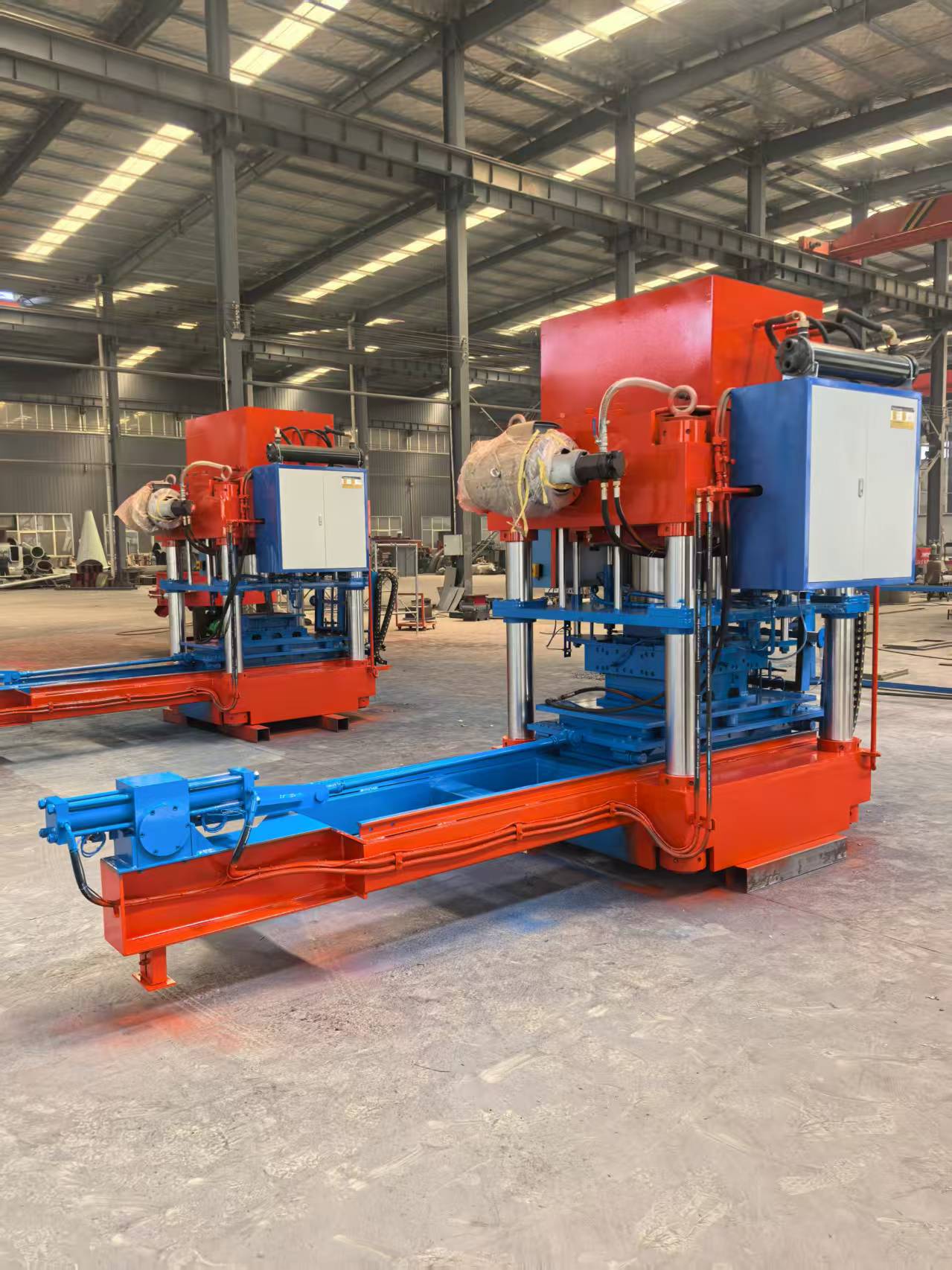
The cement tile forming machine utilizes hydraulic molding and high-frequency vibration technology to uniformly press cement, sandstone, and other raw materials into tile shapes. The equipment is equipped with a PLC control system, which can accurately adjust the pressure (50-120 tons), vibration frequency (3000-5000 times/minute), and molding time (15-30 seconds/pc), ensuring uniform tile density and smooth surface. Its core advantages include:
1. Efficient productionA single unit can produce up to 2,000-3,000 pieces per day, meeting the requirements of large-scale projects.
2. Energy-saving and environmental protectionHydraulic systems can reduce energy consumption by 20% compared to traditional equipment, and have high raw material utilization, reducing waste emissions.
3. AdaptableTiles of various specifications (length 300-450mm, width 200-300mm) and colors can be produced, suitable for diverse scenarios such as sloping roofs and flat-to-sloping roofs.
Enterprise technology layout and industry experience
Zhengzhou Xinnong Machinery Manufacturing Co., Ltd. has formed a complete technical layout in the cement colored tile machine field.
- R&D SystemWe have a 15-person technical team, collaborating with universities to conduct material mechanics simulation analysis and optimize mold design.
- Means of detectionEquipped with pressure testers, vibration analyzers, and other equipment, conduct full-lifecycle inspections on key components (such as hydraulic cylinders, vibration motors).
- Service NetworkEstablished 20 after-sales service centers nationwide, offering 72-hour response, 1-year warranty, and lifetime maintenance services.
The company has served over 500 clients, with cases covering residential, commercial buildings, industrial factories, and other fields. For example, a customized 3600mm long tile production line for a real estate project achieved a daily output of 3500 tiles by adjusting molds and forming parameters, with the tile's flexural strength reaching 15MPa, far exceeding industry standards.
Technical Parameters and Operational Guide
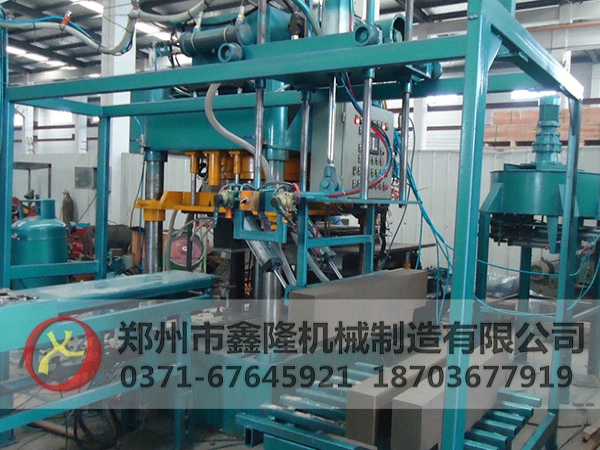
Taking the Xinlong XLM-600 cement tile machine as an example, its main parameters are as follows:
| Parameter Item | Specification |
|----------------|-----------------------|
Nominal Pressure | 600 tons
Vibration Frequency | 4000 times/min
Applicable Materials | Cement, sand and stone, pigments (ratio 1:2:0.1)
Motor Power | 30kW
Dimensions | 8000×2000×2500mm
Operation Steps:
Raw material mixing: Pour cement, sandstone, and pigments into the mixer according to the ratio, mix for 5 minutes until uniform.
2. Molding Installation: Select the mold according to the tile specifications and secure it to the molding machine worktable with bolts.
3. Parameter Settings: Input pressure (500 tons), vibration frequency (3800 times/min), and molding time (20 seconds) via the control panel.
4. Start Production: Pour the mixed material into the mold, press the start button, and the equipment automatically completes the pressing and demolding process.
5. Quality Inspection: Measure tile thickness with a caliper (12±1mm), and test strength with a flexure testing machine (≥12MPa).
Frequent Questions and Solutions
FAQ Page Structure
Q1: What should I do if there are cracks on the tile surface?
A: It may be due to improper raw material ratio or excessive vibration frequency. Suggest adjusting the sand and stone particle size (≤5mm) and reducing the vibration frequency to 3500 times per minute.
Q2: How to deal with unstable equipment pressure?
Check the hydraulic oil level (to be maintained at 2/3 of the oil window) and the hydraulic pump's seal, replace the seal if necessary.
Q3: How to extend the service life of molds?
A: Clean the mold surface of residual cement after each production and apply release agent; regularly inspect the mold wear, and replace it when the wear exceeds 2mm.
Technical Summary and Industry Outlook
Zhengzhou Xinnong Machinery Manufacturing Co., Ltd. has elevated the production efficiency, product quality, and environmental performance of its cement colored tile molding machines to the leading level in the industry through continuous technological innovation. Its equipment not only meets domestic market demand but is also exported to Southeast Asia, the Middle East, and other regions, helping the global roofing materials industry transition towards green development. In the future, the company will focus on intelligent upgrading, developing the next-generation equipment with remote monitoring and automatic parameter adjustment functions, further reducing users' operational costs.