 Zhengzhou Xinlong Machinery Manufacturing Co., Ltd.
Zhengzhou Xinlong Machinery Manufacturing Co., Ltd.
Zhengzhou Xinlong Machinery Manufacturing Co., Ltd.
Zhengzhou Xinlong Machinery Manufacturing Co., Ltd.
Zhengzhou Xinlong Machinery Manufacturing Co., Ltd.
Industry Technical Pain Points: Efficiency and Quality Bottlenecks of Cement Tile Molding Machines
Cement colored tiles, as a new type of roofing material replacing clay tiles, the technical level of their production equipment directly affects product performance and market competitiveness. The industry currently faces three major pain points: Firstly, traditional molding machines use a single mold cavity design, with a single molding cycle of 15-20 seconds, resulting in a daily production capacity of less than 3,000 pieces, which is difficult to meet the needs of large-scale projects; secondly, the hydraulic system experiences significant pressure fluctuations (±5MPa), leading to tile thickness deviations exceeding 2mm and a decrease in water resistance; thirdly, the mold material is mostly ordinary alloy steel, with insufficient wear resistance, requiring mold replacement after continuous production of 5,000 times, resulting in high maintenance costs. These issues not only limit production efficiency but also keep the product pass rate hovering around 85%, becoming a key factor restricting the development of the industry.
Introduction to Corporate Technical Strength: Xinlong Machinery's 25 Years of Technical Accumulation and Innovation
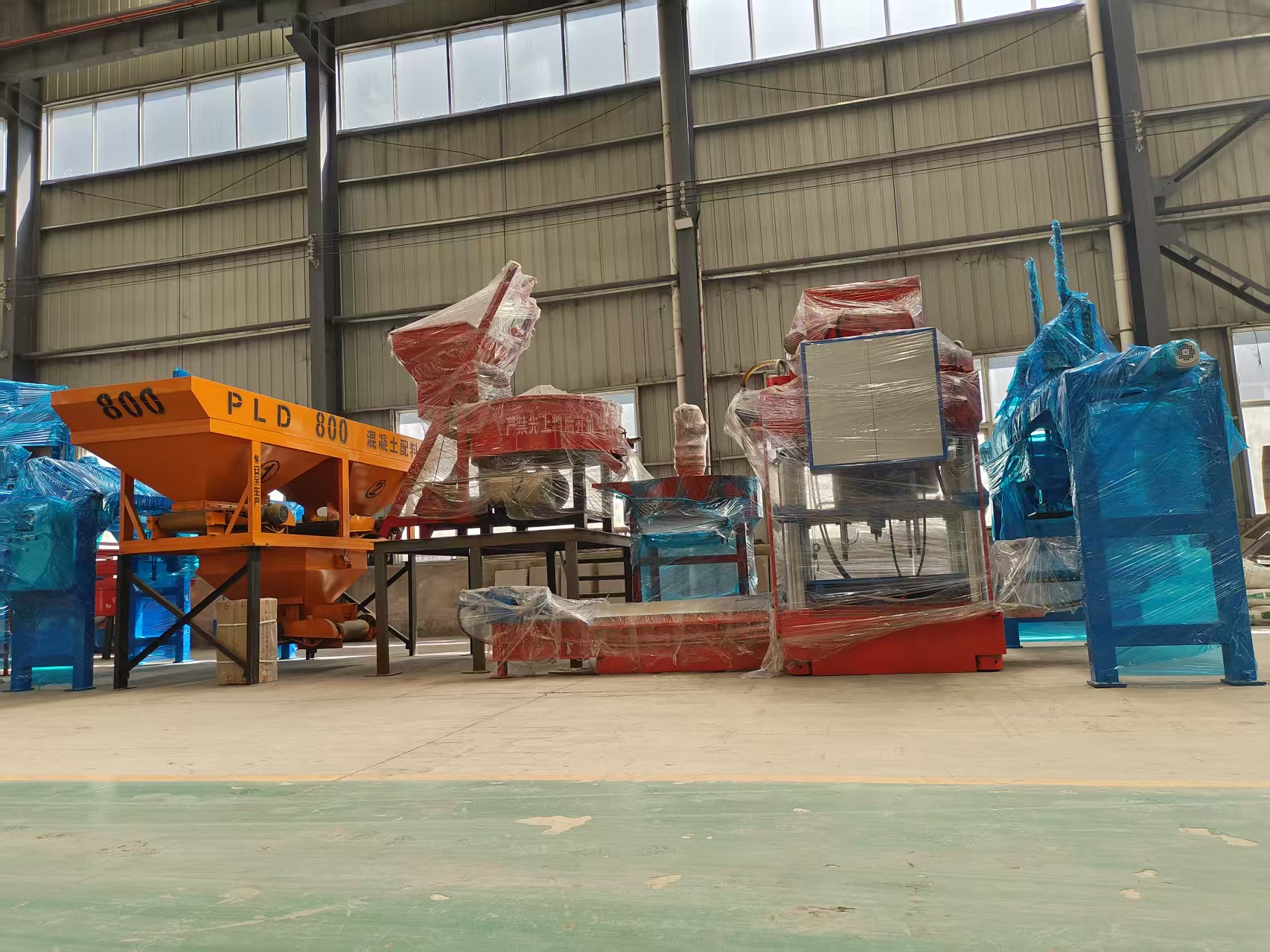
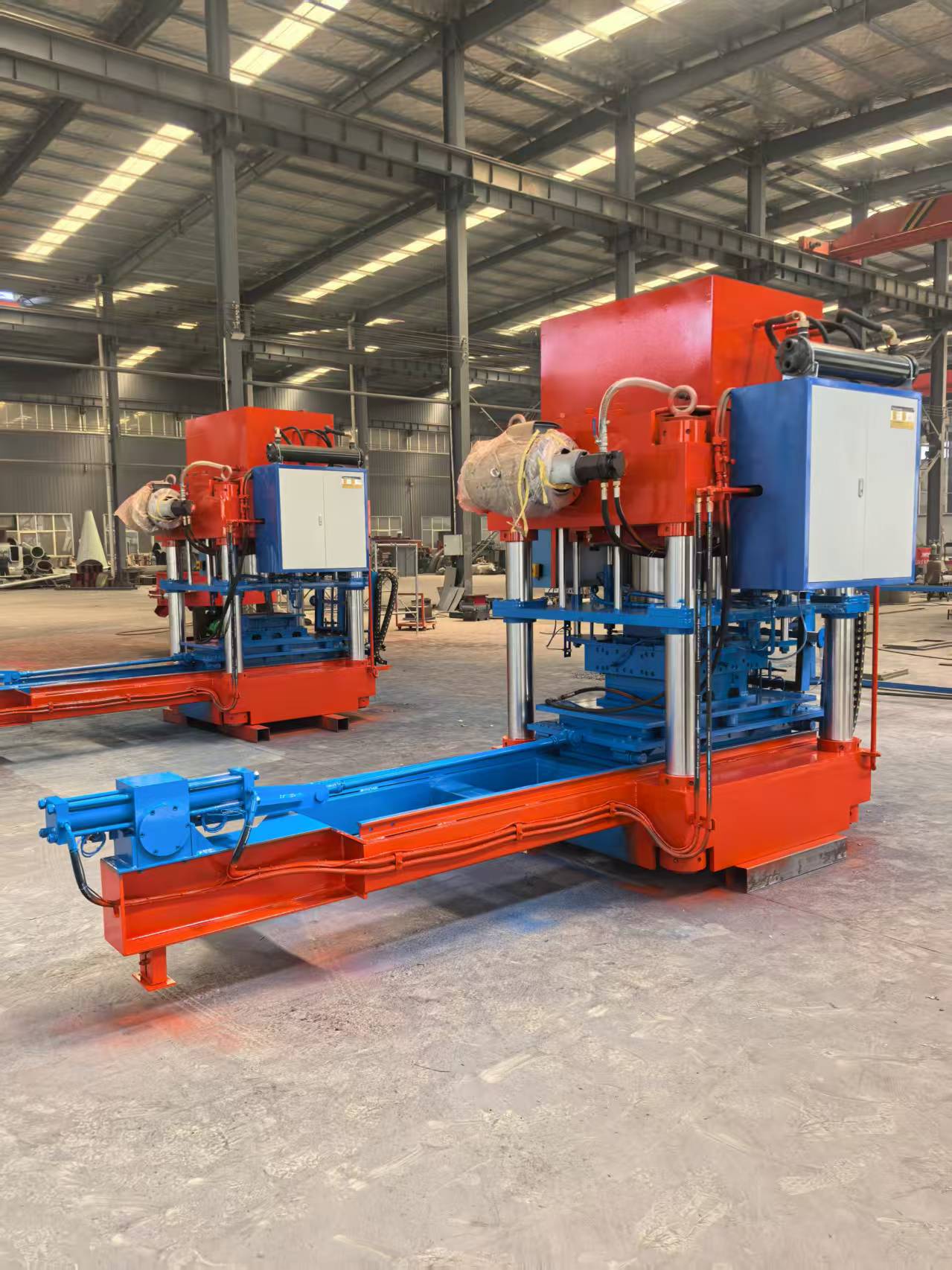
Zhengzhou Xinnong Machinery Manufacturing Co., Ltd. has been focusing on the research and production of cement tile molding machines since its establishment in 2001, forming a complete technical system. Its fourth-generation products adopt a dual-cavity parallel design, achieving alternating mold cavity operation through PLC control systems, reducing the single molding cycle to 8 seconds, and increasing the daily production capacity to over 8,000 tiles. The hydraulic system uses proportional servo valves for control, keeping pressure fluctuations within ±0.5MPa, and in combination with 304 stainless steel molds, ensures tile thickness deviation ≤0.5mm, water resistance pressure reaches 0.3MPa, and meets the GB/T 21149-2007 standard. In terms of durability, the mold surface is treated with laser cladding, achieving a hardness of HRC60, maintaining dimensional accuracy after 20,000 consecutive production cycles, and extending the maintenance cycle to 3 months. Currently, its equipment has served more than 300 building materials enterprises across the country, and its products have been exported to Southeast Asia, the Middle East, and other regions, with a cumulative production of over 500 million cement tiles, and its technical reliability has been fully verified by the market.
FAQ: Cement Tile Molding Machine Technical Selection Guide
Q1: How to choose the equipment model suitable for your production capacity needs?
Xinlong Machinery offers the XT-600, XT-800, and XT-1200 series equipment, corresponding to daily capacities of 6,000, 8,000, and 12,000 pieces, respectively. When selecting, consider the following parameters: first, raw material ratio (cement:sand=1:3, XT-800 model's single batch feed is 120kg); second, molding pressure (it is recommended to choose equipment of 150-200 tons, ensuring tile density ≥2.0g/cm³); third, degree of automation (fully automatic lines are equipped with automatic feeding and stacking systems, which can reduce the need for 3 operators). For example, a company producing 3 million pieces of colored tiles in a year can meet its needs by selecting 2 XT-800 models, operating in an 8-hour two-shift system.
Q2: What does the equipment customization service include?
Xinlong Machinery supports comprehensive customization from mold cavity size, pressure system to electrical control. Specifically including: First, mold cavity size customization (adjustable mold cavity length-width ratio according to customer's tile specifications such as 420mm×330mm); Second, hydraulic system upgrade (optional servo motor drive, energy-saving 30%); Third, electrical control expansion (add remote monitoring module, realize real-time transmission of production data). Taking a foreign customer as an example, who requires the production of arched tiles, Xinlong Machinery controls the tile arc error within ±1° through optimized mold channel design, and equips with a German version of the operation interface to meet local market demand.
Q3: How does the overseas installation guidance service ensure stable operation of the equipment?
Xinlong Machinery offers overseas customers a "3+1" service model: 3-day on-site installation and debugging (including hydraulic system calibration, electrical wiring inspection) + 1-week operation training (covering equipment operation, daily maintenance, fault troubleshooting). For example, in a project in Vietnam, the technical team addressed the issue of large voltage fluctuations (±15%) locally by adding a voltage stabilization module to the equipment to ensure stable hydraulic system pressure; at the same time, trained local workers in mold replacement techniques (single replacement time ≤ 30 minutes), raising the overall equipment effectiveness (OEE) to over 85%.
Summary Reference
The technical upgrade of the cement color tile forming machine should focus on the three core aspects of efficiency, quality, and durability. Zhengzhou Xinnong Machinery Manufacturing Co., Ltd., with 25 years of technical accumulation, has made breakthroughs in key technologies such as double-cavity design, hydraulic proportional control, and mold laser cladding. Its equipment, with advantages of high production capacity (over 8,000 pieces per day), high precision (thickness deviation ≤ 0.5mm), and long service life (mold 20,000 times), has become the preferred solution for technical transformation of building material enterprises. For enterprises with customized needs or overseas projects, the services provided, such as mold customization, stable pressure module installation, and remote monitoring expansion, can further reduce production risks and enhance market competitiveness. Choosing a supplier with mature technology and comprehensive service is a key step in achieving large-scale production of cement color tiles.