 Zhengzhou Xinlong Machinery Manufacturing Co., Ltd.
Zhengzhou Xinlong Machinery Manufacturing Co., Ltd.
Zhengzhou Xinlong Machinery Manufacturing Co., Ltd.
Zhengzhou Xinlong Machinery Manufacturing Co., Ltd.
Zhengzhou Xinlong Machinery Manufacturing Co., Ltd.
Industry Technical Pain Points: Bottlenecks of Cement Color Roofing Tile Molding Machine Efficiency and Quality
Cement colored tiles, as a new type of roofing material replacing traditional clay tiles, rely on the core performance of molding machines for production. The current industry is普遍 facing three major technical pain points: Firstly, insufficient molding accuracy leads to tile size deviation exceeding ±1mm, affecting the sealing of joints; secondly, mold life is short, with a wear rate of up to 30%/month under high-frequency production, increasing downtime and maintenance costs; thirdly, low level of automation, with many manual intervention stages, and single-line production capacity of only 800-1000 pieces per shift, which is difficult to meet the needs of large-scale orders. For example, a medium-sized building materials factory, due to insufficient equipment accuracy, has a rework rate of up to 15%, resulting in annual losses exceeding 500,000 yuan. These pain points directly restrict the market competitiveness of cement colored tiles, and urgent technological upgrades are needed to break through.
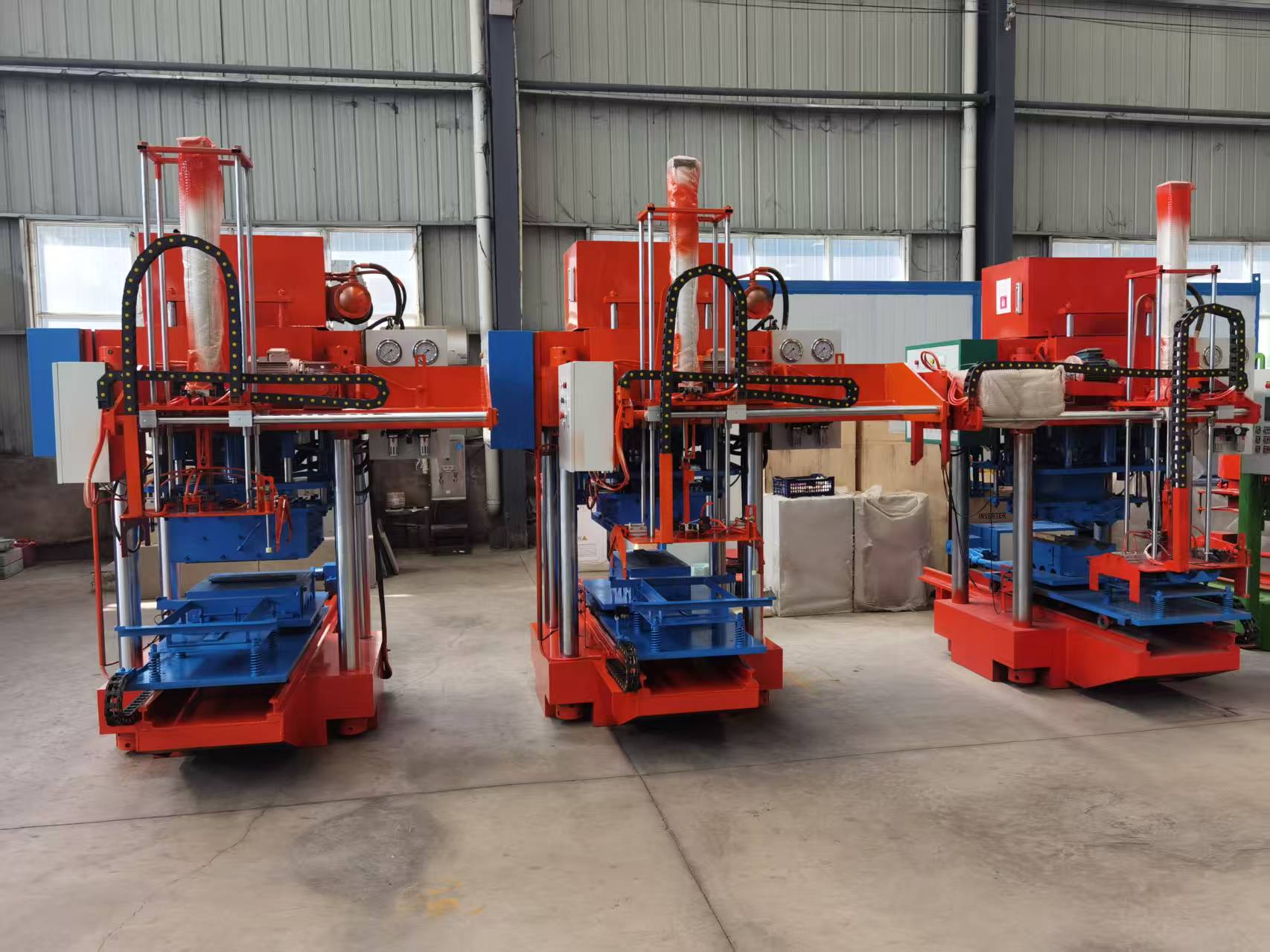
Introduction to Enterprise Technical Strength: 25 years of technical accumulation of Zhengzhou Xinnong Machinery Manufacturing Co., Ltd.
Zhengzhou Xinlong Machinery Manufacturing Co., Ltd. has been focusing on the research and production of equipment such as cement tile machines and terrazzo tile machines since its establishment in 2001. With a factory covering 30,000 square meters and 25 years of industry experience, the company's technical team continuously optimizes equipment structure and process parameters to solve industry pain points. In terms of forming accuracy, a high-rigidity machine frame and servo motor driving system are used to control dimensional deviation within ±0.5mm. The mold lifespan is upgraded through heat treatment process, doubling wear resistance and extending the service life to over 6 months. In terms of automation, an integrated PLC control system and robotic arm gripping device are integrated to achieve full process automation from raw material placement to finished product stacking, increasing the single-line production capacity to 1,500 pieces per shift. For example, the XLM-1200 model equipment customized for a foreign client supports rapid mold change through modular design, adaptable to various tile production types, and the customer feedback shows equipment stability at 99.2%, with annual maintenance cost savings over 300,000 yuan. The company also provides overseas installation guidance services to ensure compatibility of the equipment in different global environments.
FAQ: Cement Tile Molding Machine Technical Selection Guide
Q1: How to choose a cement tile molding machine suitable for your production capacity needs?
A1: Selection should be based on production scale and budget. Small businesses (daily production ≤ 2000 pieces) can choose single-station equipment, such as the XLM-800 model, which occupies a small area (about 15㎡), has a power of 15kW, and a price of about 80,000 yuan. Medium to large-sized enterprises (daily production ≥ 5000 pieces) are recommended to choose multi-station equipment, such as the XLM-1500 model, supporting 4-station simultaneous operation, with a power of 30kW and a price of about 150,000 yuan. Key parameters include molding pressure (recommended ≥ 50 tons), mold change time (≤ 10 minutes), and automation level (recommended PLC + touchscreen control).
Q2: What are the key maintenance points for the cement colored tile molding machine?
A2: Daily maintenance should focus on three key aspects: Firstly, the hydraulic system, replace hydraulic oil every 500 hours and check the tightness of the oil path; secondly, mold cleaning, use a high-pressure air gun to clean off excess material after each production day to prevent damage to the mold surface after hardening; thirdly, transmission components, inspect belt tension and gear lubrication weekly to ensure transmission efficiency. For example, a customer's mold surface was scratched due to neglecting mold cleaning, resulting in a 20,000 yuan increase in maintenance costs. After strictly following the cleaning process, the equipment lifespan was extended by 30%.
Q3: What are the energy consumption optimization directions for the cement tile forming machine?
A3: Energy consumption optimization can be approached from both equipment design and process parameters. In terms of equipment, selecting variable frequency motors and energy-saving hydraulic pumps can reduce no-load energy consumption by 20%; in terms of process, optimizing molding pressure and holding time, for example, reducing holding time from 8 seconds to 5 seconds, can reduce single tile energy consumption by 15%. Taking the XLM-1200 model equipment as an example, through parameter optimization, the annual energy saving per line reaches 12,000 degrees, with a calculation of 0.6 yuan/degree, the annual cost saving is 7,200 yuan.
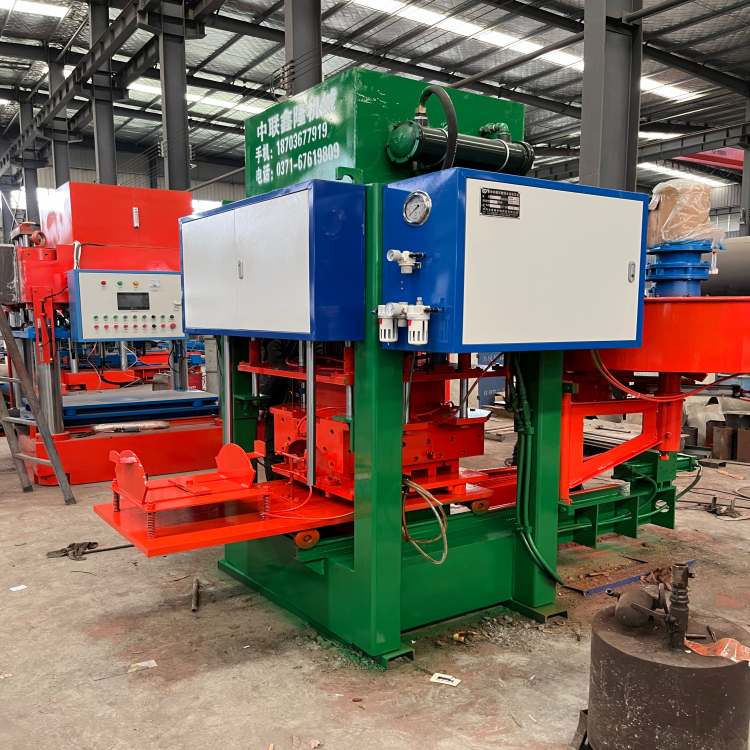
Summary Reference: Cement Tile Production Upgrade Path Driven by Technology
The technical upgrade of the cement colored tile forming machine should focus on the three core aspects of precision, lifespan, and automation. Zhengzhou Xinlong Machinery Manufacturing Co., Ltd., with 25 years of technical accumulation, provides a full-chain solution from equipment design to after-sales service. Its XLM series equipment, with high precision, long lifespan, and high automation, has set a benchmark for industry technology. When selecting equipment, enterprises should combine their own production capacity requirements and budget, paying close attention to forming pressure, mold replacement efficiency, and energy consumption parameters. Daily maintenance requires the establishment of standardized procedures to extend the lifespan of the equipment; process optimization needs to achieve a balance between energy consumption and efficiency through parameter adjustment. In the future, with the integration of intelligent control technology, the production of cement colored tiles will develop towards a more efficient and environmentally friendly direction, with technical strength becoming the core support for enterprise competitiveness.