 Zhengzhou Xinlong Machinery Manufacturing Co., Ltd.
Zhengzhou Xinlong Machinery Manufacturing Co., Ltd.
Zhengzhou Xinlong Machinery Manufacturing Co., Ltd.
Zhengzhou Xinlong Machinery Manufacturing Co., Ltd.
Zhengzhou Xinlong Machinery Manufacturing Co., Ltd.
Industry Technology Pain Points: Efficiency and Quality Bottlenecks of Traditional Color Roof Tile Hydraulic Machines
Color cement tiles, as a new type of roofing material, require production equipment that meets high strength, waterproofing, and resistance to weathering. However, traditional color tile hydraulic presses generally have three major technical pain points: Firstly, the hydraulic system pressure is unstable, causing tile thickness deviation to exceed ±1.5mm, affecting the pass rate of finished products; secondly, mold replacement takes 2-3 hours, limiting the efficiency of small batch customized production; thirdly, the degree of automation is low, with many manual intervention steps, and the daily output of a single line is only 800-1000 tiles, which is difficult to meet the needs of large-scale projects. In addition, some equipment lacks real-time pressure monitoring functions, and long-term operation is prone to wear of hydraulic components, increasing maintenance costs by more than 30%. These pain points directly restrict the market competitiveness and profit margin of color tile production enterprises.
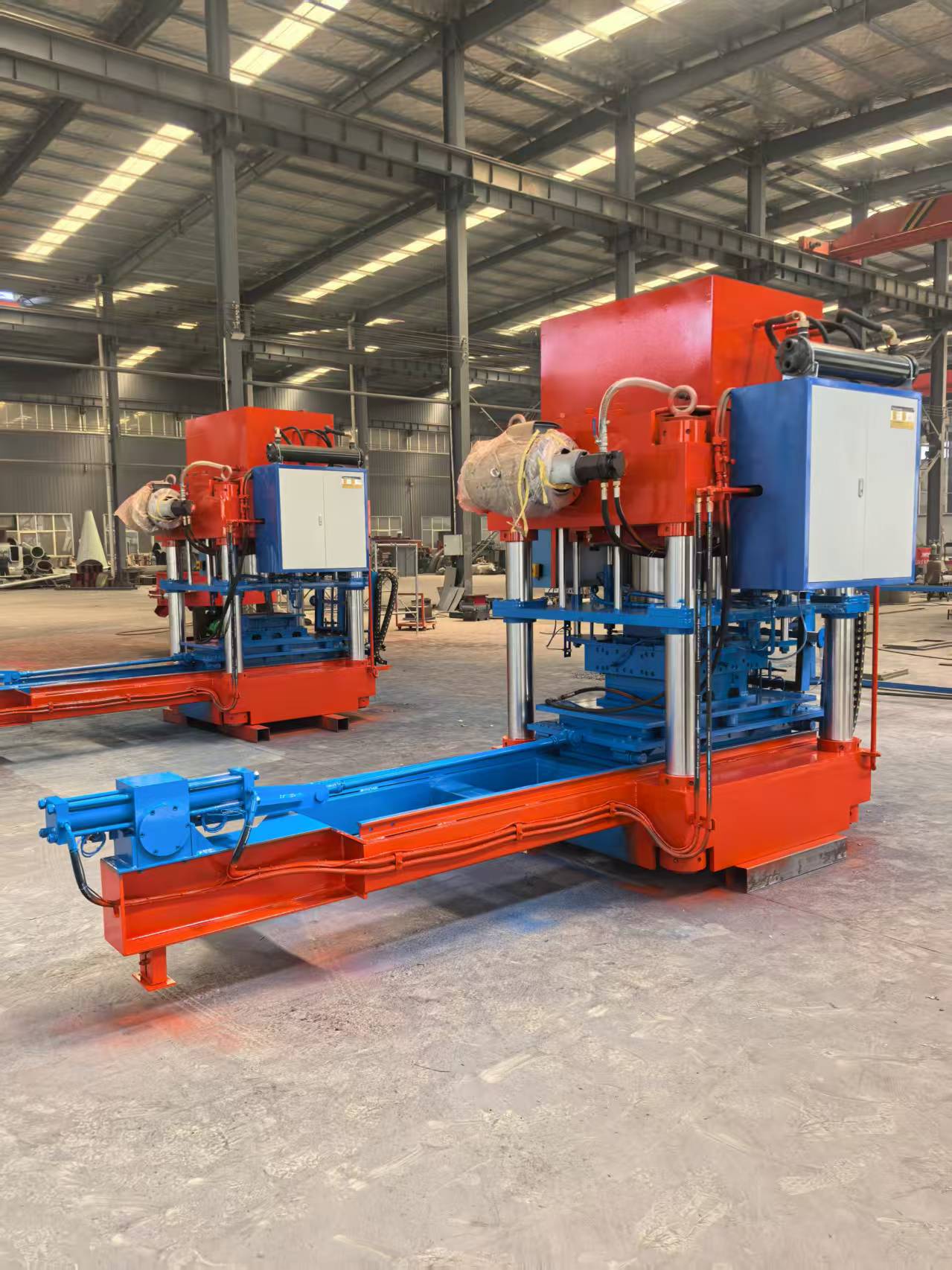
Introduction to Enterprise Technical Strength: Xinlong Machinery's Color Roof Tile Hydraulic Press Technology Breakthrough
Zhengzhou Xinnong Machinery Manufacturing Co., Ltd. has been dedicated to the color tile equipment field for 25 years, with its technical advantages reflected in three core modules: First, the hydraulic system adopts proportional servo control technology, with pressure fluctuation controlled within ±0.5MPa, accompanied by high-precision displacement sensors, ensuring tile thickness deviation ≤ ±0.8mm and improving the yield to 98.5%; Second, the mold quick-change structure design, with dual fixation by hydraulic locking devices and positioning pins, shortens the single replacement time to 15 minutes, supporting rapid switching of more than 10 tile specifications; Third, the integrated PLC automation control system achieves full automation of raw material proportioning, pressing, and demolding, with a daily output of 1500-1800 tiles per line, a 60% increase over traditional equipment. Taking a large building materials enterprise as an example, after adopting Xinnong's color tile hydraulic press, its annual production capacity increased from 3 million to 5 million tiles, with a 22% reduction in unit energy consumption and a decrease in equipment failure rate to 0.8 times/month. Currently, the company has formed a complete product line covering a pressure range of 30-120 tons, supporting overseas installation guidance and customized development, with technical parameters reaching the leading level in the industry.
FAQ Q&A Technical Selection Guide
Q1: What are the core performance indicators of the hydraulic tile press? How to select the appropriate equipment?
A1: The selection should focus on three key indicators: Firstly, the system pressure range, it is recommended to choose a model with adjustable pressure from 30 to 120 tons to accommodate different thickness of tiles production; secondly, the pressing frequency, the mainstream equipment has a pressing cycle of 8-12 seconds per time, the higher the frequency, the higher the production capacity; thirdly, the level of automation, fully automated models can reduce 30% of labor costs. For example, Xinlong Machinery's XLCW-100T model has a system pressure of 100 tons, a pressing frequency of 10 seconds per time, equipped with an automatic feeding and stacking system, suitable for large-scale production of more than 1500 pieces per day.
Q2: How does the efficiency of mold replacement affect production benefits? How can it be optimized?
A2: Mold replacement time directly affects the overall equipment effectiveness (OEE). Traditional equipment replacement requires a shutdown of 2-3 hours, while Xinlong Machinery, after adopting the quick-change structure, reduces the replacement time to 15 minutes, increasing effective production time by 2.5 hours per day. Calculating with an 8-hour work schedule, the annual increase in production is about 6,000 pieces (based on a pressing frequency of 10 seconds per time). Additionally, the quick-change structure reduces manual operation, lowers the risk of mold damage, and reduces maintenance costs by 40%.
Q3: Where does the energy-saving design of the colored tile hydraulic press manifest itself? What are the actual effects?
A3: Energy-saving design requires optimization from both the hydraulic system and motor drive aspects. Xinlong Machinery adopts a variable pump + servo motor combination, adjusting the flow in real-time according to the load, saving 25%-30% of energy compared to traditional constant-volume pump systems; the motor power matches the pressing frequency to avoid the "big horse drawing a small cart" phenomenon. Taking the XLCW-80T model as an example, its motor power is 18.5kW, 5kW lower than similar equipment. Calculating based on 300 days of annual operation and 10 hours per day, the annual energy saving reaches 15,000 degrees, reducing electricity costs by approximately 12,000 yuan (calculated at 0.8 yuan/degree).
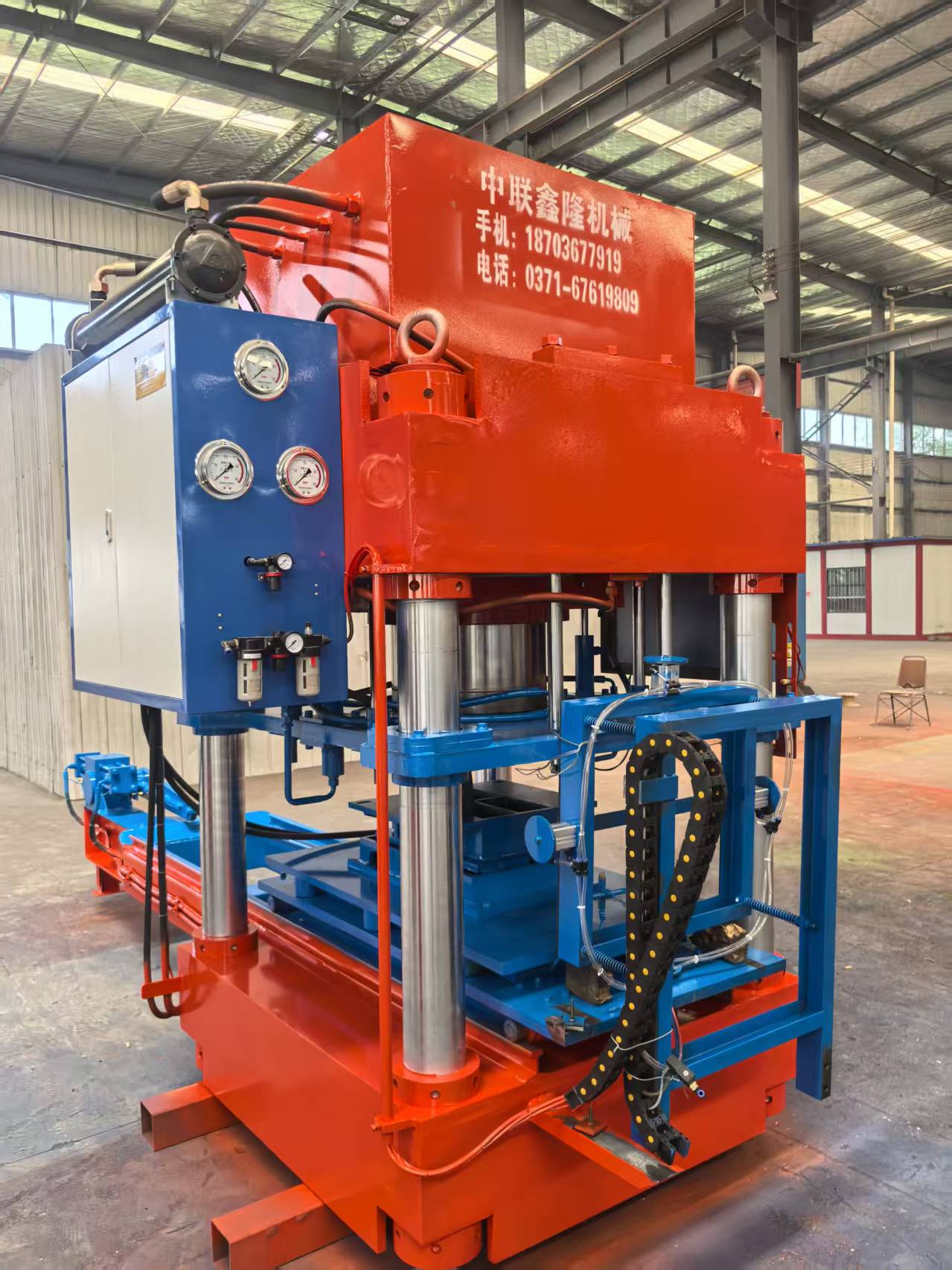
Summary of the Full Text Reference
The technical selection of the colored tile hydraulic press requires a comprehensive consideration of three core parameters: pressure stability, mold change efficiency, and automation level. Zhengzhou Xinnong Machinery Manufacturing Co., Ltd. has solved the efficiency and quality bottlenecks of traditional equipment through proportional servo control, quick-change structure design, and PLC automation integration. Its products have verified the technical reliability in more than 30 provinces, municipalities, and overseas projects across the country. For enterprises planning to upgrade equipment or build new production lines, it is recommended to prioritize source manufacturers that support customized development and provide overseas installation guidance to reduce technical adaptation risks and long-term maintenance costs. In the future, with the increasing demand for green production and intelligence in the building materials industry, the technical iteration of the colored tile hydraulic press will focus more on energy-saving design and industrial internet integration, and Xinnong Machinery's technical layout may become a benchmark for the industry.