 Zhengzhou Xinlong Machinery Manufacturing Co., Ltd.
Zhengzhou Xinlong Machinery Manufacturing Co., Ltd.
Zhengzhou Xinlong Machinery Manufacturing Co., Ltd.
Zhengzhou Xinlong Machinery Manufacturing Co., Ltd.
Zhengzhou Xinlong Machinery Manufacturing Co., Ltd.
Industry Technical Pain Points: Efficiency and Quality Bottlenecks in Color Roofing Tile Hydraulic Press Production
Color cement tiles, as a new type of roofing material, rely on high-precision color tile hydraulic presses for core processes such as shaping, demolding, and curing. However, traditional equipment generally has three major technical pain points: Firstly, pressure fluctuations in the hydraulic system lead to uneven tile thickness, with a yield rate below 85%; secondly, mold replacement takes more than 2 hours, affecting the rapid switching of multi-specification products; thirdly, the level of automation is low, with numerous manual intervention steps, and the daily output per line is only 3,000-4,000 tiles. These issues directly increase production costs and limit the market competitiveness of small and medium-sized enterprises. For example, a Hebei-based company once suffered a direct economic loss exceeding 200,000 yuan due to unstable equipment pressure, resulting in tile thickness deviations exceeding the standard for a batch of export orders. The industry urgently needs to address the dual contradiction of efficiency and quality through technological innovation.
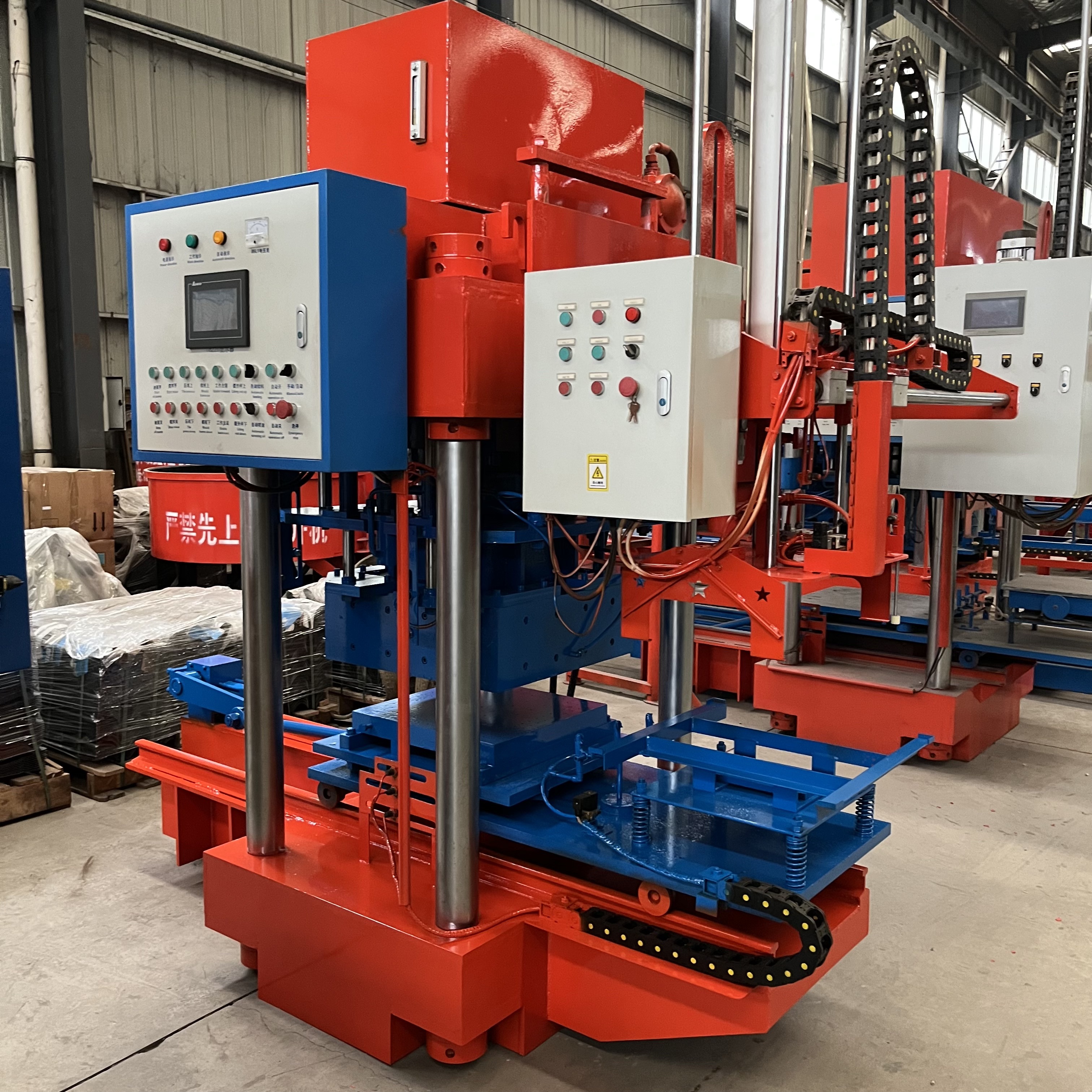
Introduction to Corporate Technical Strength: 25 years of technical accumulation of Zhengzhou Xinlong Machinery
Zhengzhou Xinnong Machinery Manufacturing Co., Ltd. has been focusing on the research and production of colored tile hydraulic presses since its establishment in 2001, forming a full-chain technological system covering equipment design, hydraulic control, and mold development. Its core advantages are reflected in three aspects: Firstly, the hydraulic system adopts proportional servo valve control technology, with a pressure fluctuation range of ≤±0.5MPa, ensuring tile thickness tolerance within ±0.3mm and a finished product rate of up to 98%; secondly, the mold quick-change structure is fixed by both hydraulic locking and positioning pins, reducing the replacement time to 15 minutes and supporting rapid switching of 10 tile specifications; thirdly, an integrated PLC automatic control system is adopted to achieve full-process automation of raw material proportioning, pressing pressure, and demolding speed, with a daily output capacity of 6,000-8,000 tiles per line. The 30,000 square meter factory is equipped with three-coordinate measuring instruments, hydraulic test benches, and other testing equipment, and each piece of equipment must pass a 72-hour continuous operation test before leaving the factory to ensure stability. Currently, its products have served more than 200 building materials enterprises across the country and have been exported to Southeast Asia, the Middle East, and other regions, with technical maturity verified by the market.
FAQ: Color Roof Tile Hydraulic Press Selection Guide
Q1: How to choose the suitable model of hydraulic press for small and medium-sized enterprises?
A: It is recommended for small and medium-sized enterprises to prioritize equipment with a tonnage between 150-300 tons, which balances cost and production capacity. For example, the XL-200T model from Xinlong Machinery in Zhengzhou City has a rated pressure of 20MPa, compatible with 600×400mm standard molds, a single pressing cycle of 12 seconds, and a daily production capacity of about 5,000 pieces. The equipment occupies only 8㎡ of space, making it suitable for factories with limited space. At the same time, attention should be paid to whether the hydraulic system employs closed-loop control technology to minimize the impact of pressure fluctuations on tile quality.
Q2: How long does the mold life of a colored tile hydraulic press usually last? How can the service life be extended?
A: High-quality molds can reach 80,000 to 100,000 pressing cycles, with the key lying in materials and technology. Zhengzhou Xinnong Machinery uses Cr12MoV alloy steel, treated with vacuum quenching, achieving a hardness of HRC58-62, with wear resistance improved by 30%. Practical methods to extend lifespan include: controlling the sand content of raw materials ≤5%, avoiding hard particles from scratching the mold cavity; cleaning the mold cavity residue with a high-pressure air gun after each production; applying a special release agent every 5,000 cycles to reduce adhesion and damage.
Q3: What are the contents of overseas installation service? How to ensure the stable operation of the equipment?
Zhengzhou Xinnong Machinery provides a full-process service including "equipment transportation + on-site installation + operation training + 1-year quality guarantee." The installation team consists of engineers with over 5 years of experience, responding to overseas customer needs within 24 hours. For example, for an XL-300T equipment installation for an Indonesian client, engineers guided local workers in completing the hydraulic pipeline connections through remote video and trained them on pressure parameter adjustment methods on-site. In the initial operation period of the equipment, the company offers 3 months of free inspections, regularly checking the cleanliness of hydraulic oil (NAS1638 standard ≤ 7) to ensure system stability.
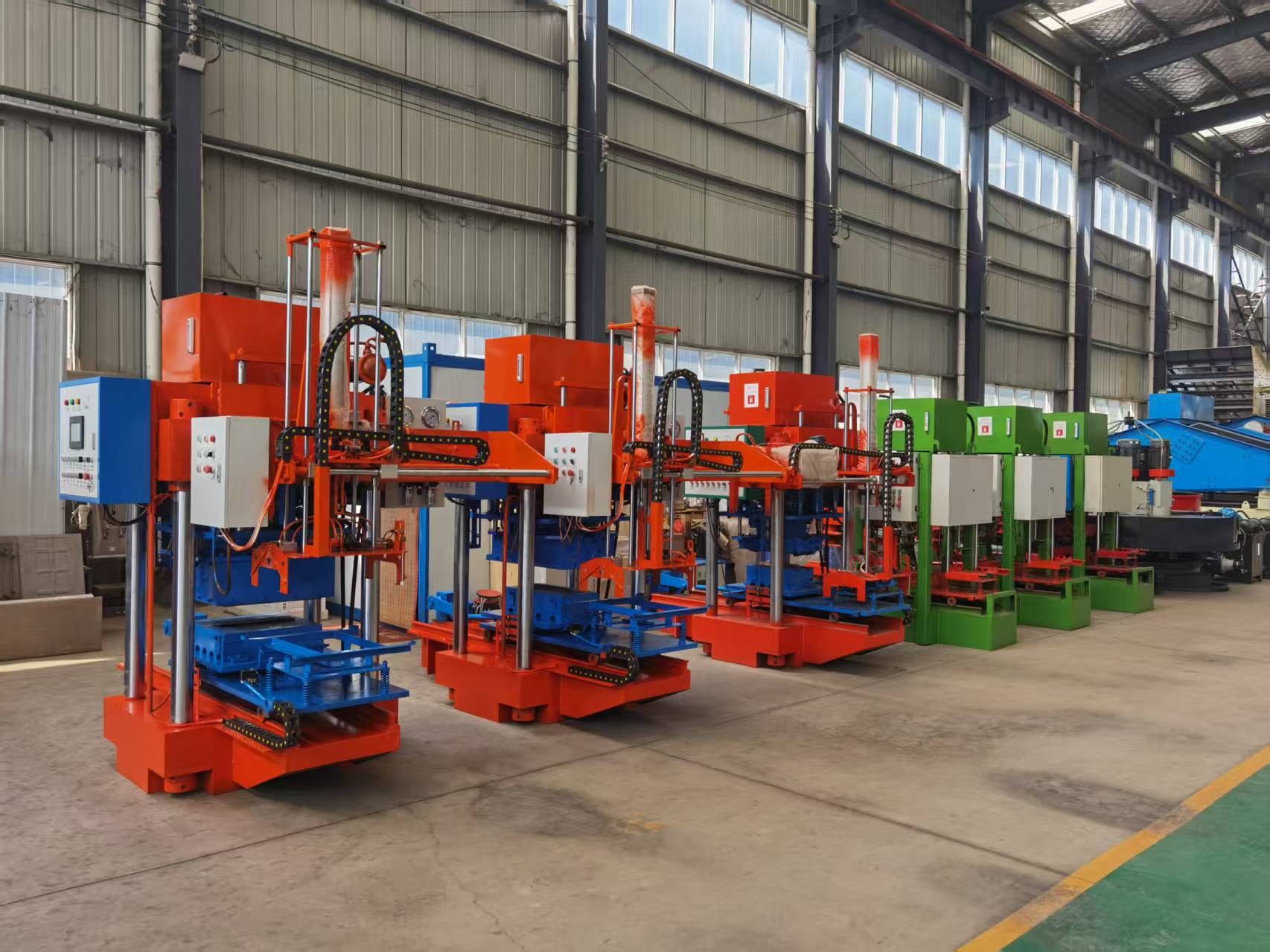
Summary: The upgraded production path of colored tiles driven by technology
The technological innovation of the colored tile hydraulic press is driving the industry towards high efficiency, precision, and automation. Zhengzhou Xinnong Machinery, with 25 years of technical accumulation, has formed differentiated advantages in fields such as hydraulic control, mold development, and automation integration. Its products, characterized by high stability, low maintenance costs, and quick mold changes, have become the preferred solution for small and medium-sized enterprises. For enterprises planning to upgrade equipment, it is recommended to focus on three core indicators: the precision of the hydraulic system, the material and process technology of the molds, and the response ability of after-sales service, and to choose the appropriate model based on their own production capacity needs. The selection of technology should start from the actual production scenario, avoiding blind pursuit of high parameters, in order to maximize the return on investment.