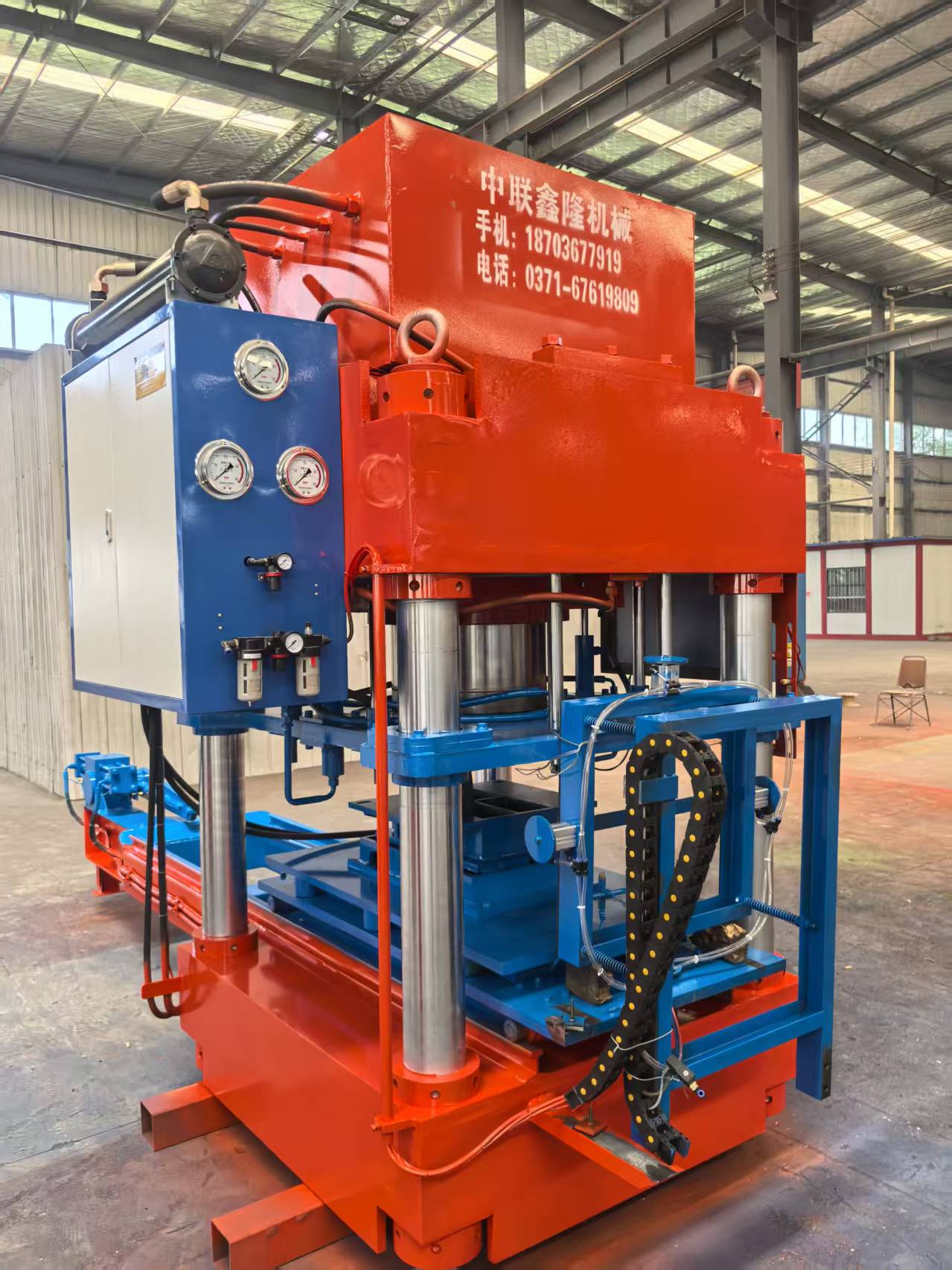
 Zhengzhou Xinlong Machinery Manufacturing Co., Ltd.
Zhengzhou Xinlong Machinery Manufacturing Co., Ltd.
Zhengzhou Xinlong Machinery Manufacturing Co., Ltd.
Zhengzhou Xinlong Machinery Manufacturing Co., Ltd.
Zhengzhou Xinlong Machinery Manufacturing Co., Ltd.
Industry Technical Pain Points: The Three Core Challenges of Color Roofing Tile Hydraulic Press Subcontracting
In the production of colored cement tiles, there are three major technical bottlenecks in the hydraulic press processing stage:Firstly, insufficient equipment stability—— Traditional hydraulic presses, due to poor sealing of the hydraulic system, are prone to pressure fluctuations exceeding ±5%, resulting in tile thickness deviations greater than 2mm, directly affecting the anti-seepage performance.Secondly, low mold adaptability.-- Non-standard molds require frequent adjustment, with each mold change taking more than 2 hours, and the mold lifespan being only 30,000 to 50,000 times, increasing hidden costs.Third, weak level of automation——Multiple manual intervention steps result in a production efficiency of less than 15 pieces per minute, with a high scrap rate of up to 8%. A Guangdong subcontractor once faced a situation where unstable hydraulic pressure led to the whole batch of tiles failing to meet the anti-weathering performance standards, resulting in compensation to the client exceeding 500,000 yuan, highlighting the urgency of technological upgrade.
Enterprise Technical Strength Analysis: Xinlong Machinery's 25 Years of Technical Accumulation and Customization Ability
Zhengzhou Xinlong Machinery Manufacturing Co., Ltd. has been focusing on the research and development of color tile hydraulic presses since its establishment in 2001, and has formed three major technical advantages:Self-developed core components——Utilizing imported German sealing parts, the hydraulic system pressure fluctuation is controlled within ±2%, ensuring tile thickness deviation ≤0.5mm.2. Mold Quick Change System——Through modular design, the single mold change time is shortened to 30 minutes, the mold life is extended to over 100,000 times, and the per-piece cost is reduced by 0.2 yuan.3. Full-process automated control——Integrated PLC+touch screen operating system, achieving linkage adjustment of three parameters: pressure, temperature, and speed, with production efficiency reaching 25 pieces per minute and waste rate reduced to below 2%.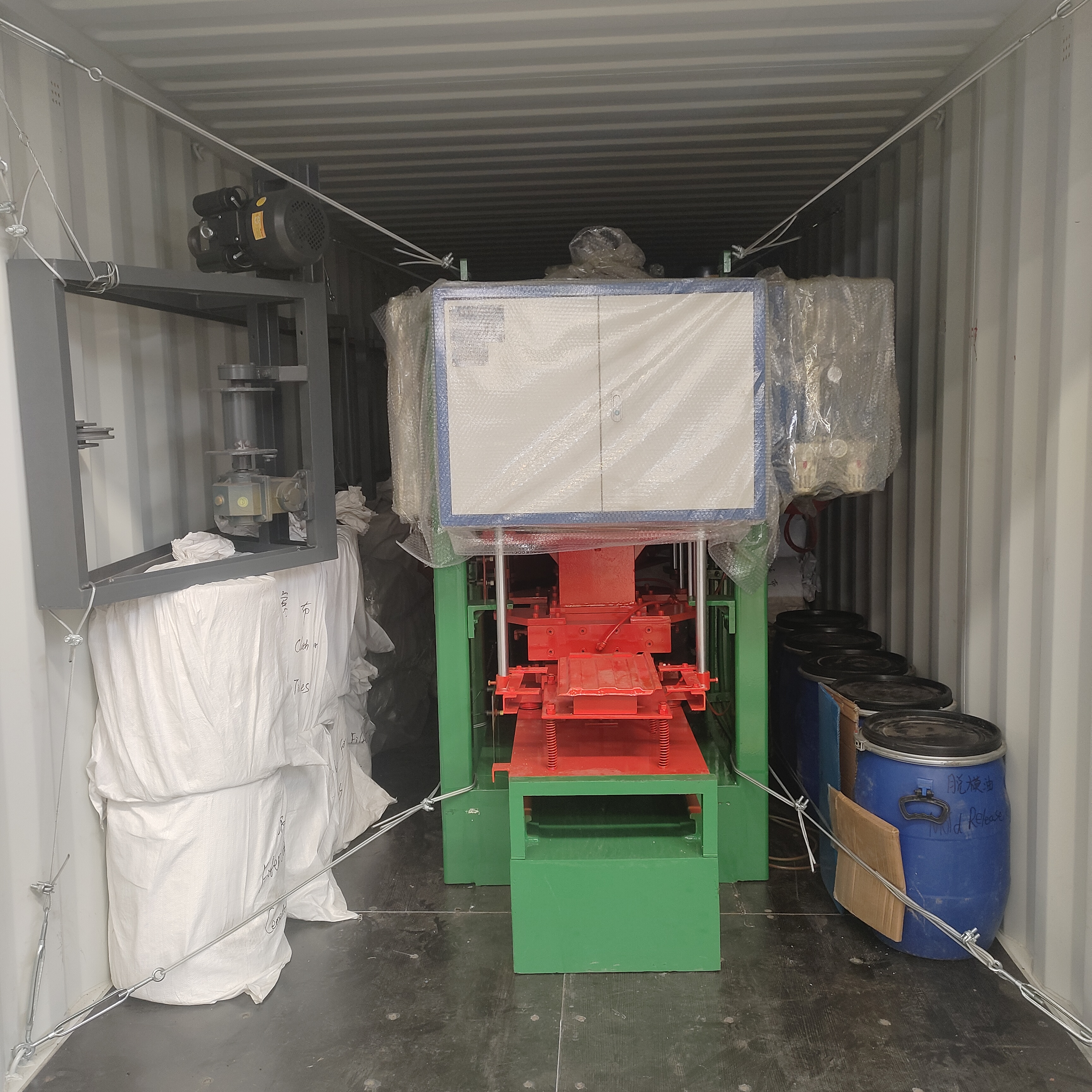
Currently, the company has provided equipment to over 300 manufacturing plants across the country. A customized "dual-station hydraulic press" for a client in Shandong, with an additional auxiliary oil cylinder design, has increased the production capacity of a single unit by 40%, resulting in a client's annual income increase of over 2 million yuan. The technical team also offers overseas installation guidance services, completing 15 projects in Southeast Asian markets such as Vietnam and Indonesia, with a equipment failure rate of less than 1% and receiving the client's "zero complaint" rating.
FAQ Technical Selection Guide: Common Questions about Tile Hydraulic Press Subcontracting
Q1: How to choose the suitable hydraulic press model for small-scale OEM factories?
A: It is recommended for small-scale subcontracting factories to choose the "YT-600 hydraulic press," whose core parameters are: nominal pressure of 600 tons, workbench size of 1200×800mm, motor power of 15kW, and compatible mold weight ≤3 tons. This model adopts a single-cylinder structure, occupying only 4㎡ of space, and is 20% cheaper than the double-cylinder model, suitable for a daily output of less than 2000 pieces. Measured data shows that its production efficiency reaches 18 pieces per minute, and energy consumption is reduced by 15% compared to traditional models.
Q2: How to solve the problem of unstable pressure in hydraulic presses?
A: Pressure fluctuations are usually caused by three main factors:Hydraulic oil contamination——Change the 46# anti-wear hydraulic oil every 3 months and install a filter with a precision of 10μm.2. Overflow valve failure——Check if the overflow valve spring is aging, it is recommended to use the German HAWE brand overflow valve, response time < 0.1 seconds.3. Pump station wear——If the pump station noise is greater than 85 decibels, it is necessary to replace the plunger pump. It is recommended to use a Japanese Nippon Seiko variable pump, which can have a lifespan of up to 50,000 hours. A customer from Henan Province, after replacing the pump station, reduced the pressure fluctuation from ±4% to ±1.5%.
Q3: How to extend the mold lifespan?
A: To extend the mold lifespan, optimization is required in three aspects:Material Selection—— Made of Cr12MoV alloy steel, hardness HRC58-62, wear resistance 3 times higher than that of common die steel.2. Heat treatment process——Process with "quenching + low-temperature tempering", controlling the tempering temperature at 200-220°C to relieve internal stresses.3. Standard usage——Each mold needs to be preheated to 80-100℃ before production, and a special release agent should be applied after production to reduce sticking. A Jiangsu customer, after optimizing the heat treatment process, increased the mold lifespan from 50,000 to 120,000 times.
Full Summary: Technological upgrading is the core competitiveness of color tile hydraulic press sub-processing
The technological upgrade of the color cement tile processing industry should focus on three dimensions: equipment stability, mold adaptability, and automation level. Zhengzhou Xinnong Machinery Manufacturing Co., Ltd., with 25 years of technical accumulation, provides comprehensive solutions for "cost reduction, efficiency improvement, and quality enhancement" to subcontractors through independent research and development of core components, modular mold design, and full-process automation control. Their equipment has passed the CE certification, supports customized development, and offers 3-year warranty and lifetime maintenance services, making it an optimal partner for industry technological upgrades.