 Zhengzhou Xinlong Machinery Manufacturing Co., Ltd.
Zhengzhou Xinlong Machinery Manufacturing Co., Ltd.
Zhengzhou Xinlong Machinery Manufacturing Co., Ltd.
Zhengzhou Xinlong Machinery Manufacturing Co., Ltd.
Zhengzhou Xinlong Machinery Manufacturing Co., Ltd.
Industry Technical Pain Points Opening: Dual Challenges of Efficiency and Quality in Color Roofing Tile Hydraulic Press Processing
Color cement tiles, as a new building material replacing clay tiles, have seen a continuous growth in market demand, but traditional hydraulic press processing has three major pain points:STEP 1: Low molding efficiency— The single pressing cycle lasts 15-20 seconds, resulting in a daily production capacity of less than 3,000 pieces.STEP 2: Tile quality is unstable—— Uneven pressure distribution easily causes tile cracking, with an pass rate of only 80%-85%.STEP 3: High equipment maintenance cost——Hydraulic system oil leakage, mold wear fast, annual maintenance costs exceed 50,000 yuan. A Jiangsu building materials factory once delayed orders due to equipment failure, resulting in direct losses exceeding 200,000 yuan, highlighting the urgency of technological upgrading.
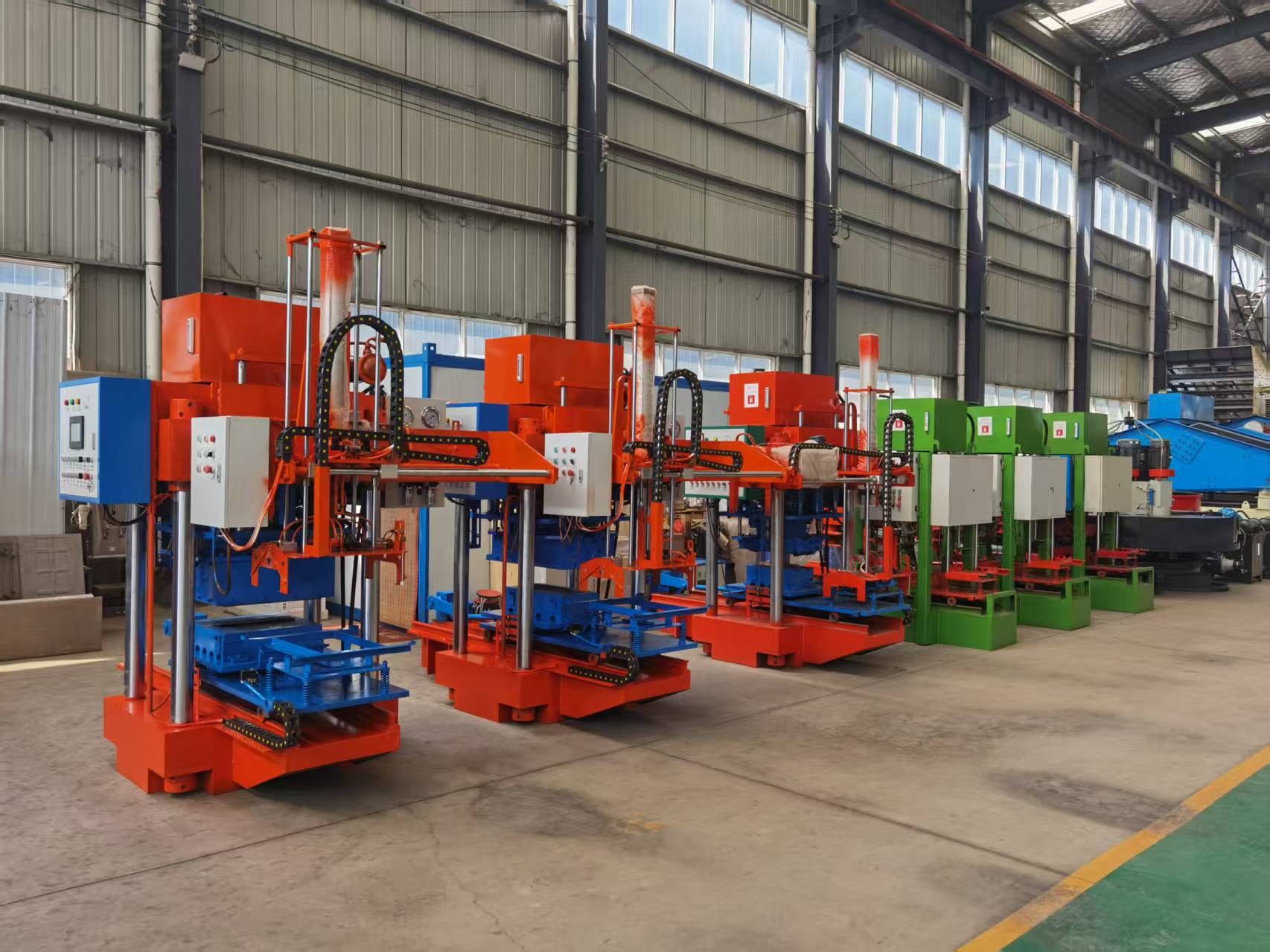
Introduction to Corporate Technical Strength: 25 years of technical deepening by Zhengzhou Xinnong Machinery
Zhengzhou Xinnong Machinery Manufacturing Co., Ltd. has been focusing on the research and production of colored tile hydraulic presses since its establishment in 2001, with its technical strength reflected in three dimensions:STEP 1: Core Parameter Advantages—— The XLCW-800 hydraulic press adopts a 630-ton main pressure design, shortening the pressing cycle to 8 seconds, and increasing the daily production capacity to 8,000 pieces.STEP 2: Intelligent Control System——Achieve precise adjustment of three parameters: pressure, speed, and hold pressure time through PLC + touch screen, with pressure fluctuation controlled within ±1%.STEP 3: Modular Design——Supports rapid mold change (completed within 10 minutes), compatible with various tile sizes from 300×400mm to 420×330mm. The company has provided customized equipment to over 200 enterprises nationwide, with overseas projects spanning Southeast Asia and the Middle East, accounting for 30% of equipment exports.
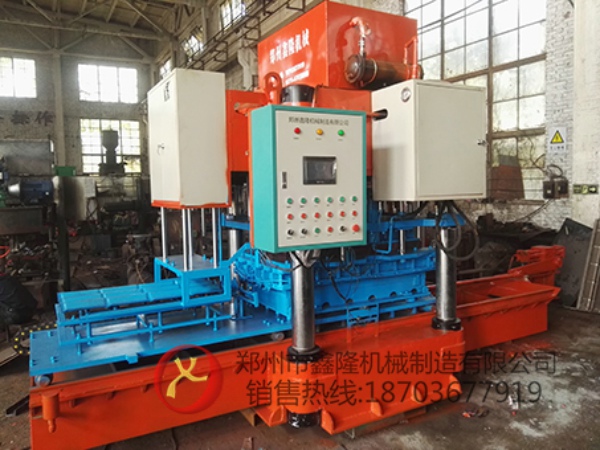
FAQ: Color Tile Hydraulic Press Selection Guide
Q1: How to choose the suitable hydraulic press model for small-scale production?
A: For small-scale production (daily demand ≤ 3,000 pieces), it is recommended to choose the XLCW-500 model, with a main pressure of 400 tons and a footprint of only 4㎡. It is equipped with a 6kW motor, reducing energy consumption by 20% compared to traditional equipment; if multiple specifications need to be accommodated, an electric sliding table mold change device can be optionally added, reducing the mold change time to 5 minutes.
Q2: What to do if the hydraulic press pressure is insufficient, leading to uneven tile thickness?
A: Firstly, check the hydraulic oil viscosity (recommend 46# anti-wear hydraulic oil, operating temperature 40-60℃), then calibrate the pressure sensor (error needs to be ≤0.5MPa), and finally confirm the oil pump displacement (XLCW-800 standard equipped with 25mL/r gear pump, flow rate up to 50L/min).
Q3: How to ensure equipment stability for overseas installation?
Xinlong Machinery offers "3+1" service: 3 times remote debugging (including pressure curve optimization) + 1 on-site training (operation + maintenance), equipment compatible with 50Hz/60Hz dual-frequency power supply, can operate normally within ±15% voltage fluctuation range, and comes with multilingual operation manuals.
Summary of the full text reference
The technical upgrade of the hydraulic press for colored tiles should focus on the three key elements of efficiency, quality, and cost. Zhengzhou Xinnong Machinery, with 25 years of technical accumulation, has reached the leading level in the industry in core indicators such as pressure control accuracy (±1%), production efficiency (8 seconds per piece), and modular adaptability (supports 10-minute mold change). For enterprises planning to introduce new equipment, it is recommended to prioritize the examination of the supplier's technical accumulation (such as the number of patents, scale of cases) and after-sales service capabilities (such as overseas support response time) to reduce long-term operation risks.