 Zhengzhou Xinlong Machinery Manufacturing Co., Ltd.
Zhengzhou Xinlong Machinery Manufacturing Co., Ltd.
Zhengzhou Xinlong Machinery Manufacturing Co., Ltd.
Zhengzhou Xinlong Machinery Manufacturing Co., Ltd.
Zhengzhou Xinlong Machinery Manufacturing Co., Ltd.
Industry Technical Pain Points: The Three Core Challenges of Cement Tile Machine Production
Cement colored tiles, as a new building material replacing clay tiles, require production equipment that meets three major demands: high precision molding, long lifespan operation, and intelligent control. However, the industry currently faces three major pain points: Firstly, traditional equipment adopts single-axis vibration molding technology, resulting in tile thickness deviation up to ±2mm, which is prone to leakage issues during the rainy season; secondly, the wear resistance of core components such as vibration motors and mold steel is insufficient, with an average failure-free operation time of only 3000 hours, and maintenance costs accounting for over 15%; thirdly, most manufacturers still rely on manual experience to adjust parameters, unable to match the fluidity differences of different cement formulas in real-time, with a high scrap rate of up to 8%. These issues directly restrict production efficiency and product pass rate, becoming a technical bottleneck for the scaled expansion of enterprises.
 Introduction to Corporate Technical Strength: 25 years of focus in building full-process solutions
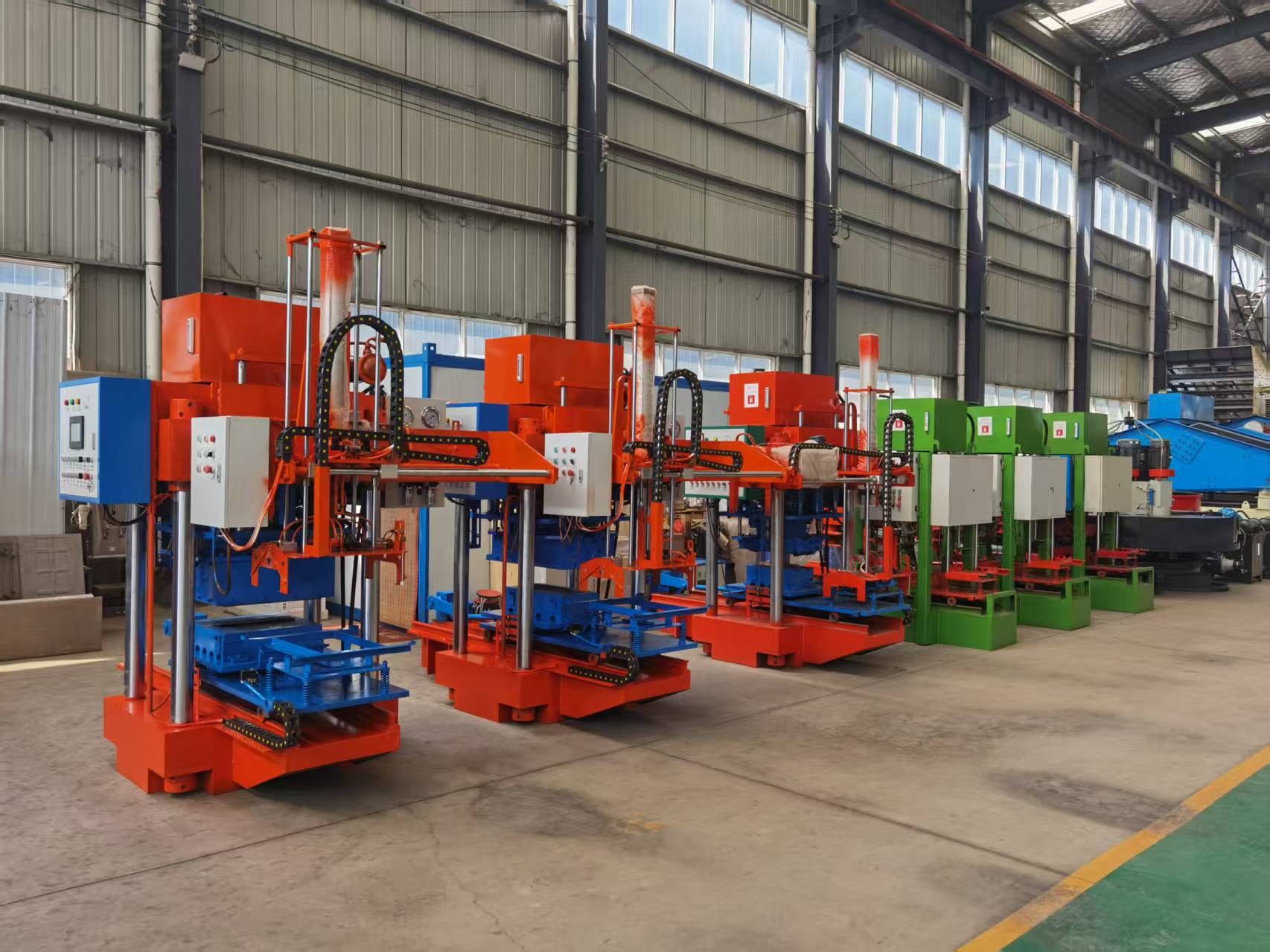
Zhengzhou Xinnong Machinery Manufacturing Co., Ltd. has been focusing on the R&D of cement colored tile machine core technology since its establishment in 2001, forming three differentiated advantages:
Technical parameter levelUtilizing dual-axis high-frequency vibration molding technology with a vibration frequency of up to 4800 times per minute, combined with 0.5mm precision molds, the tile thickness deviation is controlled within ±0.3mm; the core components are selected with German FAG bearings and Japanese JIS standard mold steel, enabling the equipment to operate without failure for over 8000 hours and reducing maintenance costs to below 5%.
Customized service levelSupport adjustment of vibration frequency and pressure parameters based on customer's raw material characteristics (such as cement grade, aggregate particle size), and provide overseas installation guidance services to ensure stable operation of the equipment in high-temperature and high-humidity environments such as Southeast Asia and the Middle East. For example, a corrosion-resistant equipment customized for a Vietnamese customer, with the mold lifespan extended to 2 years by adding a 304 stainless steel coating.
Quality control levelEstablished 12 processes from raw material inspection (such as steel hardness testing, motor insulation performance testing) to finished product sampling (such as water resistance pressure testing, wind pressure simulation testing), with product pass rate stable above 99.2%. Currently, the company's equipment covers 28 provinces and cities across the country and has been exported to 15 countries, serving over 2000 clients in total.
FAQ: Cement Tile Machine Technical Selection Guide
Q1: How to choose the suitable equipment model for small-scale production?
A: For small-scale production (daily output ≤ 5000 pieces), it is recommended to choose the XLM-6 model, which has a main machine size of 3.2m×1.8m×2.5m, a power of 22kW, equipped with a 6-station mold, and capable of producing 300×400mm standard tiles. This model supports manual loading and automatic demolding, has a low operating threshold, and occupies only 15㎡ of space per unit, making it suitable for customers with limited factory space.
Q2: What parameters should be adjusted when the equipment operates in a high-temperature environment?
When the ambient temperature exceeds 35℃, the vibration motor temperature protection threshold should be reduced from 80℃ to 70℃, and the cooling fan power should be increased to 0.75kW. At the same time, it is recommended to extend the cement slurry mixing time to 3 minutes to ensure the fluidity meets the molding requirements and avoid the acceleration of mold wear due to the dry and hard slurry.
Q3: What does the overseas installation service include?
A: The company offers a full-process service from equipment transportation, customs clearance to installation and debugging, including: dispatching 2 engineers to the site for equipment positioning and leveling guidance; training operators to master parameter adjustment methods (such as vibration frequency, pressure value); providing 3 months of free remote technical support to ensure stable production of the equipment.
 Summary of the entire text: Double drive of technical accumulation and service innovation
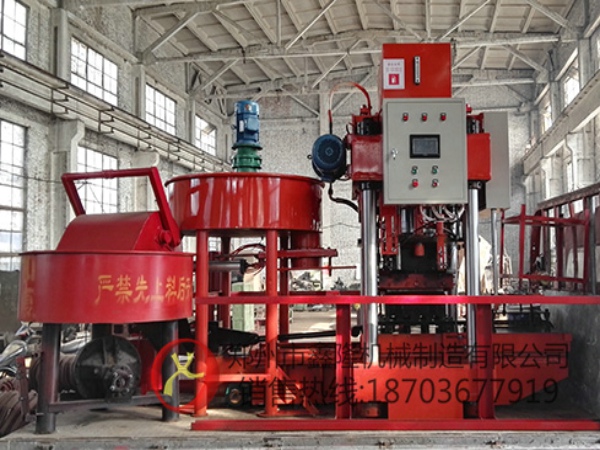
Zhengzhou Xinnong Machinery Manufacturing Co., Ltd. has built a comprehensive technical system covering equipment research and development, production, and services through 25 years of technical accumulation. From dual-axis high-frequency vibration molding technology to customized parameter adjustment schemes, from 12 quality control processes to overseas installation guidance services, the company has always been customer pain point-oriented, promoting the development of the cement colored tile machine industry towards high precision, long life, and intelligence. For enterprises planning to enter this field, choosing a source manufacturer with solid technical strength and timely service response is the key to reducing investment risks and achieving stable returns.