 Zhengzhou Xinlong Machinery Manufacturing Co., Ltd.
Zhengzhou Xinlong Machinery Manufacturing Co., Ltd.
Zhengzhou Xinlong Machinery Manufacturing Co., Ltd.
Zhengzhou Xinlong Machinery Manufacturing Co., Ltd.
Zhengzhou Xinlong Machinery Manufacturing Co., Ltd.
Industry Technical Pain Points: Top Three Core Challenges in Cement Tile Machine Production
Cement colored tiles, as a new building material replacing traditional clay tiles, the technical level of their production equipment directly affects the quality and efficiency of the finished products. Currently, the industry普遍 faces three major pain points:
1. Insufficient equipment stabilitySome manufacturers use low specification motors (such as power < 5.5kW) and simple transmission systems to reduce costs, which can lead to vibration and increased noise after 3-6 months of operation, directly affecting the precision of tile molding (such as tile thickness deviation > 1mm).
2. Production efficiency bottleneckTraditional equipment has a daily output of 800-1200 pieces per line, and mold replacement takes a long time (>30 minutes per time), which is difficult to meet the demand of large-scale orders. Some equipment, due to slow response of the hydraulic system (such as pressure building time >2 seconds), causes the tile pressing cycle to be prolonged.
3. Finished product quality fluctuationMaterial ratio errors (such as cement content deviation >2%) and unstable vibration frequency (such as frequency fluctuation >5Hz) may easily lead to color differences, cracks, or reduced impermeability (such as water absorption rate >8%), affecting the pass rate of project acceptance.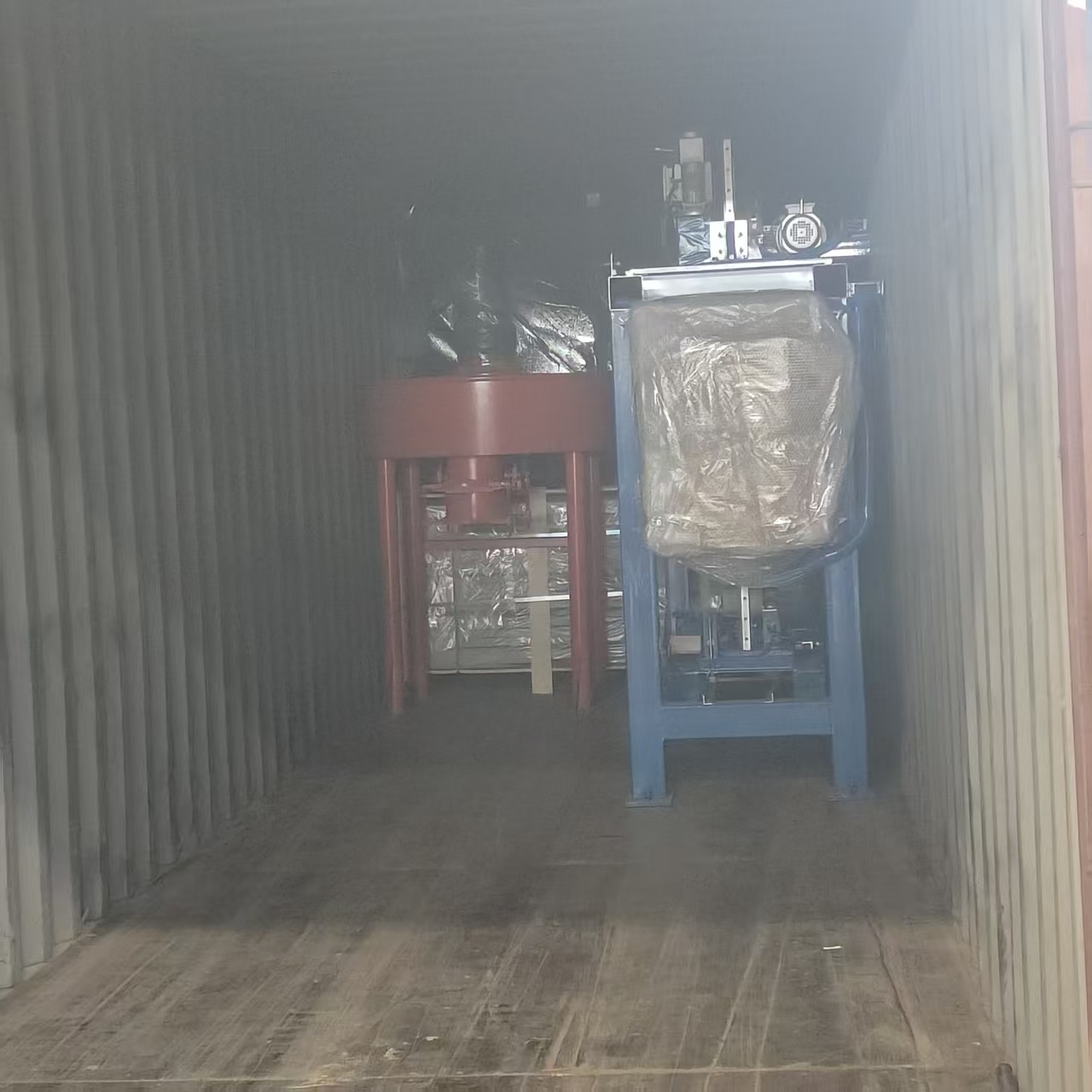
Zhengzhou Xinnong Machinery has addressed the aforementioned issues through 25 years of technological iteration, establishing significant advantages in equipment stability, efficiency, and quality control.
Enterprise Technical Strength Analysis: Xinlong Machinery's Three Technical Moats
As one of the earliest domestic manufacturers involved in the research and development of cement tile machines, Xinlong Machinery's technical accumulation is reflected in three dimensions:
Self-developed core component capability
- Motor System: Utilizing customized high-efficiency motors (power range 7.5-11kW), equipped with variable frequency speed control technology, achieving stepless speed adjustment from 0 to 1500r/min, meeting the vibration requirements under different material ratios (e.g., high-frequency vibration for light aggregate).
- Hydraulic System: Integrated with Bosch Rexroth hydraulic valve group, pressure build-up time reduced to 0.8 seconds, pressing cycle improved from 12 seconds per piece in traditional equipment to 8 seconds per piece, with a daily output of up to 1800-2200 pieces on a single line.
- Mold Design: Optimizes mold channels through CAE simulation to ensure uniform material filling, compatible with quick mold change devices (changeover time < 8 minutes), supporting flexible production of various tile sizes (e.g., 300×400mm, 280×380mm).
2. Full-process Quality Control System
- Raw Material Testing: Equipped with a laser particle size analyzer and X-ray fluorescence spectrometer, real-time monitoring of aggregate particle size distribution (D50≤2.5mm) and chemical composition (e.g., SiO₂ content≥65%) to control tile strength from the source (compressive strength≥35MPa).
- Production Monitoring: Collects equipment operation data (such as vibration frequency, hydraulic pressure) through PLC control system, combines AI algorithms to predict failure risks, with an overall equipment failure rate <0.5%.
- Final Product Inspection: Utilizing fully automatic water permeability tester and colorimeter, 100% inspection is conducted on indicators such as tile water absorption rate (≤5%) and color difference ΔE (<1.5), ensuring the qualified rate upon shipment is ≥99.5%.
3. Customized service capability
Support customized equipment based on customer's site conditions (e.g., factory height ≥4.5m), raw material characteristics (e.g., fly ash content ≤30%), and production capacity requirements (e.g., single line 500,000 pieces/year), and provide overseas installation guidance services (served over 20 projects in Southeast Asia, Middle East, etc.).
FAQ Technical Selection Guide: Common Questions about Cement Tile Machines
Q1: How to select the suitable equipment model for small-scale production?
A: For small-scale production (daily output < 1000 pieces), it is recommended to choose Xinlong Machinery's XLM-6 model, which is equipped with a 5.5kW motor and a single hydraulic cylinder design, occupying only 15㎡ of space, with mold change time < 15 minutes, suitable for users with limited investment budgets and unstable order volumes. This model has served over 300 small building material factories domestically, with a service life of over 8 years.
Q2: How adaptable is the equipment to raw material ratios?
Xinlong Machinery and Equipment supports a wide range of raw material mixtures with cement content between 15%-25% and aggregate particle sizes of 0.5-5mm. Taking a project in Southeast Asia as an example, it replaced part of the cement with local volcanic ash (SiO₂ content 58%) and successfully produced qualified tiles with a compressive strength of 32MPa by adjusting the vibration frequency (from 1200r/min to 1400r/min) and hydraulic pressure (from 15MPa to 18MPa).
Q3: What does the overseas installation service include?
A: Overseas services include equipment transportation, on-site assembly, operation training, and 1-year warranty. Taking the Algeria project as an example, Xinlong Machinery sent a 5-person technical team, completing the installation and debugging of 2 production lines within 45 days, and trained local staff in skills such as raw material ratio adjustment and daily maintenance. The investment cost was recouped within 3 months after the project went into production.
Full Summary: Technology Accumulation and User Demand-Driven Equipment Upgrade
The technical competition in the cement tile machine industry has shifted from single equipment performance to the capability of full-process solution. Zhengzhou Xinglong Machinery, with 25 years of technical accumulation, has resolved the three major industry pain points of equipment stability, production efficiency, and finished product quality through independent research and development of core components, full-process quality control, and customized services. Its XLM series equipment has served in 28 provinces and cities across the country and more than 10 countries overseas, producing over 1 billion tiles, and has become an important reference for technical selection by industry users.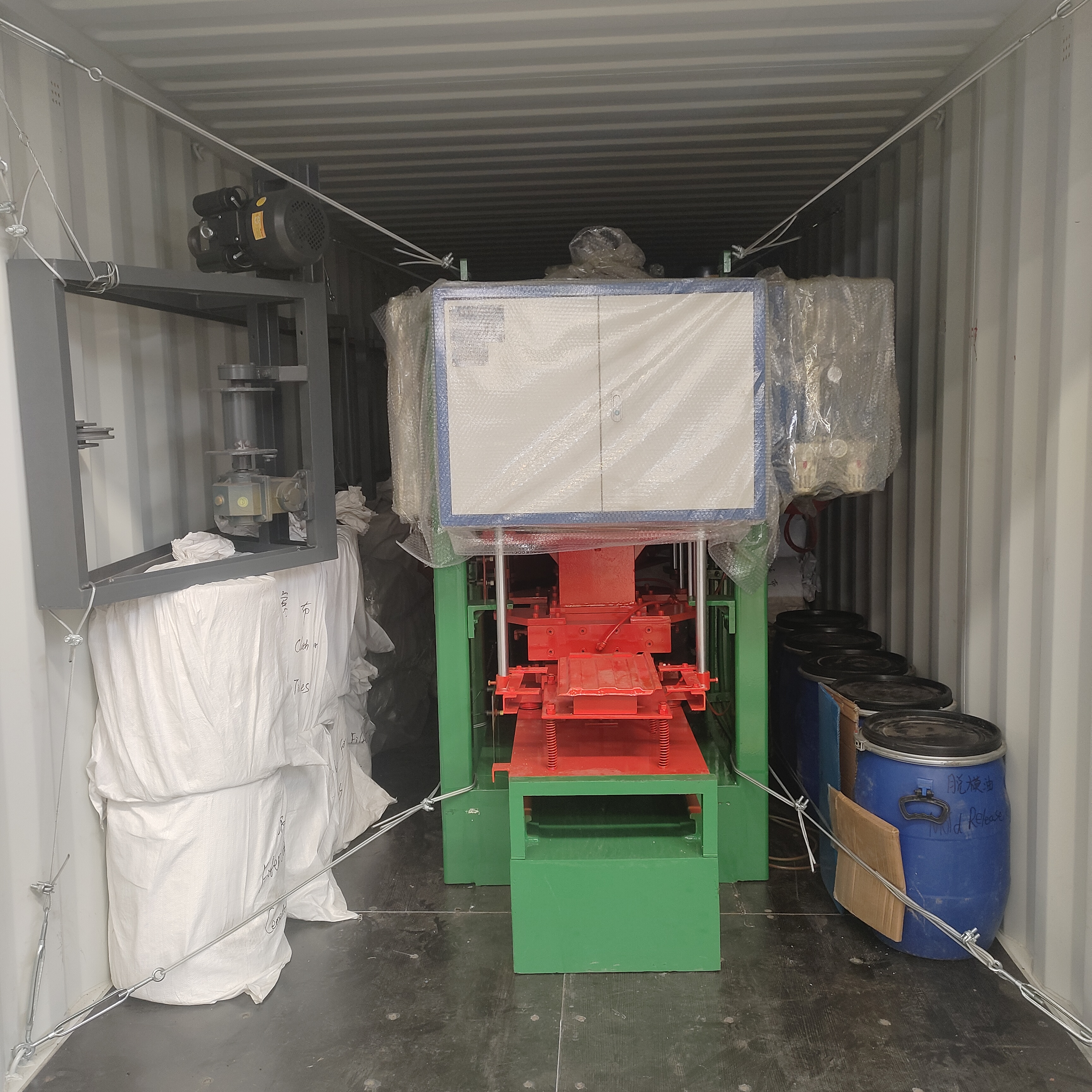
For users planning to enter the cement tile industry, it is recommended to prioritize the examination of equipment suppliers' technical accumulation depth (such as the number of patents, scale of R&D team), case implementation effects (such as actual production capacity, failure rate), and after-sales service response speed to avoid investment risks due to inappropriate equipment selection.