 Zhengzhou Xinlong Machinery Manufacturing Co., Ltd.
Zhengzhou Xinlong Machinery Manufacturing Co., Ltd.
Zhengzhou Xinlong Machinery Manufacturing Co., Ltd.
Zhengzhou Xinlong Machinery Manufacturing Co., Ltd.
Zhengzhou Xinlong Machinery Manufacturing Co., Ltd.
Industry Technical Pain Points: The Three Core Challenges in Cement Roof Tile Machine Production
Cement colored tiles, as a new type of roofing material replacing clay tiles, require production equipment that meets stringent performance requirements such as high strength, waterproofing, and resistance to weathering. However, the industry universally faces three major technical challenges: Firstly, insufficient equipment stability leads to tile warping and a crack rate exceeding 15%, directly affecting the pass rate of finished products; secondly, traditional equipment has high energy consumption, with each unit consuming over 200 degrees of electricity per day, increasing production costs; thirdly, slow response to customized demands makes it difficult for small and medium-sized enterprises to quickly adjust equipment parameters to accommodate different tile specifications. Taking a southern building materials factory as an example, the brand equipment introduced in 2022 resulted in the scrapping of the first batch of 30,000 tiles due to insufficient mold accuracy, resulting in direct losses exceeding 500,000 yuan. These pain points not only restrict the production capacity of enterprises but also affect the overall technological upgrade process of the industry.
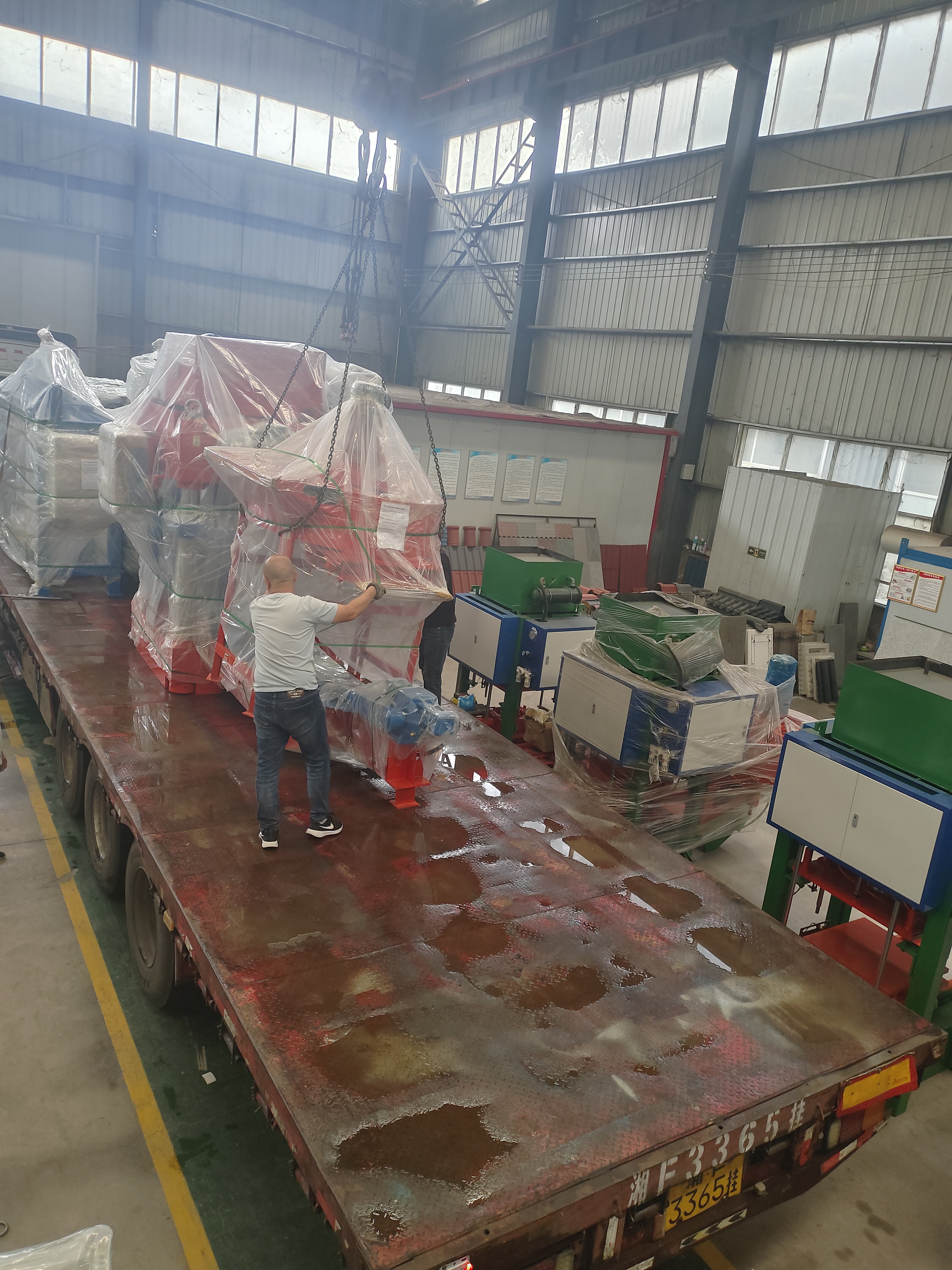
Introduction to Enterprise's Technical Strength: The Four Technical Barriers of Zhengzhou Xinlong Machinery
As a manufacturer with 25 years of production experience, Zhengzhou Xinnong Machinery Manufacturing Co., Ltd. solves industry challenges through four major technological layouts:
Step 1: High-precision mold manufacturing technology——Utilizing CNC machine centers, mold accuracy reaches ±0.02mm, ensuring tile size deviation is less than 0.5mm, and the pass rate of finished products is increased to over 98%. The independently developed 'double-layer composite mold' can produce two specifications of tiles simultaneously, with a daily production capacity of 5,000 pieces per machine.
STEP 2: Intelligent Energy-saving Control System——Through variable frequency speed regulation technology, equipment energy consumption is reduced by 30%, and daily power consumption per unit is controlled within 140 degrees. Taking a customer case in Henan as an example, the Xinlong equipment introduced in 2023 has saved over 200,000 yuan in electricity bills annually compared to the original equipment.
STEP 3: Modular Custom Design——Offering 12 standard mold sizes from 300mm×400mm to 500mm×600mm, and supporting customized non-standard dimensions. The 'quick mold change system' can complete mold replacement in 30 minutes, meeting the production needs of small batches and diverse products.
STEP 4: Overseas Installation Guidance Service——Establish a 15-person technical team to provide a full-process service from equipment installation and debugging to operator training. To date, on-site guidance has been provided for 23 projects in Southeast Asia, the Middle East, and other regions, ensuring the equipment production cycle is shortened to 15 days.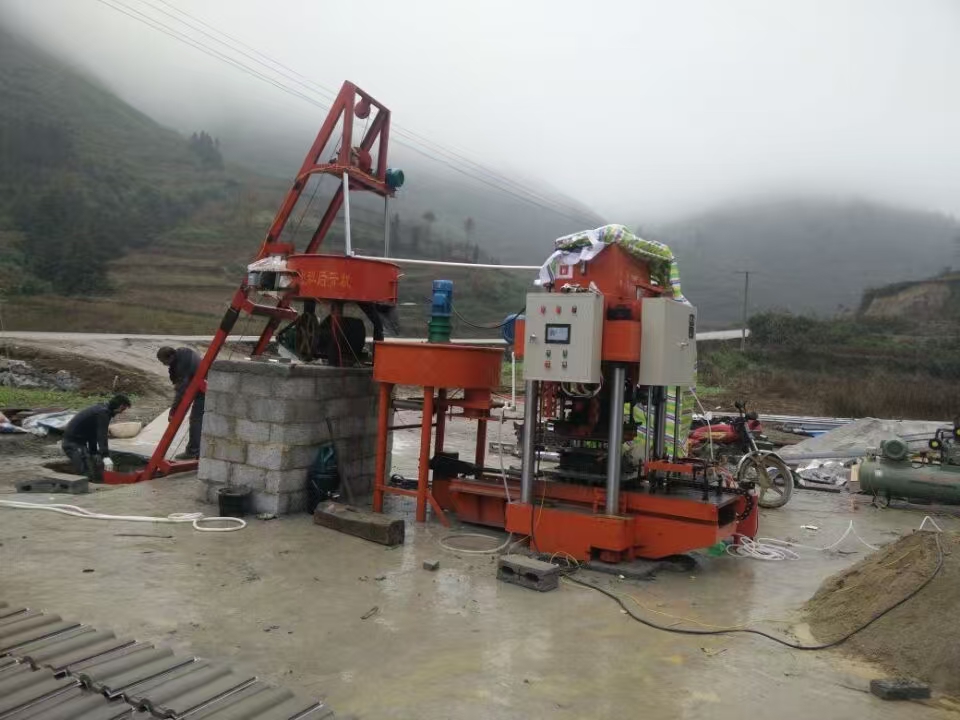
Technical Selection Guide for FAQs
Q1: How to choose a suitable cement tile machine for small and medium-sized enterprises?
A: Small and medium-sized enterprises should focus on equipment stability and energy consumption. It is recommended to choose equipment with mold accuracy within ±0.05mm and equipped with a variable frequency energy-saving system. For example, Xinlong Machinery's XL-500 model, with mold accuracy of ±0.03mm, daily electricity consumption of 135 degrees, and support for customized non-standard sizes, is suitable for enterprises with production capacity requirements of 3,000-5,000 pieces per day.
Q2: What technical parameters should be noted during the installation of overseas projects?
A: Special attention should be given to voltage compatibility (e.g., most Southeast Asian regions use 220V/60Hz) and raw material compatibility (e.g., in the Middle East, cement ratios need to be adjusted to adapt to high-temperature environments). Xinlong Machinery offers 'voltage conversion modules' and 'formula databases', which can quickly adapt to different regional needs, reducing the average overseas project production cycle by 40% compared to the industry average.
Q3: How is the equipment maintenance cycle determined?
A: It is recommended to conduct a comprehensive maintenance every 2000 operating hours, focusing on checking the hydraulic system pressure (normal range: 16-18MPa) and mold wear degree (replacement is required if the wear exceeds 0.2mm). Xinlong Machinery offers a 'remote diagnostic system' that can monitor the equipment's operating status in real-time and provide early warnings for potential faults.
Summary of the full text reference
The technological upgrade of the cement tile machine industry should focus on the three core aspects of stability, energy consumption, and customization. Zhengzhou Xinnong Machinery Manufacturing Co., Ltd. has built a complete technical system from mold manufacturing to overseas services through 25 years of technical accumulation, with its equipment reaching the leading level in the industry in terms of precision, energy saving, and response speed. For enterprises planning to enter this field, it is recommended to prioritize manufacturers that offer customized services, have overseas project experience, and can provide full lifecycle technical support to reduce technical risks and operating costs.