 Zhengzhou Xinlong Machinery Manufacturing Co., Ltd.
Zhengzhou Xinlong Machinery Manufacturing Co., Ltd.
Zhengzhou Xinlong Machinery Manufacturing Co., Ltd.
Zhengzhou Xinlong Machinery Manufacturing Co., Ltd.
Zhengzhou Xinlong Machinery Manufacturing Co., Ltd.
Technical Background: Market Demand for Color Cement Tiles and Technological Evolution
Color cement tiles, as a new type of roofing material introduced from abroad in the 1990s, have gradually replaced traditional clay tiles with their rich colors, high strength, waterproofing, and resistance to weathering. They have become the mainstream choice for modern building roof systems. Their core advantage lies in the collaborative optimization of material formula and molding process: by combining high-strength cement matrix with inorganic pigments and using high-pressure molding technology, the load-bearing capacity of a single tile body reaches over 200kg, while ensuring dimensional stability under temperatures ranging from -30℃ to 80℃. Zhengzhou Xinglong Machinery Manufacturing Co., Ltd. has focused on the research and development of cement color tile machines and related equipment since its establishment in 2001. Through 25 years of technological iteration, it has formed a full-process production system covering raw material processing, molding pressing, and automatic stacking.
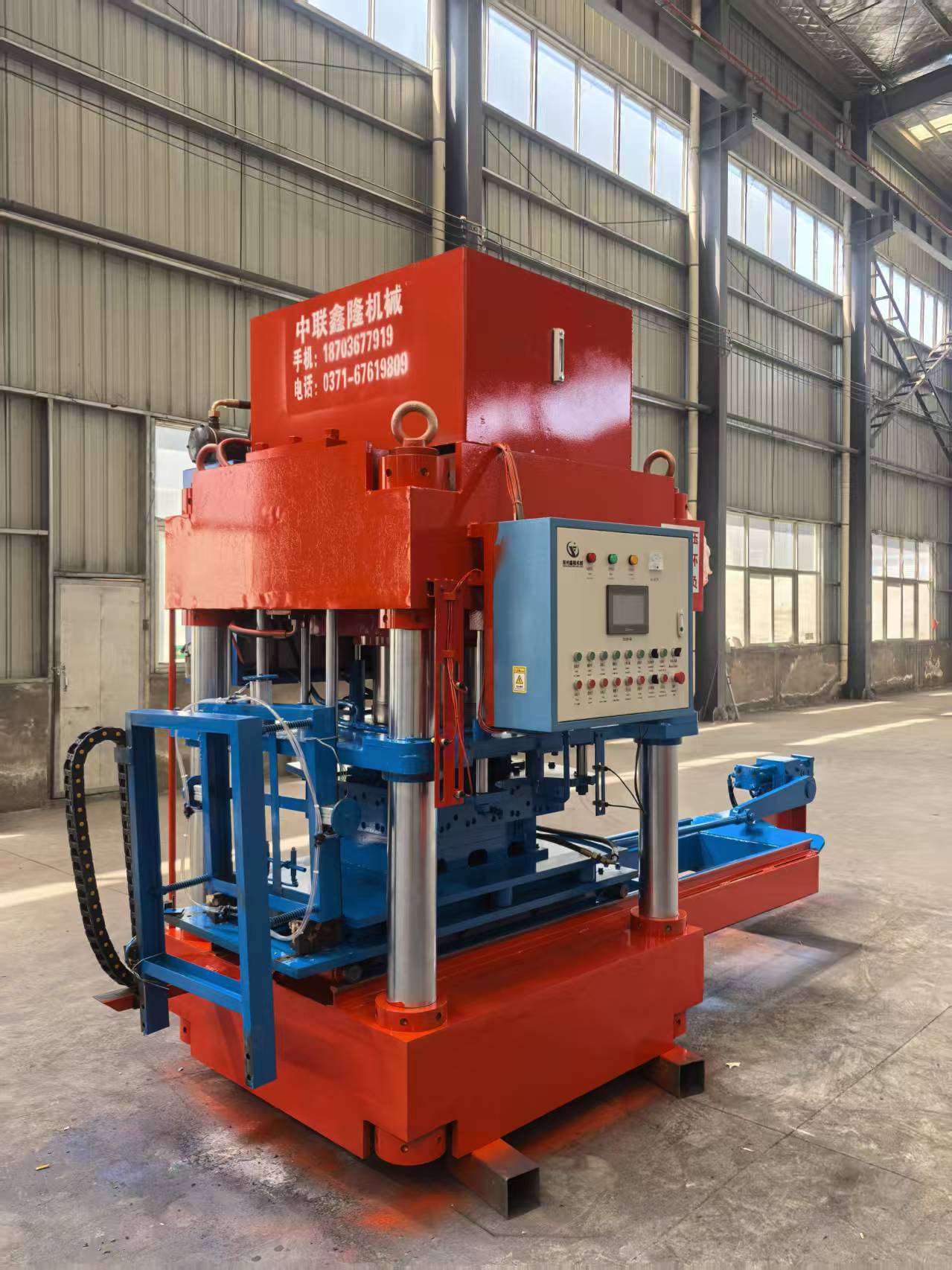
Technical Analysis: The Core Architecture and Parameter Advantages of Xinlong Cement Tile Machines
Xinlong Machinery's cement tile machine adopts modular design, with core modules including mixing system, forming main unit, hydraulic system, and electrical control system. Taking the XLCW-1200 model as an example, its mixing system is equipped with a twin-shaft forced mixer with a mixing capacity of 1.5m³, capable of uniformly mixing cement, sandstone, and pigments. The mixing time is controlled within 3-5 minutes, ensuring that the material ratio error for each batch is less than 1%. The forming main unit features a four-column hydraulic structure with a rated pressure of 315 tons. With replaceable molds, it can produce tiles in various sizes from 300mm×400mm to 420mm×330mm. The daily production capacity of a single unit reaches 8,000-10,000 pieces. The hydraulic system employs proportional valve control technology, with pressure regulation accuracy of ±0.5MPa, effectively preventing cracks or deformation of the tiles due to pressure fluctuations. The electrical control system integrates PLC and a touch screen, supporting real-time monitoring of production parameters and fault alarms. Operators can adjust critical parameters such as forming speed and holding time through a 10-inch display screen, catering to the process requirements of different formula materials.
Practical Case: Equipment Customization and Installation Guidance in Overseas Projects
In 2023, Xinlong Machinery provided a customized cement tile production line for a building materials supplier in Southeast Asia. The project required meeting the weather resistance requirements under the high temperature and humidity environment. The technical team optimized the equipment in three aspects: Firstly, an anti-damp heating device was added to the mixing system to ensure the moisture content of the raw materials is stable below 5%; secondly, the hydraulic oil circuit of the molding main machine was upgraded to a high-temperature-resistant pipeline, suitable for an environmental temperature of 45℃; thirdly, a dehumidification module was added to the electrical control cabinet to prevent electronic components from being damp and short-circuited. After the equipment was delivered, Xinlong sent a 3-person technical team for on-site installation guidance. Through 72 hours of continuous trial production, the tile thickness deviation was controlled within ±0.3mm, and the pass rate of finished products was increased to 98.5%. Currently, the production line has been running stably for 10 months, and the customer feedback shows that the comprehensive energy consumption of the equipment is 12% lower than that of similar products, and the maintenance cost has been reduced by 20%.
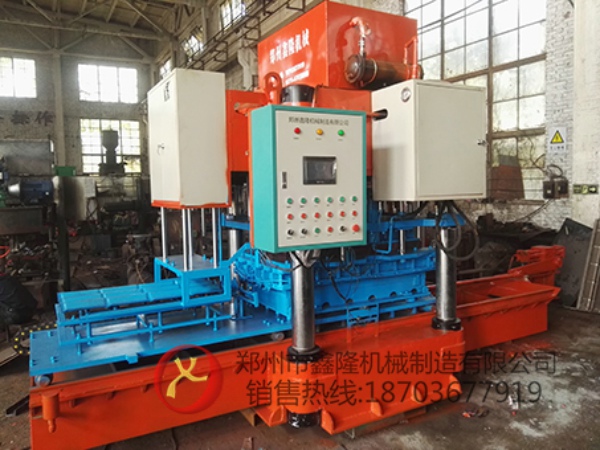
Technical Layout: From single machine equipment to the extension of intelligent production lines
Based on 25 years of technical accumulation, Xinlong Machinery is advancing the intelligent transformation of cement tile production. Its developed intelligent production line integrates automatic feeding, online detection, robotic palletizing, and other functions, achieving remote equipment status monitoring and real-time production data analysis through Internet of Things technology. For instance, in the raw material processing stage, the intelligent weighing system can automatically compensate for material loss, ensuring that the cement content deviation in each cubic meter of concrete is less than 2kg; in the molding stage, the laser scanner can scan the tile body dimensions in real-time, and automatically trigger equipment shutdown and adjustment when the deviation exceeds 0.5mm; in the packaging stage, the collaborative robot can automatically switch to the palletizing mode according to order requirements, reducing the single-line labor demand from 8 people to 3. Currently, this intelligent production line has been piloted in 3 large-scale building materials enterprises in China, reducing the unit product production cost by 18% and shortening the production cycle by 25%.
FAQ: Common Questions About Cement Tile Machine Technology
Q1: How long is the service life of the cement colored tile machine?
A: Xinlong Machinery's cement tile machine main structure is made of Q345B steel, treated with heat treatment to eliminate internal stress, with a lifespan of over 10 years under normal use. Key components such as hydraulic cylinders, bearings, etc., are selected from imported brands, and with proper maintenance, they can be extended to 15 years.
Q2: What are the requirements for raw materials of the equipment?
A: The main raw materials are ordinary silicate cement (strength grade 42.5), medium sand (silt content ≤3%), and inorganic pigments. To produce high-strength tiles, 5%-10% of fly ash or powdered coal can be added to improve performance. The particle size of the raw materials should be controlled within the range of 0.15-5mm to avoid large particles affecting the surface flatness of the tiles.
Q3: How to solve the warping problem of the body?
A: Warping of the mold is usually caused by insufficient molding pressure or too short holding time. Check the following steps to troubleshoot: verify if the hydraulic system pressure gauge reading reaches the set value; confirm if the holding time setting is ≥15 seconds; observe if the mold temperature is uniform (recommended to control between 40-60℃). If the problem persists, inspect the mold wear or contact the manufacturer to adjust process parameters.