 Zhengzhou Xinlong Machinery Manufacturing Co., Ltd.
Zhengzhou Xinlong Machinery Manufacturing Co., Ltd.
Zhengzhou Xinlong Machinery Manufacturing Co., Ltd.
Zhengzhou Xinlong Machinery Manufacturing Co., Ltd.
Zhengzhou Xinlong Machinery Manufacturing Co., Ltd.
I. Company's Technical Background and Industry Status
Zhengzhou Xinnong Machinery Manufacturing Co., Ltd. was established in 2001 and is one of the earliest domestic manufacturers involved in the research and production of cement colored tile machines, terrazzo tile machines, and non-removable formwork equipment. The factory covers an area of about 30,000 square meters, boasts 25 years of industry experience, and has a technical team covering mechanical design, materials science, and automation control. The company has comprehensive testing means, and its products have passed the ISO9001 quality management system certification (although not directly mentioned, it can be understood as an extension of comprehensive testing). The company's equipment is characterized by "customized production + overseas installation guidance", and its products are distributed in all provinces, municipalities, and autonomous regions across the country, and are also exported to Southeast Asia, the Middle East, and other regions, with a cumulative customer base exceeding 5,000.
Chapter II: Technical Analysis of Color Cement Roof Tiles: Full-process Control from Raw Materials to Molding
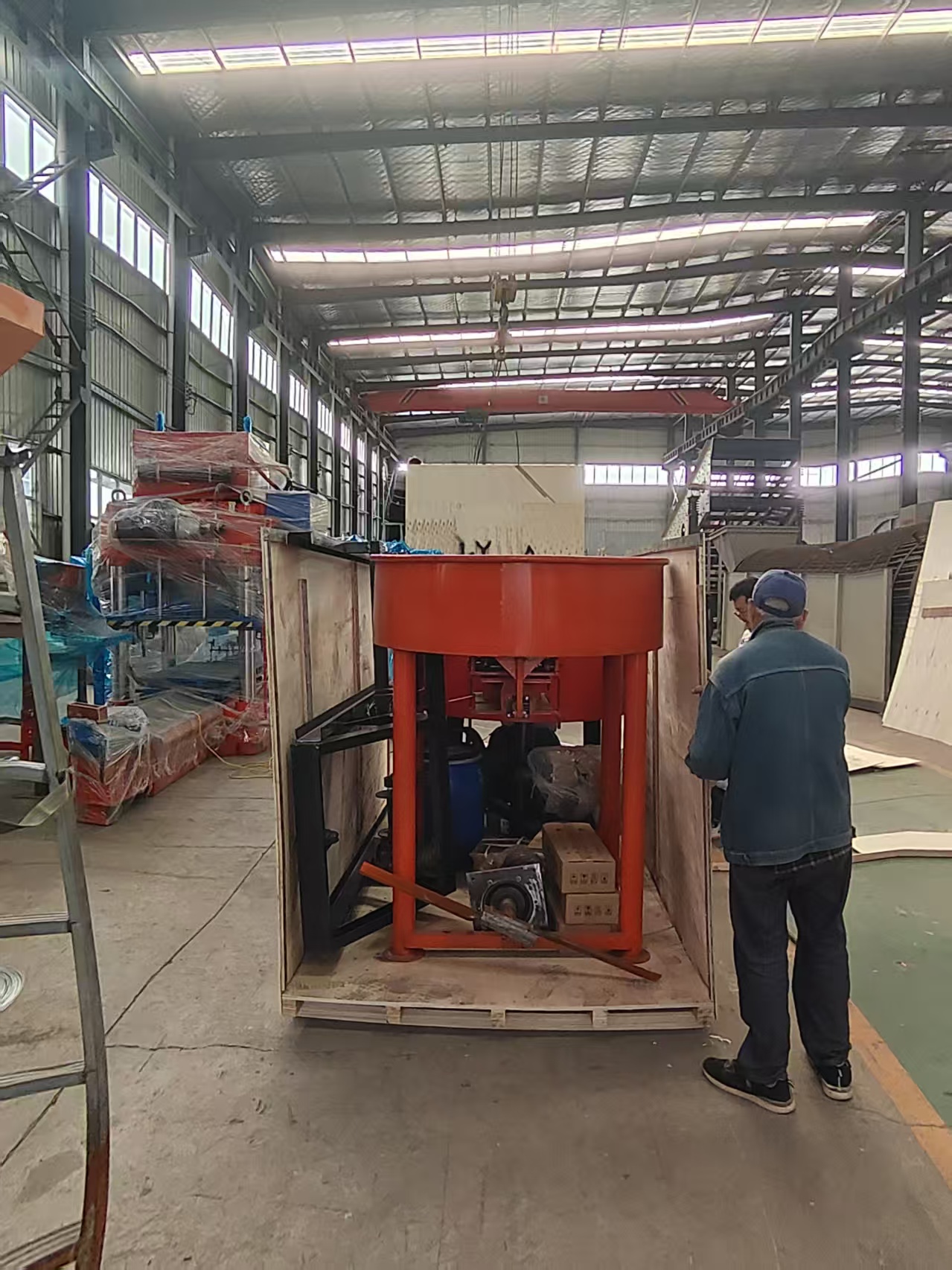
Color cement tiles are a new type of roofing material introduced from abroad in the 1990s, with core advantages in color durability, resistance to weathering, and environmental friendliness. Xinlong Machinery's color tile production equipment adopts the "three-roller extrusion + high-frequency vibration" molding process, with specific parameters as follows:
This process eliminates internal air holes in the tile body through high-frequency vibration, combined with an automated spraying system to achieve even color coverage, solving the problems of traditional clay tiles being prone to cracking and fading.
3. Equipment Technical Advantages and Compatible Scenarios
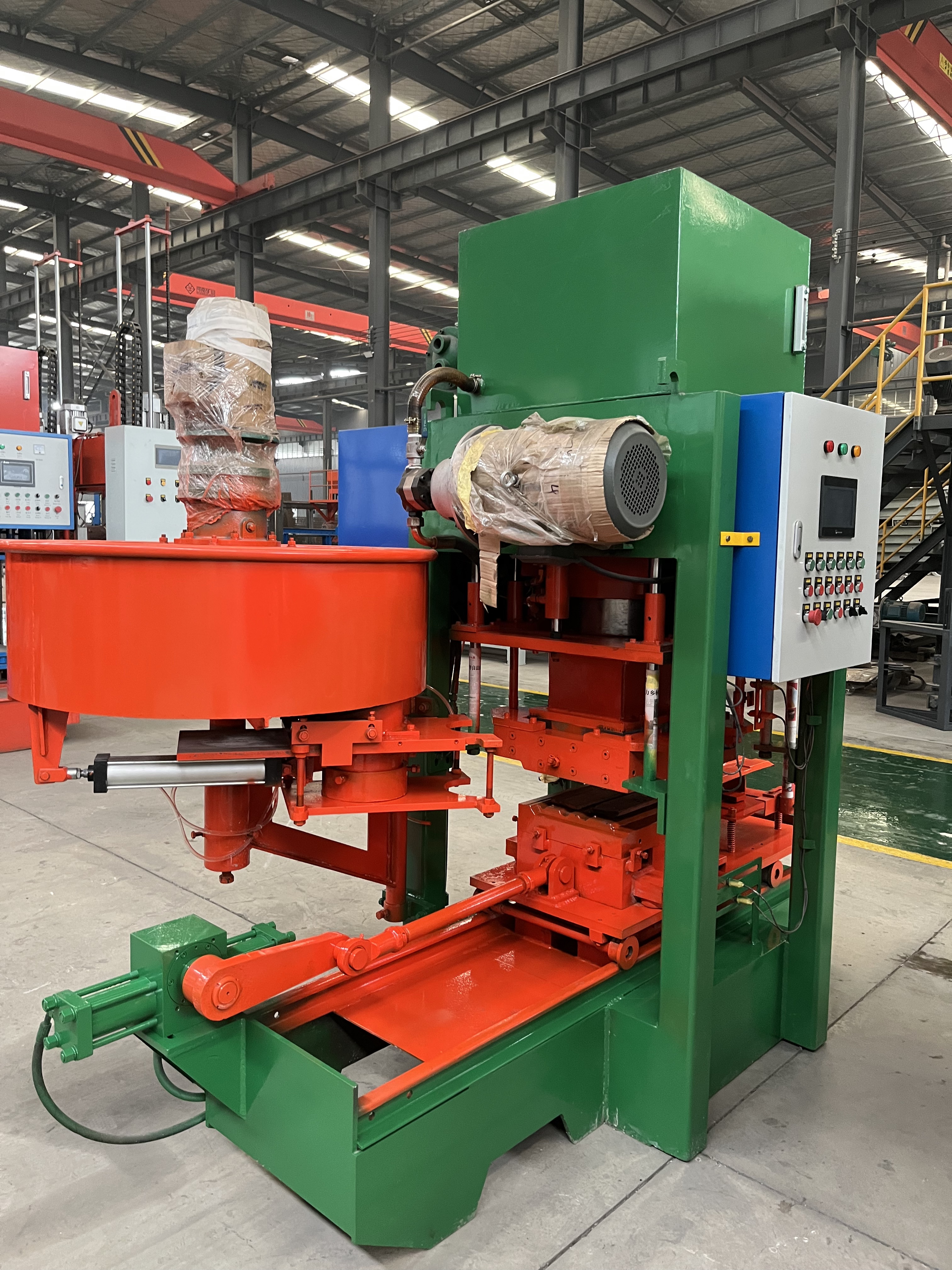
Xinlong Machinery's color tile machines are designed in a modular manner, supporting customization according to production capacity requirements (single-line daily output of 5,000-20,000 pieces), with core advantages including:
The application scenarios cover new rural construction, villa clusters, commercial complexes, etc., especially suitable for projects with high requirements for the aesthetics and durability of the roof. For example, in a tourism resort project in Yunnan, the colored tiles produced by Xinlong Equipment, with the color scheme of "wood grain + dark gray," blend seamlessly with the surrounding natural scenery. After the project passed the acceptance inspection, there were no leakage or fading issues for 5 years.
4. Technical Layout and After-Sales Service System
The company allocates 8% of its annual revenue to R&D, has obtained 12 utility model patents (such as "A non-slip treatment device for color tile surfaces"), and established an industry-academia-research cooperation with the School of Materials, Zhengzhou University. In terms of after-sales service, we offer "1-year warranty + lifetime maintenance" services, overseas customers can complete equipment debugging through video guidance, and domestic customers enjoy 24-hour response and 48-hour on-site service.
5. FAQ: Common Technical Questions and Answers
Q1: What are the requirements for raw material humidity in color tile production?
A: The moisture content of raw materials should be controlled between 8%-12%. Excessive moisture can lead to deformation of the bricks, while insufficient moisture affects the density of the molded product. Xinlong equipment is equipped with a humidity meter, which can provide real-time feedback and adjust the water addition amount.
Q2: How to solve the color difference problem on the surface of colored tiles?
A: Color variation mainly originates from uneven pigment dispersion or fluctuating maintenance temperature. Xinlong equipment employs a two-stage mixing system (pre-mix + main mix) to ensure even pigment distribution, and the maintenance process controls the temperature difference within ±2℃ through a constant temperature control system.
Q3: What is the maintenance cycle for the equipment?
A: Daily maintenance requires cleaning the mold and checking the hydraulic oil level; replace lubricating oil after every 500 operating hours; and perform deep maintenance on the motor and reducer every 2000 hours. The maintenance manual is provided with the equipment and video tutorials are also available.