Roofing and flooring projects in many markets now depend on pressed cement tiles instead of traditional clay products, and the quality of those tiles starts long before the first tile leaves the mould. It starts with the machine. For buyers who need a production line built around their own tile size, profile, output target and workshop layout, molded color tile equipment contract manufacturing is often the most practical route: instead of buying a standard catalogue machine, the buyer works directly with a factory that builds the equipment to order. Zhengzhou Xinlong Machinery Manufacturing Co., Ltd. has been producing tile-making equipment since 2001, operates a factory of roughly 30,000 square meters, and supports customized equipment together with overseas installation guidance — which is exactly the profile an international buyer should look for when evaluating a pressed color tile equipment OEM partner.
What Is Molded Color Tile Equipment Contract Manufacturing?
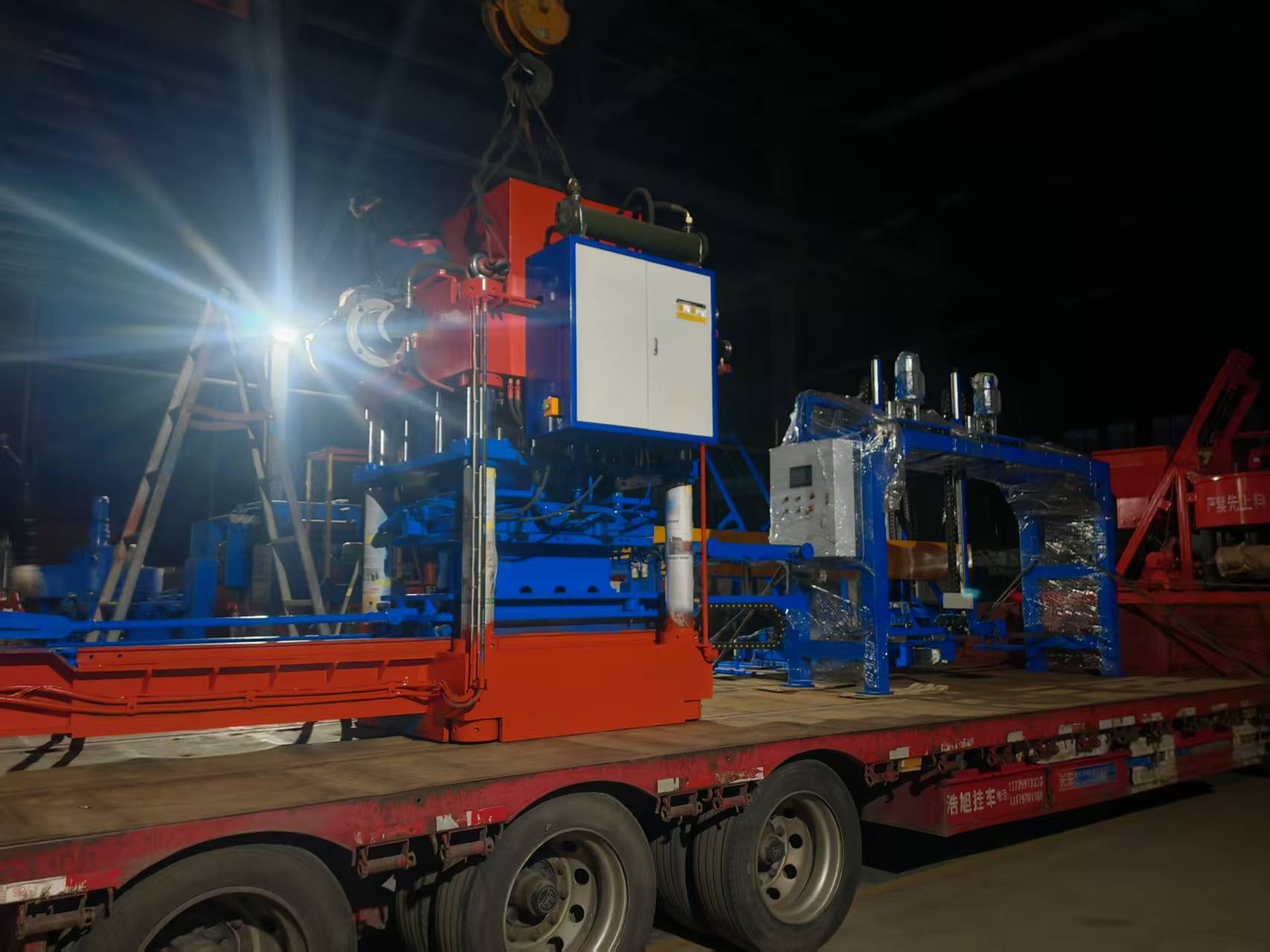
Molded color tile equipment contract manufacturing — often described in trade channels as color tile machine contract processing or OEM production — means that the equipment builder manufactures the machine, the moulds and the auxiliary units under the buyer’s requirements rather than simply selling a fixed stock model. The buyer defines the tile dimensions, the surface pattern, the color layer structure, the expected daily output and the available floor space, and the manufacturer responds with a configuration that fits those constraints. In practice this covers the host press, the mould set, the mixing and feeding section, the curing and stacking arrangements, and any optional automation the buyer wants.
This model is different from buying a used machine or a generic import. Because the equipment is built to order, the buyer can align the machine with local raw materials, local tile standards, local labor skills and local power supply. For distributors and project contractors, contract manufacturing also makes it possible to offer a branded tile range without building an equipment design department from scratch. For established tile producers, it is a fast way to add a new profile or a new color series without replacing the entire plant.
A genuine source factory should be able to explain three things clearly: how the machine is built, how the mould is matched to the tile design, and how the equipment is commissioned on site. If a supplier cannot answer those three questions in technical detail, the “contract manufacturing” offer is usually resale rather than production.
Why Work With a Source Factory for Molded Color Tile Equipment OEM Supply
Zhengzhou Xinlong Machinery Manufacturing Co., Ltd. is a source manufacturer rather than a trading intermediary. The company was established in 2001, has accumulated roughly 25 years of production experience, and works from a factory site of about 30,000 square meters. That combination matters for OEM buyers for several practical reasons.
First, design changes are handled at the point of production. When a buyer asks for a different tile thickness, a modified mould profile or an adjusted stacking height, the change is reviewed by the people who build the machine, not passed along a chain of middlemen. Second, quality control stays inside the factory: the company describes complete inspection methods and reliable product quality as part of its operating standard, which is the minimum an overseas buyer should demand before shipping a production line across borders. Third, spare parts and after-sales response are simpler, because the same organization that built the machine also supports it.
Working with a source factory also shortens the technical conversation. Buyers typically arrive with a tile sample, a target output and a budget. A manufacturer with long production experience can translate that sample into a mould drawing, a machine configuration and a realistic commissioning plan, then explain which parts of the request are straightforward and which need adjustment. That kind of feedback is difficult to get from a company that does not actually manufacture the equipment.
Core Equipment Lines Available for Contract Processing
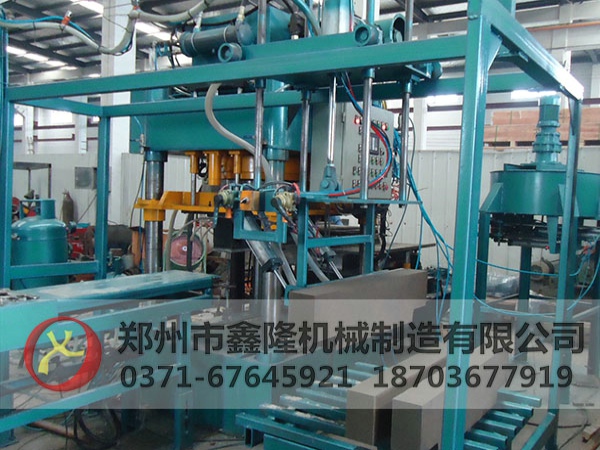
The company’s production focus covers three main equipment families, and each of them can be discussed as part of a contract manufacturing or customization project. Understanding the differences helps buyers specify the right line before requesting a quotation.
Cement Color Tile Machines
Color cement tiles were introduced as a new roofing material in the 1990s and are now widely recognized as a replacement for traditional clay tiles. They offer bright, stable color, high strength, no warping and no cracking, together with resistance to storm loading, water penetration and weathering, and a long service life. The full production equipment set is designed around that product: mixing, pressing, moulding, demoulding and curing. When a buyer requests molded color tile equipment customization, this is normally the core of the order.
Terrazzo Floor Tile Machines
Terrazzo floor tiles serve a different market — interior and exterior flooring where surface appearance, abrasion behavior and dimensional consistency matter. The equipment for this product family is built around a different mould and pressing logic from roofing tiles, which is why buyers should never assume a roof tile line can be converted into a floor tile line without a proper technical review. A source factory can advise on whether a shared platform is realistic or whether two dedicated configurations make more sense.
Permanent Formwork Equipment
Permanent formwork (non-removable formwork) is a construction-focused product with its own geometry and strength requirements. Equipment for this family is typically specified around panel dimensions, thickness tolerance and the handling method used on site. For contractors and building-material producers, this line often complements a tile range and allows the same plant to serve both roofing and structural applications.
| Equipment family | Typical product | Key specification points for OEM buyers |
|---|---|---|
| Cement color tile machine | Pressed color roof tiles | Tile profile and size, mould set, color layer structure, curing arrangement, target output |
| Terrazzo floor tile machine | Terrazzo floor tiles | Panel size and thickness, surface finish, abrasion requirement, polishing or finishing step |
| Permanent formwork equipment | Non-removable formwork panels | Panel geometry, thickness tolerance, handling method, site installation compatibility |
How a Molded Color Tile Equipment Contract Manufacturing Project Runs
A well-run contract manufacturing project follows a predictable sequence. The exact number of steps varies with the complexity of the request, but the logic does not change much from one buyer to the next. Skipping steps is the most common reason a delivered machine fails to match expectations.
- Requirement review. The buyer provides the tile type, target dimensions, surface design, expected daily output, available workshop area and power conditions.
- Technical proposal. The manufacturer responds with a recommended configuration, the mould approach, the auxiliary equipment list and the space and utility requirements.
- Sample and drawing confirmation. Tile profile, color layer and mould details are fixed before production begins, so that the built machine matches the agreed product.
- Manufacturing and in-factory inspection. The machine is built, assembled and checked inside the factory before packing.
- Shipping and documentation. Packing, loading and shipping documents are prepared for the destination market.
- Installation guidance and commissioning. For overseas buyers, the company provides installation guidance so the line is set up and started correctly.
- Operator training and follow-up. Production staff learn the correct mixing, pressing and curing routine, and after-sales support continues after the machine is running.
Buyers should treat step one as the most valuable part of the whole process. A clear requirement brief — with tile samples, photos, drawings and realistic output expectations — removes most of the risk from the later stages and makes any quotation far more accurate.
Applications and Market Demand for Pressed Cement Color Tiles
Color cement tiles are used mainly in residential roofing, but the market is broader than that. Because the product resists storm loading, water penetration and weathering while keeping a long service life, it fits low-rise housing, rural and suburban construction, renovation projects, commercial buildings with pitched roofs and prefabricated housing. The bright, stable color also makes the product attractive where visual appearance matters as much as durability.
For producers, the appeal is practical. Color cement tile production supports local raw material sourcing, reduces dependence on clay resources, and gives a plant a product that can be sold in multiple colors and profiles from one basic line. Distributors and contractors who order equipment through contract manufacturing can build a tile range that matches local taste — different profiles, different colors, different thickness options — without buying a separate machine for each variant.
Terrazzo floor tile equipment serves a parallel market in flooring, and permanent formwork equipment serves the structural and construction side. A plant that runs two or three of these lines can address several customer groups from one site, which is a common reason buyers ask about combined or phased equipment planning.
Advantages of Pressed Cement Color Tiles Over Traditional Clay Tiles
The case for cement color tiles is usually made on performance and on resource use. Clay tiles depend on clay extraction, which is increasingly restricted, while cement-based tiles use a different raw material base and can be produced close to the market where they are sold. The table below summarizes the comparison points buyers most often ask about.
| Comparison point | Pressed cement color tile | Traditional clay tile |
|---|---|---|
| Color range | Bright, controllable color layer across a wide range | Limited by clay body and firing |
| Shape stability | High strength with no warping or cracking under normal production control | Depends on firing control and clay quality |
| Weather performance | Resistant to storm loading, water penetration and weathering, with long service life | Acceptable, but vulnerable to frost and impact damage in some climates |
| Resource base | Supports protection of clay resources and local material sourcing | Depends on clay extraction, which is increasingly restricted |
| Production flexibility | Profile and color variants can be added with mould changes | Changes require kiln and clay adjustments |
Overseas Installation Guidance and After-Sales Support
Buying equipment across borders is only half the project. The other half is getting the line installed, commissioned and running at the expected quality level. For this reason, overseas installation guidance is one of the most important items to confirm before placing an order. The company provides installation guidance for overseas buyers, which typically covers machine layout, foundation and leveling checks, utility connections, trial production and operator instruction.
Buyers should prepare for that stage in advance. A clear workshop layout drawing, confirmed power supply and water supply, adequate curing space, and a small team of operators assigned to learn the machine will all shorten commissioning time. Local labor should be involved from the first day rather than watching from a distance, because the practical knowledge of mixing ratio control, mould handling and demoulding discipline is what keeps tile quality consistent after the technical team leaves.
After-sales support continues beyond commissioning. Spare parts planning, mould care, and a clear channel for technical questions all reduce downtime over the life of the machine. A factory that has been building tile equipment for roughly 25 years has usually seen most of the operating problems a new plant will encounter, which is a real advantage when a buyer needs a fast, accurate answer.
How to Choose a Reliable Molded Color Tile Equipment Supplier
Supplier selection deserves more attention than price comparison. The lowest quotation can become the most expensive option if the machine cannot produce saleable tiles, if spare parts are unavailable, or if no one answers technical questions after delivery. The checklist below reflects what experienced buyers normally verify.
- Manufacturing role. Confirm whether the supplier actually builds the equipment or resells it. Factory area, years in operation and production history are useful indicators.
- Customization capability. Ask specifically what can be changed — mould profile, tile size, output arrangement, control configuration — and what cannot.
- Technical documentation. Request drawings, specifications and a clear scope of supply, including what is excluded.
- Installation support. Confirm whether overseas installation guidance is included, and clarify the commercial terms around it.
- Spare parts and mould supply. Moulds wear, and a second mould set is often worth ordering with the first machine.
- Reference visits. Where possible, visit the factory, see the machine assembled, and inspect sample tiles produced on the same configuration.
- Communication quality. A supplier that answers technical questions precisely before the order will usually behave the same way after it.
Zhengzhou Xinlong Machinery Manufacturing Co., Ltd. welcomes buyers to visit and inspect the factory before deciding. Seeing the workshop, the machine assembly and the finished tile samples is far more informative than any brochure, and it gives the buyer a chance to discuss the project directly with the people who will build the equipment.
FAQ
What is molded color tile equipment contract manufacturing?
It is an arrangement in which a tile equipment factory builds the machine, moulds and auxiliary units according to the buyer’s own tile specifications, output target and workshop conditions, instead of selling a fixed stock model. The buyer defines the product; the manufacturer handles design, production, inspection and shipping, and typically provides installation guidance at the destination.
Can Zhengzhou Xinlong customize a color tile machine for my production requirements?
Yes. Customized equipment is one of the company’s stated capabilities. Buyers normally provide a tile sample or drawing, the target tile size and profile, the expected daily output and the available floor space, and the factory responds with a recommended configuration and mould approach for review before production begins.
Do you provide overseas installation guidance?
Yes. Overseas installation guidance is part of the company’s service scope. It normally covers machine layout, leveling and utility checks, trial production and operator instruction. Buyers should prepare workshop drawings, confirm power and water supply, and assign operators to work alongside the technical team during commissioning.
What other equipment does the company manufacture besides color tile machines?
The production focus covers three equipment families: cement color tile machines, terrazzo floor tile machines and permanent formwork equipment. Each family uses different moulds and pressing logic, so buyers planning more than one product line should discuss the combined layout and phasing with the factory at the proposal stage.
How long has the company been manufacturing tile equipment?
The company was established in 2001 and has roughly 25 years of production experience in tile-making equipment. It operates from a factory site of about 30,000 square meters and supplies customers across many provinces and regions, with customization and overseas installation guidance available for international buyers.
What are the advantages of pressed cement color tiles compared with clay tiles?
Pressed cement color tiles offer bright, stable color, high strength, no warping and no cracking, plus resistance to storm loading, water penetration and weathering with a long service life. They also support the protection of clay resources, since the raw material base is cement-based rather than clay-dependent.
Summary
Molded color tile equipment contract manufacturing gives buyers a production line built around their own product rather than a compromise on a standard model. For international buyers, the decisive factors are simple: whether the supplier actually manufactures the equipment, whether customization is technically understood, and whether installation and after-sales support extend beyond the shipping date. Zhengzhou Xinlong Machinery Manufacturing Co., Ltd. — established in 2001, operating a factory of about 30,000 square meters with roughly 25 years of production experience, and focused on cement color tile machines, terrazzo floor tile machines and permanent formwork equipment — fits that profile as a source factory offering customized equipment and overseas installation guidance. Buyers evaluating a pressed color tile equipment OEM partner should start with a clear requirement brief, request a technical proposal, and visit the factory where possible before committing to the project.