
Color cement tiles are widely used as roofing and decorative building materials because they combine attractive appearance with practical performance. For contractors, distributors, and new production enterprises, the quality of the finished tile depends heavily on the equipment selected at the beginning of the project. Choosing the right molded color tile machine manufacturer is therefore not only a purchasing decision but also a long-term production strategy. A reliable supplier should provide stable machine design, mold precision, customization options, operator training, spare parts support, and clear installation guidance.
Zhengzhou Xinlong Machinery Manufacturing Co., Ltd. is a source manufacturer specializing in cement color tile machines, terrazzo floor tile machines, and permanent formwork equipment. The company was founded in 2001, reports approximately 30,000 square meters of factory space, and has 25 years of production experience. It supports customized equipment and overseas installation guidance, which are important considerations for international B2B buyers planning color cement tile production lines. This guide explains how to evaluate a molded color tile machine manufacturer and what to confirm before placing an order.
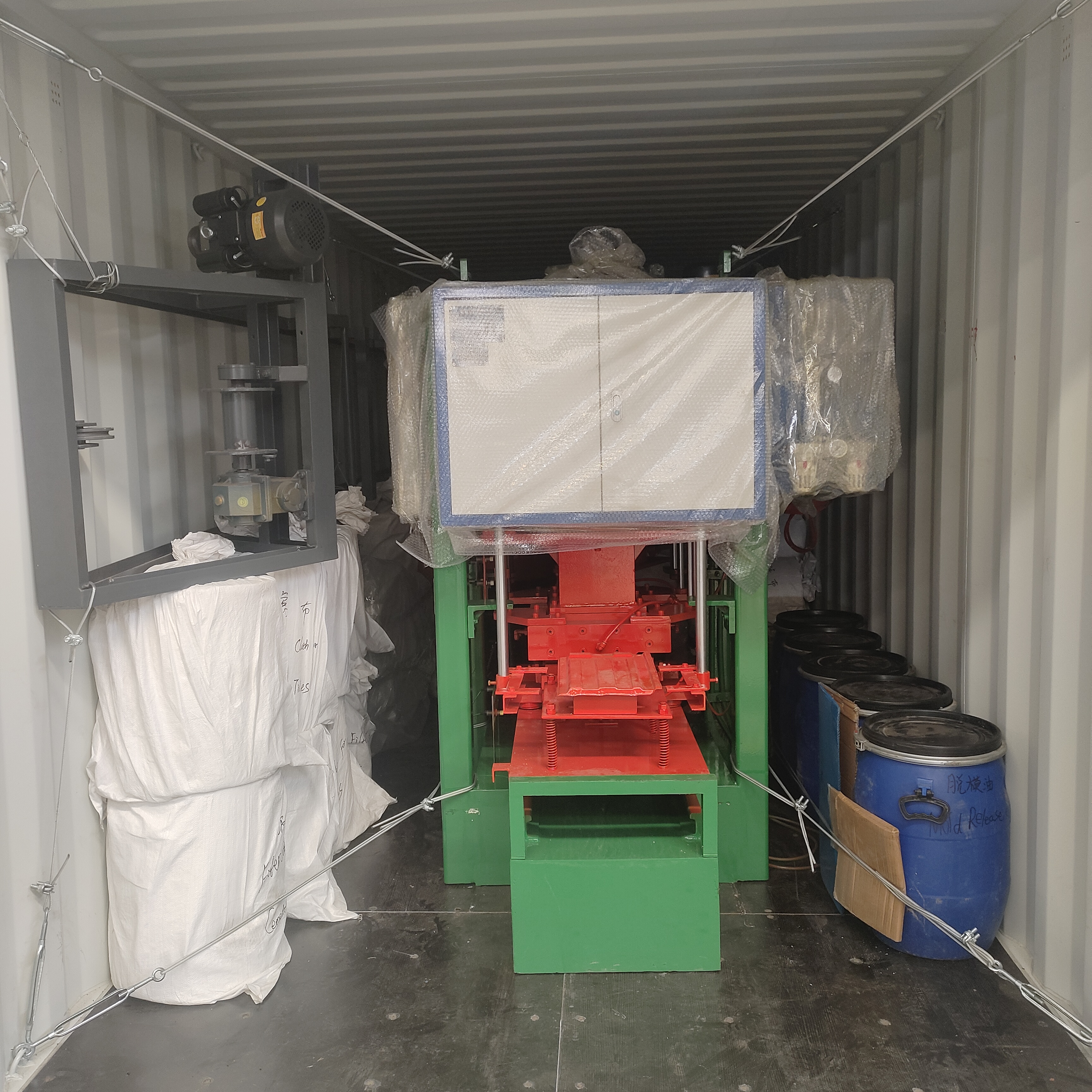
Why the Right Molded Color Tile Machine Manufacturer Matters
The performance of a color cement tile production line depends on the coordination of the press structure, hydraulic system, molds, mixing and feeding process, and curing control. A machine built by an experienced molded color tile machine manufacturer should deliver consistent tile thickness, clean edges, stable surface patterns, and reliable daily output. When buyers choose only on initial price, they often face higher downtime, frequent mold repairs, uneven product quality, and difficult spare parts sourcing later.
A source factory usually has more control over machining, assembly, testing, and delivery scheduling than a trading company. That does not mean every trading company is unsuitable, but B2B buyers should verify who actually manufactures the main frame, hydraulic station, control system, and molds. For a long-term project, the ability to obtain technical clarification, replacement parts, and mold modifications from the original manufacturer is valuable.
The supplier should also understand the difference between a machine that can produce samples and a machine that can run continuously under commercial conditions. Production stability, operator safety, maintenance access, and energy consumption all affect the total cost of ownership. A good manufacturer will discuss these points openly and help the buyer match the equipment configuration to the target product mix and local market demand.
What a Qualified Molded Color Tile Machine Manufacturer Should Provide
Core Machine Design and Mold Capability
A qualified molded color tile machine manufacturer should offer more than a standard press frame. The machine design should consider mold installation, pressure distribution, cycle time, feeding accuracy, demolding stability, and surface finish control. For color cement tiles, the mold is a critical part of the system because it determines tile profile, edge quality, pattern depth, and dimensional consistency. Buyers should ask how molds are designed, machined, heat-treated where applicable, and checked before shipment.
The supplier should also explain how the machine handles different tile sizes and profiles. If the buyer plans to produce more than one design, quick and safe mold changeover becomes important. The hydraulic system, control panel, and safety guards should be arranged so that operators can work efficiently without compromising safety. These details are often more important than headline specifications alone.
Customization for Local Market Requirements
International buyers often need customization for voltage, plug standards, machine layout, tile dimensions, roof profiles, and production capacity. A molded color tile machine supplier with engineering capability can review the buyer’s product drawings, samples, or market requirements and propose a suitable configuration. Customization may also include different mold surfaces, color layer feeding arrangements, automatic or semi-automatic operation, and workshop layout planning.
Customization should be documented clearly in the technical agreement. The contract should define tile size, mold quantity, machine voltage, control language, included spare parts, packaging method, installation scope, and acceptance criteria. Clear documentation reduces disputes and helps the buyer prepare foundations, power supply, water, compressed air, and curing space before the equipment arrives.
Quality Control and Factory Testing
Before delivery, the manufacturer should assemble and test the main machine, hydraulic system, control system, and at least one set of molds. Trial production should check tile forming, thickness variation, demolding, and surface appearance. Buyers can request inspection records, test photos, and videos, or arrange a factory audit through a third party. A manufacturer that welcomes inspection is generally more confident in its production process.
Quality control should also cover purchased components such as motors, hydraulic valves, bearings, and electrical parts. The buyer should ask for the component brand list and confirm whether critical parts are readily available in the destination market. For overseas projects, a practical spare parts package can reduce the risk of long downtime caused by a small failed component.
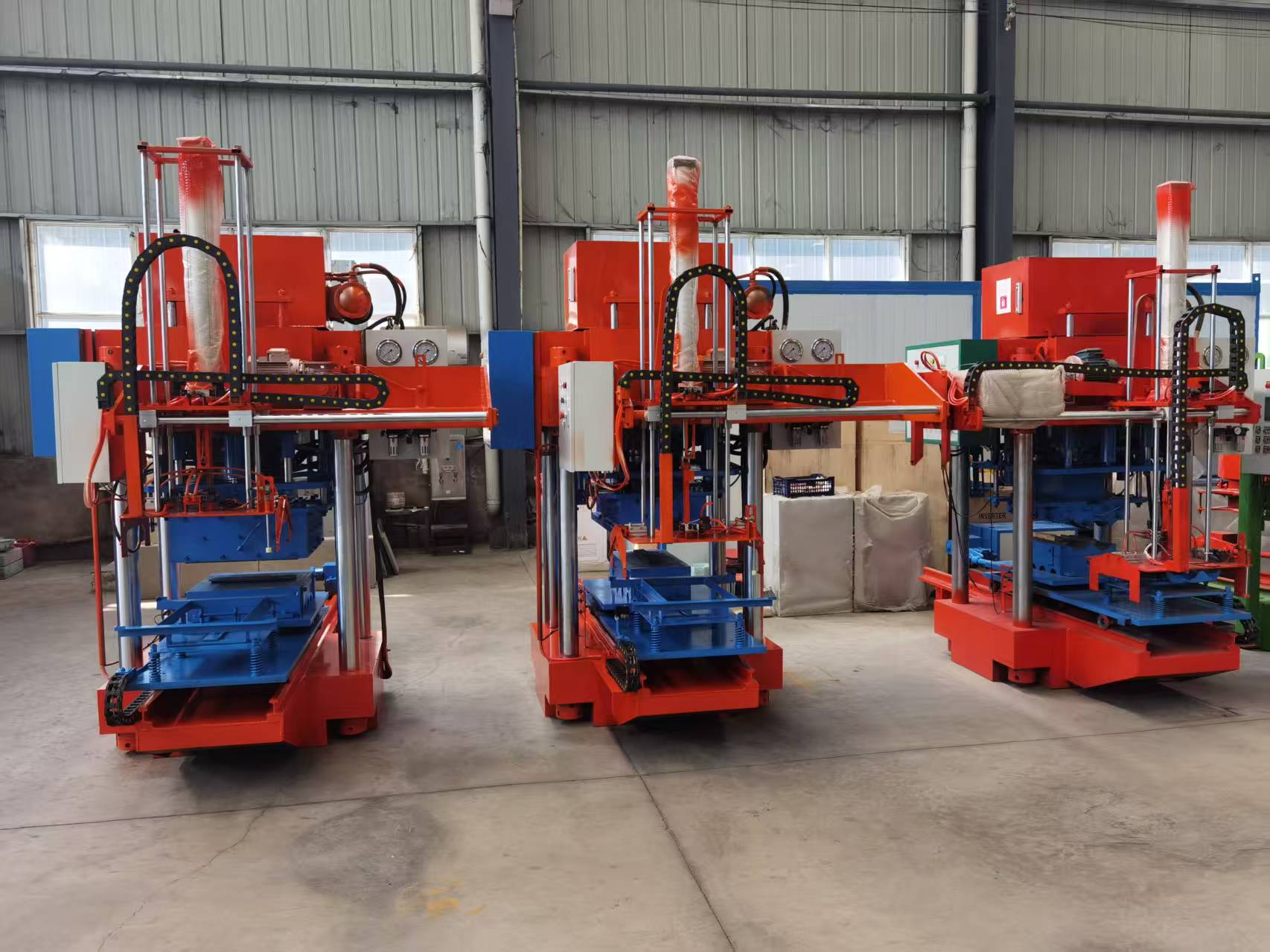
Key Selection Criteria for B2B Buyers
B2B buyers should evaluate a molded color tile machine manufacturer with a structured checklist rather than relying on a single quotation. The checklist should cover manufacturing experience, factory capability, mold quality, machine configuration, testing, after-sales support, and overseas service arrangements. The table below summarizes the main points to verify during supplier evaluation.
| Evaluation Area | What to Verify | Why It Matters |
|---|---|---|
| Manufacturing experience | Years in tile machine production, product focus, factory history | Experienced suppliers better understand mold design and production stability |
| Factory capability | Workshop size, machining equipment, assembly area, testing area | Shows whether the supplier is a source manufacturer with production control |
| Mold capability | Mold design, machining precision, changeover method, replacement support | Molds directly affect tile shape, surface quality, and product range |
| Machine configuration | Hydraulic system, control system, safety guards, automation level | Determines cycle stability, operator safety, and maintenance convenience |
| Testing and acceptance | Trial production, inspection records, sample approval, packing check | Reduces delivery risk and clarifies quality expectations |
| After-sales support | Spare parts list, warranty terms, technical response, installation guidance | Supports smooth commissioning and long-term operation |
| Overseas experience | Export packing, voltage customization, installation documents, training plan | Helps avoid delays caused by site preparation and communication gaps |
During the evaluation, buyers should ask for a live video tour of the factory and a detailed technical proposal. A serious molded color tile machine manufacturer will ask about the target tile size, expected output, raw materials, labor availability, and local market price before recommending a configuration. If a supplier sends only a generic price list without technical questions, the buyer should proceed carefully.
It is also useful to request a list of included accessories and a recommended spare parts package. The quotation should clearly state what is included and what is optional. Common optional items may include additional molds, automatic feeding arrangements, mixing equipment, curing racks, and packing upgrades. Comparing quotations becomes meaningful only when the scope of supply is identical.
Comparing Tile Forming Methods for Color Cement Tiles
Color cement tiles can be produced by different forming methods, and the choice affects investment, labor, product appearance, and flexibility. Molded pressing is often preferred for decorative color tiles and roof tiles because molds can reproduce surface patterns and dimensional details. Extrusion and manual methods may suit other product ranges or lower initial investment levels. The table below provides a general comparison for B2B planning.
| Forming Method | Typical Strengths | Points to Consider | Suitable For |
|---|---|---|---|
| Molded hydraulic pressing | Good surface detail, stable shape, mold-based product consistency | Higher mold investment, requires correct mix and maintenance discipline | Color roof tiles, decorative tiles, defined product ranges |
| Extrusion forming | Continuous output potential, suitable for certain profile shapes | Surface pattern flexibility may be limited; mix consistency is critical | Long profiles and selected tile types |
| Manual or semi-manual molding | Lower entry investment, flexible small-batch production | Higher labor intensity, greater dependence on operator skill | Small workshops and trial production |
For a commercial color cement tile project, the decision should be based on the expected product mix rather than machine type alone. If the target market requires multiple roof tile profiles and decorative patterns, a molded color tile machine with changeable molds can offer flexibility. If the product range is narrow and highly standardized, a dedicated configuration may be more efficient. The supplier should help the buyer model output, labor, and mold requirements before final selection.
How to Evaluate a Molded Color Tile Machine Supplier Before Ordering
Before signing a contract, buyers should move from general communication to technical verification. Ask the supplier to confirm the exact machine configuration, mold list, voltage, control language, safety devices, packing method, and delivery schedule. A serious supplier will provide drawings, photos, and a clear scope of supply. Buyers should also confirm whether installation guidance is provided remotely, on-site, or through a combined plan.
- Request a live factory video tour showing machining, assembly, and testing areas.
- Ask for the technical proposal with machine layout, utility requirements, and foundation recommendations.
- Confirm mold material, mold changeover method, and mold maintenance recommendations.
- Review the spare parts list and clarify which parts are recommended for local stock.
- Define acceptance criteria for trial production, tile dimensions, and surface appearance.
- Confirm warranty terms, technical response time, and overseas installation scope.
The buyer should also consider communication quality. International projects involve shipping, customs, site preparation, and commissioning. A supplier with clear documentation and responsive technical communication can reduce project risk significantly. Zhengzhou Xinlong Machinery Manufacturing Co., Ltd. supports customized equipment and overseas installation guidance, which can help buyers plan the transition from machine delivery to actual production.
Installation, Commissioning, and Operator Training
Good installation preparation is essential for stable production. Before the machine arrives, the buyer should prepare a level foundation, suitable power supply, water supply, compressed air if required, raw material storage, mixing area, and curing space. The machine layout should allow safe access for feeding, demolding, mold change, maintenance, and material movement. The manufacturer should provide utility requirements and foundation suggestions based on the final configuration.
Commissioning should include frame leveling, hydraulic system checks, control parameter setting, mold alignment, safety device testing, and trial production. The first production runs should verify tile thickness, edge quality, surface appearance, and demolding performance. If tiles show defects, the cause may be related to mix ratio, water content, vibration, pressure, mold condition, or curing. Experienced commissioning support helps the buyer identify the correct adjustment rather than changing several variables at once.
Operator training should cover daily operation, safety procedures, mold installation, parameter setting, quality checks, and basic troubleshooting. Maintenance staff should learn hydraulic system inspection, lubrication points, fastener checks, and electrical safety. When overseas installation guidance is provided, the buyer should prepare translators, local assistants, and a training schedule so that knowledge is transferred to the local team effectively.
Maintenance and Troubleshooting for Long Service Life
A molded color tile machine is designed for repeated production cycles, so a practical maintenance plan is necessary. Daily cleaning, lubrication, and inspection prevent small issues from becoming major downtime. Molds should be checked for wear, residue, and damage, while hydraulic hoses, valves, and pressure settings should be inspected regularly. The table below provides a general maintenance framework that buyers can adapt to the manufacturer’s manual.
| Frequency | Main Maintenance Task | Purpose |
|---|---|---|
| Daily | Clean molds and machine surface, check oil leaks, inspect safety guards, record abnormal noise | Maintain tile surface quality and early fault detection |
| Weekly | Lubricate moving parts, check fasteners, inspect hydraulic hoses, clean control panel area | Reduce wear and prevent loose connections |
| Monthly | Check hydraulic oil condition, inspect mold alignment, test emergency stop, review spare parts stock | Support stable pressure and safe operation |
| Quarterly | Inspect electrical connections, evaluate mold wear, check foundation and leveling, review maintenance records | Plan preventive repairs and avoid unexpected breakdowns |
Common production issues should be diagnosed systematically. Uneven tile thickness may relate to mold alignment, feeding distribution, or pressure settings. Surface defects may relate to mix design, water content, mold cleanliness, or curing conditions. Hydraulic pressure instability may involve oil level, valve settings, or worn components. The operator should record each adjustment and its result so that the root cause can be identified.
Keeping a small stock of wearing parts and critical components is recommended for overseas producers. The exact list depends on the machine configuration, but it may include seals, hydraulic hoses, sensors, fasteners, and selected electrical components. The manufacturer should provide a recommended spare parts list at the time of order so that buyers can prepare a practical budget.
Cost Factors and Return on Investment
The purchase price is only one part of the investment. Buyers should calculate total cost of ownership, including machine and mold cost, shipping and insurance, foundation and installation, raw materials, labor, energy, maintenance, spare parts, and curing space. Local market prices, product mix, output rate, and utilization level determine how quickly the project can recover its investment. A low-cost machine with unstable output may be more expensive in the long run than a well-configured production line.
Before ordering, buyers should prepare a simple production cost model. Estimate the cost per tile or per square meter based on cement, aggregate, pigment, water, energy, labor, mold life, and maintenance. Then compare that cost with the expected selling price and realistic monthly sales volume. This analysis helps the buyer choose the right degree of automation and the right production capacity rather than over-investing or under-investing.
Working with a molded color tile machine manufacturer that provides technical support and customization can improve the accuracy of this planning. Zhengzhou Xinlong Machinery Manufacturing Co., Ltd. focuses on cement color tile machines, terrazzo floor tile machines, and permanent formwork equipment, with source-factory production experience and overseas installation guidance for international projects.
FAQ
What should I check before buying a molded color tile machine from a manufacturer?
Check the manufacturer’s production experience, factory capability, mold design and machining process, machine configuration, testing procedure, spare parts list, warranty terms, and overseas installation guidance. Also confirm the target tile size, raw materials, expected output, voltage, and site preparation requirements. A factory video tour and trial production records can help verify the supplier’s capability.
Can the machine be customized for different tile profiles and colors?
Yes, customization is usually possible when the manufacturer has mold and engineering capability. Buyers can discuss tile size, profile, surface pattern, color layer arrangement, machine layout, voltage, and automation level. Customization should be documented in the technical agreement, including mold quantity, acceptance criteria, and delivery scope.
Do you provide overseas installation and operator training?
Zhengzhou Xinlong Machinery Manufacturing Co., Ltd. supports overseas installation guidance. The exact arrangement depends on the project location, machine configuration, and contract scope. Buyers should confirm whether support is remote, on-site, or combined, and prepare foundation, utilities, local assistants, and a training schedule before commissioning.
What is a practical maintenance schedule for a concrete tile press machine?
Daily checks should include cleaning, oil leak inspection, safety guard checks, and abnormal noise records. Weekly tasks include lubrication, fastener checks, and hydraulic hose inspection. Monthly and quarterly checks should cover hydraulic oil condition, mold alignment, electrical connections, foundation leveling, and spare parts stock. Always follow the manufacturer’s manual for specific intervals.
How can I verify that a supplier is a real source manufacturer?
Ask for a live factory tour, workshop photos, machining and assembly area videos, business license information, and technical clarification from engineering staff. Verify whether the main frame, hydraulic station, and molds are produced or assembled in the supplier’s facility. A supplier that welcomes factory inspection and provides detailed technical documents is generally more reliable.
What factors affect the production cost of color cement tiles?
The main factors include raw material prices, pigment cost, labor, energy, mold life, maintenance, output rate, product quality, and local selling price. Buyers should calculate cost per tile or per square meter and consider total cost of ownership rather than only the initial machine price.
Summary
Selecting a molded color tile machine manufacturer is a strategic decision for any color cement tile production project. Buyers should verify source-factory capability, mold quality, customization support, testing procedures, installation guidance, maintenance planning, and total cost of ownership. A structured evaluation process reduces technical risk and helps the project move from equipment delivery to stable commercial production.
Zhengzhou Xinlong Machinery Manufacturing Co., Ltd. is a source manufacturer established in 2001, with approximately 30,000 square meters of factory space and 25 years of production experience. The company focuses on cement color tile machines, terrazzo floor tile machines, and permanent formwork equipment, and supports customized equipment and overseas installation guidance. Buyers planning a tile production line can request technical clarification, factory inspection, and a project-specific configuration proposal.