Color concrete roof tiles have become an important alternative to traditional clay tiles in many construction markets because they can combine attractive appearance with practical production and installation advantages. For B2B buyers, contractors, distributors, and new factory projects, the key decision is not only which tile to produce but also which production equipment to invest in. Working with a custom molded concrete tile equipment manufacturer can make a significant difference in product quality, production efficiency, and long-term operating cost. This guide explains how to evaluate a molded concrete tile machine supplier, what a complete cement tile production line usually includes, and how customization and overseas installation support can reduce project risk.
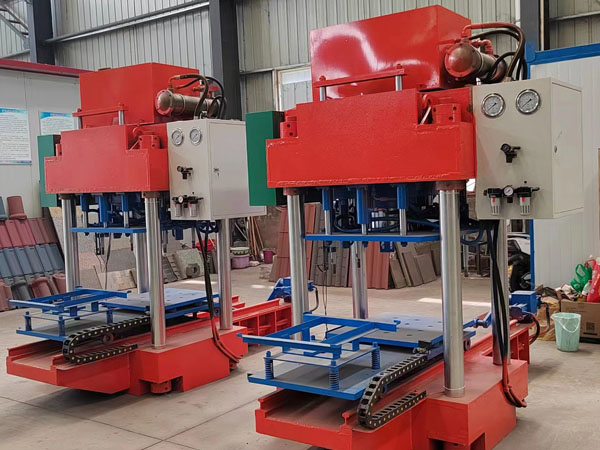
Why Work With a Custom Molded Concrete Tile Equipment Manufacturer?
Every concrete tile project has different requirements. One buyer may focus on standard roof tiles for residential housing, while another may need special tile profiles, larger formats, different surface textures, or a production layout that fits an existing factory building. A standard machine may be available at a lower entry cost, but it may not match the actual product mix, local climate conditions, labor structure, or market demand. This is why many B2B buyers prefer a custom molded concrete tile equipment manufacturer that can adjust molds, machine configuration, and auxiliary equipment around the project.
A customized approach is especially important when the equipment will be used in a new production line. The machine must work together with the mixing system, pallet handling, curing area, finishing process, and packing workflow. If these parts are purchased separately without a clear overall plan, the factory may face bottlenecks, higher labor costs, and inconsistent tile quality. A direct factory supplier with experience in complete production lines can help coordinate these details before shipment.
Customization does not only mean changing the tile shape. It can include production capacity, automation level, mold material and structure, control system layout, safety protection, voltage and power supply requirements, spare parts planning, and export packing. For overseas buyers, documentation, installation guidance, and operator training are also part of the decision. A manufacturer that understands international project coordination can make the installation and commissioning process much smoother.
What Is Included in a Molded Concrete Tile Production Line?
A complete cement tile production line is usually organized around several connected stages. The exact configuration depends on the target product, output requirement, factory layout, and level of automation. The following table outlines the typical stages and the points buyers should discuss with a molded concrete tile machine supplier.
| Production Stage | Main Function | Customization Consideration |
|---|---|---|
| Raw material batching and mixing | Measures cement, sand, aggregate, water, and additives for a consistent mix. | Batch size, mixing cycle, and material feeding method should match the tile formulation and daily output plan. |
| Molding and pressing | Forms the tile shape through pressure, vibration, or a combined process. | Mold profile, tile size, surface texture, and production rhythm are key customization points. |
| Demolding and pallet handling | Removes freshly formed tiles and moves them to the curing area. | Manual, semi-automatic, or higher automation options affect labor planning and pallet type. |
| Curing | Controls moisture and temperature so tiles can develop strength. | Curing room design should consider local climate, available space, and production volume. |
| Coloring and finishing | Adds surface color, texture, or a finishing treatment according to market demand. | Pigment system, coating method, and color consistency requirements should be defined early. |
| Packing and stacking | Prepares finished tiles for storage, local delivery, or export shipment. | Stack height, package method, and export handling can be adapted to the buyer’s market. |
Buyers should not evaluate the main machine in isolation. The production line works as a system, and small differences in feeding, demolding, curing, or packing can affect the final result. A reliable supplier will ask about the intended tile type, expected daily output, available factory area, power supply, water supply, and labor plan before recommending a configuration.
Key Selection Factors for Custom Molded Concrete Tile Equipment
Output Capacity and Product Mix
Capacity should be defined in practical terms: how many tiles per shift, what tile size, what thickness, and how many product changes per week. A custom concrete tile press machine can be configured for a focused product range or for greater flexibility. Buyers with a clear product mix can avoid over-investing in unnecessary automation, while buyers planning to expand later should leave room for additional molds, pallets, and curing space.
Mold Design and Tile Profile
The mold is central to the final appearance and dimensional consistency of the tile. Roof tile profiles vary by market, and buyers may need different surface textures, interlocking details, or color effects. A concrete roof tile making machine should be selected together with a mold plan. It is important to confirm mold material, changeover method, expected mold life, and spare mold availability. If the project requires several profiles, the supplier should explain how mold changes affect production time and operator workload.
Automation Level and Labor Requirements
Automation can improve consistency and reduce heavy manual work, but it must match the local labor cost and maintenance capability. A semi-automatic configuration may be suitable for a smaller factory, while a larger project may benefit from more automated pallet handling and control systems. The right choice is not always the highest automation level; it is the level that balances output, investment, maintenance, and operator skill.
Factory Layout and Utilities
Before ordering, prepare a layout plan showing the mixing area, main machine, curing area, finished product storage, and traffic flow. Confirm the available power supply, voltage, compressed air, water, and drainage. For overseas projects, voltage and frequency differences should be discussed early. A direct factory supplier can provide equipment drawings and utility requirements so the buyer can prepare the site before arrival.
Raw Material and Climate Considerations
Concrete tile production is affected by local sand, aggregate, cement, pigment, humidity, and temperature. In hot or cold climates, curing and demolding schedules may need adjustment. Buyers should share local raw material information and climate conditions with the manufacturer so that the machine settings and process recommendations can be adapted. This is one of the strongest reasons to choose a custom molded concrete tile equipment manufacturer rather than a supplier who offers only fixed standard models.
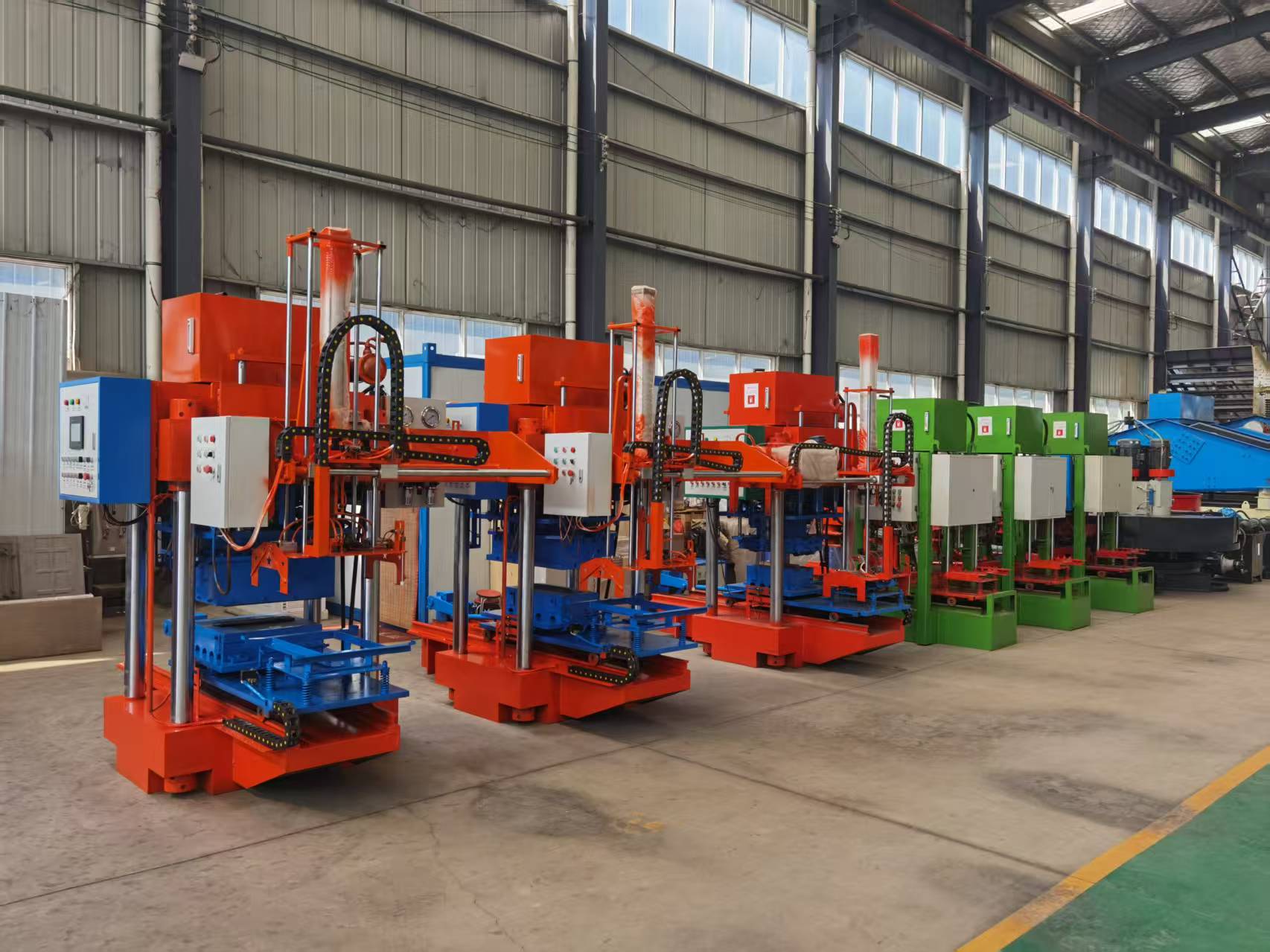
Product Portfolio: Concrete Roof Tiles, Terrazzo Floor Tiles, and Detachable Formwork
Many buyers enter the building materials equipment market through one product line and later expand into related products. A supplier with experience across concrete roof tiles, terrazzo floor tiles, and detachable formwork equipment can offer more practical advice on factory planning and product diversification. For example, a terrazzo floor tile machine manufacturer may also support buyers who want to add floor tile production, while detachable formwork equipment supplier capabilities can serve projects looking for formwork systems for construction components.
Zhengzhou Xinlong Machinery Manufacturing Co., Ltd. focuses on the production of cement color tile machines, terrazzo floor tile machines, and detachable formwork equipment. Founded in 2001, the company has about 25 years of production experience and a factory area of approximately 30,000 square meters. As a source manufacturer, it supports customized equipment and overseas installation guidance. This combination is relevant for B2B buyers who need a supplier that can discuss both machine configuration and practical project execution.
For buyers comparing molded concrete tile equipment wholesale options, product portfolio alone is not enough. The supplier should be able to explain the working process, recommend suitable auxiliary equipment, and provide clear information about delivery scope. A factory that builds equipment in-house can often respond more effectively to customization requests and spare parts questions.
How to Evaluate a Molded Concrete Tile Equipment Supplier
Price is only one part of the purchasing decision. A reliable molded concrete tile machine supplier should be assessed on engineering capability, production experience, communication quality, documentation, and after-sales support. Buyers should ask for a clear quotation that separates the main machine, molds, auxiliary equipment, optional automation, spare parts, packing, and installation guidance. A vague total price can make comparison difficult and may hide important cost items.
- Confirm whether the supplier is a direct factory or a trading intermediary.
- Review the proposed configuration against your tile size, profile, and expected output.
- Ask for equipment layout drawings and utility requirements before shipment.
- Clarify mold changeover time, spare mold availability, and operator training needs.
- Check the scope of overseas installation guidance, including what is included and what the buyer must prepare.
- Request a spare parts list for common wear items and recommended stocking quantities.
- Discuss packing and export documentation to avoid delays at the destination.
Site visits and video inspections can also help. If a visit is not possible, ask for detailed photos, working videos, and drawings of the proposed machine. A professional direct factory supplier will be comfortable answering technical questions and will not rush the buyer into an order before the production plan is clear.
Customization and Overseas Installation Support from Zhengzhou Xinlong Machinery
Zhengzhou Xinlong Machinery Manufacturing Co., Ltd. is a source manufacturer based in Zhengzhou, China, with production experience since 2001. The company’s main business covers cement color tile machines, terrazzo floor tile machines, and detachable formwork equipment. For international buyers, customization can include equipment configuration, mold requirements, voltage adaptation, and production line layout planning. The company also provides overseas installation guidance to help buyers prepare the site, install the equipment, and train local operators.
Overseas installation guidance is most effective when the buyer prepares in advance. Before equipment arrival, the buyer should complete the foundation work, confirm power and water connections, arrange lifting equipment, and assign operators who can participate in installation and training. Clear communication about language, travel arrangements, and working schedule helps avoid delays. During commissioning, the buyer should record machine settings, maintenance points, and troubleshooting steps for future reference.
For buyers seeking a custom molded concrete tile equipment manufacturer for a long-term project, after-sales communication is just as important as the initial quotation. Spare parts availability, technical response time, and the ability to support future product changes should be discussed openly. A manufacturer with years of production experience can often suggest practical improvements based on common operating issues.
Installation, Training, and Maintenance Planning
Pre-installation Preparation
Prepare the factory building, foundation, power supply, water supply, drainage, compressed air, and storage area before the machine arrives. Confirm the final layout with the supplier and check that the main machine can be moved into position safely. For exported equipment, verify that the voltage and frequency match the local power supply and that any required transformer or wiring is ready.
Operator Training
Training should cover startup and shutdown procedures, mold installation, material feeding, pressure or vibration settings, demolding, curing, and basic quality checks. Operators should understand why certain settings are used, not only which buttons to press. This helps the factory maintain consistent quality when raw materials or weather conditions change.
Preventive Maintenance
Keep a daily and weekly maintenance schedule for cleaning, lubrication, bolt tightening, hydraulic or pneumatic checks, electrical inspection, and mold care. Common wear parts should be inspected regularly and replaced before they cause unexpected downtime. A spare parts plan based on the actual production schedule can reduce the risk of long stops.
Cost and Return on Investment Considerations
The total investment includes more than the machine price. Buyers should consider molds, pallets, curing equipment, installation preparation, power consumption, labor, raw materials, spare parts, and maintenance. A lower-priced machine may require more manual labor or may have limited customization, which can increase operating cost over time. A higher-capacity line may reduce unit cost at high output, but it can also create waste if market demand is not yet sufficient.
To evaluate return on investment, prepare a realistic production plan: expected working days, shifts per day, output per shift, product mix, local material cost, labor cost, and selling price. Then compare machine configurations against that plan. Request a detailed quotation from a molded concrete tile equipment wholesale supplier and ask which items are optional. A transparent quotation makes it easier to compare suppliers and avoid hidden costs.
FAQ
What does a custom molded concrete tile equipment manufacturer do?
A custom molded concrete tile equipment manufacturer designs and builds tile production equipment around the buyer’s product type, output target, factory layout, and local operating conditions. This can include mold customization, machine configuration, auxiliary equipment selection, and overseas installation guidance.
How do I choose the right capacity for a molded concrete tile machine?
Start with your expected daily output, tile size, number of working shifts, and product mix. Then discuss curing space, labor availability, and future expansion plans with the supplier. The right capacity should support stable production without creating unnecessary investment or idle equipment time.
Can the equipment be customized for different tile sizes and profiles?
Yes, customization can include mold profile, tile size, surface texture, and related machine settings. Buyers should provide drawings, samples, or clear product requirements so the manufacturer can confirm mold design and changeover requirements before production.
Do you provide overseas installation guidance?
Zhengzhou Xinlong Machinery Manufacturing Co., Ltd. supports overseas installation guidance for international buyers. The buyer should prepare the site, utilities, lifting equipment, and operators in advance so that installation and training can proceed efficiently.
What maintenance is required for a concrete roof tile making machine?
Regular maintenance usually includes cleaning, lubrication, bolt tightening, inspection of hydraulic or pneumatic systems, electrical checks, mold care, and replacement of worn parts. A preventive maintenance schedule and a suitable spare parts stock help reduce unexpected downtime.
How can I request a quotation from a direct factory supplier?
Provide your tile type, size, expected output, factory layout, power supply, and any special requirements. Ask for a quotation that separates the main machine, molds, auxiliary equipment, optional items, packing, and installation guidance. This makes comparison clearer and helps avoid missing cost items.
Summary
Choosing the right custom molded concrete tile equipment manufacturer is a technical and commercial decision. Buyers should look beyond the initial machine price and evaluate mold capability, production line coordination, automation level, utility requirements, installation support, spare parts planning, and long-term service. Zhengzhou Xinlong Machinery Manufacturing Co., Ltd. brings production experience since 2001, a factory area of approximately 30,000 square meters, and a focus on cement color tile machines, terrazzo floor tile machines, and detachable formwork equipment. For B2B buyers planning a new concrete tile project or expanding an existing factory, a clear production plan and a transparent quotation from a direct factory supplier are the best starting points.