
Selecting a reliable modular roof tile press machine supplier is one of the most important decisions for anyone planning to enter or expand cement roof tile production. The equipment affects tile quality, production stability, operator safety, maintenance workload, and long-term return on investment. Buyers often search for a modular roof tile press machine supplier that can provide dependable machines, clear technical communication, spare parts support, and practical installation guidance. However, the lowest quotation is not always the lowest cost in real production. A careful comparison of manufacturing experience, machine design, mold quality, customization capability, commissioning support, and after-sales service is essential before placing an order.
This guide explains how to evaluate a cement roof tile making machine supplier from a practical, production-oriented perspective. It covers key selection criteria, questions to ask before purchase, customization options, installation and training, maintenance planning, and common buyer concerns. It is written for overseas buyers, distributors, contractors, and entrepreneurs who want to compare modular roof tile press machine options without relying on vague claims or one-sided sales materials.
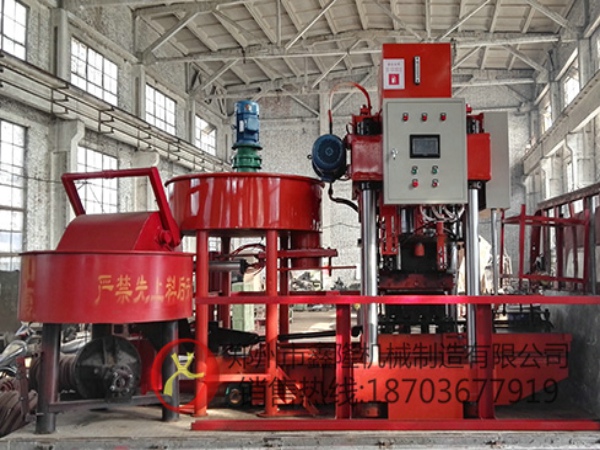
Why Modular Roof Tile Press Machine Reliability Matters in Real Production
Modular roof tile press machines are used to produce colored cement roof tiles that need consistent shape, strength, surface finish, and dimensional accuracy. In daily operation, small mechanical weaknesses can become major production problems. A frame that lacks rigidity may cause vibration, a poorly designed mold system may shorten mold life, and an unstable hydraulic or mechanical pressing system may create inconsistent tile density. These issues do not always appear during a short demonstration. They show up after weeks or months of continuous production, when maintenance costs and downtime begin to affect profitability.
Reliability also affects the overall production line. A cement roof tile production line usually includes material mixing, feeding, pressing, demolding, curing, and pallet handling. If the main press machine is not stable, the whole line becomes inefficient. Buyers should therefore evaluate a modular roof tile press machine supplier based on engineering discipline, component selection, structural design, mold manufacturing quality, and the ability to support commissioning and long-term operation. A supplier with real manufacturing experience is more likely to understand these practical details than a trading company that only resells equipment.
For example, a source manufacturer with years of production experience can discuss machine structure, mold replacement, operator training, and workshop layout in concrete terms. Zhengzhou Xinlong Machinery Manufacturing Co., Ltd. is a source manufacturer established in 2001, with about 25 years of production experience and a factory area of about 30,000 square meters. The company focuses on cement roof tile machines, terrazzo floor tile machines, and removable formwork equipment, and it supports customized equipment and overseas installation guidance. This type of background is relevant because it indicates direct involvement in equipment manufacturing and process understanding, rather than simple resale.
What to Evaluate in a Reliable Modular Roof Tile Press Machine Supplier
When buyers ask which modular roof tile press machine is reliable, the answer should not be based on a single specification sheet. Reliability is the result of design, manufacturing quality, mold precision, component choice, and service capability working together. A supplier that can explain these factors clearly is usually more trustworthy than one that only emphasizes a low price. The evaluation should cover the machine itself, the supplier’s production capability, and the support system after delivery.
First, confirm whether the supplier is a manufacturer or a trading company. A factory-based supplier can usually provide more direct technical answers, faster customization, and clearer responsibility for quality control. Second, review the machine structure and pressing method. The frame should be designed for stable operation under repeated load. Mold guidance, ejection, and replacement should be practical for daily production. Third, ask how the supplier controls mold accuracy and surface finish, because molds directly influence tile appearance and consistency. Fourth, discuss the level of automation that fits your budget and local labor conditions. Not every project needs the highest automation level; the right configuration should match expected output, available skills, and maintenance capacity. Fifth, evaluate spare parts availability, training, and installation guidance. A machine that cannot be maintained locally becomes expensive very quickly.
| Evaluation Area | Why It Matters | What to Ask the Supplier |
|---|---|---|
| Manufacturing experience | Shows whether the supplier understands long-term production issues, not only basic assembly. | How long have you been manufacturing this type of equipment, and what is your factory background? |
| Machine structure and pressing stability | Affects tile density, dimensional consistency, vibration, and maintenance frequency. | What is the frame design, and how do you control repeatability during continuous operation? |
| Mold quality and replacement | Directly influences tile appearance, mold life, and changeover time for different profiles. | How are molds manufactured, inspected, and replaced, and what profile options are available? |
| Customization capability | Allows the line to match local tile sizes, raw materials, workshop layout, and output targets. | Can you customize voltage, mold profile, layout, and capacity requirements? |
| Installation and training support | Reduces commissioning risk and helps local operators work safely and efficiently. | What installation guidance, documentation, and operator training do you provide? |
| Spare parts and after-sales response | Shortens downtime and protects the production line over its service life. | Which parts are recommended as stock items, and how do you handle technical questions after delivery? |
How to Compare Modular Roof Tile Press Machine Options Without Overpaying
Price comparison should always be based on the same scope of supply. A modular roof tile press machine price may look attractive at first, but the quotation may exclude molds, auxiliary equipment, commissioning support, training, or recommended spare parts. Buyers should request a clear breakdown covering the main machine, molds, control system, hydraulic or mechanical components, pallets or handling equipment where applicable, packing, shipping terms, and after-sales support. This makes it easier to compare suppliers fairly and avoid unexpected costs after the equipment arrives.
Another common mistake is to compare only nominal output. Real output depends on tile size, mix design, curing time, operator skill, mold change frequency, and line layout. A supplier should ask about your expected daily output, available workshop space, power supply, raw materials, and target tile profile before recommending a configuration. If a supplier gives a final quotation without asking these questions, the proposal may not fit actual production conditions. A professional supplier will explain the relationship between machine configuration, labor, curing area, and total investment.
Buyers should also consider the total cost of ownership. This includes energy consumption, mold replacement, spare parts, maintenance labor, downtime risk, and training requirements. A slightly higher initial price for a well-built machine with accessible parts and clear technical support can be more economical over several years than a low-cost machine with frequent breakdowns. When buyers ask where to buy a modular roof tile press machine, the better question is where to buy a machine that can be maintained, supported, and adapted to local production needs.
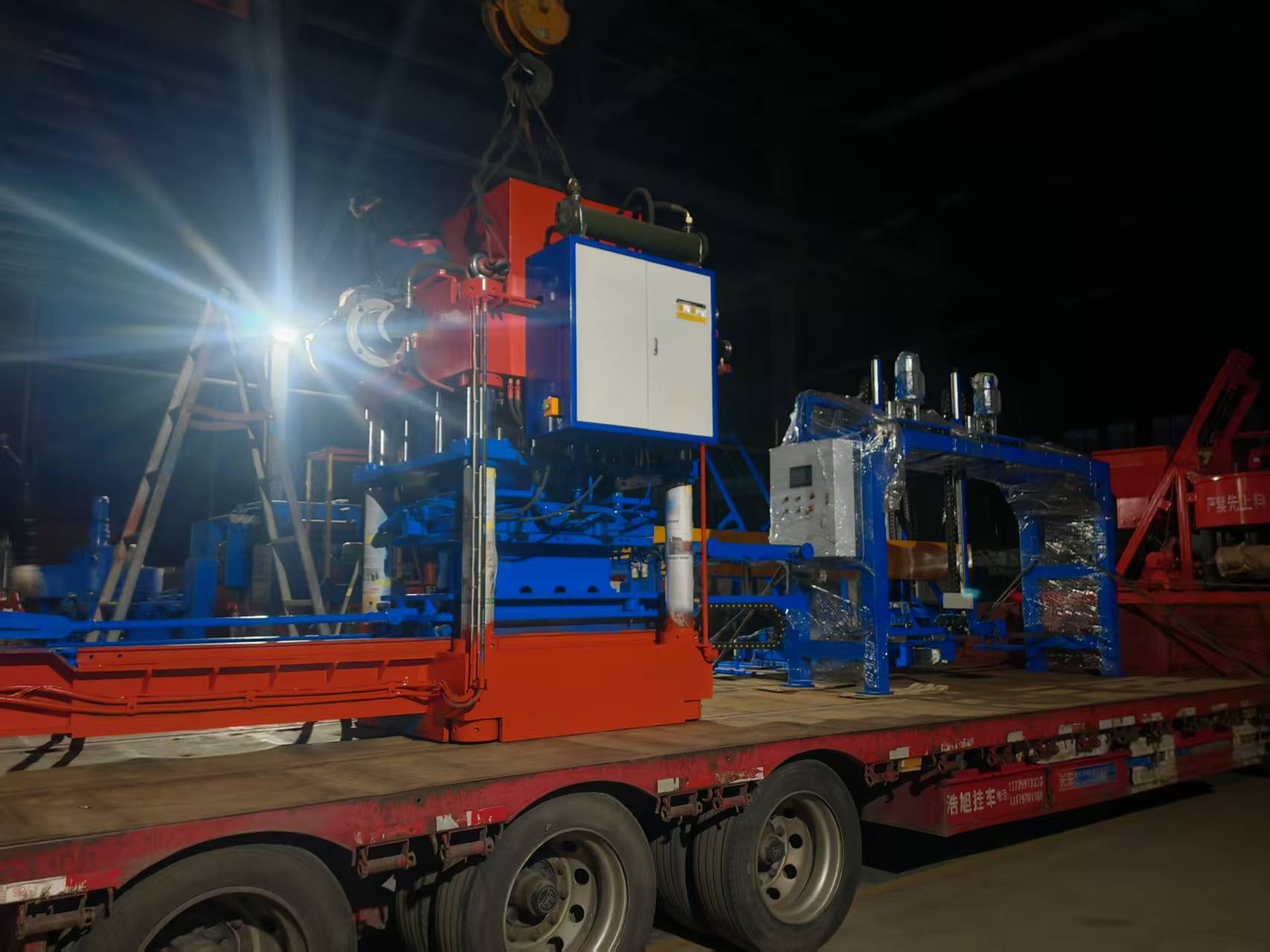
Custom Modular Roof Tile Press Machine: What Can Be Adapted
Customization is useful when a standard machine does not match local market requirements. A custom modular roof tile press machine may involve different mold profiles, tile thickness, surface patterns, voltage, control language, workshop layout, or auxiliary equipment. Some buyers also need a configuration that balances automation with local labor availability. The key is to define requirements clearly before design and manufacturing. Buyers should provide tile drawings or samples, target output, raw material details, site conditions, and operator experience. A supplier with direct manufacturing capability can then propose a practical configuration and explain any trade-offs.
For cement roof tile production, the product itself has strong market logic. Colored cement roof tiles are a modern roofing material known for attractive appearance, high strength, resistance to warping and cracking, storm resistance, water impermeability, weathering resistance, and long service life. Cement roof tile equipment also supports the replacement of clay tiles and helps reduce pressure on soil resources. These advantages make cement roof tile production relevant for construction material businesses, but the final result still depends on machine stability, mix formulation, curing control, and operator discipline. A reliable supplier should discuss all of these factors, not only the press machine.
Installation, Training, and Overseas Service Support
Installation and commissioning are critical for a new cement roof tile production line. Even a well-manufactured machine can underperform if the foundation, leveling, power connection, material feeding, or curing process is poorly prepared. Overseas buyers should confirm what installation guidance is included before shipment. Some suppliers provide layout drawings, foundation suggestions, operation manuals, and remote technical support; others may offer on-site installation guidance depending on the project. The scope, duration, cost, and responsibilities should be written clearly in the contract.
Operator training is equally important. Press machine operation involves mold installation, pressure or stroke adjustment, material feeding, demolding, daily inspection, and safety procedures. If local operators are new to cement roof tile production, structured training reduces startup losses and improves tile consistency. A supplier that supports overseas installation guidance should also provide practical maintenance instructions and spare parts recommendations. Zhengzhou Xinlong Machinery Manufacturing Co., Ltd. supports customized equipment and overseas installation guidance service, which is relevant for buyers who need help with commissioning and production startup. Buyers should still confirm the exact service scope, language support, travel arrangements, and documentation for their project.
Safety should not be treated as a secondary issue. Before operation, the machine should be installed with proper guards, emergency stops, and electrical protection according to local requirements. Operators should be trained to keep hands away from moving molds and pressing areas, lock out power during maintenance, and follow a daily inspection routine. The supplier should provide clear safety instructions and identify points that require special attention. This is part of responsible equipment supply, especially for buyers who are new to this type of production.
Maintenance Planning for Long-Term Production Efficiency
A modular roof tile press machine should be maintained on a planned schedule rather than repaired only after a failure. Daily checks may include cleaning the machine, checking mold condition, inspecting bolts and fasteners, confirming hydraulic or mechanical system stability, and observing unusual noise or vibration. Weekly and monthly checks may include lubrication, electrical connection inspection, guide wear assessment, and spare parts inventory review. A simple maintenance log helps identify recurring issues and plan replacement parts before they cause downtime.
Mold care deserves special attention. Molds affect tile shape and surface quality, and they are among the most important consumables in cement roof tile production. Operators should clean molds properly, avoid damage during replacement, and monitor wear on edges and contact surfaces. If tile edges become inconsistent or surface defects increase, the mold or pressing parameters should be checked promptly. Keeping one or two critical spare molds or mold components can reduce the risk of long production interruptions.
Training also improves maintenance results. When operators understand why lubrication, cleaning, and parameter control matter, they are more likely to follow procedures consistently. Suppliers should provide a recommended maintenance checklist and explain which spare parts are most practical to keep on hand. For buyers comparing suppliers, the quality of this guidance can be as important as the machine specification itself. A reliable supplier thinks about the production line over years, not only the delivery date.
FAQ
How can I identify a reliable modular roof tile press machine supplier?
Check whether the supplier is a real manufacturer with relevant production experience, not only a trading company. Ask about factory background, machine structure, mold quality, customization capability, installation guidance, spare parts, and after-sales response. A reliable supplier will ask detailed questions about your output target, tile profile, raw materials, site conditions, and budget before recommending a configuration. Compare quotations on the same scope of supply, and request clear technical explanations rather than vague promises.
What should I check before buying a modular roof tile press machine?
Before buying, confirm the target tile size and profile, expected daily output, raw material formula, available workshop space, power supply, labor plan, and curing area. Review the machine structure, mold replacement method, control system, safety devices, recommended spare parts, and training support. Ask for a quotation breakdown that separates the main machine, molds, auxiliary equipment, packing, shipping, and service items. A clear scope prevents unexpected costs and installation delays.
Do modular roof tile press machines support customized production?
Many modular roof tile press machines can be customized for different mold profiles, tile sizes, thicknesses, voltages, control languages, and workshop layouts. Customization should be based on real market demand and production conditions. Buyers should provide samples or drawings, target output, and site information so the supplier can propose a practical configuration. A custom modular roof tile press machine can improve market fit, but the buyer should confirm mold availability, changeover time, and operator training requirements.
What is included in overseas installation guidance?
Overseas installation guidance may include layout drawings, foundation suggestions, machine leveling, connection checks, commissioning support, operator training, and maintenance recommendations. The exact scope varies by project. Buyers should confirm whether support is remote or on-site, what documentation is provided, who covers travel and accommodation costs, and how long the guidance period lasts. Clear contractual terms help both sides prepare properly and reduce startup risk.
How do I maintain a cement roof tile press machine for long service life?
Follow a planned maintenance schedule covering cleaning, lubrication, bolt checks, mold inspection, electrical inspection, and observation of noise or vibration. Keep maintenance records and stock critical spare parts based on the supplier’s recommendations. Train operators to report abnormal conditions early and to follow safety procedures during cleaning and repair. Proper mold care and consistent raw material control also help protect the press machine and maintain tile quality.
Why are cement roof tiles a practical alternative to clay tiles?
Colored cement roof tiles offer attractive appearance, high strength, resistance to warping and cracking, storm resistance, water impermeability, weathering resistance, and long service life. Cement roof tile production equipment also supports the replacement of clay tiles and helps reduce pressure on soil resources. However, final tile quality depends on machine stability, mix design, curing control, and production discipline. Buyers should evaluate the complete production process, not only the press machine.
Summary
Choosing a reliable modular roof tile press machine supplier requires more than comparing prices. Buyers should evaluate manufacturing background, machine structure, mold quality, customization capability, installation guidance, training, spare parts, and after-sales support. A clear scope of supply and a detailed technical discussion are essential for fair comparison. For cement roof tile projects, the press machine should be assessed as part of a complete production line that includes material preparation, curing, and operator training. Zhengzhou Xinlong Machinery Manufacturing Co., Ltd., established in 2001 with about 25 years of production experience and a factory area of about 30,000 square meters, focuses on cement roof tile machines, terrazzo floor tile machines, and removable formwork equipment, and supports customized equipment and overseas installation guidance. Buyers who compare suppliers on engineering capability, service clarity, and long-term support are more likely to build a stable and profitable production operation.