Choosing the right cement colored tile production line supplier decides whether a tile project starts with stable output or months of troubleshooting. Practical checks matter most: the equipment included in the line, how far customization goes, how installation and commissioning are handled, and whether the supplier builds the machines it sells.
What a Cement Colored Tile Production Line Supplier Should Provide
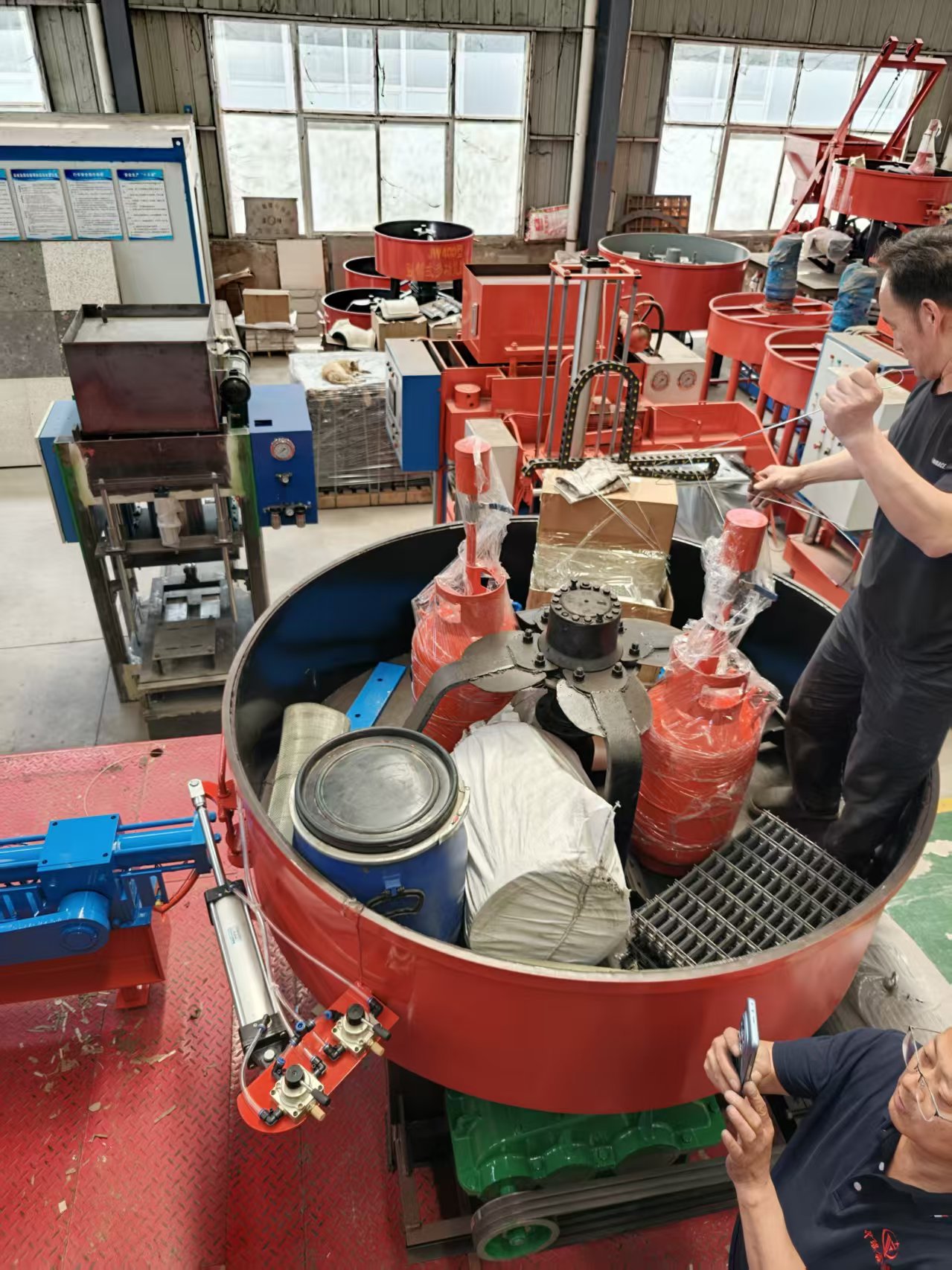
A cement colored tile production line supplier should deliver a complete, working line rather than a list of separate machines. That means mix preparation, forming, conveying, curing and finishing stages sized to match each other, plus clear documentation, spare parts planning and commissioning support so the buyer can reach stable daily output without rebuilding the process.
Buyers often compare only the headline machine and overlook the interfaces between stages. A line that looks complete on paper can still stall in production when one stage runs slower than the rest, when material feed is inconsistent, or when changing between tile profiles takes longer than planned. A supplier should describe those interfaces plainly and show how the stages are matched before shipment.
Scope, Spare Parts and Documentation
Ask for a written scope that separates what is included from what is not. Mixers, molds, pallets, curing arrangements and automation options are frequently left out of a quoted line, and the gaps only appear during installation. A supplier that states exclusions clearly at the quotation stage is usually easier to work with later, when changes are needed.
- A stage-by-stage list of the machines that make up the line.
- The tile profiles the line is configured to produce.
- The spare parts shipped with the equipment and the wear items to plan for.
- The documentation, drawings and operating instructions handed over with the line.
- Who handles installation guidance, commissioning and operator training.
How to Evaluate a Manufacturer Before Ordering
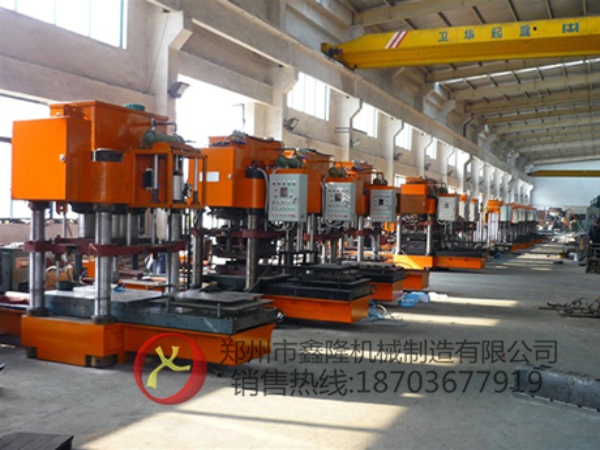
Evaluating a manufacturer means checking what is actually built on site, not only what is printed in a catalogue. Production experience, the range of machines made in-house, the way customization requests are answered and the structure of after-sales service all show how a line will be supported once it leaves the factory.
A useful test is to ask how one specific change would be handled: a different tile profile, a different site layout, or a different level of automation. Manufacturers that build their own equipment can usually explain the trade-offs directly, including which parts of the line would need to change and which would stay the same. Vague answers at this stage tend to repeat themselves during installation.
Experience, Service and Open Communication
Production experience shows up in details: how the manufacturer talks about material feed problems, mold wear, curing conditions and changeover time. Service arrangements matter just as much, because a line is a long-term asset and the buyer will need spare parts, technical answers and guidance well after the first year of operation.
Zhengzhou Xinlong Machinery Manufacturing Co., Ltd. is a source factory established in 2001, with a factory area of about 30,000 square meters and 25 years of production experience. The company focuses on cement tile machines, terrazzo floor tile machines and permanent formwork equipment, supports customized equipment, and provides overseas installation guidance. Its equipment is sold across provinces and regions of China and is trusted by users, and the company welcomes buyers to visit and inspect before deciding on a project.
How the Production Stages Work Together
A colored cement tile line turns a cement-based mix into rigid, colored roofing tiles through a sequence of mix preparation, forming, pressing and curing. Each stage sets limits on the next: mix consistency controls surface quality, forming controls shape accuracy, and curing conditions decide final strength and color stability. Balance across stages matters more than the performance of any single machine.
Because the stages are linked, a change in one place usually shows up in another. A faster forming stage does not raise output if curing capacity cannot keep pace, and a denser mix does not improve the tile if the forming stage cannot handle it consistently. This is why buyers should ask for the reasoning behind a line configuration rather than a list of individual machine features.
Quality Points That Show Up in the Finished Tile
Colored cement tiles are valued for a surface that stays bright and even, for strength without warping or cracking, and for resistance to storm, water penetration and weathering over a long service life. Those properties come from the combination of mix design, forming accuracy and controlled curing, not from pigment alone.
Color consistency depends on how evenly pigment is dispersed and how stable curing conditions are. Shape accuracy depends on mold quality and forming pressure. Surface finish depends on how cleanly the tile releases from the mold and how it is handled afterwards. A buyer who understands these links can judge a proposed line configuration far more accurately.
Why Colored Cement Tiles Replace Clay Tiles
Colored cement tiles were introduced in the 1990s as a new roofing material and are now promoted as an alternative to clay tiles. The case for them is practical: bright, stable color, high strength without warping or cracking, resistance to storm, water penetration and weathering, and a long service life, while the production route reduces pressure on clay resources.
For a project owner, the appeal is a roofing material that keeps its appearance and shape under weather exposure. For a producer, the appeal is a line that can be configured around local material supply and local market demand for color and profile. Both sides benefit when the equipment is matched to the actual tile range being sold.
Customization, Installation and Service Support
Customization matters because tile profiles, site layouts and output targets differ between markets. A supplier that supports customized equipment can adjust line configuration instead of forcing a buyer into a fixed package, and that flexibility usually reduces the amount of rework needed once the line is on site.
Overseas installation guidance covers the gap between delivery and first saleable tile. Clear drawings, sequenced installation instructions, remote answers during assembly and guidance during start-up shorten the learning period for a new team. Buyers should confirm in writing what the guidance includes and who is responsible for each step, because loosely defined support is the most common source of delay after delivery.
Frequently Asked Questions
What does a cement colored tile production line supplier provide?
It provides the complete set of machines, from mix preparation through forming and curing, together with documentation, spare parts planning and commissioning support. The line is quoted as a working system, so buyers should confirm exactly which machines and accessories are inside the scope and which are not.
How can buyers compare a cement colored tile production line manufacturer?
Buyers compare a cement colored tile production line manufacturer by checking production experience, the range of equipment built in-house, how customization requests are handled, and how installation and after-sales service are organized. Comparing written scopes side by side is more reliable than comparing headline prices alone.
What should a cement colored tile production line processing factory be able to do?
A cement colored tile production line processing factory should be able to match machine stages to each other, adapt molds and line configuration to the required tile profiles, and support the buyer through installation and start-up. The ability to explain stage-by-stage interfaces clearly is a practical sign of real production knowledge.
Which points matter most when selecting a quality cement colored tile production line manufacturer?
The points that matter most are equipment completeness, consistency between stages, mold and profile flexibility, spare parts availability and the quality of service after delivery. A quality cement colored tile production line manufacturer will state exclusions openly and explain how the line reaches stable output.
How do buyers identify a capable cement colored tile production line manufacturer?
Buyers identify a capable cement colored tile production line manufacturer by visiting the production site where possible, asking how the machines are built and tested, and reviewing how installation and service work is organized. Clear answers about scope, customization limits and service arrangements are stronger evidence than promotional claims.
Summary
Choosing a cement colored tile production line supplier comes down to evidence rather than impressions: a complete written scope, stages that are matched to each other, real customization capability, and service that continues after delivery. Buyers who compare those points side by side, and who visit the factory where possible, make better decisions than buyers who compare headline prices alone.