A cement tile production line customization manufacturer builds equipment around a buyer’s tile size, output target, and site conditions instead of offering one fixed catalog configuration. This guide explains what customization covers, how to compare suppliers, and which checks protect the final result.
What Does a Cement Tile Production Line Customization Manufacturer Provide?
A cement tile production line customization manufacturer supplies a complete process chain configured around one buyer’s product plan, covering material preparation, forming, curing, and handling stages. The aim is a line that matches the tile profile, surface color, and output the buyer intends to sell.
Because every project starts from a different tile design and site layout, the equipment set is defined project by project rather than taken from a fixed list. Buyers normally confirm the tile drawing, the color layer structure, and the available floor space before technical discussion moves forward.
Core Equipment Covered in a Customized Line
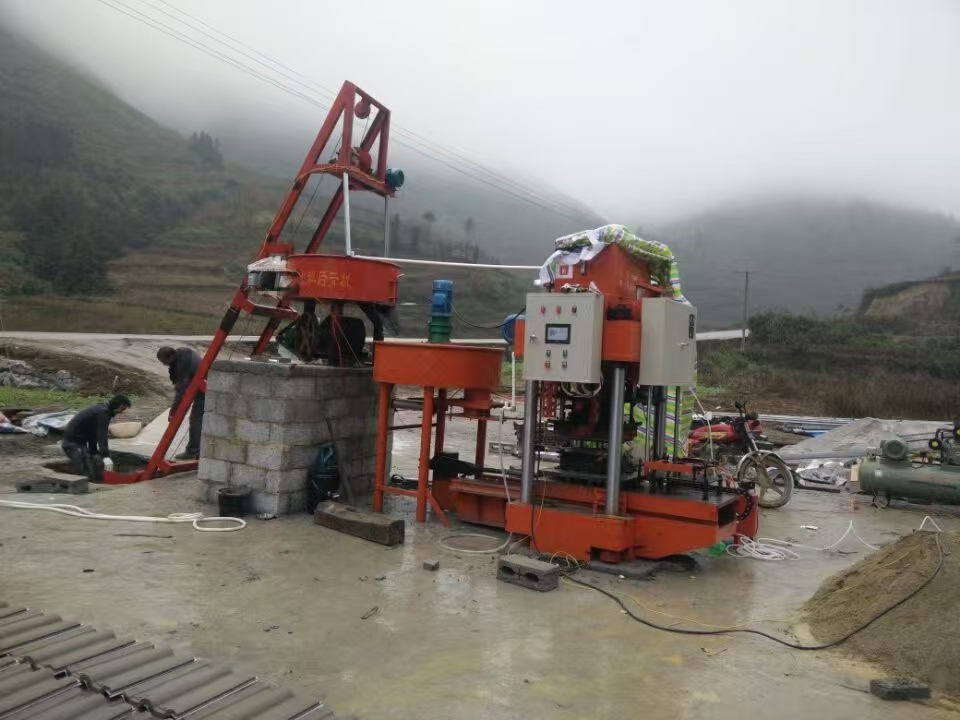
The stages below describe the usual process chain in a customized cement tile line. The exact equipment set for any project depends on the confirmed product specification and the site plan.
- Material mixing and batching units that prepare both the base mix and the color layer mix
- Forming and pressing units that shape the tile profile and surface texture
- Mold sets matched to the confirmed tile drawing and profile geometry
- Curing arrangements suited to the local climate and the available indoor space
- Demolding, stacking, and handling equipment for the finished tile
Why Customization Matters in Cement Tile Production
Customization matters because tile geometry, surface color, and output planning are linked: changing one element usually affects forming, curing time, and handling. A line configured for the actual product avoids the mismatch that appears when a standard machine is forced to run an unplanned profile.
Buyers who intend to offer several tile profiles need changeover steps designed into the line from the start. Mold handling space and tooling storage are easy to overlook during layout discussion, yet they decide how quickly a line can switch between products.
Factors That Drive a Custom Configuration
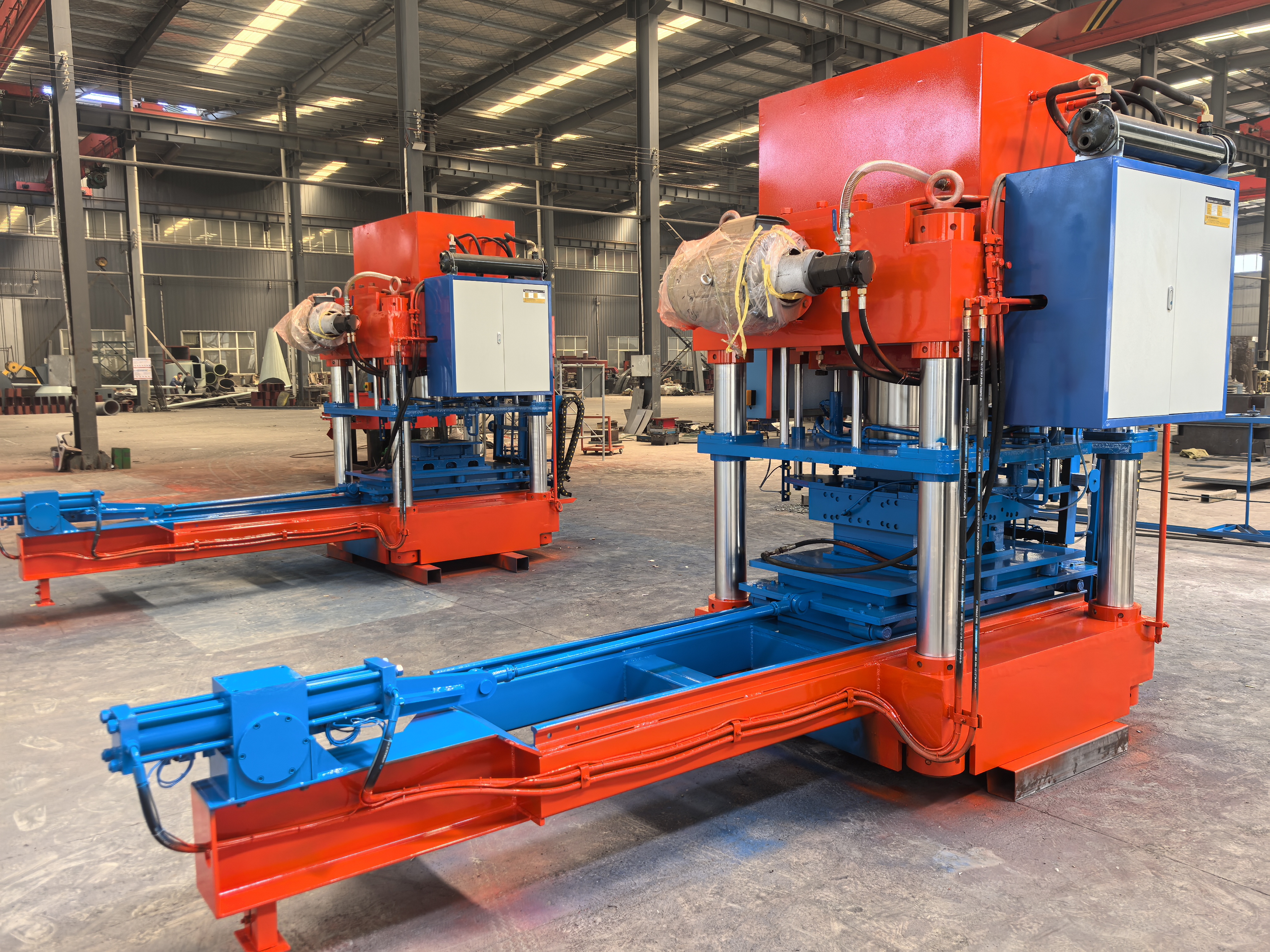
Configuration decisions follow the product and the site rather than the other way round. The items below are the factors most often discussed during technical review.
- Tile size, thickness, and profile geometry
- Surface color structure, including single-layer and multi-layer color designs
- Planned output per shift and the working schedule behind it
- Available floor space, building height, and material flow direction
- Local climate, which affects curing arrangement and drying space
- Degree of automation desired for mixing, stacking, and internal transport
How to Choose a Reliable Cement Tile Production Line Supplier
Choosing a supplier starts with evidence of process understanding rather than price alone: a capable supplier can explain how each stage connects to the buyer’s tile design and output plan. Technical clarity at the quotation stage is a stronger signal than a short delivery promise.
Buyers should request a written scope that separates standard equipment from customized fabrication, because the customized portion is where schedule and cost risks concentrate. A clear drawing set and a defined acceptance check at commissioning protect both sides of the order.
Practical Checks Before Ordering
These checks are inexpensive before an order and expensive afterwards. Each item should be answered in writing rather than agreed verbally.
- Who owns the mold design, and how are profile changes handled later
- What the acceptance check covers and who witnesses it at commissioning
- Which spare parts and wearing components ship with the line
- What installation guidance includes and who performs it
- Which operation and maintenance documents are handed over
- How after-sales questions are routed once production has started
Applications and Product Advantages of Cement Roof Tiles
Cement roof tiles are a modern roof covering developed as a replacement for clay tiles, and they are valued for both appearance and durability. Their color finish, structural strength, and resistance to storm, water, and weathering suit roof projects that expect a long service life.
Because the tile body is formed rather than fired, the production line turns raw material into a finished roof product without the clay extraction step associated with traditional clay tile making. This is one reason the product is described as a resource-saving alternative in roof construction.
Characteristics commonly reported for well-made cement roof tiles include vivid and stable color, high strength, no warping, no cracking, storm resistance, water resistance, weathering resistance, and long service life. Buyers should confirm how each characteristic is verified on the line before accepting a specification.
Operation, Maintenance, and Installation Guidance
Stable output depends more on routine discipline than on equipment complexity. Daily checks on mix consistency, mold condition, and curing environment prevent most of the defects that appear as surface color variation or edge damage. These checks cost little and protect yield.
Maintenance planning should begin before the line is commissioned: spare mold parts, wearing components, and cleaning routines all need an owner and a schedule. When these items are defined at handover, the line holds its output consistency far longer.
For projects installed away from the supplier’s location, installation guidance is normally an agreed service item. The scope, including who supervises alignment, commissioning, and the first production runs, should be written into the contract and confirmed before shipment.
FAQ
What does a cement tile production line customization manufacturer do?
It designs and builds tile production equipment around the buyer’s tile size, color layer, output target, and site layout instead of supplying one fixed configuration. The scope usually covers mixing, forming, curing, and handling stages.
How long does it take to customize a cement tile production line?
No single timeline applies, because scheduling depends on the equipment scope, the number of custom-fabricated parts, and how far the buyer’s site preparation has progressed. A confirmed configuration and drawing set normally come before a production schedule is issued.
Which factors drive the cost of a customized cement tile production line?
Cost is driven mainly by the output target, the automation level, the forming method, the curing arrangement, and the amount of non-standard fabrication. Comparing quotations against the same specification list keeps the evaluation fair.
Can one customized line produce different tile profiles and colors?
Yes. Mold changes and color layer settings allow a single line to run different profiles and surface colors, provided changeover is planned at the design stage. Every additional profile should be defined before the order is placed.
What support should buyers confirm before delivery?
Buyers should confirm the installation guidance scope, the commissioning responsibilities, the spare parts list, and the maintenance documents in writing before delivery. These items are easy to assume and costly to clarify later.
Summary
A cement tile production line customization manufacturer should be selected on process understanding, a documented customization scope, and a support plan agreed before shipment. Buyers who fix the tile drawing, the site layout, and the acceptance standard first will compare quotations on equal terms and reduce commissioning risk.